The world's oceans often move quietly, far from public attention, yet their subtle shifts can reshape weather patterns across continents. Beneath the vast surface of the Pacific Ocean, scientists are observing changes that may influence climates around the globe in the months ahead.
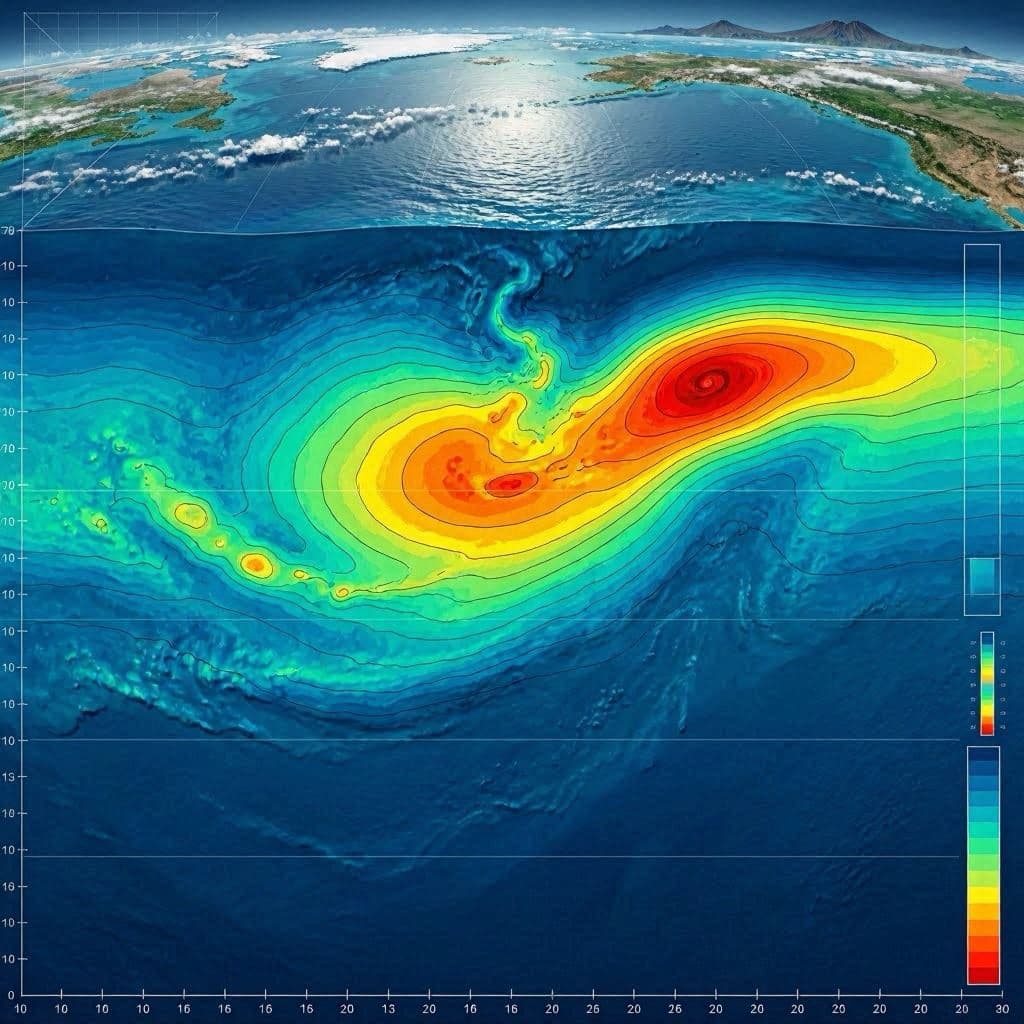
NASA researchers, using satellite observations and ocean-monitoring systems, have identified an extensive mass of unusually warm water developing beneath parts of the Pacific Ocean. Scientists say these conditions could contribute to the formation of an El Niño event if warming patterns continue.
El Niño is a naturally occurring climate phenomenon characterized by warmer-than-average sea surface temperatures in the central and eastern Pacific Ocean. The event can alter rainfall patterns, temperatures, and storm activity worldwide.
Researchers emphasize that the presence of subsurface warm water alone does not guarantee that El Niño will develop. However, such conditions are often considered an important precursor, prompting closer monitoring by meteorological agencies.
Previous El Niño episodes have produced diverse impacts, including increased rainfall in some regions, drought in others, and disruptions to agricultural production. The intensity and geographic effects can vary significantly from one event to another.
Satellite technology has become increasingly important in tracking oceanic conditions. NASA's instruments allow scientists to monitor temperature changes, sea levels, and atmospheric interactions with greater precision than ever before.
Climate experts note that understanding large-scale ocean patterns remains essential for improving seasonal forecasts. Early detection provides governments, farmers, and disaster management agencies additional time to prepare for potential impacts.
International meteorological organizations continue collaborating to assess evolving conditions in the Pacific. Updated forecasts are expected as additional observations become available over the coming months.
For now, scientists stress that continued monitoring remains the key priority. The Pacific Ocean is offering signals, and researchers are carefully interpreting what those signals may mean for weather systems around the world.
AI Image Disclaimer: Illustrative images featured in this article are AI-generated visual representations intended to support scientific storytelling.
Source Verification Check: NASA, NOAA, Reuters, ScienceDaily, Associated Press
Published by Banx Network. This article is part of the Banx decentralized media programme, powered by the BXE token on the XRP Ledger.