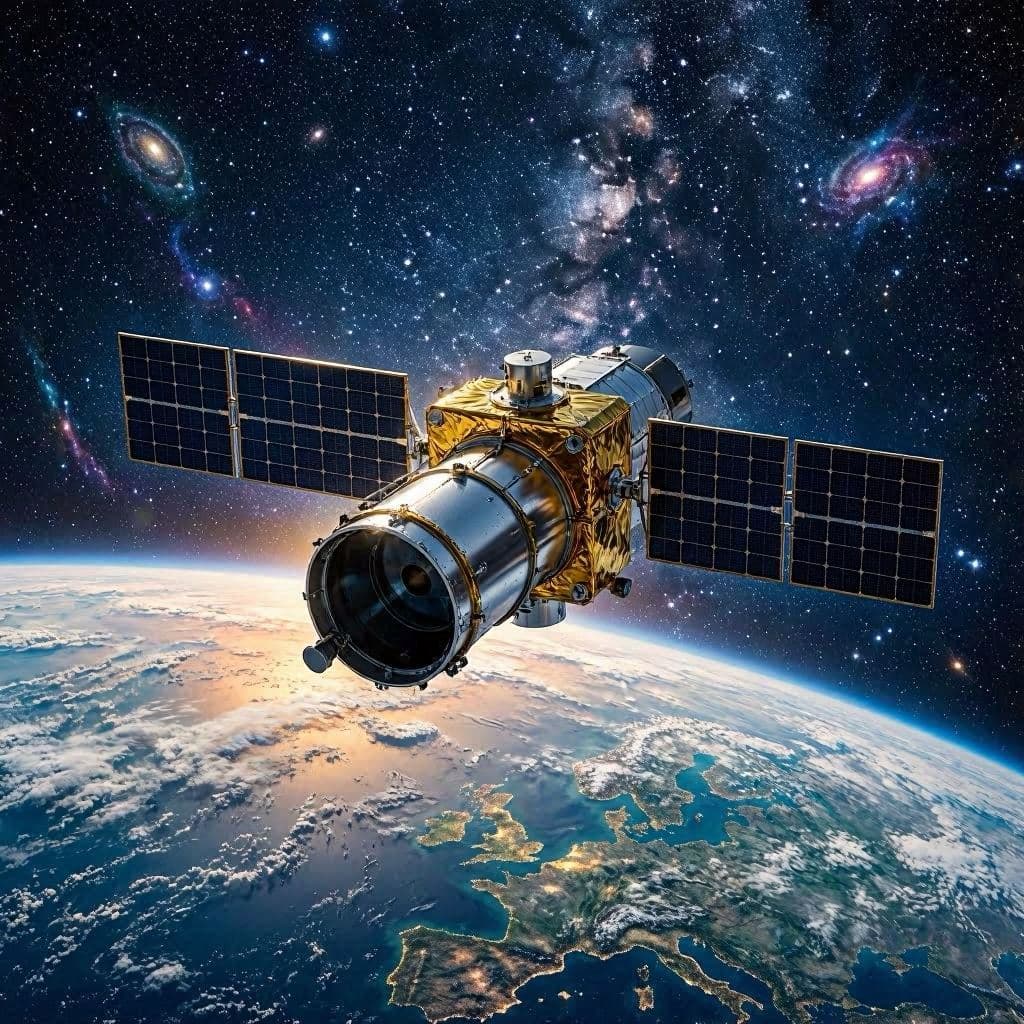
Space exploration is often described as a journey toward discovery, yet some of humanity's most remarkable achievements require care long after their launch. Orbiting silently above Earth for more than two decades, NASA's Swift space telescope has become one of astronomy's most reliable observers. Today, scientists are working to ensure that its story does not end prematurely.
NASA is reportedly studying options for a mission that could extend the operational life of the Neil Gehrels Swift Observatory, a spacecraft launched in 2004 to study gamma-ray bursts and other energetic cosmic phenomena. The effort comes as engineers assess the telescope's long-term orbital stability.
Swift has played a critical role in modern astrophysics. Since its deployment, the observatory has detected and monitored thousands of gamma-ray bursts, providing scientists with valuable insights into some of the most powerful explosions in the universe.
According to NASA officials and researchers, the spacecraft's orbit has gradually declined over time due to atmospheric drag. Without intervention, the observatory could eventually re-enter Earth's atmosphere in the coming years, ending one of NASA's most productive astrophysical missions.
Engineers are evaluating several possibilities, including a potential spacecraft servicing mission designed to raise Swift's orbit and extend its scientific lifespan. Such a mission would represent another important demonstration of in-space servicing technologies.
Interest in spacecraft servicing has grown significantly in recent years. Space agencies and private companies increasingly view orbital maintenance as a practical way to prolong missions, reduce costs, and minimize space debris.
Scientists emphasize that Swift continues to provide valuable observations not only of gamma-ray bursts but also of black holes, supernovae, neutron stars, and other transient astronomical events. The telescope remains an important part of the global network of observatories studying dynamic cosmic phenomena.
While no final decision has been announced, NASA's efforts underscore a broader shift in space operations: treating spacecraft not as disposable machines, but as long-term scientific assets worthy of continued stewardship.
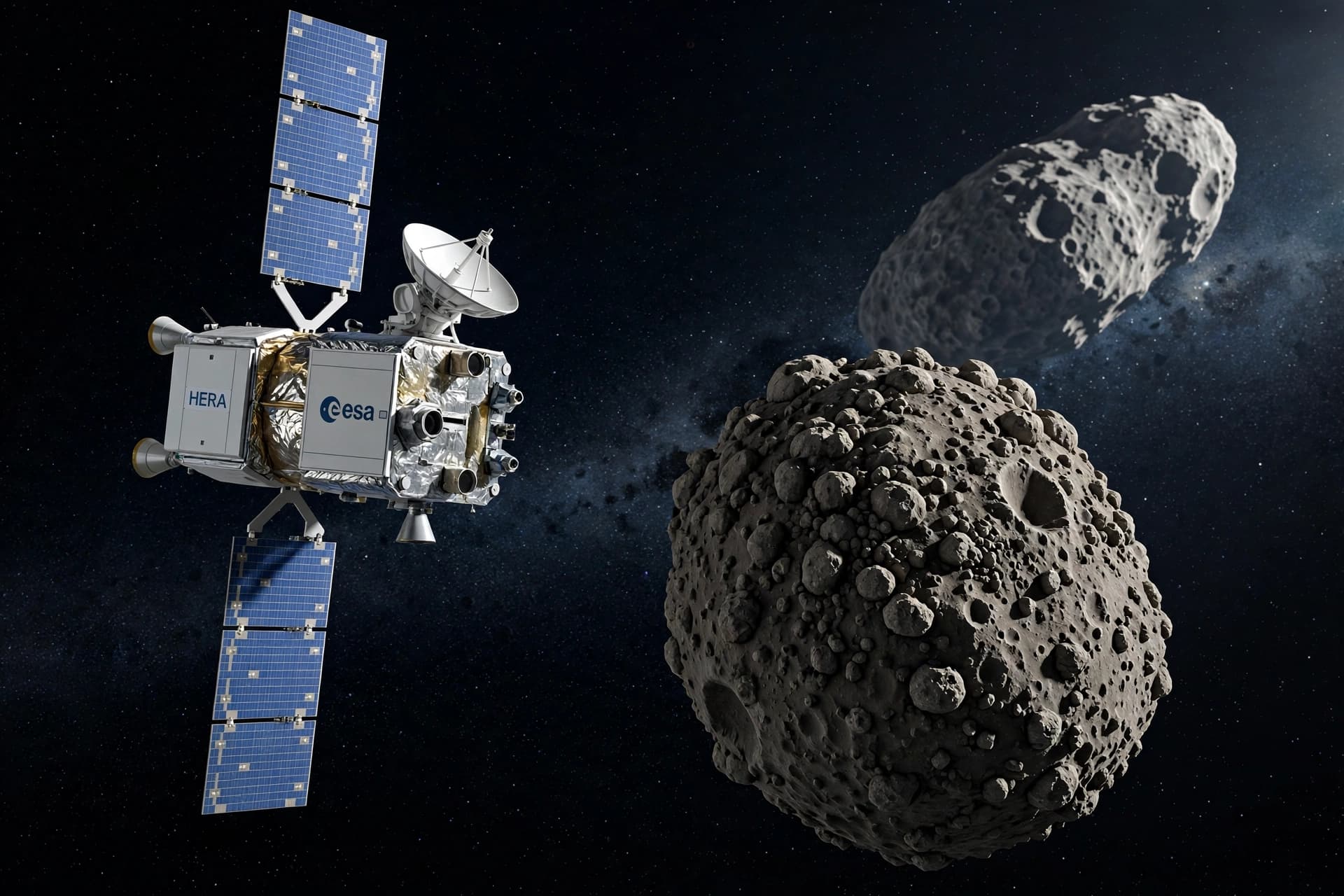
AI-generated image disclaimer: The accompanying images are AI-generated visual interpretations intended for editorial illustration purposes only.
Published by Banx Network. This article is part of the Banx decentralized media programme, powered by the BXE token on the XRP Ledger.