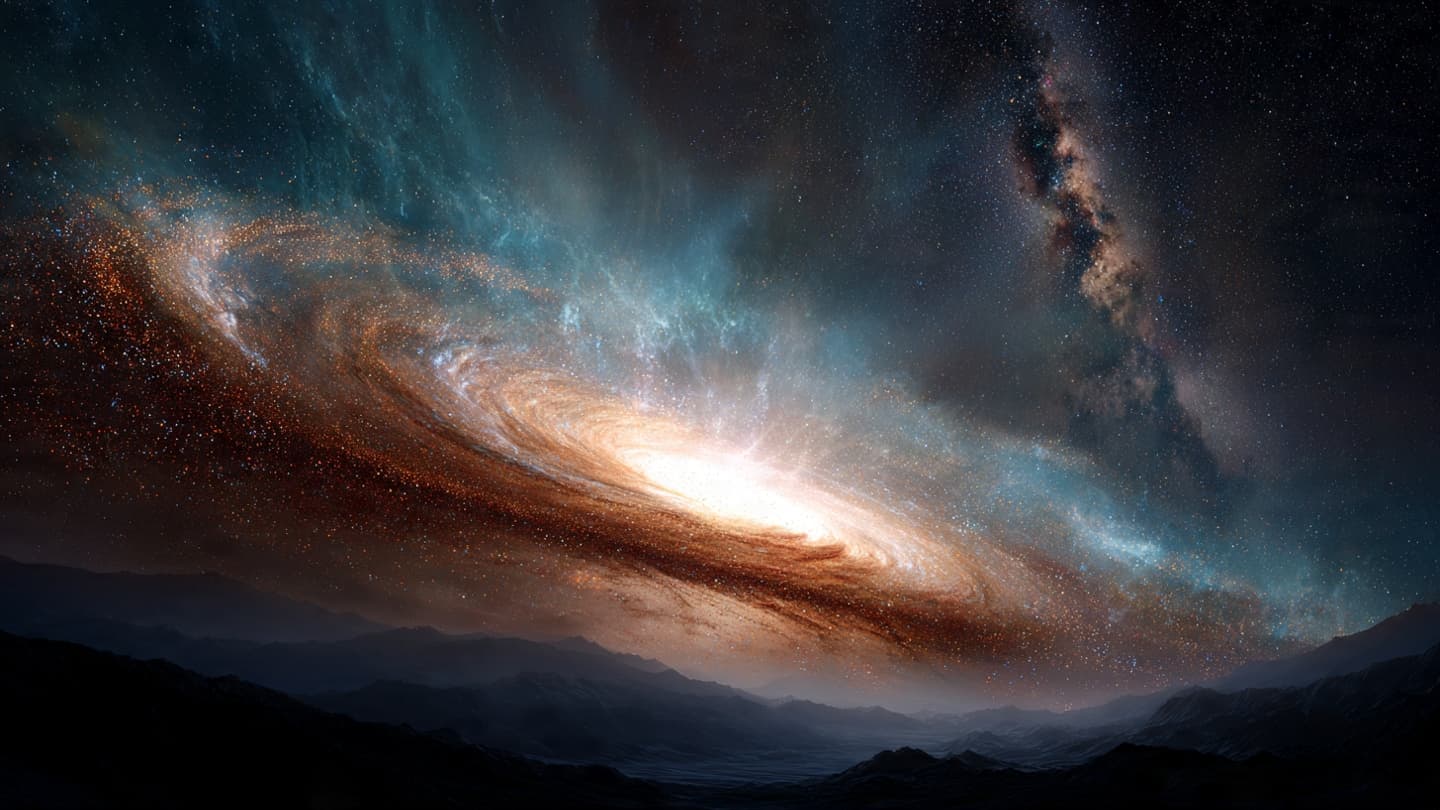
The center of the Milky Way has often been described as a quiet giant. Hidden behind clouds of dust and vast distances, the supermassive black hole known as Sagittarius A* appears comparatively calm when measured against the more energetic black holes observed elsewhere in the universe. Yet, as astronomy repeatedly demonstrates, stillness in space does not always mean inactivity.
A new study suggests that the Milky Way's central black hole continues to generate powerful cosmic winds despite its relatively inactive appearance. Researchers say these outflows may influence the environment surrounding Sagittarius A* in ways previously underestimated.
Using observations collected from advanced space- and ground-based telescopes, astronomers analyzed the behavior of gas and energetic particles near the galactic center. The findings indicate that material around the black hole is still being expelled outward, forming persistent streams commonly referred to as cosmic winds.
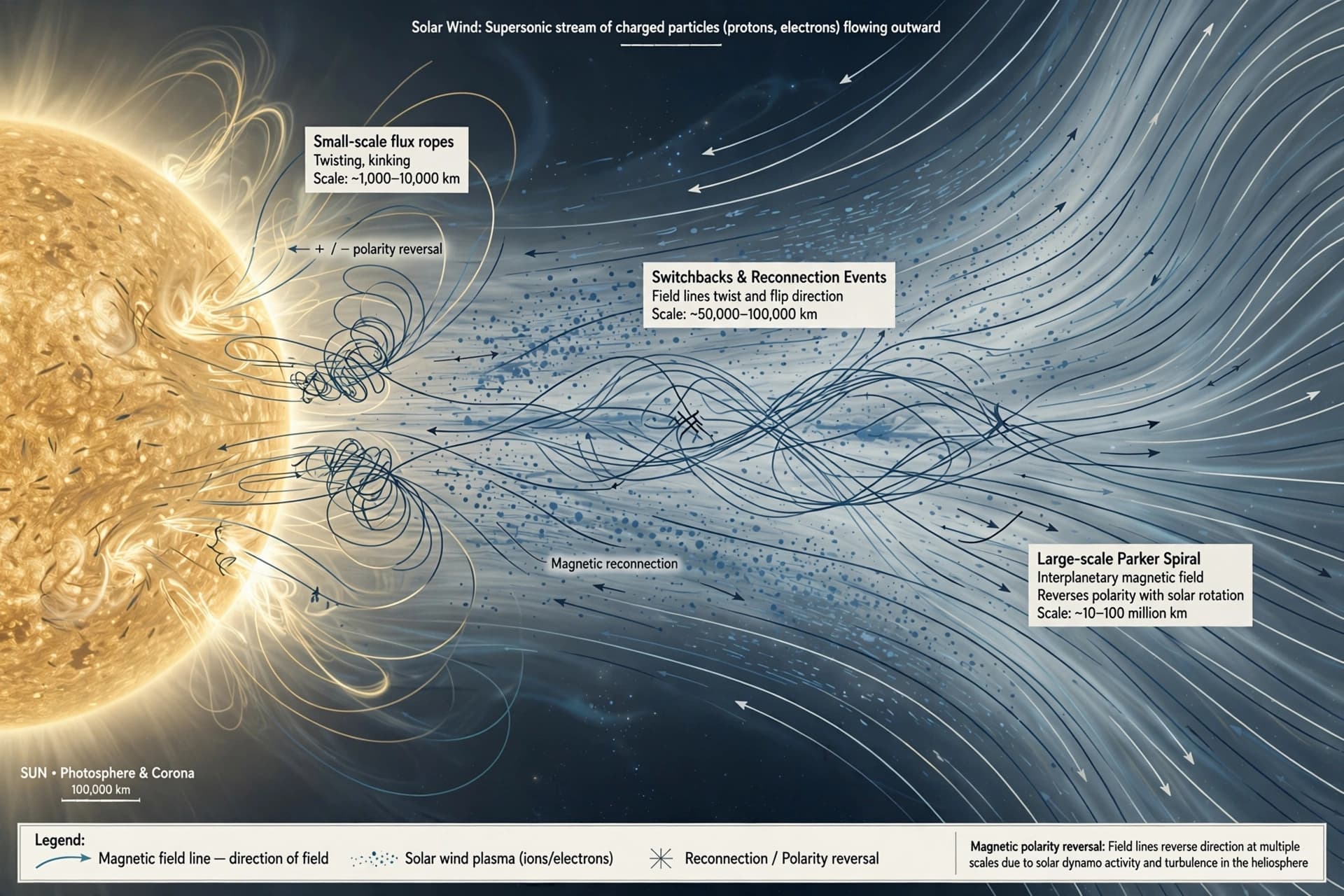
Supermassive black holes do not simply consume matter. As gas and dust spiral inward, some material can be accelerated and ejected at high speeds. These outflows may shape star formation, redistribute matter, and affect the evolution of entire galaxies.
Scientists have long debated how active Sagittarius A* truly is. Compared with the bright and energetic black holes found in active galactic nuclei, the Milky Way's central black hole appears relatively subdued. However, the latest research suggests that even low-activity black holes can exert considerable influence over their surroundings.
The study also offers new insights into feedback mechanisms—processes through which black holes interact with their host galaxies. Understanding these interactions is essential for developing more accurate models of galactic evolution.
Researchers emphasized that continued observations will be necessary to determine the long-term behavior of these cosmic winds. Future instruments, including next-generation observatories, could provide more detailed measurements of the black hole's activity.
The findings contribute to a growing body of evidence indicating that black holes and galaxies evolve together through complex and ongoing interactions. Even seemingly quiet systems may remain dynamically active over immense timescales.
As astronomers continue exploring the center of our galaxy, Sagittarius A* is proving once again that the cosmos often conceals remarkable activity beneath an appearance of calm.
AI Image Disclaimer: The accompanying images are AI-generated scientific visualizations created for editorial illustration purposes.
Sources (Source Verification Check): Science News, Nature Astronomy, NASA, Reuters, European Space Agency
Published by Banx Network. This article is part of the Banx decentralized media programme, powered by the BXE token on the XRP Ledger.