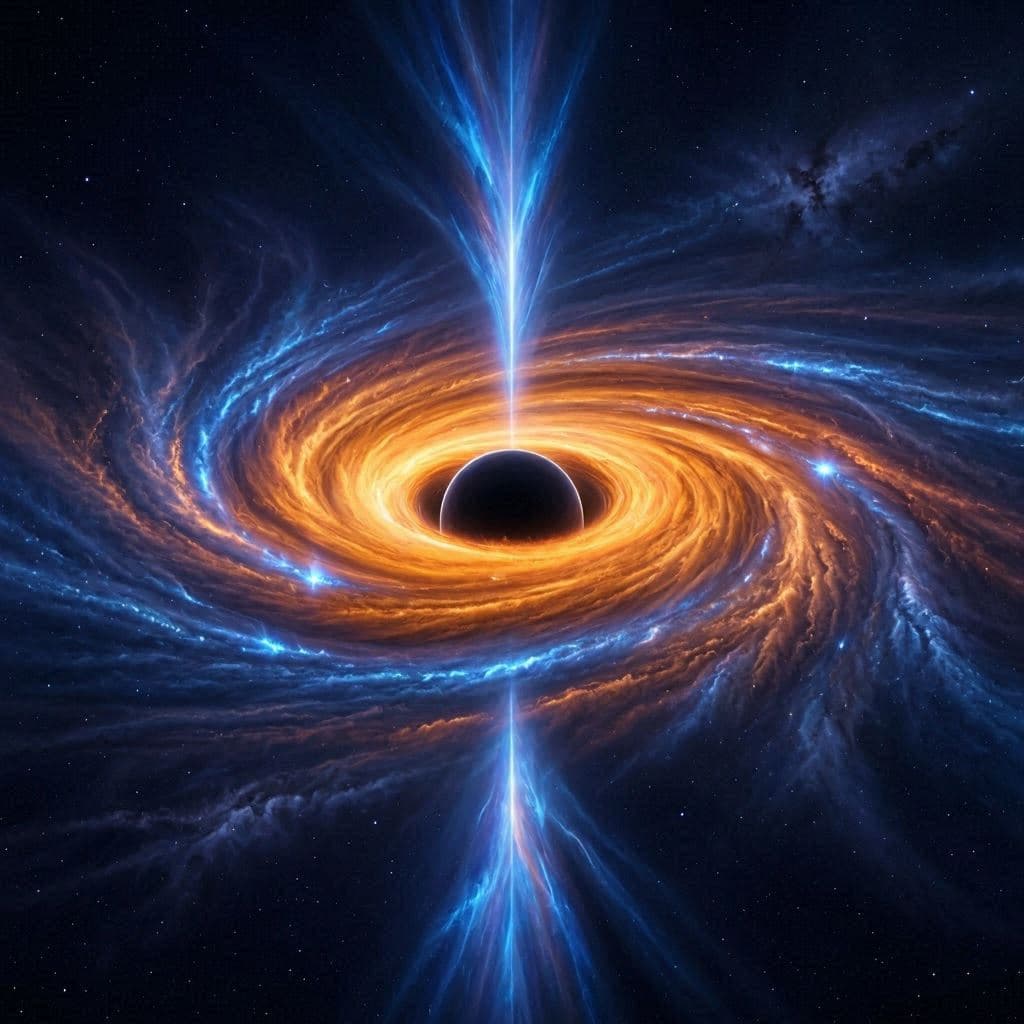
Tiny Black Holes May Grow From the Universe’s Hidden Geometry
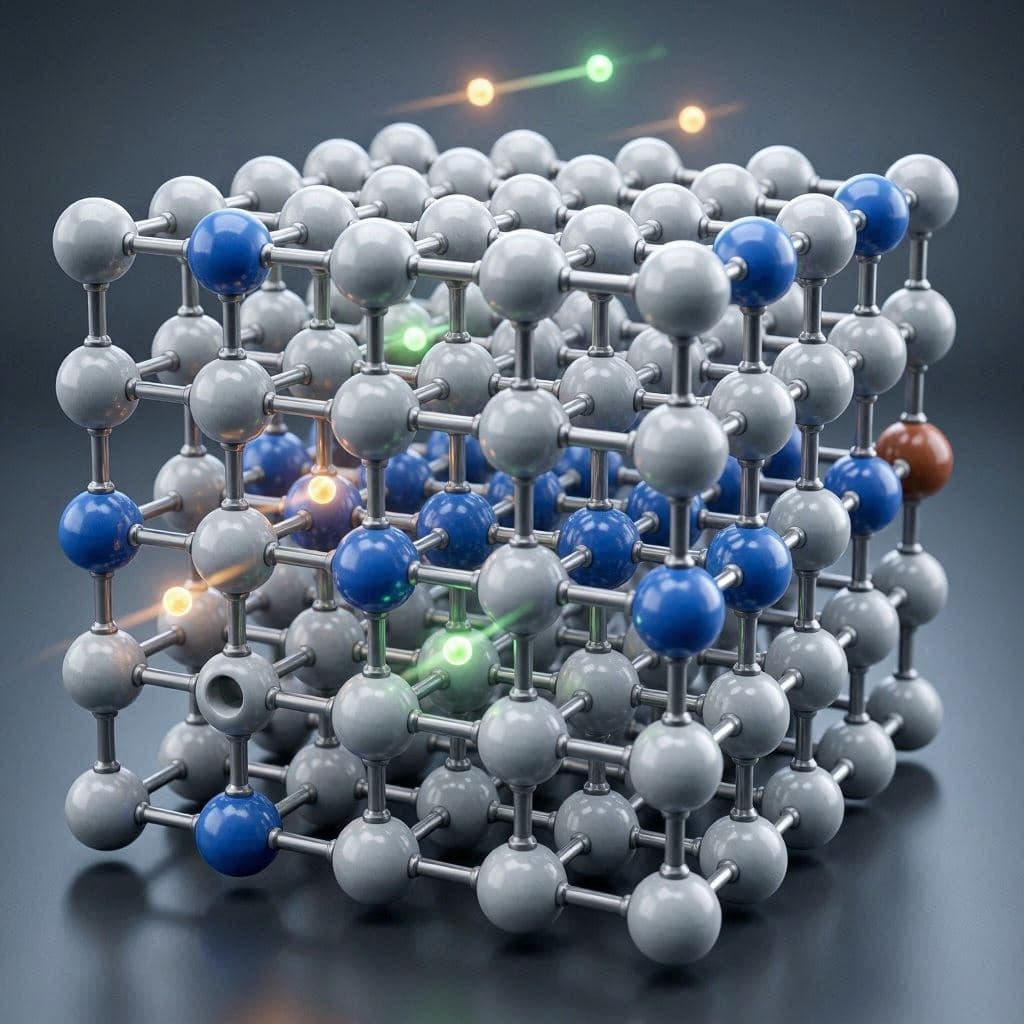
A theoretical study suggests crystal-like patterns in spacetime could form during gravitational collapse and potentially evolve into microscopic black holes.

A theoretical study suggests crystal-like patterns in spacetime could form during gravitational collapse and potentially evolve into microscopic black holes.

Scientists discovered a vast fan-shaped geological structure beneath East Antarctica, offering new clues about the continent's ancient history.

New details about Artemis III highlight plans for lunar exploration, scientific research, and future deep-space missions.

Scientists discovered what may be the world's largest whale-fall graveyard, revealing a remarkable deep-sea ecosystem.

The 2026 Venus-Jupiter conjunction created a striking celestial display that captivated skywatchers and photographers worldwide.

China's underground neutrino detector has released its first major findings, advancing research into some of physics' most mysterious particles.

James Webb observations provide the strongest evidence yet for theoretical "black hole stars" that may explain early supermassive black hole formation.

A New Jersey professor received a $1 million award for research that could influence the future development of computing technologies.

CERN researchers report observing the rare Ξcc⁺ particle, contributing to studies of fundamental matter.

Researchers identify 45 potentially habitable exoplanets that may become key targets for future studies.

Scientists report evidence of a thin atmosphere surrounding a distant object in the outer solar system.

Astronomers are exploring theoretical magnetic “space airbags” that could help reduce the impact of extreme solar storms on Earth.

NASA continues targeting a lunar landing in 2028, but success depends on upcoming Artemis tests and commercial spacecraft readiness.

Scientists have identified a massive fan-shaped geological structure beneath East Antarctica, offering new insights into tectonic history and ice-sheet behavior.

A Jupiter-Venus conjunction is providing skywatchers worldwide with an opportunity to observe one of the solar system’s most striking visual alignments.

Analysis of ancient squirrel droppings suggests Ice Age rodents scavenged woolly mammoth meat, revealing unexpected dietary flexibility.

NASA has named four astronauts for the Artemis III training mission, a major step toward future crewed lunar exploration.

An astronaut aboard the ISS captured a striking image of Mount Vesuvius, highlighting the famous volcano's place within southern Italy's landscape.

The LEAP AI system has achieved record performance in formal mathematical proof generation, highlighting advances in computational reasoning.

Researchers have introduced an AI agent framework capable of developing new skills and adapting to increasingly complex tasks.

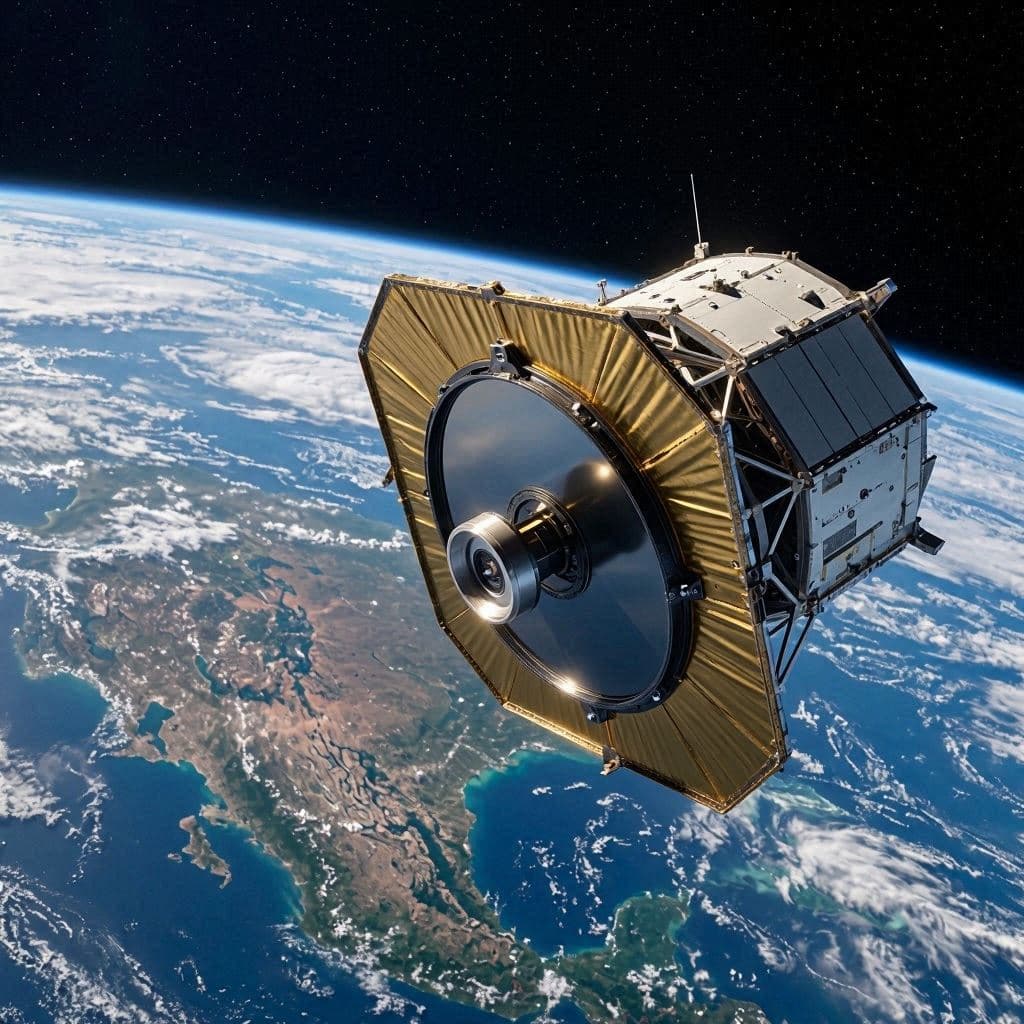
The Ariel mission aims to study the atmospheres of 1,000 exoplanets, helping scientists better understand planetary evolution and diversity.

New research suggests the Hubble Space Telescope will remain an important scientific tool for astronomy and exoplanet studies into the 2030s.

Researchers have made progress against a cancer target once considered untreatable, opening potential pathways for future therapies.

A new experimental pancreatic cancer drug has shown encouraging clinical results, offering potential hope for future treatment advances.