An Old Eye on the Universe Still Sees New Wonders
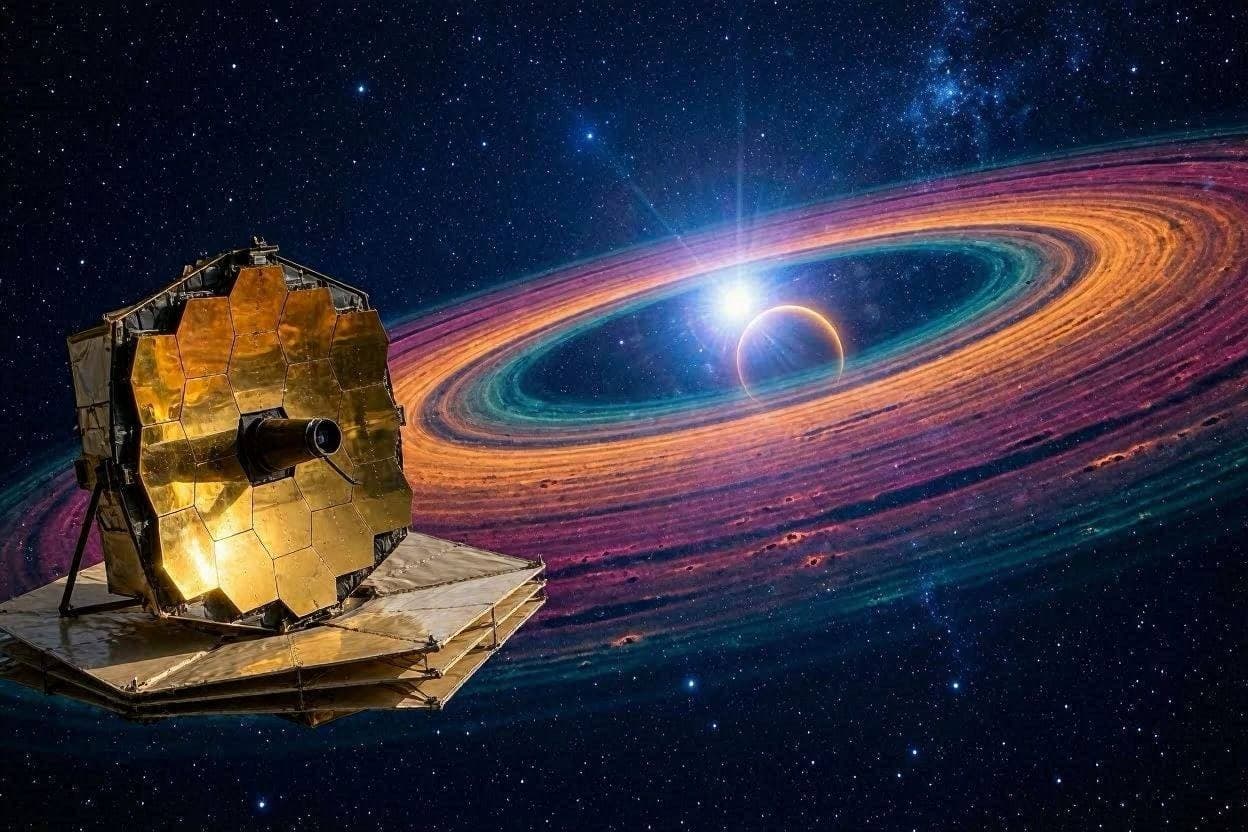
New research suggests the Hubble Space Telescope will remain an important scientific tool for astronomy and exoplanet studies into the 2030s.

New research suggests the Hubble Space Telescope will remain an important scientific tool for astronomy and exoplanet studies into the 2030s.

Researchers have made progress against a cancer target once considered untreatable, opening potential pathways for future therapies.

A new experimental pancreatic cancer drug has shown encouraging clinical results, offering potential hope for future treatment advances.

Scientists have resolved a longstanding problem connected to Schrödinger's color theory, advancing understanding of visual perception and mathematics.

Artificial intelligence is becoming a core research tool across multiple scientific disciplines, accelerating analysis and discovery worldwide.

Researchers developed AI-based methods to identify scientific fields that may be approaching major breakthroughs.

Scientists say the Hubble Space Telescope continues to play an important role in studying exoplanet atmospheres alongside newer observatories.

New data from NASA's Juno mission suggests Jupiter is slightly smaller than earlier estimates, refining scientists' understanding of the giant planet.

AMD and Imperial College London launched an AI-focused collaboration aimed at accelerating scientific research and discovery.

Researchers in Angola discovered a blue fluorescent spider, offering new opportunities to study biodiversity and evolution.

Scientists exploring Angola's Lisima Highlands discovered dozens of previously unknown species, highlighting the region's biodiversity.

Japanese researchers continue developing plastics that dissolve in seawater, offering a potential tool in efforts to reduce marine pollution.

Astronomers say Hubble remains a vital instrument for studying star formation and the evolution of stellar systems.

Quantum computing continues gaining prominence as researchers identify it as a major driver of future scientific and technological innovation.

Astronomers use AI-assisted analysis to identify 118 new exoplanets beyond the solar system.

SpaceX continues advancing ambitious space exploration programs through rapid technological development.

Scientists have discovered a continent-scale geological formation beneath East Antarctica's ice sheet. The newly named East Antarctic Fan-shaped Basin Province connects several major subglacial basins into one vast hidden structure, offering new insights into Antarctica's tectonic past and the behavior of its ice sheet.

Researchers are developing a lightweight X-ray telescope that could create highly detailed chemical maps of the Moon's surface.

Scientists have proposed a new explanation for water's unusual properties, offering fresh insights into one of science's most studied substances.

New research suggests honeybee queen selection involves more than royal jelly, revealing a more complex biological process within the hive.

An experimental daily pill has shown promising results in extending survival among pancreatic cancer patients in early research findings.

Researchers from multiple countries have launched a partnership aimed at accelerating efforts to combat antibiotic resistance.

The IAEA has launched a project using nuclear science to improve the authentication and provenance analysis of historical artifacts.

Venus and Jupiter appear close together after sunset in a rare conjunction visible to observers across many regions.