The universe often reveals its greatest stories through its smallest discoveries. A faint chemical signature drifting between distant stars may appear insignificant at first glance, yet it carries echoes of questions that have fascinated humanity for centuries. How did life begin, and where did the ingredients that made it possible first emerge? A newly identified sugar molecule in interstellar space is offering scientists another piece of that remarkable puzzle.
An international team of astronomers has detected erythrulose, a naturally occurring four-carbon sugar found in raspberries and other fruits, within a giant cloud of gas and dust near the center of the Milky Way. The discovery marks the first confirmed detection of a true sugar in the interstellar medium, the vast space between stars where new stellar systems are born. The findings were published in the journal Nature Astronomy.
Researchers identified the molecule using the Yebes 40-meter Radio Telescope and the IRAM 30-meter Telescope in Spain. By comparing radio signals collected from the molecular cloud with laboratory measurements of erythrulose, scientists confirmed the sugar's unique chemical fingerprint. The detection demonstrates that relatively complex organic molecules can form naturally in the harsh conditions of deep space.
Although erythrulose itself is not considered a direct building block of life, it can transform into other sugars that play important biological roles. Scientists believe such molecules may have become incorporated into comets, asteroids, and other primitive bodies during the early formation of the solar system. Those objects could then have delivered organic compounds to the young Earth billions of years ago, enriching the planet with ingredients needed for prebiotic chemistry.
The discovery also supports a growing body of evidence showing that complex chemistry begins long before planets form. Previous research identified amino acids, nucleobases, and sugars in meteorites and asteroid samples, but this is the first time a true sugar has been directly observed floating between stars. The finding suggests that essential organic chemistry may already be underway inside interstellar molecular clouds where future planetary systems take shape.
According to the research team, computer models indicate that erythrulose likely formed on the icy surfaces of microscopic dust grains through reactions involving simpler carbon-containing molecules. Over time, those dust grains became part of larger clouds that eventually gave birth to stars and planetary systems, providing a possible pathway for life's chemical ingredients to spread throughout the galaxy.
Scientists emphasize that the discovery does not indicate the existence of extraterrestrial life. Instead, it strengthens the idea that the raw materials required for life may be more common across the universe than previously understood. Future observations will focus on searching for even more complex sugars and other prebiotic molecules that could further explain how biological chemistry first emerged.
As astronomy continues to reveal the hidden chemistry of the cosmos, each new molecule adds another sentence to the story of our origins. The detection of erythrulose reminds researchers that even in the cold darkness between stars, nature continues to assemble the ingredients that may one day help explain one of humanity's oldest questions: how life first began.
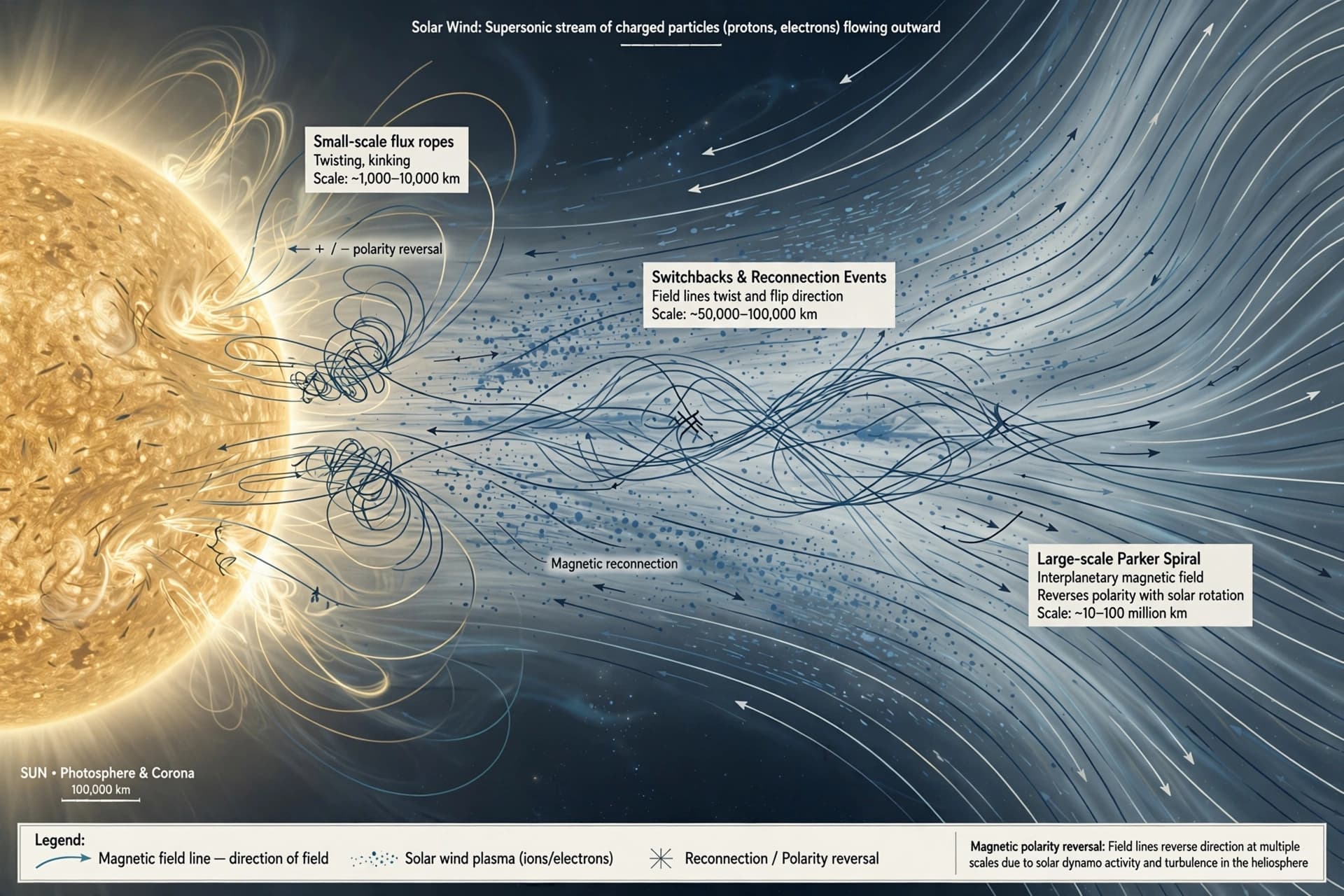
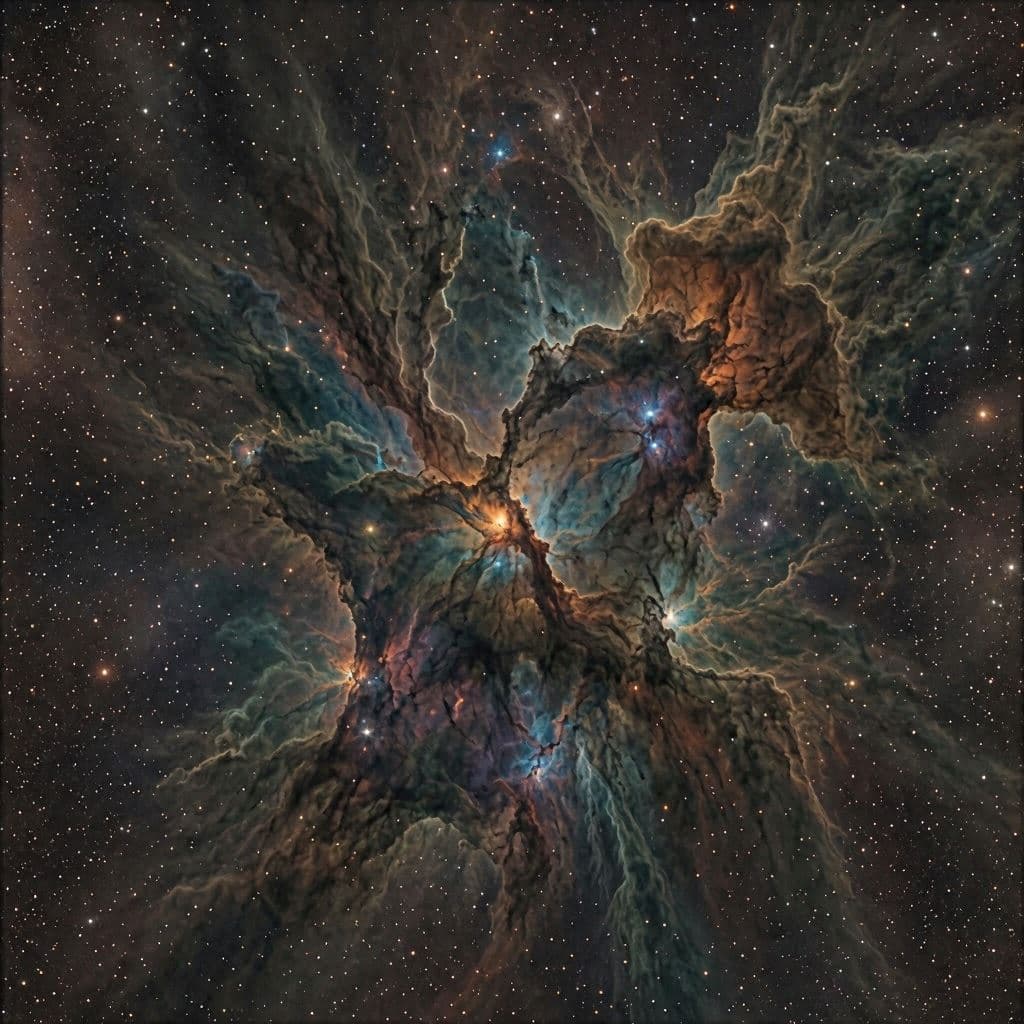
AI Image Disclaimer: The illustrations accompanying this article were generated using artificial intelligence to represent the scientific discovery and are not actual telescope images.
Sources (verified):
Nature Astronomy Nature Associated Press NASA Space.com
Published by Banx Network. This article is part of the Banx decentralized media programme, powered by the BXE token on the XRP Ledger.