Lunar Ambitions Continue to Be Shaped by International Partnerships
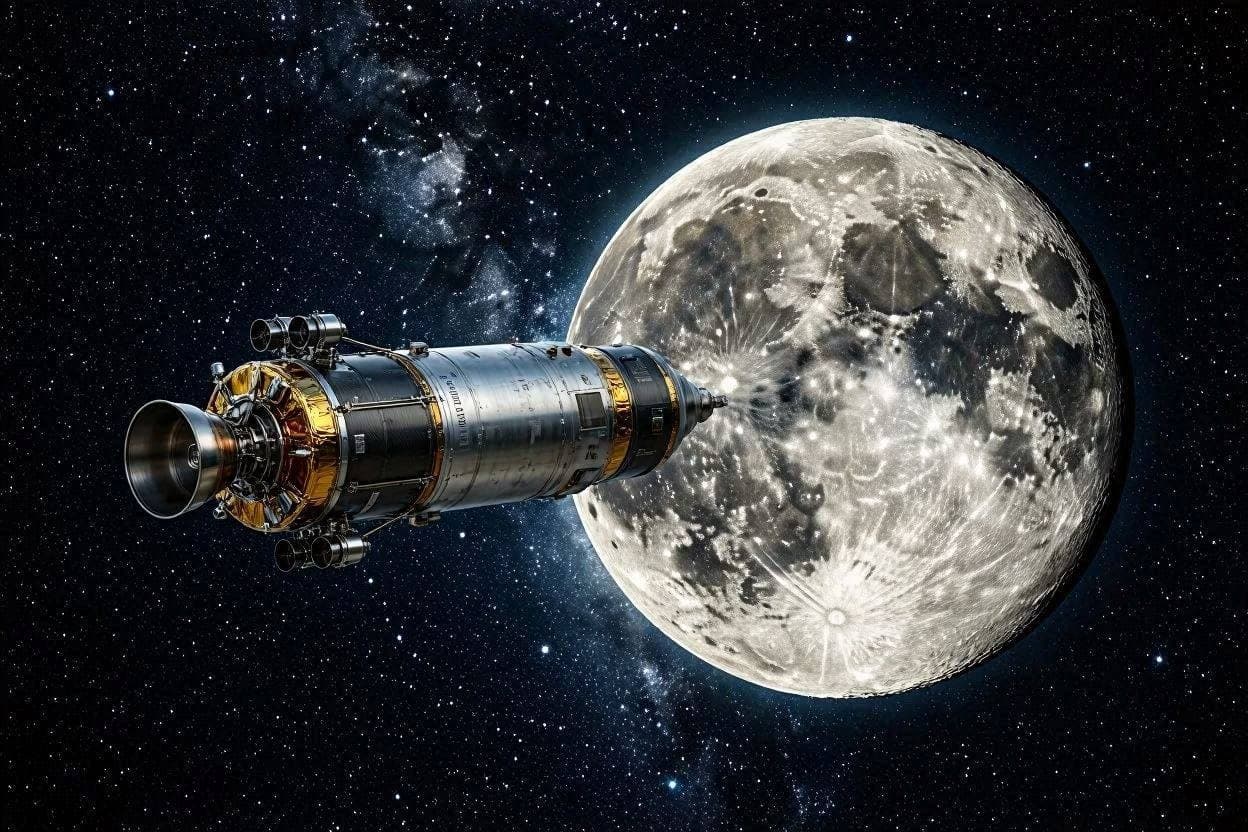
ESA astronaut participation in Artemis III is reportedly part of broader negotiations regarding international roles within the Artemis lunar exploration program.

ESA astronaut participation in Artemis III is reportedly part of broader negotiations regarding international roles within the Artemis lunar exploration program.

Scientists estimate that fungal networks extend for roughly 68 quadrillion miles underground, highlighting their crucial role in Earth's ecosystems.

Officials launched testing and decontamination efforts at San Quentin after a possible hantavirus case prompted a public health investigation.

Scientists have identified new details behind the Venus flytrap's rapid snapping mechanism, revealing a sophisticated combination of signaling and stored energy.

Researchers are studying whether satellite reentries are altering the upper atmosphere, creating unintended environmental effects that warrant further investigation.

Mercury, Venus, and Jupiter will appear together in the evening sky during a five-night planetary parade visible under favorable viewing conditions.

A new analysis supports continued cosmic acceleration and challenges recent claims that the universe's expansion may be slowing down.

Researchers found that AI can uncover physical laws, but the difficulty of understanding its reasoning raises new questions for scientific research.

NOAA's new satellite is expected to improve aurora forecasts and strengthen space weather monitoring for both scientists and the public.

Researchers studying ancient squirrel droppings uncovered surprising evidence that sheds new light on historical ecosystems and environmental change.

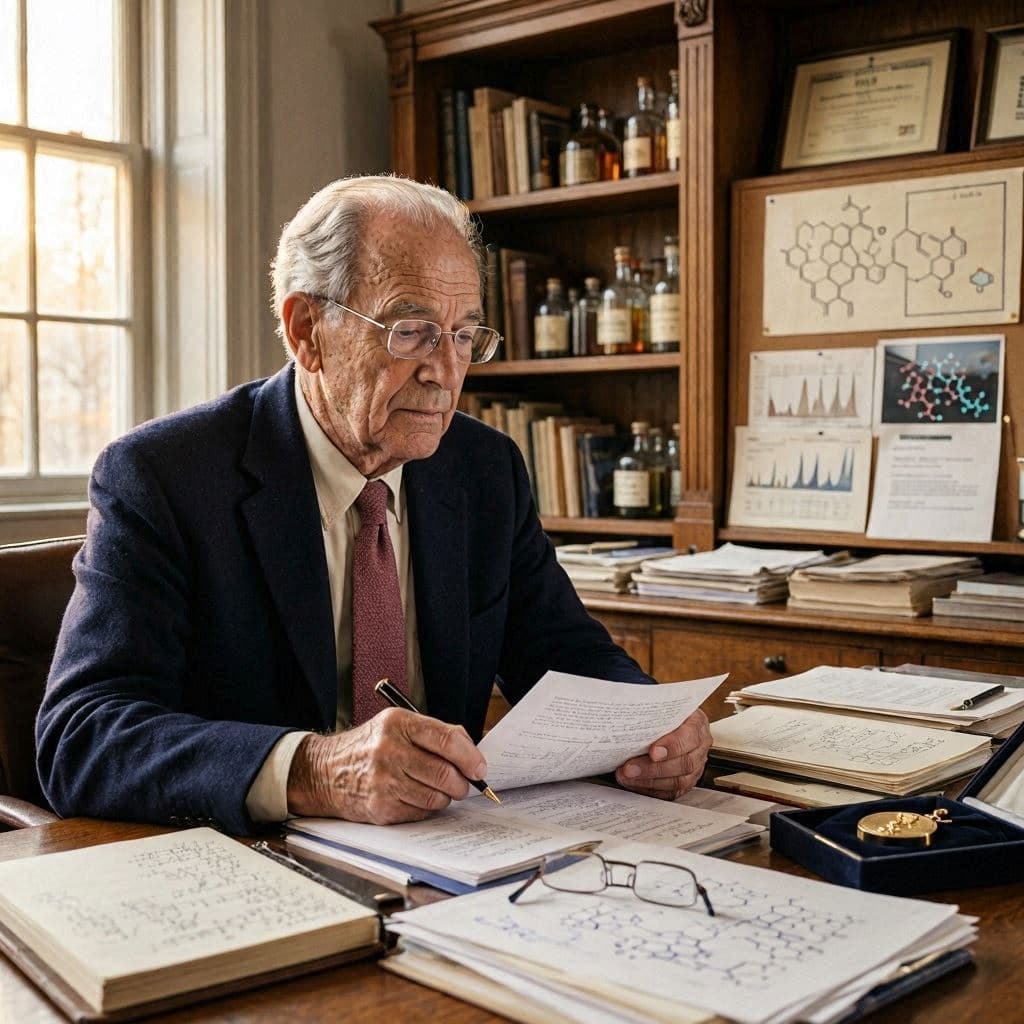
The 2026 Kavli Prize in Astrophysics recognizes pioneering researchers whose work in galactic archaeology transformed understanding of galaxy formation and evolution.

Scientists argue that high-resolution infrared spectroscopy would significantly enhance the Habitable Worlds Observatory's ability to study potentially habitable exoplanets.

Astronomers working in Chile's Atacama Desert conduct cutting-edge research from remote observatories known for their dramatic setting and advanced technology.

NASA reports that its Deep Space Network performed effectively for Artemis II preparations despite increasing operational demands and aging infrastructure.

Scientists have identified a vast hidden structure beneath East Antarctica, offering new insights into the continent's ancient geology and ice-sheet dynamics.

Researchers identified a hidden contributor to cellular aging and demonstrated that some aging-related effects can be reversed under laboratory conditions.

James Webb observations suggest an exoplanet experiences dramatically different twilight conditions, offering new insight into atmospheric diversity beyond Earth.

An astronaut aboard the International Space Station captured striking views of Mount Etna and Mount Vesuvius, offering scientific and visual insights into Italy's volcanic landscape.

A rare Sahara meteorite may have originated from a lost protoplanet, offering new clues about planetary formation in the early solar system.

Scientists discovered that electron matter waves can rapidly reverse handedness through ultrafast torque, providing new insight into quantum behavior.

A compact rover inspired by Japanese transforming toys successfully explored the Moon, demonstrating how innovative design can support future autonomous space missions.

Researchers propose mathematical alternatives that challenge aspects of standard cosmology and question whether dark energy is the only explanation for cosmic expansion.

Theoretical research suggests certain spacetime crystal models may evolve toward black hole formation, linking exotic spacetime structures with gravitational physics.

Archaeologists discovered evidence of prehistoric copper processing in a high-altitude Pyrenean cave, revealing organized mining activities dating back more than 4,000 years.