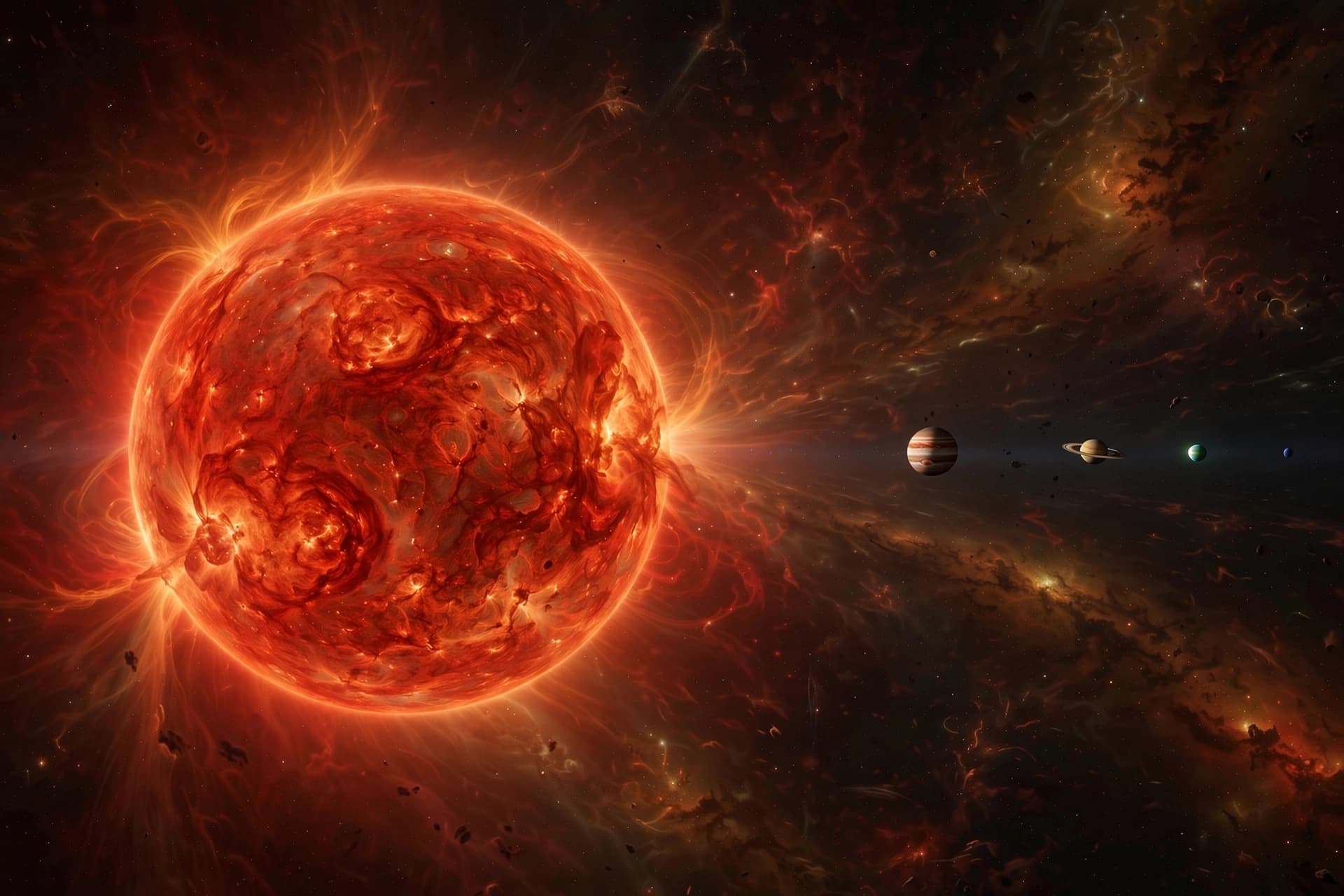
In the annals of space exploration, few missions capture the imagination like the Voyager Grand Tour. Utilizing a rare planetary alignment, these probes visited Jupiter, Saturn, Uranus, and finally Neptune, revealing worlds that were previously mere dots of light. The journey to Neptune, the eighth planet, was particularly challenging, involving complex gravitational assists and precise navigation. This feat is often compared to solving a celestial version of the "Three-Body Problem," a mathematical challenge describing the motion of three gravitationally interacting bodies. It invites reflection on the power of human intellect to decode the cosmos, the elegance of orbital mechanics, and the enduring legacy of robotic exploration.
Body: The Three-Body Problem, a classic puzzle in physics, has no general analytical solution. Yet, NASA engineers used numerical methods and computer simulations to plot a trajectory that leveraged the gravity of multiple planets. This "gravity assist" technique allowed Voyager 2 to slingshot from one planet to the next, gaining speed without using fuel. It was a dance with gravity, requiring perfect timing and calculation. The success of this mission demonstrated the practical application of theoretical physics.
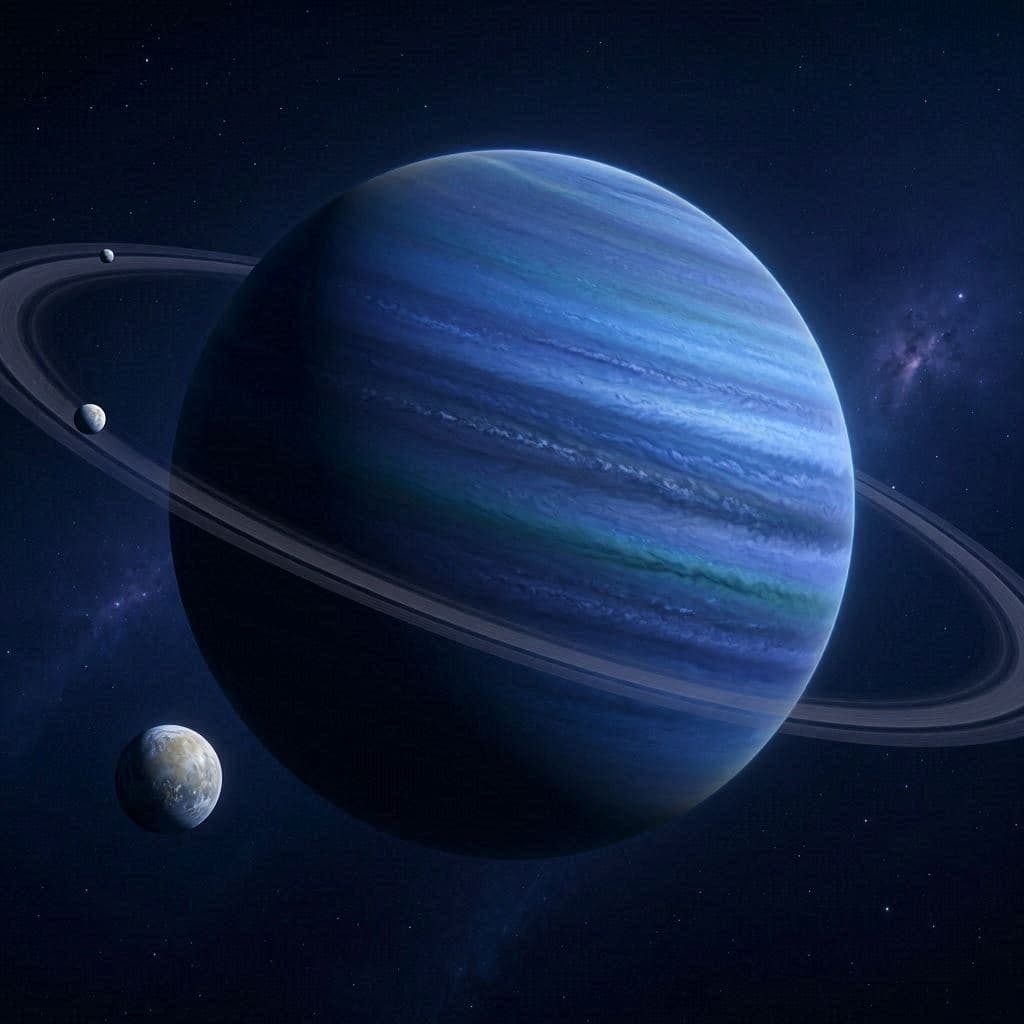
Neptune, the final stop on the Grand Tour, was a world of surprises. Voyager 2 revealed active geysers, strong winds, and a dynamic atmosphere. The discovery of the Great Dark Spot, a storm similar to Jupiter’s Great Red Spot, showed that Neptune was far more active than expected. These findings reshaped our understanding of ice giants, highlighting their complexity and energy. It was a revelation that changed textbooks.
The journey took twelve years to reach Neptune, a testament to patience and long-term planning. In an era of instant gratification, the Grand Tour reminds us that great achievements require time and persistence. The scientists and engineers who worked on the mission dedicated their careers to a goal they would not see realized for decades. It is a story of intergenerational commitment.
Technological limitations of the 1970s and 80s made the mission even more impressive. Computers had a fraction of the power available today, yet they calculated trajectories with remarkable accuracy. This ingenuity under constraint is a hallmark of the space age. It shows that creativity and skill can overcome hardware limitations. The human mind remains the most powerful tool in exploration.
The data returned from Neptune continues to be analyzed today. New techniques allow scientists to extract more information from old datasets. This ongoing discovery process extends the value of the mission indefinitely. It suggests that exploration is not a one-time event but a continuous dialogue with the data. We are still learning from Voyager’s gifts.
Comparing the Grand Tour to the Three-Body Problem highlights the intersection of art and science. Solving the trajectory required both rigorous math and intuitive insight. It was a creative act, akin to composing a symphony. The resulting path was elegant and efficient, a beautiful solution to a difficult problem. Science, at its best, is aesthetically pleasing.
Public interest in Neptune has grown since the flyby. Images of its blue hue and rings have become iconic. They inspire curiosity about the outer solar system and the potential for future missions. The Grand Tour laid the groundwork for this enduring fascination. It opened a window to the distant reaches of our cosmic neighborhood.
Closing: In the end, the journey to Neptune is a triumph of human ingenuity and perseverance. It demonstrates our ability to navigate the complexities of the solar system. As we look to future explorations of the ice giants, the hope is that we will carry forward the spirit of curiosity and precision that defined the Grand Tour.
AI Image Disclaimer: Visuals accompanying this text are AI-generated conceptualizations intended to depict the themes of orbital mechanics and planetary exploration.
Sources: NASA Voyager Mission Page Planetary Society Physics Today
Published by Banx Network. This article is part of the Banx decentralized media programme, powered by the BXE token on the XRP Ledger.