
Key Highlights
- Event:The Perseid meteor shower peaks on August 12-13.
- Duration:Active from July 17 to August 24.
- Viewing Conditions:Best seen in dark-sky locations away from city lights.
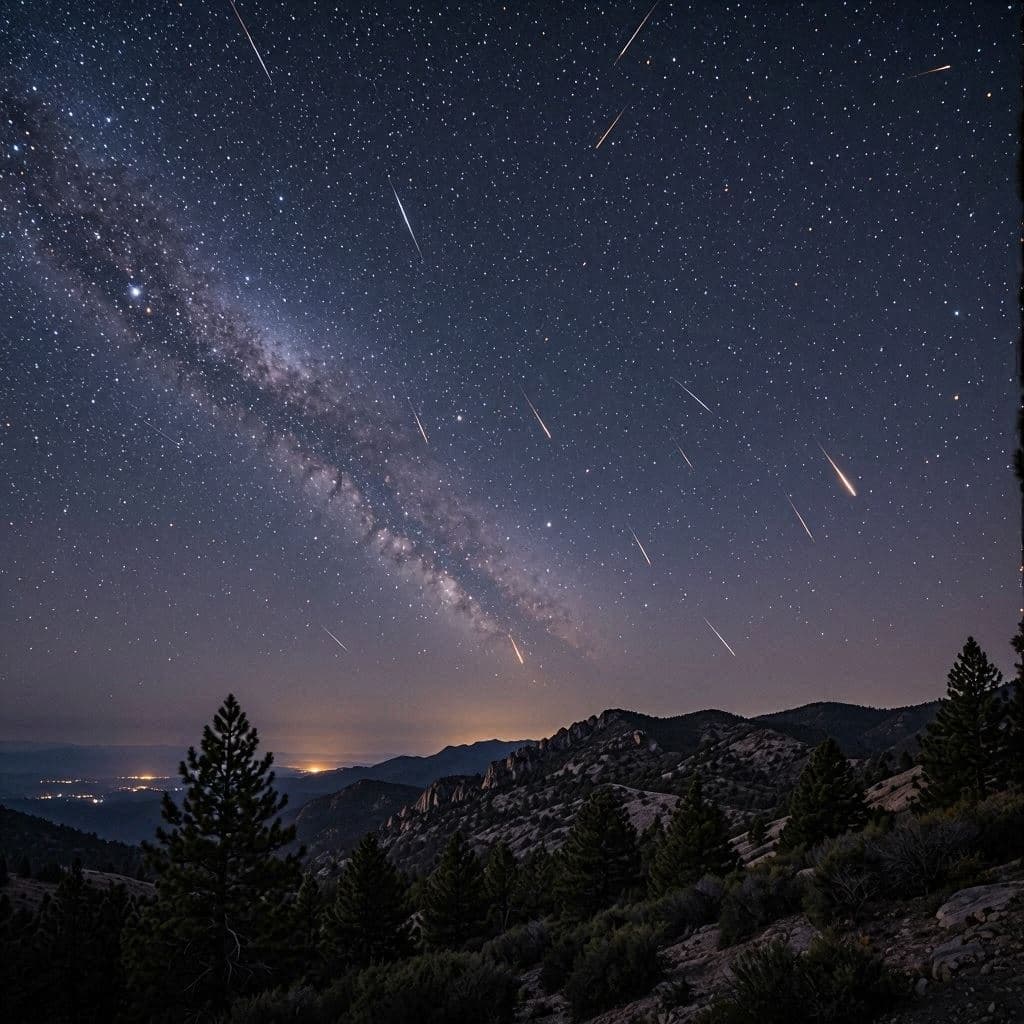
The transition from day to night brings a spectacular celestial event as the annual Perseid meteor shower becomes active. This year, the shower will run from July 17 through August 24, with its peak expected on the nights of August 12 and 13. The new moon during this period will create ideal dark conditions for viewing, allowing stargazers to witness dozens of meteors per hour under optimal circumstances.
The Perseids are a result of Earth passing through debris left by Comet 109P/Swift-Tuttle. As these tiny particles enter the atmosphere at speeds nearing 37 miles per second, they ignite due to friction, creating the bright streaks of light known as shooting stars. This natural phenomenon captivates both seasoned astronomers and casual observers alike, offering a chance to connect with the cosmos.
For those in California, weather conditions will vary across regions during the initial nights of the shower. Coastal areas, particularly in the San Francisco Bay Area, may face increasing marine fog that could obstruct views after sunset. In contrast, higher elevations such as Mount Tamalpais may initially provide clearer skies before cloud cover develops. Inland areas, including Mount Diablo and Livermore, are expected to have better visibility due to clearer skies and reduced light pollution.
Astronomers recommend seeking out locations far from city lights for the best viewing experience. Dark-sky sites, including remote deserts and mountain areas, typically offer optimal conditions for observing the meteor shower. To enhance visibility, observers should allow their eyes to adjust to the darkness for about 20 minutes and avoid looking at bright screens, which can hinder night vision.
Unlike many astronomical events, the Perseids do not require telescopes or binoculars. Observers need only an unobstructed view of the sky, ideally after midnight when the constellation Perseus rises higher in the sky. Although meteors appear to radiate from Perseus, they can be seen streaking across any part of the night sky.
This year's peak viewing conditions are particularly favorable due to the new moon, which minimizes moonlight interference. This absence of light allows fainter meteors to be visible, increasing the likelihood of witnessing the shower's bright fireballs. However, local weather conditions will ultimately determine visibility across California.
As the Perseids embark on their annual journey across the night sky, they present a unique opportunity for both experienced astronomers and first-time viewers to engage with one of nature's most enduring celestial traditions. With favorable weather and dark skies, the upcoming weeks promise to deliver memorable stargazing experiences across California and beyond.
Published by Banx Network. This article is part of the Banx decentralized media programme, powered by the BXE token on the XRP Ledger.



