
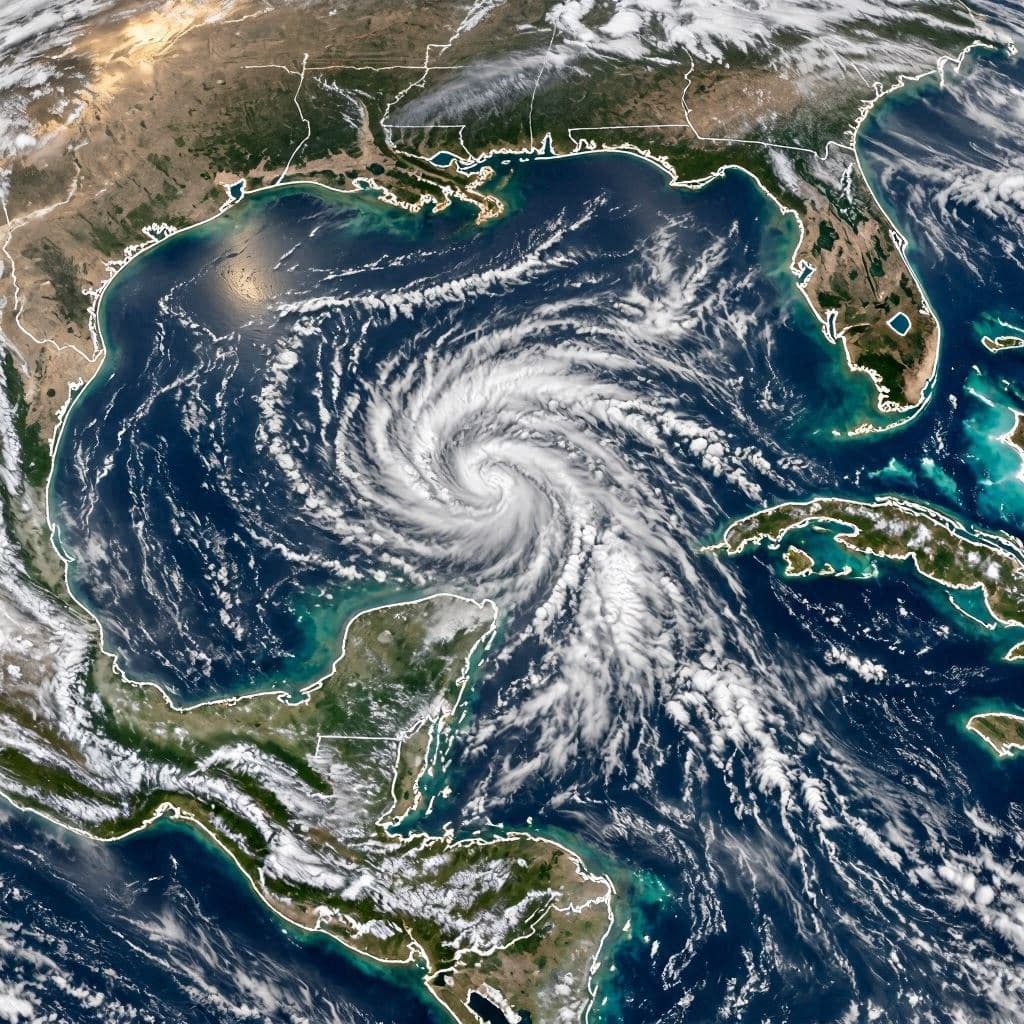
Across the Gulf of Mexico, where warm waters meet shifting winds, the atmosphere continues its timeless dance between calm and change. The formation of a tropical depression is a reminder of how closely coastal communities remain connected to the rhythms of nature, watching the skies while preparing for whatever conditions may follow.
The National Hurricane Center reported the development of a tropical depression in the Gulf, marking another moment in the seasonal cycle of tropical weather activity. While tropical depressions are among the earliest stages of organized tropical systems, their evolution is carefully monitored because conditions can change over time.
A tropical depression forms when a group of thunderstorms begins to organize around a low-pressure area, creating a circulation pattern with sustained winds below tropical storm strength. Meteorologists observe these systems closely because warm ocean temperatures, atmospheric moisture, and wind patterns can influence their future development.
Weather agencies use a combination of satellite imagery, aircraft observations, computer models, and surface measurements to track tropical systems. These tools provide communities with valuable information as forecasters assess potential movement, rainfall patterns, and possible impacts.
For people living along the Gulf Coast, storm updates are part of a familiar seasonal routine. Coastal regions have long adapted to the possibility of tropical weather, with emergency plans, public alerts, and preparedness efforts serving as important parts of community resilience.
Even systems that remain relatively weak can bring significant rainfall, coastal flooding risks, or periods of strong winds depending on their path and local conditions. Forecast information helps residents, businesses, and local officials make decisions based on the latest scientific assessments.
The formation of a tropical depression also highlights the importance of continued investment in weather monitoring. Behind every forecast are teams of scientists and meteorologists working to better understand complex atmospheric systems and communicate information clearly to the public.
As the Gulf continues its seasonal transition, the tropical depression serves as another chapter in the ongoing conversation between people and the environment. Careful observation and timely preparation remain essential as communities navigate the changing patterns of weather.
The National Hurricane Center and other weather organizations will continue tracking the system and providing updates as new information becomes available. For those near the Gulf, awareness and preparedness remain steady companions during hurricane season.
AI Image Disclaimer: The images accompanying this article are AI-generated illustrations created to represent the weather event and may not show the exact location or real-time conditions.
Sources:
National Hurricane Center National Weather Service NOAA Associated Press
Published by Banx Network. This article is part of the Banx decentralized media programme, powered by the BXE token on the XRP Ledger.



