One World Carried Two Different Evenings Across Its Sky
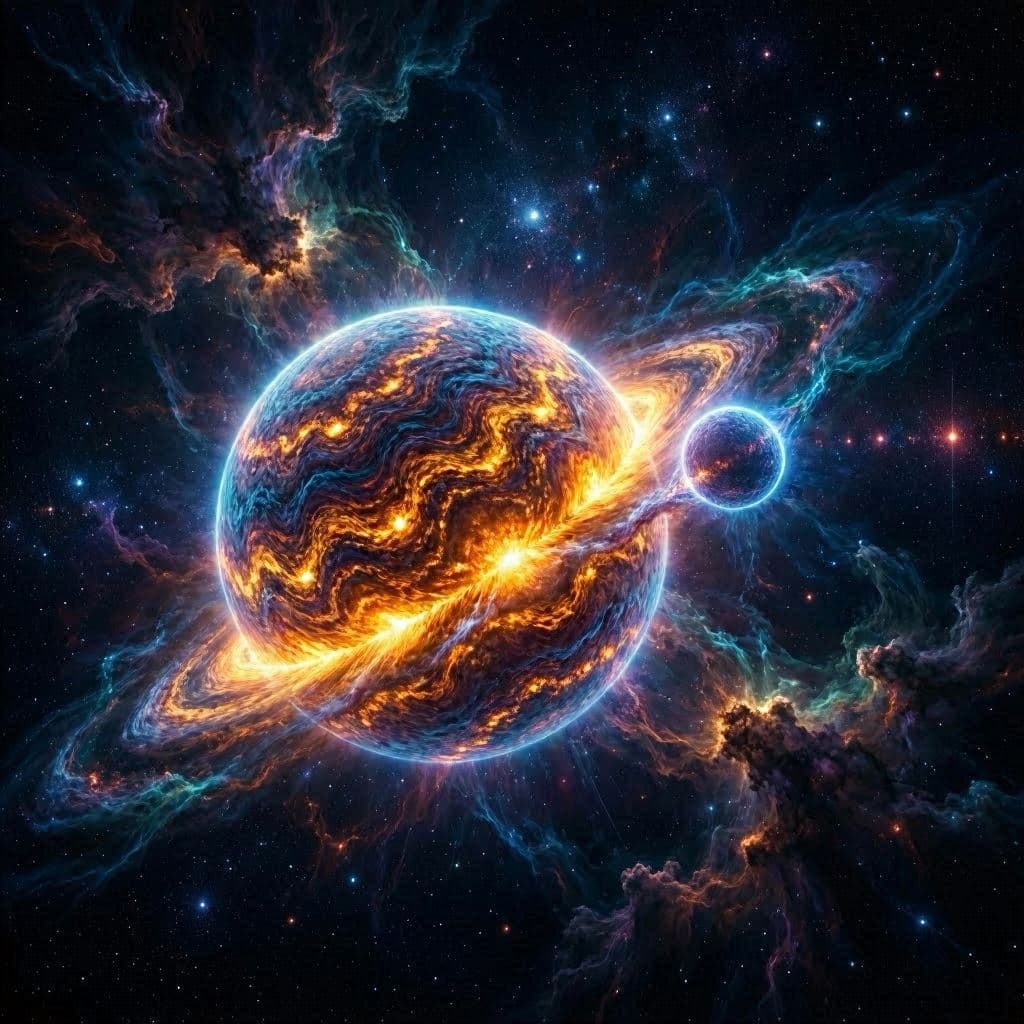
James Webb observations suggest an exoplanet experiences dramatically different twilight conditions, offering new insight into atmospheric diversity beyond Earth.

James Webb observations suggest an exoplanet experiences dramatically different twilight conditions, offering new insight into atmospheric diversity beyond Earth.

An astronaut aboard the International Space Station captured striking views of Mount Etna and Mount Vesuvius, offering scientific and visual insights into Italy's volcanic landscape.

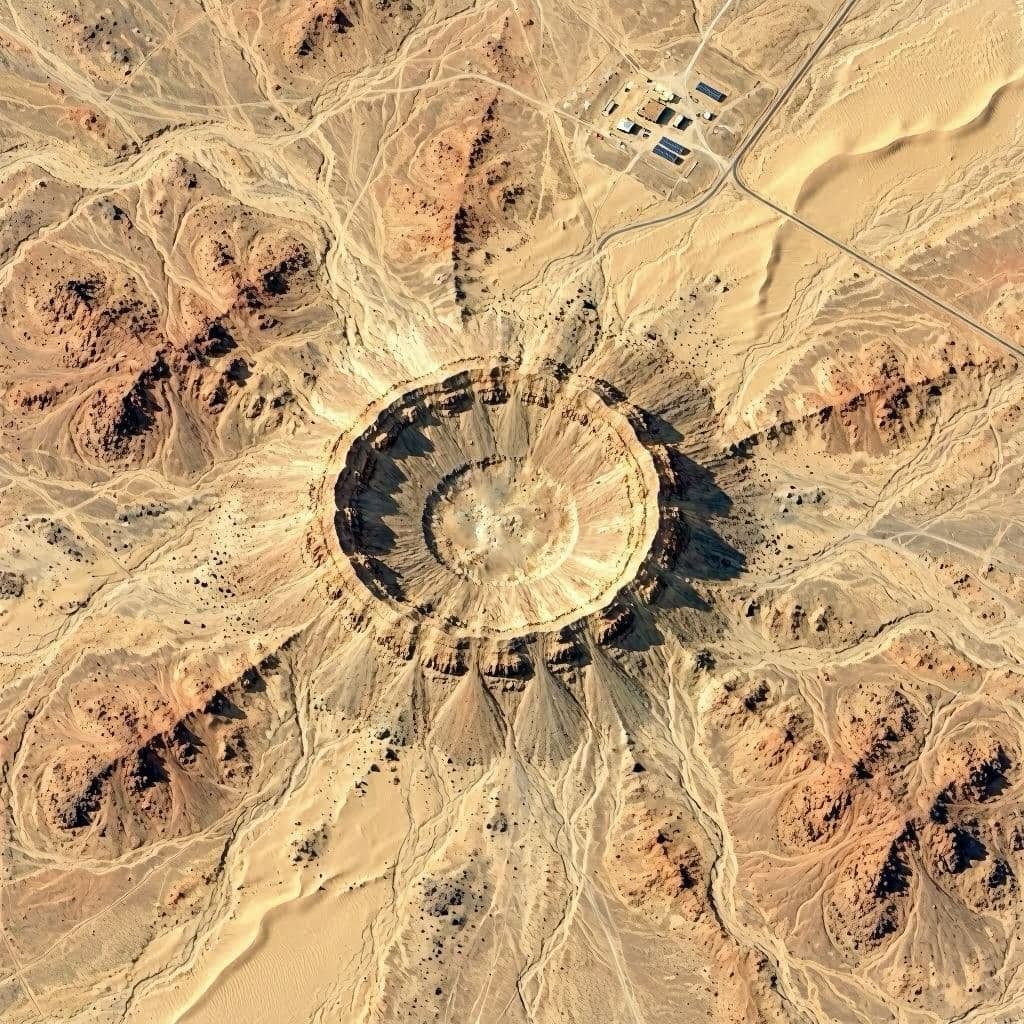
A rare Sahara meteorite may have originated from a lost protoplanet, offering new clues about planetary formation in the early solar system.

Scientists discovered that electron matter waves can rapidly reverse handedness through ultrafast torque, providing new insight into quantum behavior.

A compact rover inspired by Japanese transforming toys successfully explored the Moon, demonstrating how innovative design can support future autonomous space missions.

Researchers propose mathematical alternatives that challenge aspects of standard cosmology and question whether dark energy is the only explanation for cosmic expansion.

Theoretical research suggests certain spacetime crystal models may evolve toward black hole formation, linking exotic spacetime structures with gravitational physics.

Archaeologists discovered evidence of prehistoric copper processing in a high-altitude Pyrenean cave, revealing organized mining activities dating back more than 4,000 years.

New astronomical findings are challenging aspects of the Planet Nine hypothesis while keeping the debate active among researchers.

Researchers have identified a new biological mechanism linked to Alzheimer's disease and developed an experimental compound targeting the process.

Airlines and aviation authorities across the Middle East are adapting operations to address emerging challenges affecting regional air travel.

Universities, governments, and technology companies are expanding international AI partnerships while competition in the sector continues to intensify.

A new study by David Kipping suggests that proving extraterrestrial life may be statistically far more difficult than many scientists previously assumed.

The famous claim that space tastes like raspberries stems from the detection of one molecule in a single Milky Way dust cloud, revealing a deeper story about cosmic chemistry.

Astronomers have documented an unusually faint supernova shock breakout, offering new insights into stellar evolution.

Canadian researchers are adjusting to changing funding conditions through collaboration and diversified support.

Scientists continue discussing how emissions scenarios should be interpreted to support climate research and planning.

Australian researchers are set to benefit from expanded access to a major European innovation funding program.

Scientists have identified what may be the world's largest whale graveyard off Western Australia.

New advances in Parkinson's diagnosis and medical technology highlight ongoing progress in neuroscience and patient care.

Scientists have proposed a new theory suggesting mineral nanoparticles may have helped initiate the earliest forms of life.

Researchers have identified a cellular mechanism that could improve understanding of aging and future medical research.

Researchers have transformed tofu and cheese waste into materials that could help capture carbon dioxide and support environmental goals.

Researchers believe artificial intelligence could help accelerate discoveries in physics by analyzing complex scientific data.