

Key Highlights
- Event Date:The total solar eclipse will occur on August 12, 2026.
- Viewing Safety:Proper eye protection is essential to prevent eye damage.
- Alternative Methods:Pinhole projectors offer a safe way to view the eclipse indirectly.
On August 12, 2026, a total solar eclipse will captivate millions across Europe and parts of North America, transforming day into night and revealing the sun's corona in a breathtaking display. While this celestial event is a spectacle to behold, it comes with significant risks if proper safety measures are not observed. Looking directly at the sun, even when partially obscured, can lead to irreversible eye damage, making it crucial for viewers to prioritize eye safety.
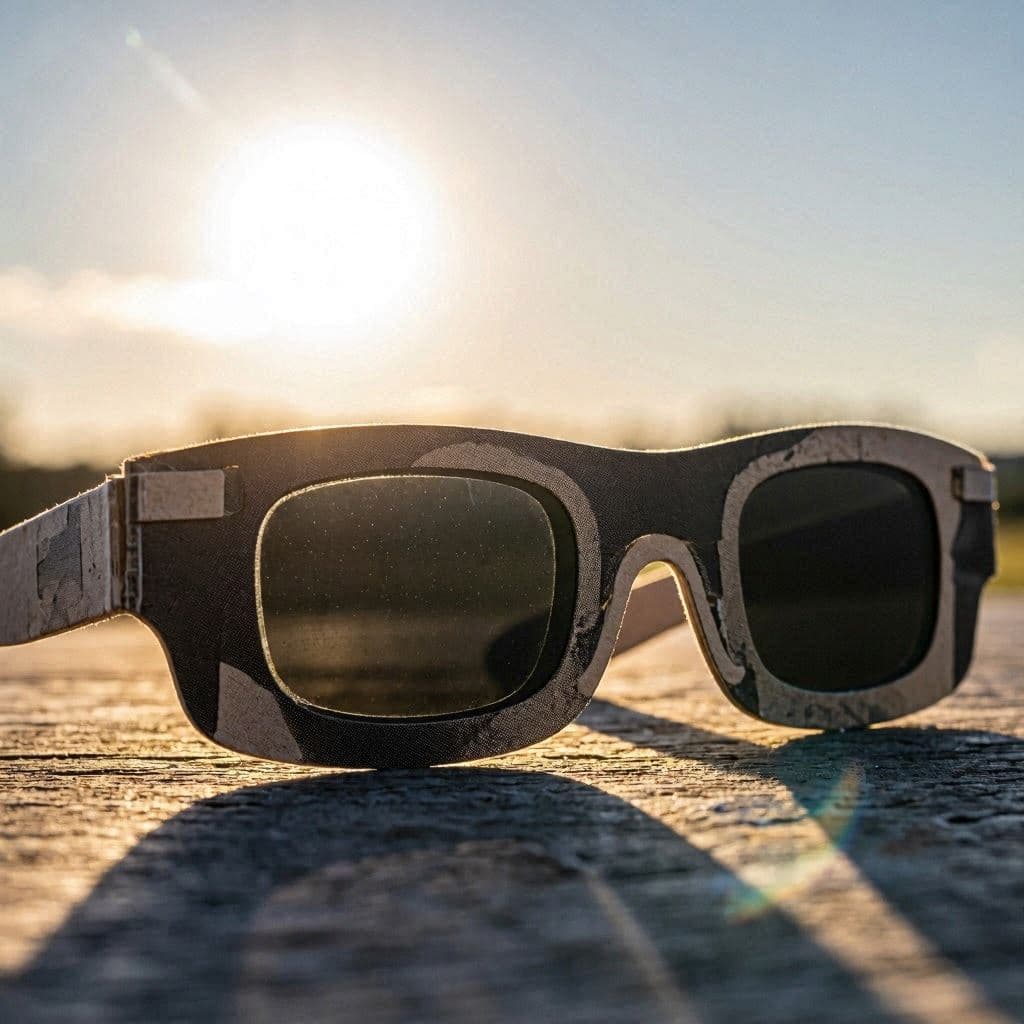
The fundamental rule for safely viewing an eclipse is straightforward: never look directly at the sun without appropriate eye protection. Standard sunglasses, regardless of their darkness, do not provide adequate protection. Only ISO-certified solar viewers or eclipse glasses that block 99.99% of sunlight are deemed safe for direct viewing. These specialized filters reduce the sun's intensity to a level that is comfortable for the eyes, allowing observers to safely enjoy the partial phases of the eclipse.
During the totality phase, when the moon completely obscures the sun, it is safe to look at the eclipse with the naked eye. This moment, which lasts only a few minutes depending on the observer's location, is the highlight of the event. However, as soon as the first rays of sunlight re-emerge, viewers must immediately don their eclipse glasses again. Timing is critical, and many eclipse watchers utilize timers or mobile apps to keep track of the phases accurately.
For those seeking alternative viewing methods, pinhole projectors present a safe and engaging option. By projecting an image of the sun onto a surface, viewers can observe the eclipse's progression without direct exposure to sunlight. This method is particularly suitable for children and groups, allowing multiple individuals to enjoy the event simultaneously. Simple materials such as cardboard boxes or paper plates can be fashioned into effective projectors.
It is also vital to avoid using optical devices like cameras, telescopes, or binoculars without proper solar filters. Looking through these devices at the sun can concentrate its rays, leading to immediate and severe eye injuries. Specialized solar filters must be affixed to the front of any optical equipment to ensure safety. Manufacturers typically provide specific guidelines for eclipse photography, which should be adhered to rigorously.
Parents and educators play a crucial role in promoting safe viewing practices. By teaching children about the risks and demonstrating proper techniques, they can prevent accidents and inspire a lasting interest in astronomy. Schools and community centers often organize viewing events, providing certified glasses and expert guidance. These gatherings not only enhance safety but also foster a sense of community during the eclipse.
Weather conditions can significantly affect visibility, making it essential to check local forecasts. Cloud cover may obscure the view, but it does not diminish the danger of looking at the sun. Even on overcast days, harmful UV rays can penetrate, so protective measures should remain in place. Patience and preparation are key to maximizing enjoyment of the event, regardless of weather conditions.
The total solar eclipse on August 12, 2026, promises to be an unforgettable experience for many. By prioritizing eye safety and employing proper viewing methods, everyone can relish this natural wonder without regret. Let the darkness of totality be a moment of awe and wonder, not a cause for concern.
Published by Banx Network. This article is part of the Banx decentralized media programme, powered by the BXE token on the XRP Ledger.




