Like pages preserved within layers of ancient stone, the Earth's history occasionally opens to reveal stories that have remained silent for millions of years. In northeastern Thailand, a collection of fossilized bones has given scientists another remarkable chapter to read, introducing a colossal dinosaur whose immense size reshapes the prehistoric portrait of Southeast Asia. Rather than rewriting history overnight, the discovery gently enriches it, reminding us that even familiar landscapes may still hold extraordinary secrets.
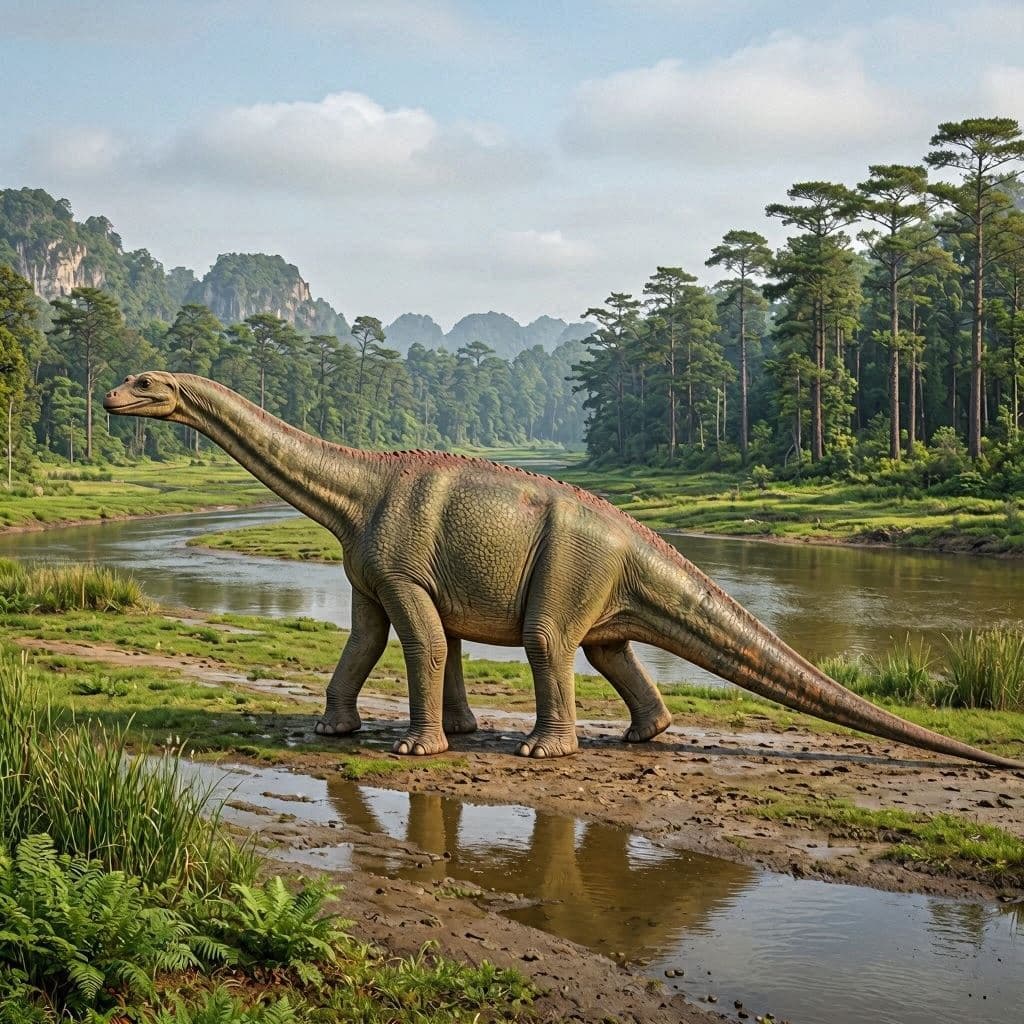
The newly identified dinosaur, Nagatitan chaiyaphumensis, lived approximately 113 million years ago during the Early Cretaceous Period. Researchers estimate that the giant herbivore measured about 27 meters (89 feet) in length and weighed between 25 and 28 metric tons, making it the largest dinosaur yet discovered in Southeast Asia. Its estimated mass also exceeds that of the famous Diplodocus carnegii, commonly known as "Dippy," although it remained smaller than some of the largest titanosaurs found in South America.
The discovery originated from fossils first noticed nearly a decade ago near a pond in Thailand's Chaiyaphum Province. Over years of careful excavation and analysis, paleontologists recovered vertebrae, ribs, pelvic bones, and a remarkably large upper forelimb bone measuring about 1.78 meters. These skeletal remains provided enough distinctive anatomical features for researchers to classify the animal as an entirely new species.
Scientists named the dinosaur Nagatitan chaiyaphumensis, combining "Naga," the mythical serpent found in Southeast Asian traditions, with "Titan," a reference to its enormous size. The species name honors Chaiyaphum Province, where the fossils were uncovered. According to the research team, it represents the fourteenth dinosaur species formally named from Thailand, further highlighting the country's growing importance in global paleontological research.
The dinosaur belonged to the sauropods, a group of long-necked, long-tailed herbivores that were among the largest animals ever to walk on land. Based on comparisons with related species, researchers believe Nagatitan browsed large quantities of vegetation such as conifers and seed ferns. Its tremendous body size likely provided protection from most predators that inhabited the region's ancient river plains and forests.
Beyond the impressive measurements, the discovery carries broader scientific significance. The fossil comes from Thailand's youngest dinosaur-bearing rock formation, offering valuable insight into the final stages of giant sauropod evolution in Southeast Asia. Researchers also suggest that warmer global climates and expanding habitats during the Early Cretaceous may have contributed to the evolution of increasingly massive plant-eating dinosaurs across Asia.
The study reflects years of collaboration among Thai researchers, international universities, museums, and local communities. It also illustrates how even fragmentary fossil remains can reveal new branches of the dinosaur family tree when examined with modern scientific techniques. Each recovered bone becomes part of a larger narrative describing ancient ecosystems that flourished long before humans appeared.
While Nagatitan chaiyaphumensis will never roam the forests of Southeast Asia again, its discovery broadens scientists' understanding of dinosaur diversity and evolution in the region. As paleontologists continue exploring Thailand's fossil-rich formations, this remarkable giant stands as a reminder that Earth's oldest stories are often uncovered one carefully preserved bone at a time.
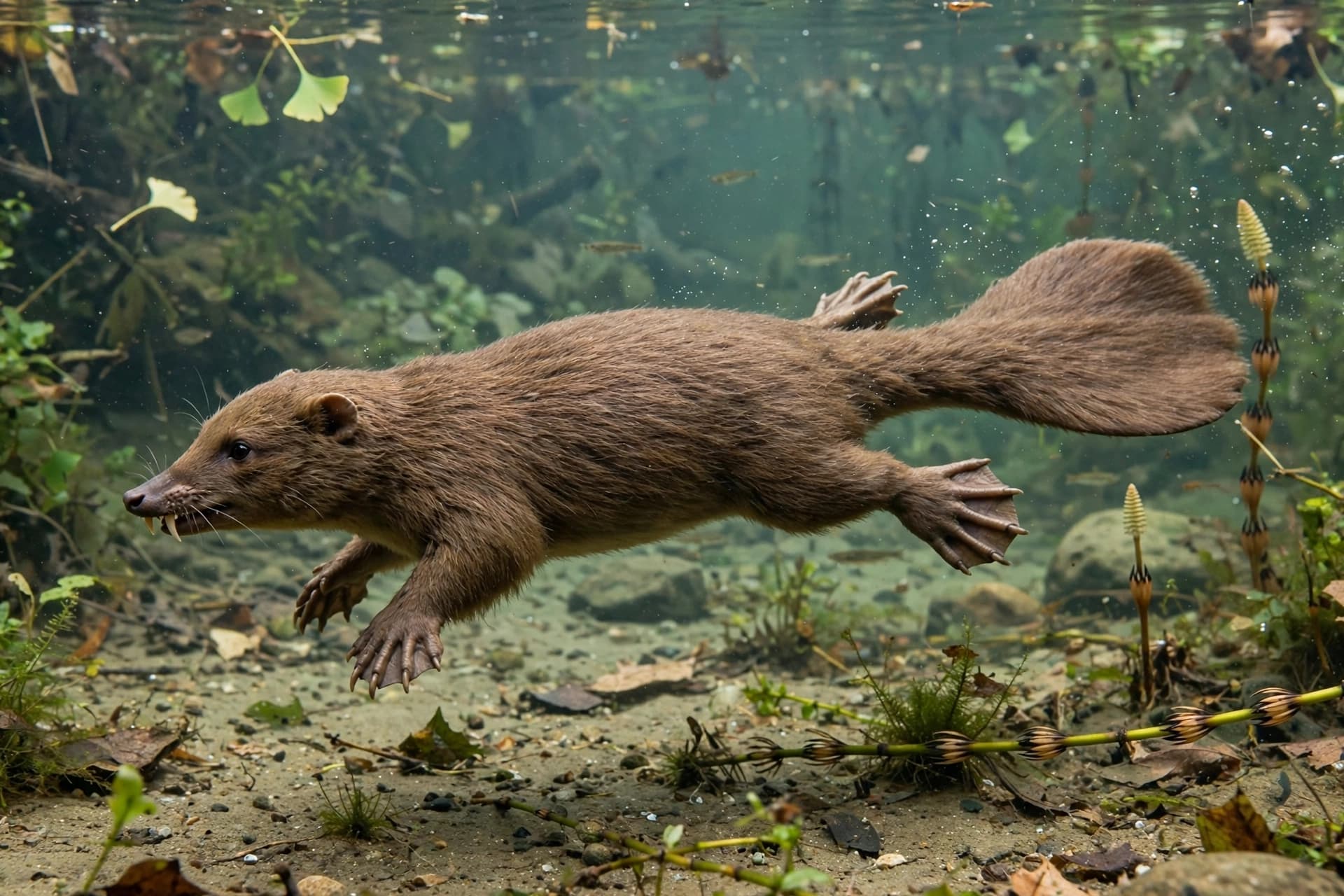
AI Image Disclaimer: The accompanying illustrations are AI-generated visual interpretations inspired by scientific findings and are intended for educational purposes rather than representing actual fossil excavation photographs.
Sources (Verified):
Scientific Reports University College London (UCL) Reuters National Geographic Thailand Department of Mineral Resources
Published by Banx Network. This article is part of the Banx decentralized media programme, powered by the BXE token on the XRP Ledger.