August has always been a month of transition, marking the slow shift from summer’s peak to autumn’s approach. In 2026, the sky offers two celestial spectacles that invite us to pause and look up: a partial solar eclipse and a partial lunar eclipse. These events, though not total, provide a captivating display of the cosmic dance between Earth, Moon, and Sun. They remind us of the predictable rhythms of the universe, offering moments of wonder in our busy lives.
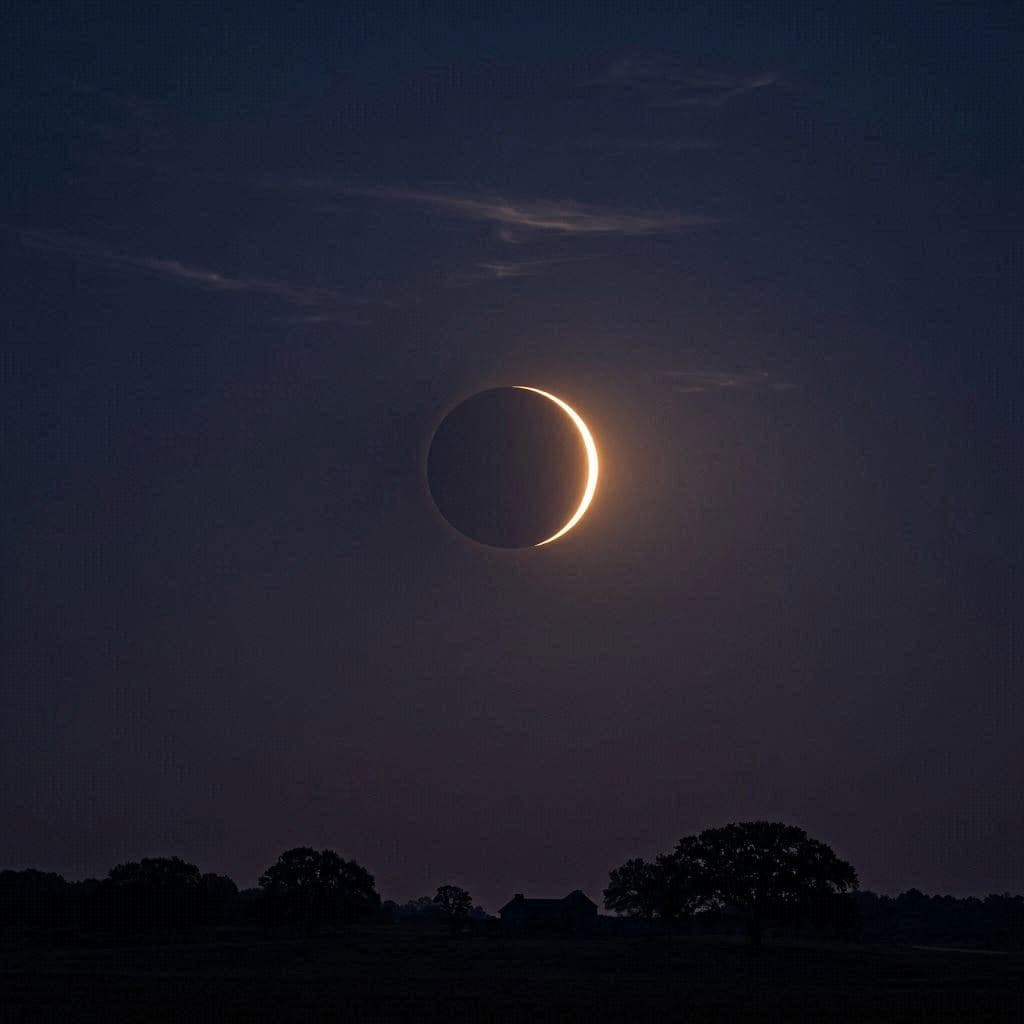
On August 12, a partial solar eclipse will be visible across much of the Northern Hemisphere, including parts of North America, Europe, and Asia. In some regions, such as the UK and Ireland, up to 96% of the Sun will be covered by the Moon, creating a dramatic dimming of daylight. This near-total coverage will cast eerie shadows and lower temperatures, mimicking the effects of a total eclipse without the complete darkness.
Viewing the solar eclipse requires caution. Looking directly at the Sun, even when partially covered, can cause permanent eye damage. Experts recommend using ISO-certified eclipse glasses or indirect viewing methods, such as pinhole projectors. During the brief period of maximum eclipse, the light will soften, offering a unique photographic opportunity for those equipped with proper filters.
Later in the month, on August 27–28, a partial lunar eclipse will grace the night sky. Visible from the Americas, Europe, and Africa, this event will see the Moon pass through Earth’s shadow, taking on a reddish hue in the shaded portion. Unlike solar eclipses, lunar eclipses are safe to view with the naked eye, making them accessible to everyone. The contrast between the bright and dark sections of the Moon creates a striking visual effect.
These eclipses are part of the regular cycle of celestial mechanics, governed by the orbits of Earth and the Moon. Scientists use these events to study the dynamics of the solar system, refining models of orbital motion and gravitational interactions. For amateur astronomers, they provide a chance to observe and document phenomena that have fascinated humans for millennia.
Public interest in eclipses remains high, with many communities organizing viewing parties and educational events. Schools and museums often use these occasions to teach about astronomy, physics, and the history of eclipse observations. The shared experience of watching the sky change fosters a sense of connection and curiosity among participants.
Weather conditions will play a crucial role in visibility. Clear skies are essential for observing both eclipses, so viewers should check local forecasts. Even if clouds obscure the view, the knowledge that these events are happening can still inspire awe. The predictability of eclipses allows for planning, ensuring that enthusiasts can prepare for the best possible experience.
August 2026 offers a double dose of celestial beauty with partial eclipses of the Sun and Moon. Whether viewed through special glasses or with bare eyes, these events invite us to appreciate the grandeur of the cosmos and our place within it.
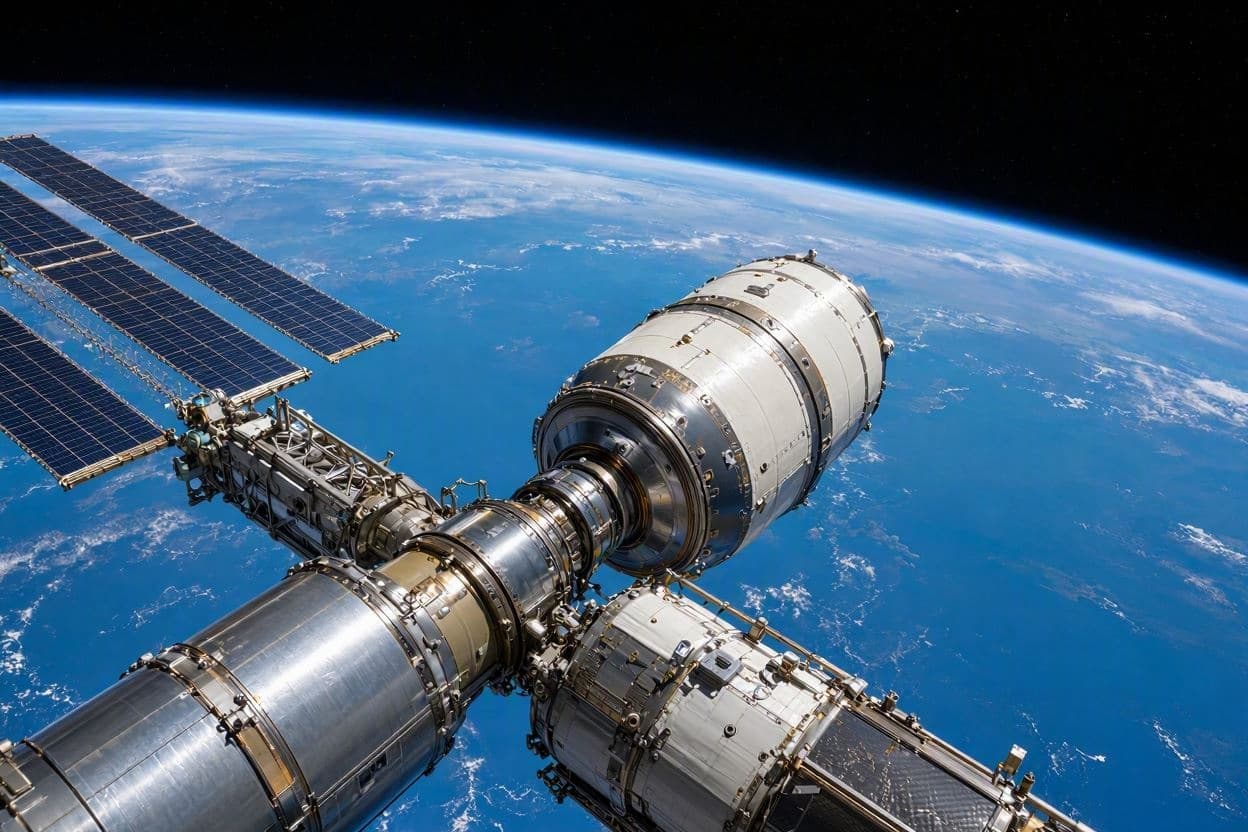
AI Image Disclaimer: The images associated with this article are AI-generated illustrations designed to represent the themes of astronomical events and skywatching.
Sources: Royal Museums Greenwich, NASA, Time and Date, Sky at Night Magazine
Published by Banx Network. This article is part of the Banx decentralized media programme, powered by the BXE token on the XRP Ledger.