SCIENCE96% credibility
SpaceX Capsule Returns to Earth Amid Medical Concerns for Crew
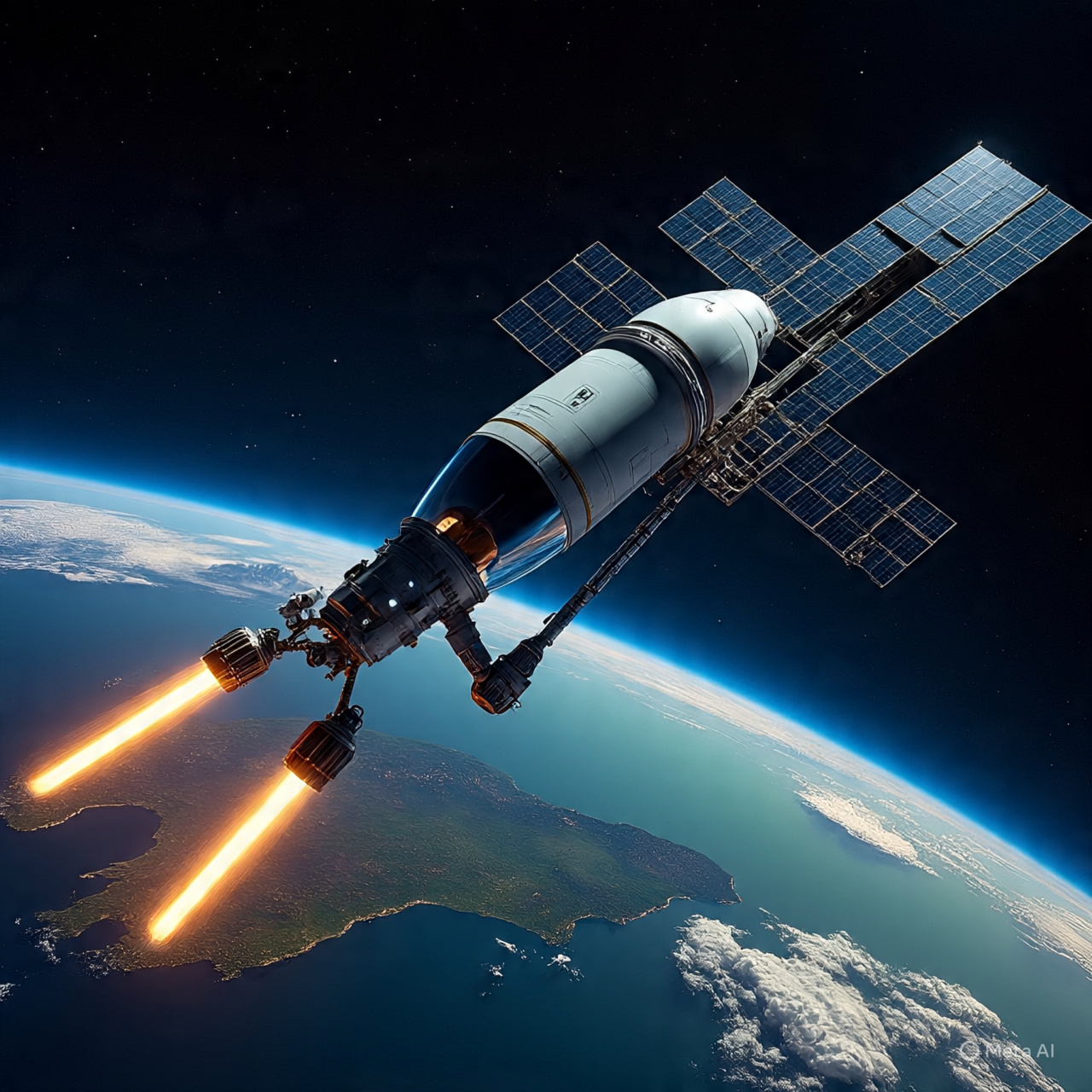
A SpaceX crew capsule returns to Earth after a medical evacuation, marking a significant moment in spaceflight history with a focus on astronaut health.
2 min read

A SpaceX crew capsule returns to Earth after a medical evacuation, marking a significant moment in spaceflight history with a focus on astronaut health.
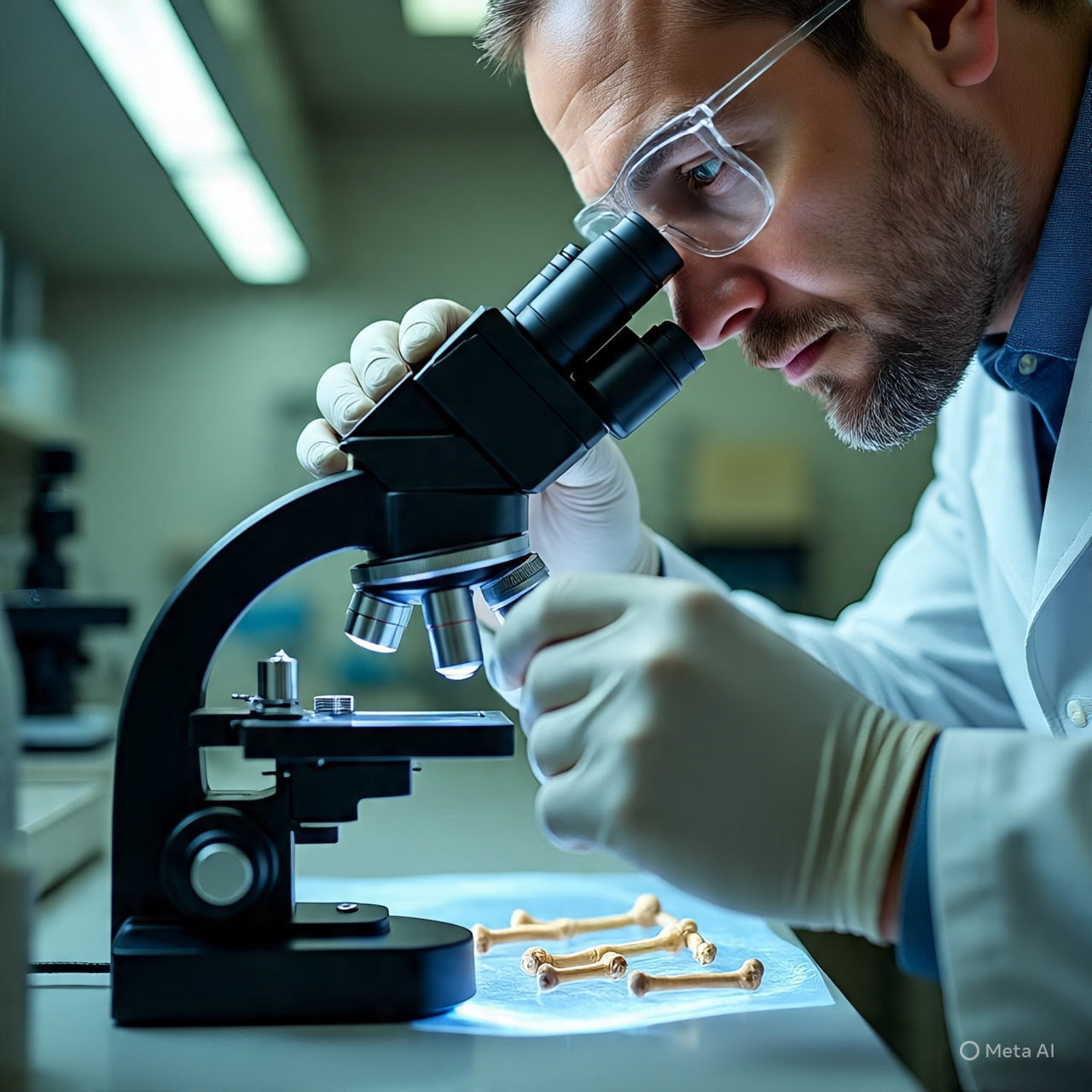
A groundbreaking study shows that Tyrannosaurus rex may have taken up to 40 years to reach full size, reshaping our understanding of dinosaur growth and ecology.
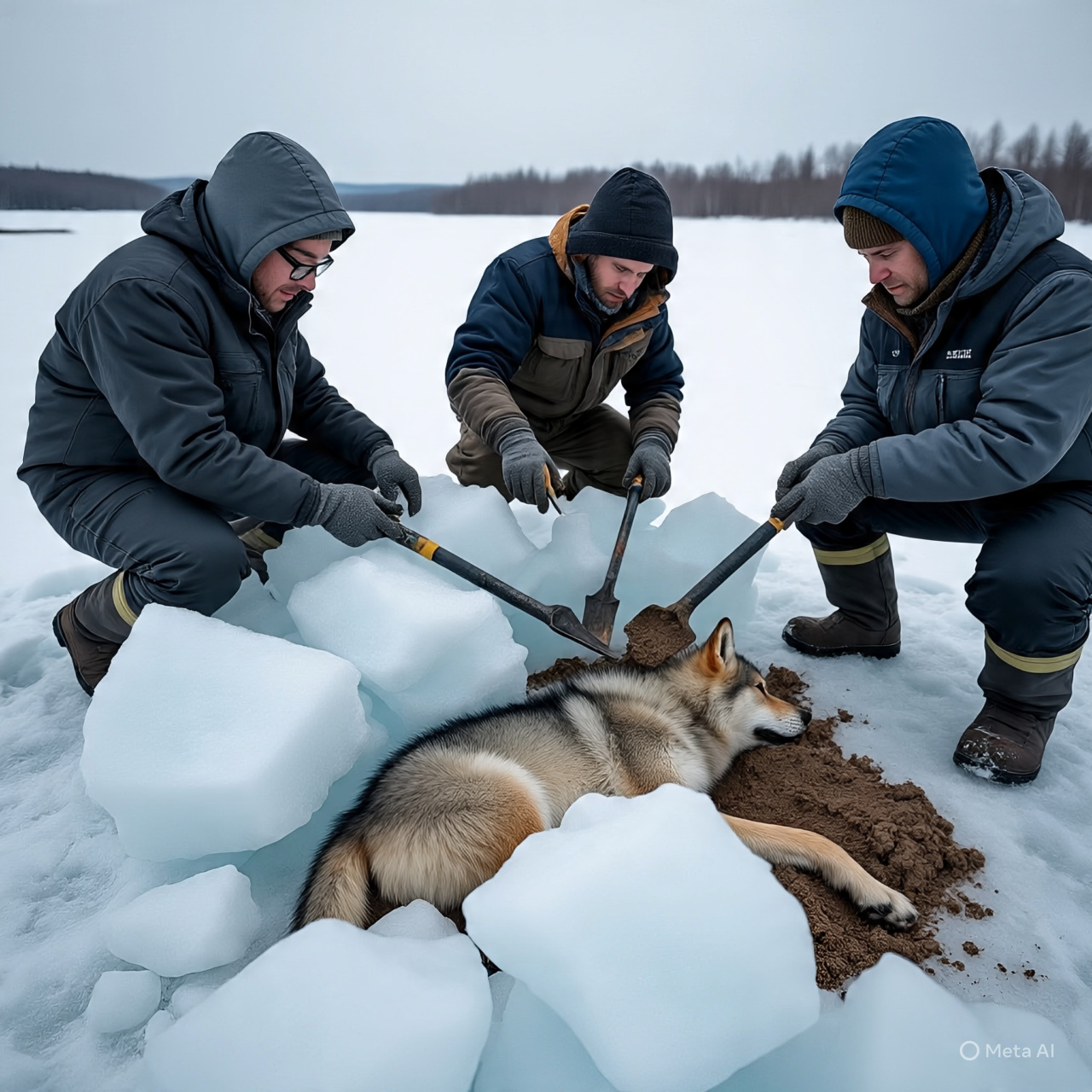
A mummified wolf pup from Siberia reveals ancient DNA of a woolly rhinoceros, shedding light on extinction and climate change impacts.
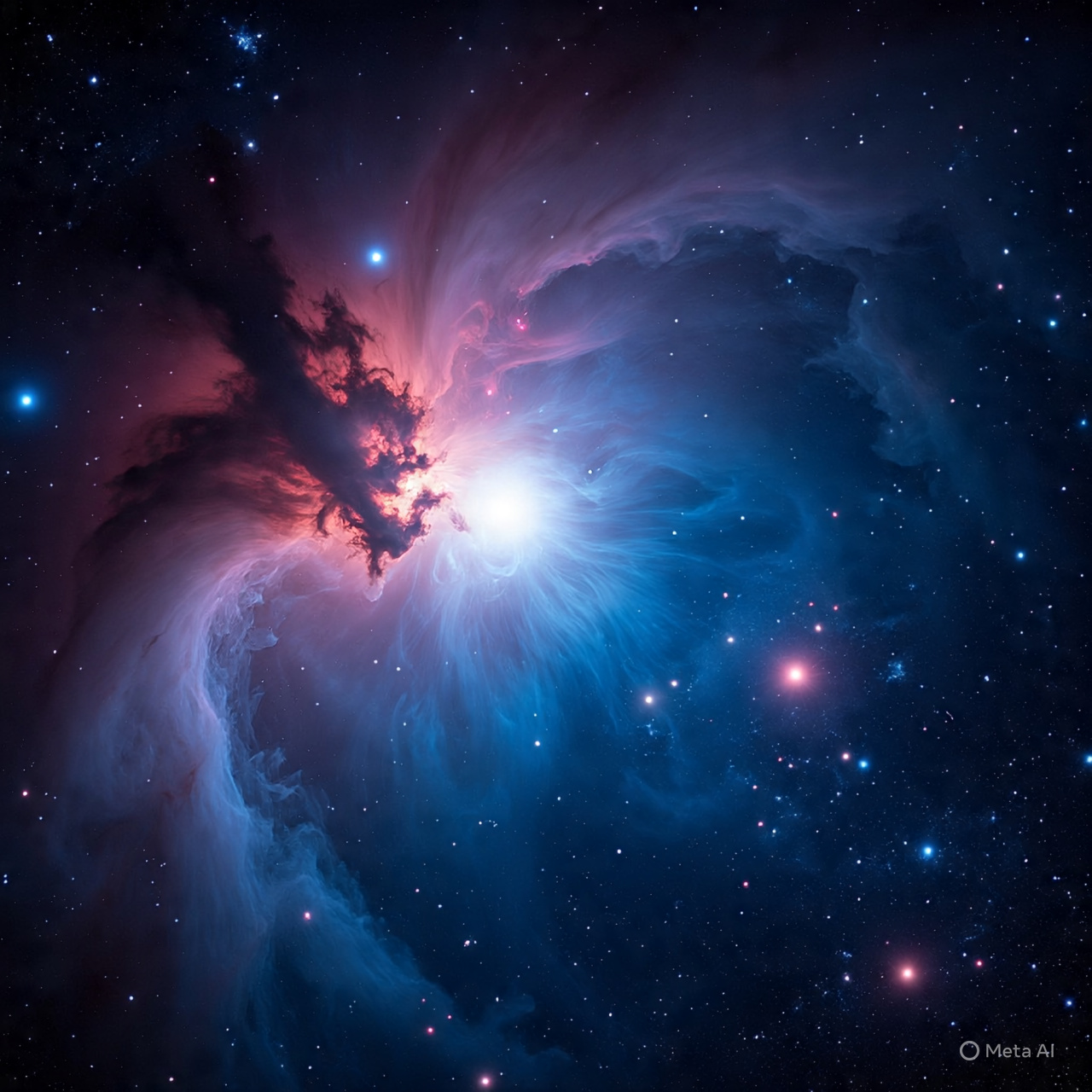
Joel Martin's breathtaking photo of the Orion Nebula reveals its beauty and complexity, inspiring stargazers to explore the night sky this winter.
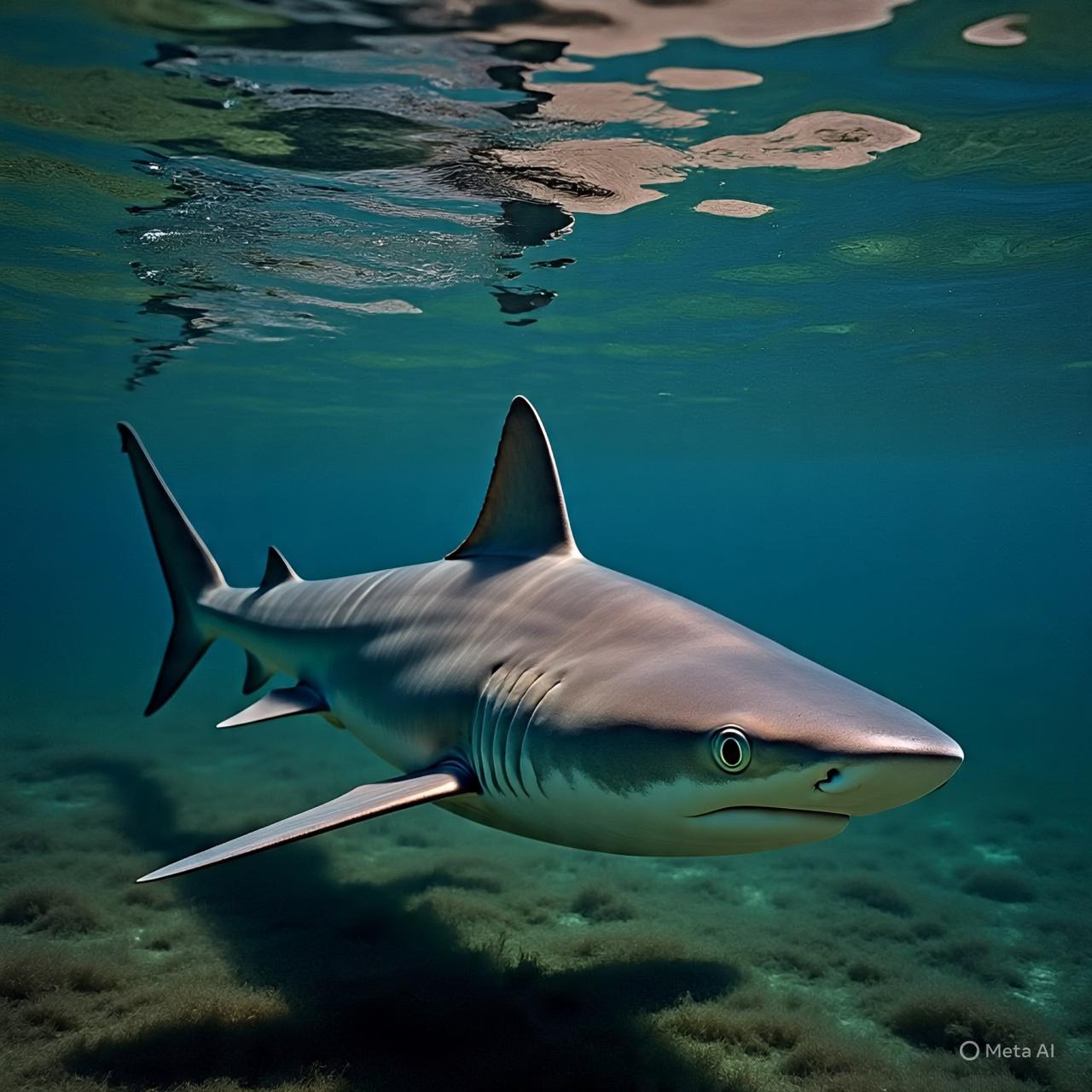
Discover how Greenland sharks maintain their vision for centuries, revealing insights into aging and potential implications for human eye health.
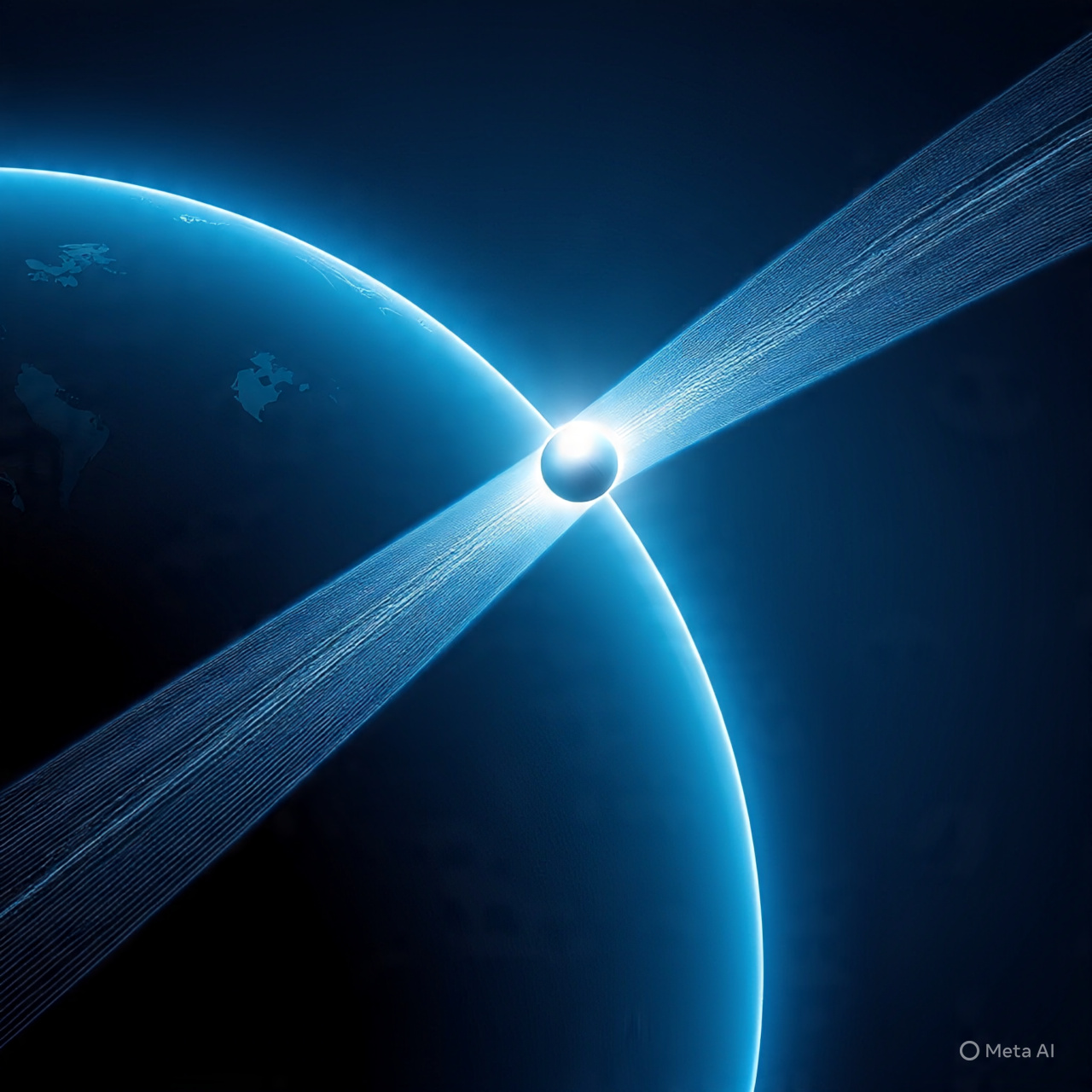
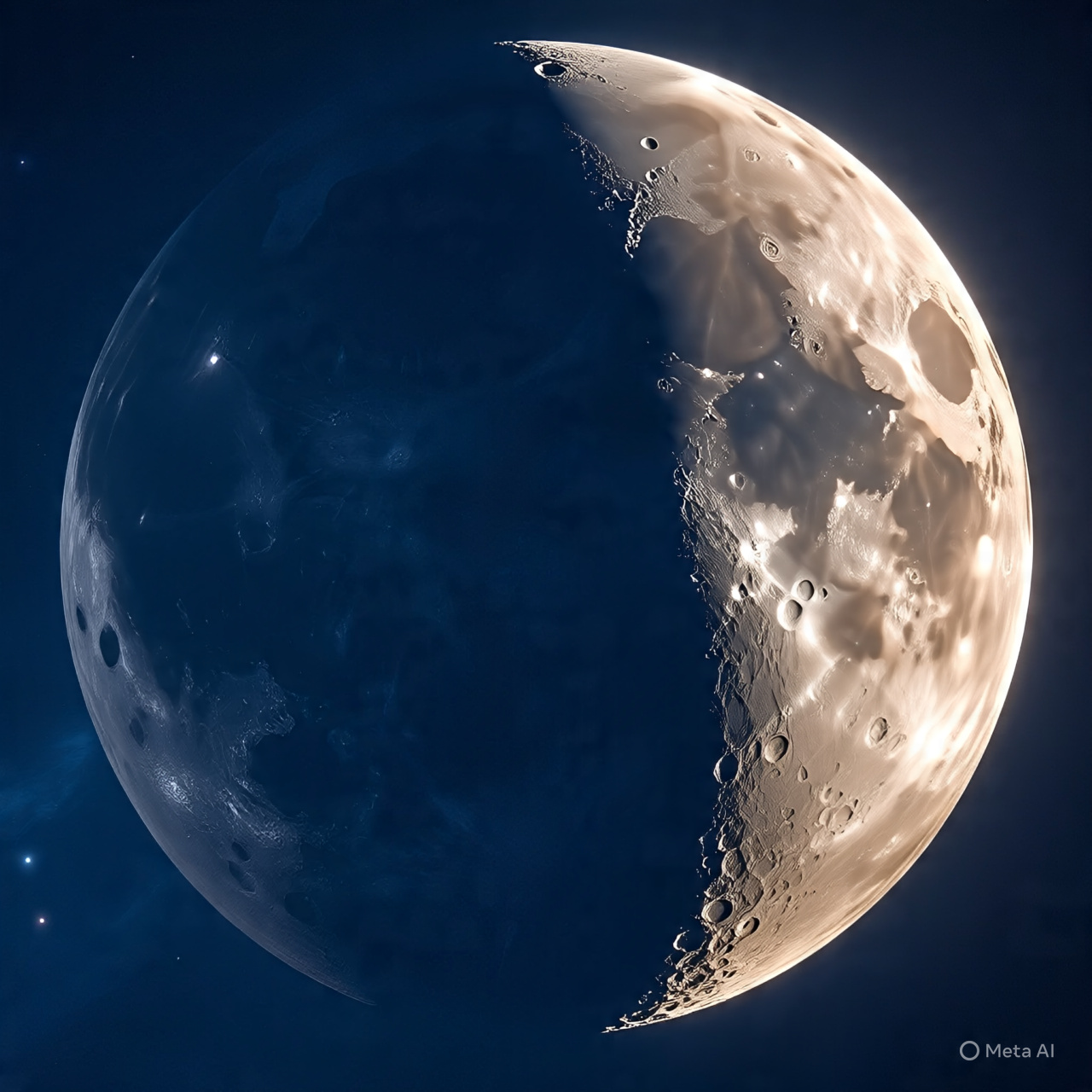
New research reveals how Earth's atmosphere has been slowly feeding the Moon with atmospheric particles for billions of years, impacting lunar exploration.
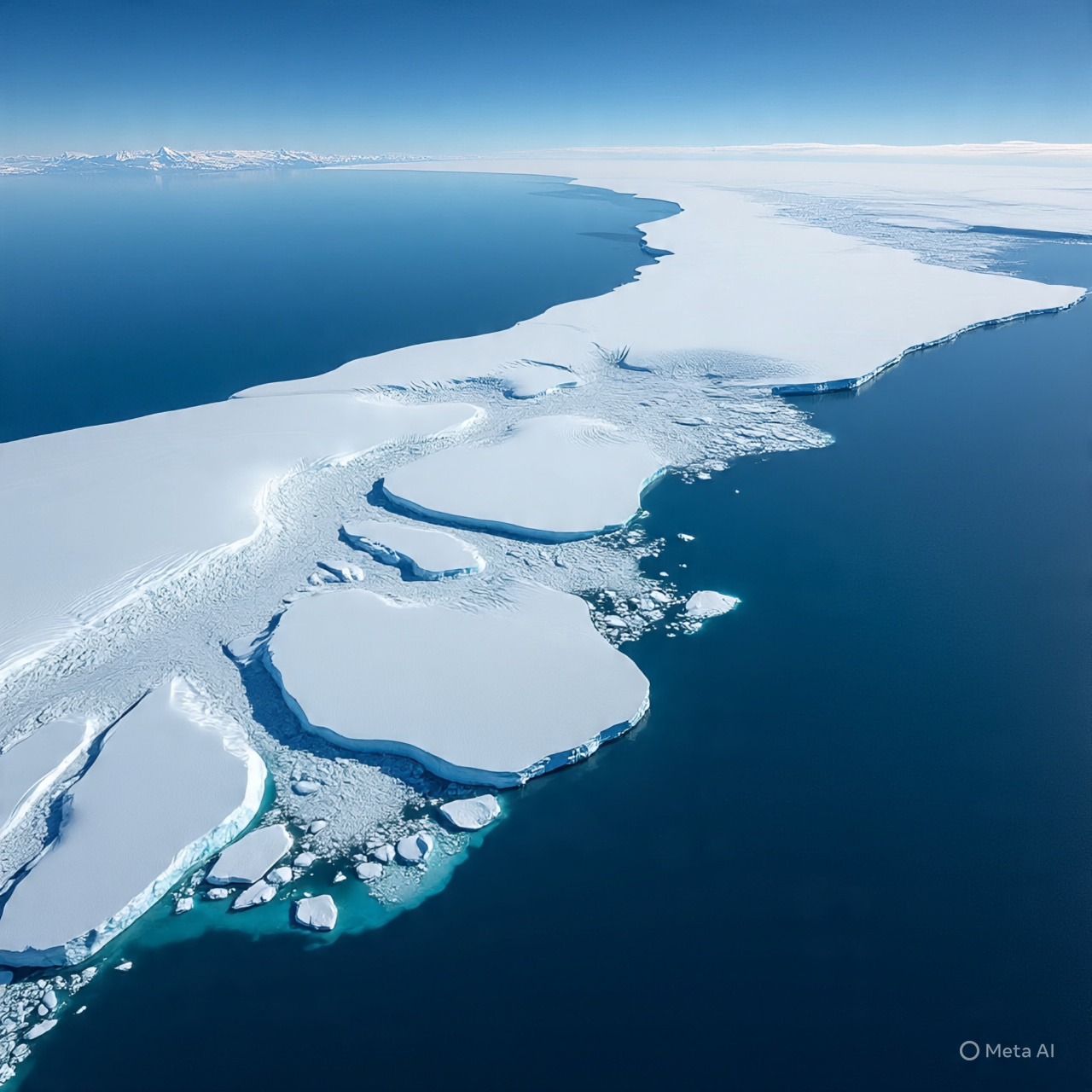
Explore how Antarctica's Pine Island Glacier reveals the impacts of climate change through satellite observations and its rapid melting patterns.
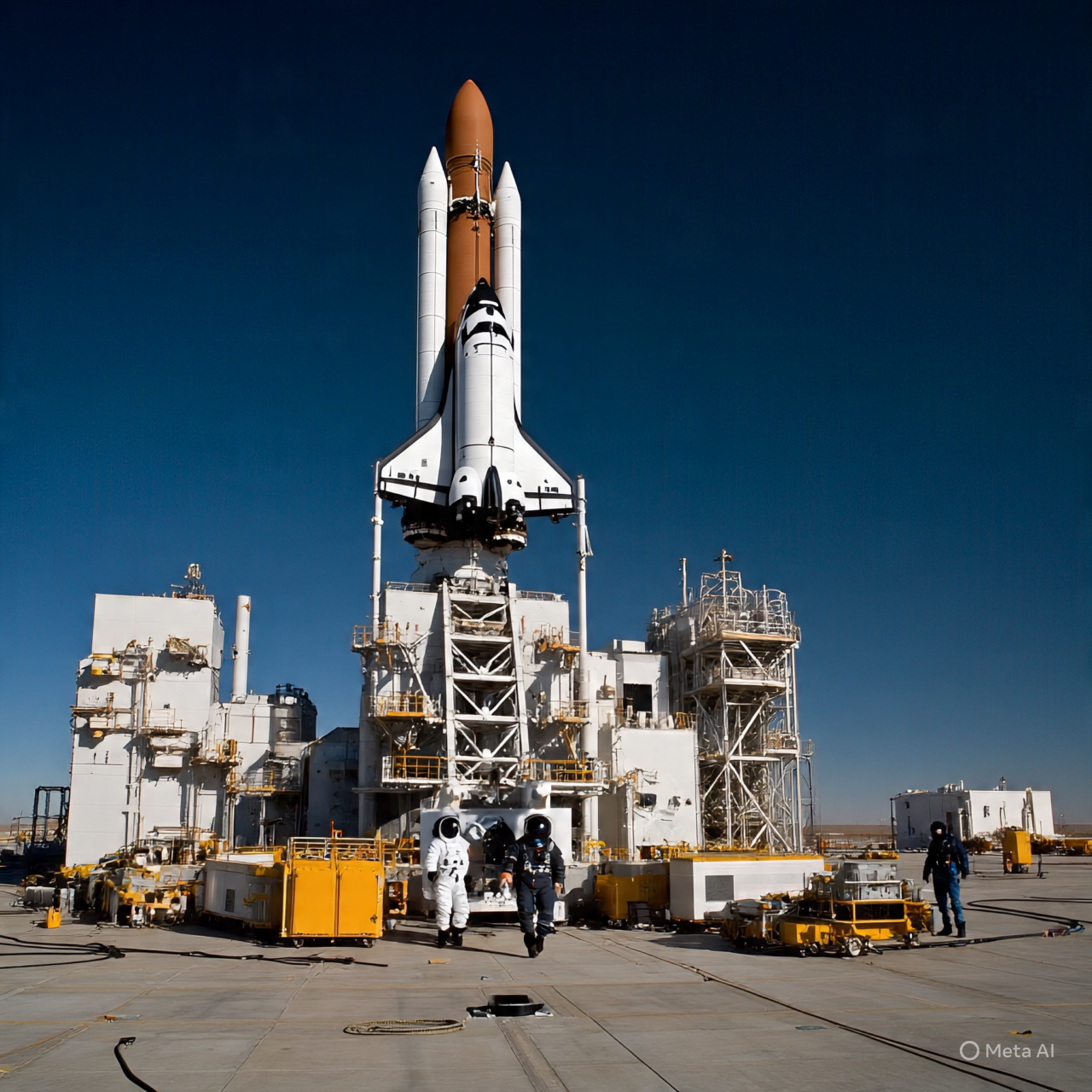
NASA's Artemis II mission will mark the first crewed lunar flight in over 50 years, featuring four astronauts on a journey around the Moon in 2026.
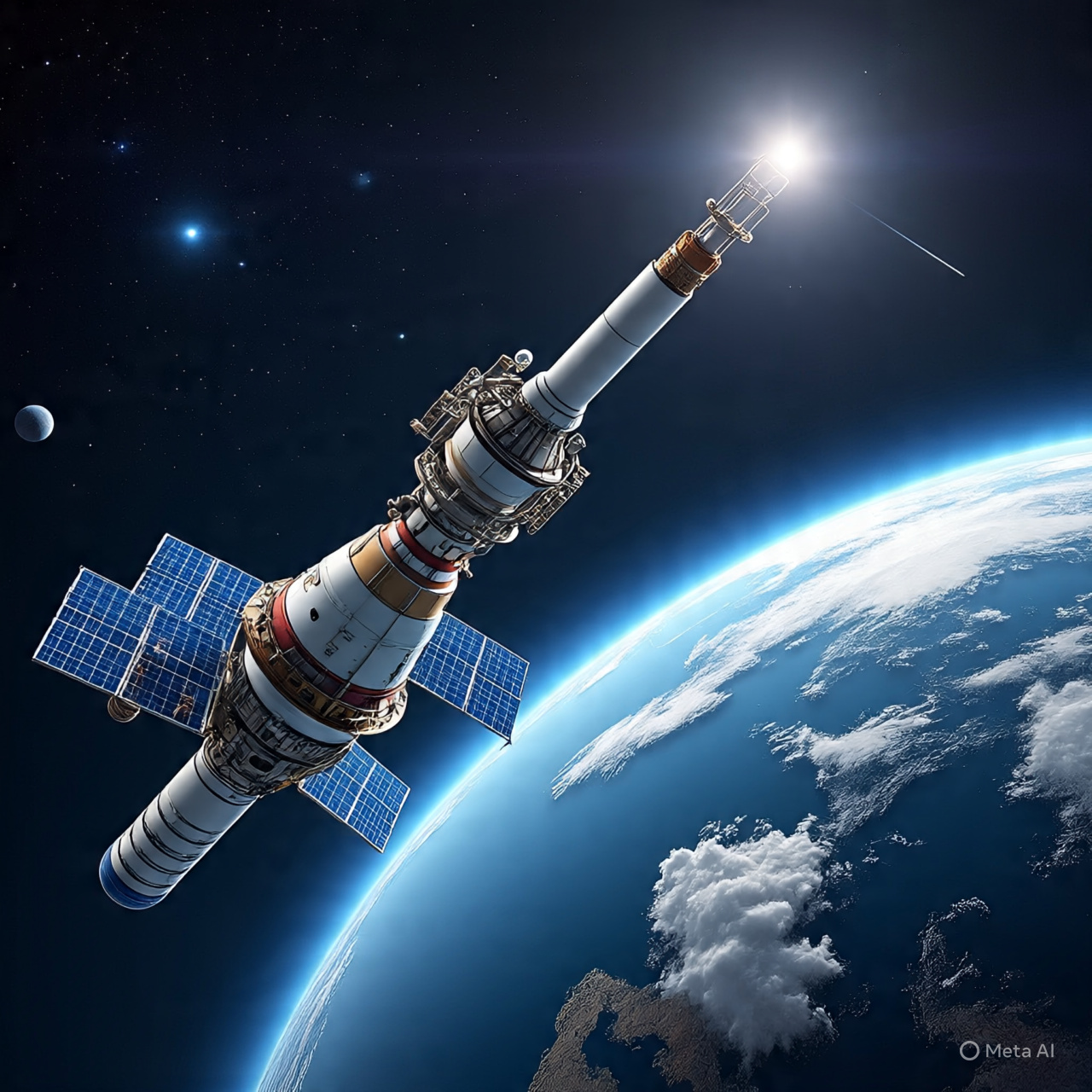
NASA's Pandora telescope, launched on January 11, 2026, aims to study exoplanet atmospheres for signs of life, enhancing our understanding of distant worlds.
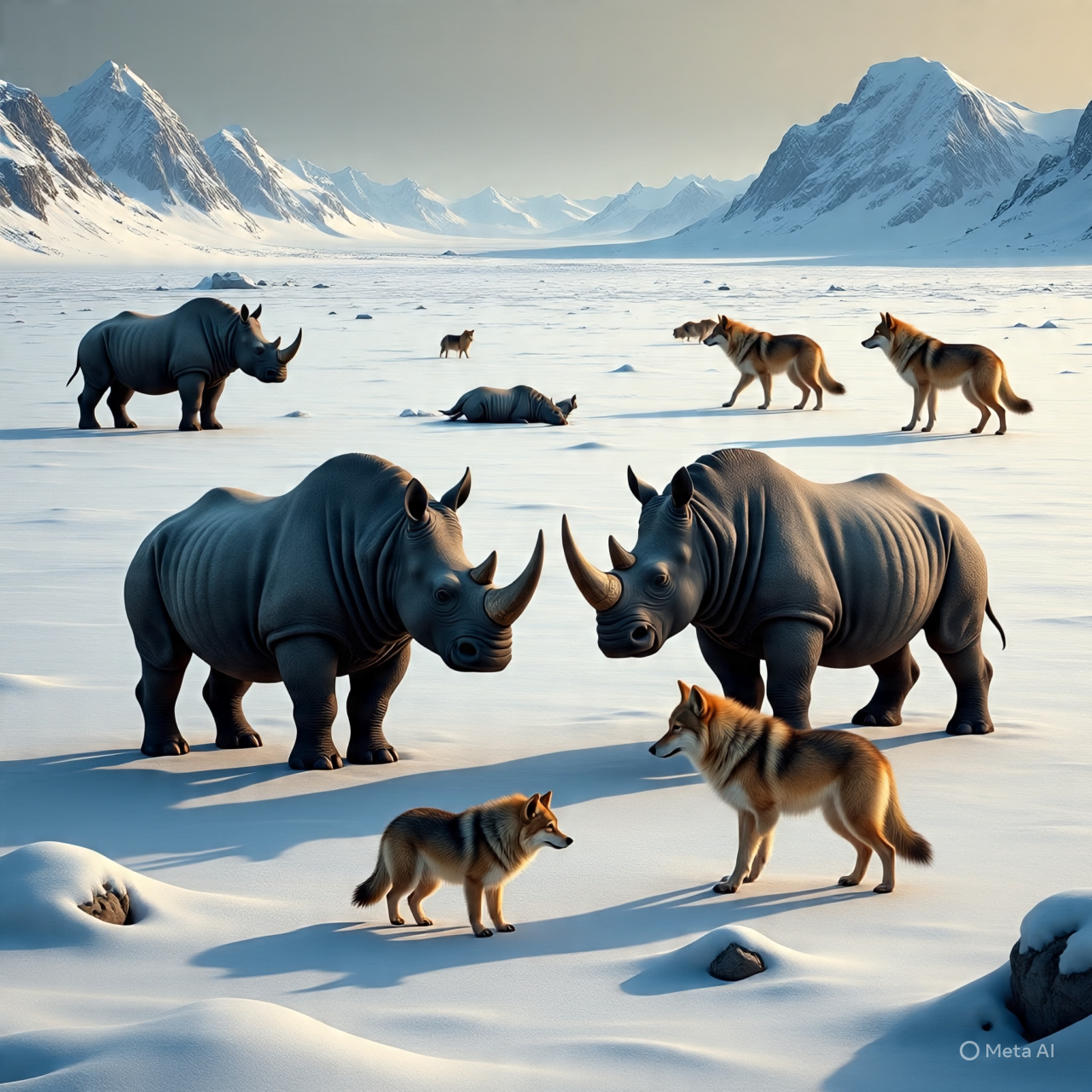
A remarkable discovery in Siberian permafrost reveals a young wolf's last meal, offering insights into Ice Age ecology and predator-prey relationships.
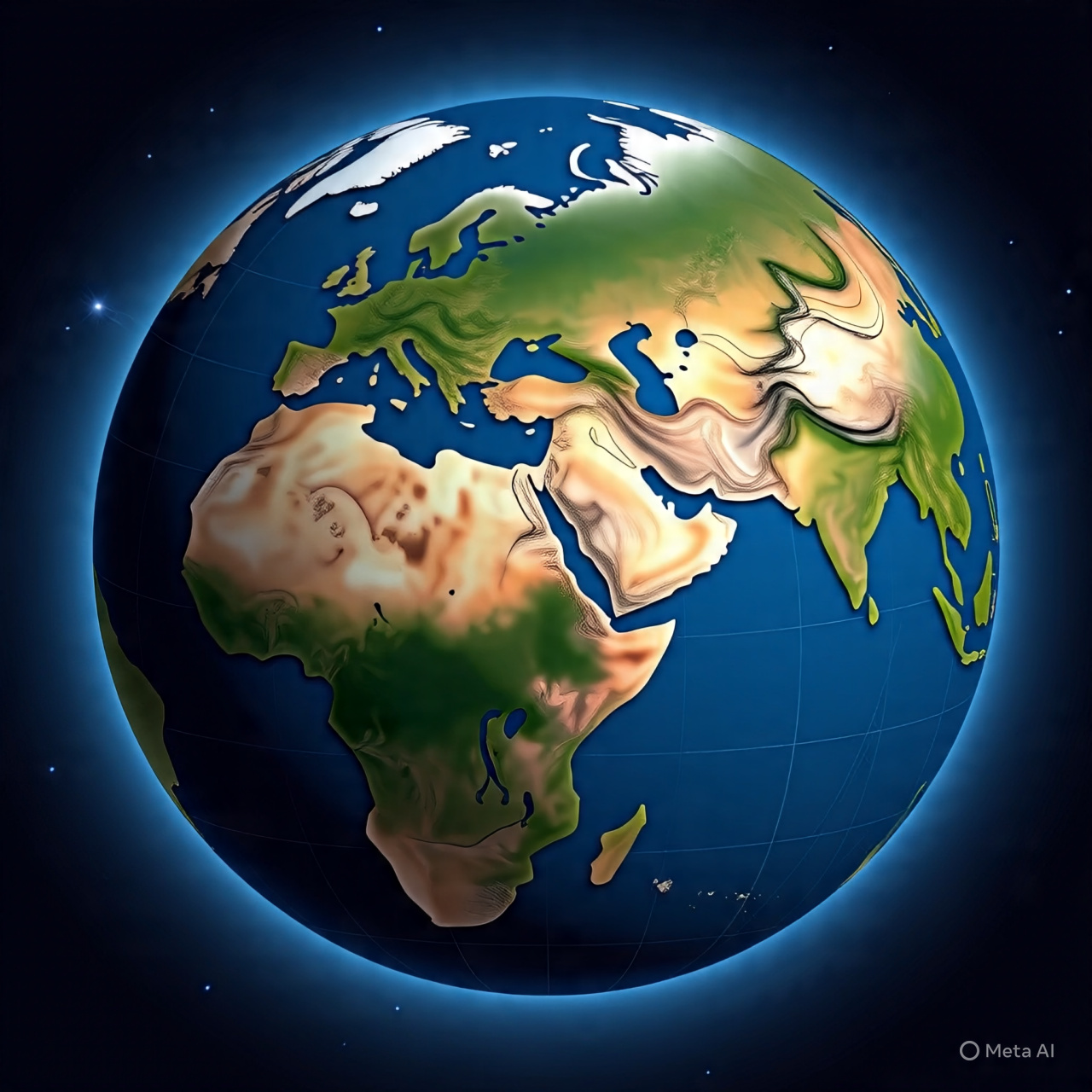
Discover how Mars' gravitational pull subtly affects Earth's climate over millennia, influencing ice ages and long-term weather patterns.
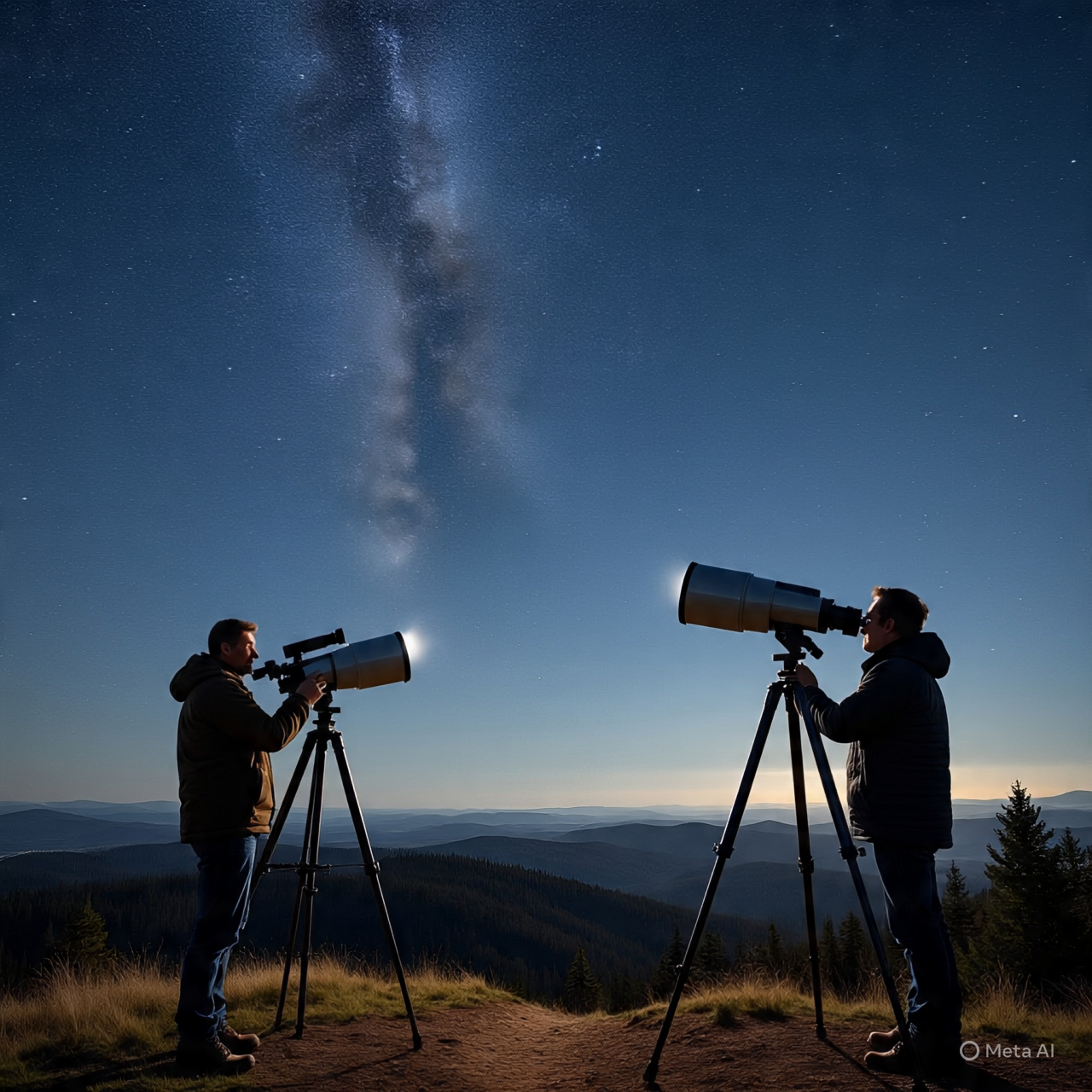
Discover the celestial events from January 9 to 18, including the Moon's journey through constellations and the visibility of bright planets.
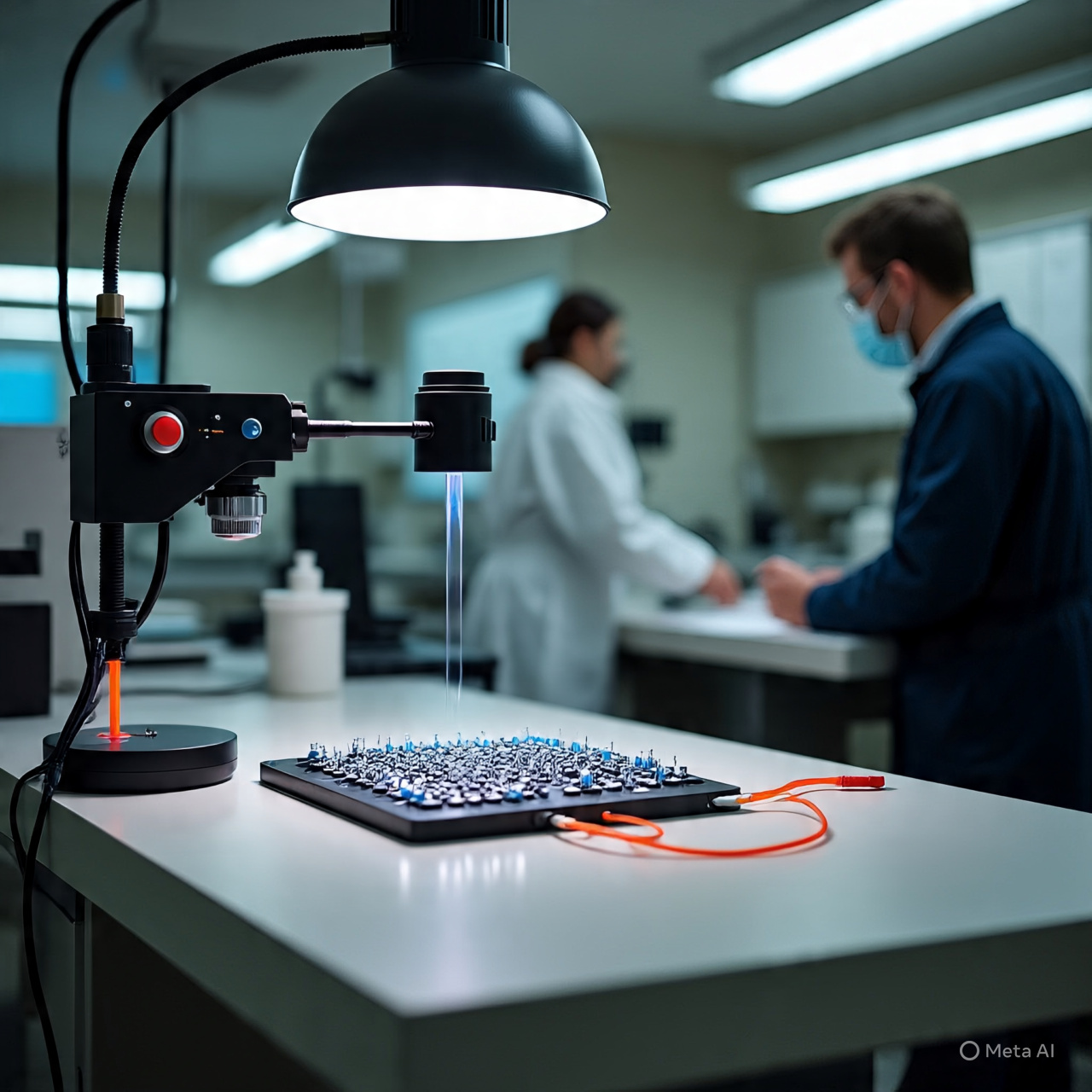
A breakthrough in quantum computing as researchers create a three-qubit register in a silicon photonic chip, paving the way for scalable quantum technologies.
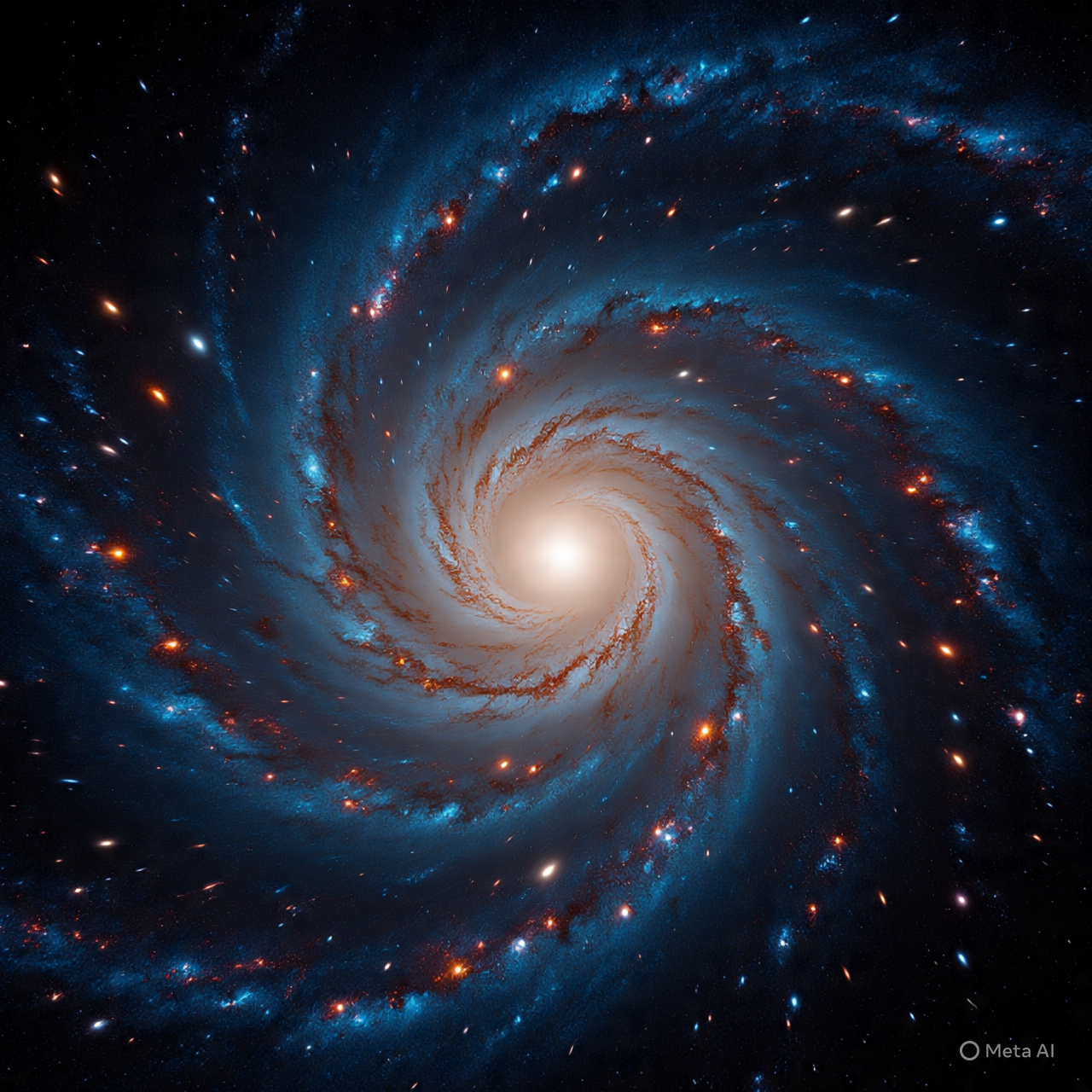
Discover how the James Webb Space Telescope unveils the fate of Pablo's Galaxy, revealing the impact of a supermassive black hole on star formation.
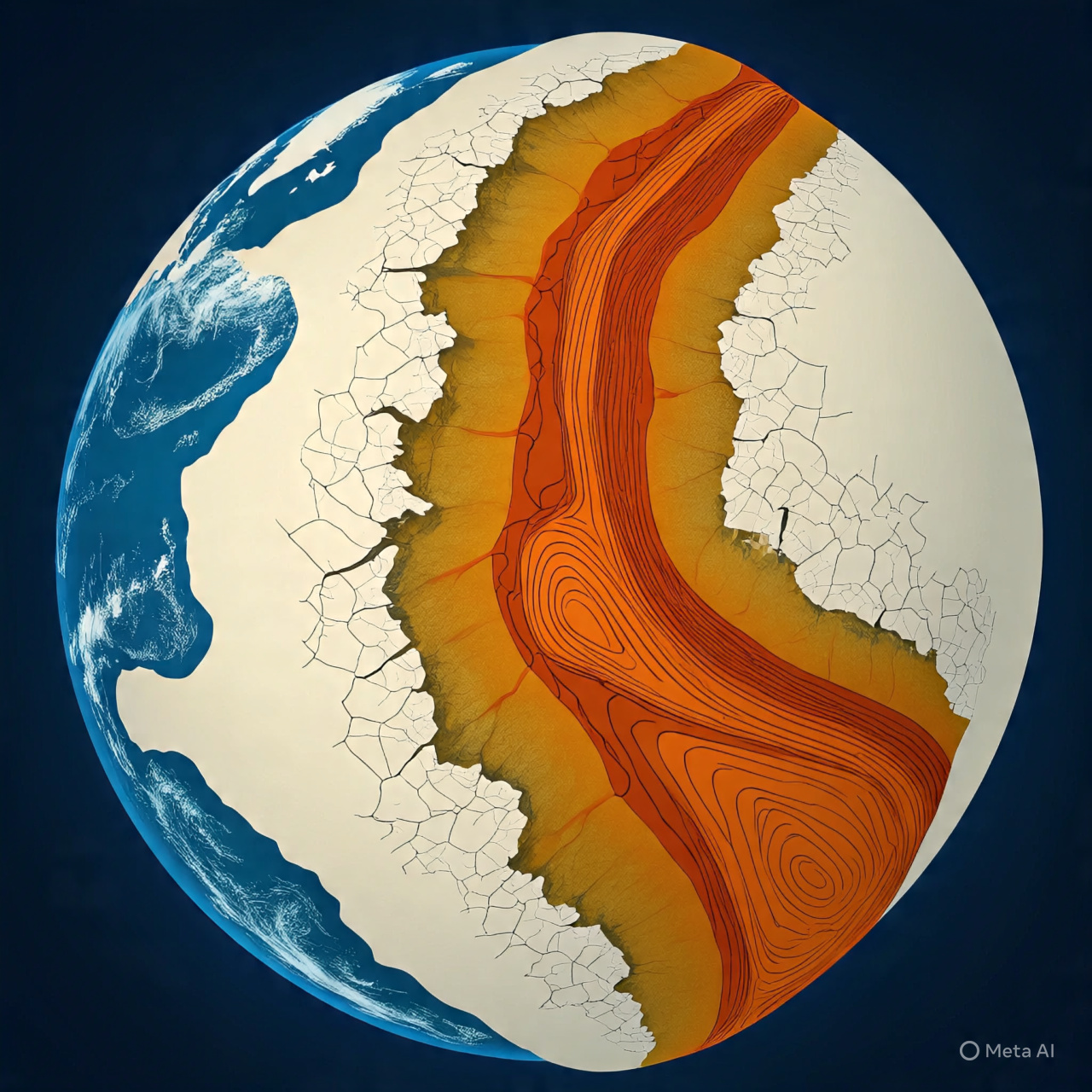
Scientists reveal how Earth's crust beneath Turkey is slowly sinking into the mantle, impacting seismic activity and regional geology through advanced imaging techniques.
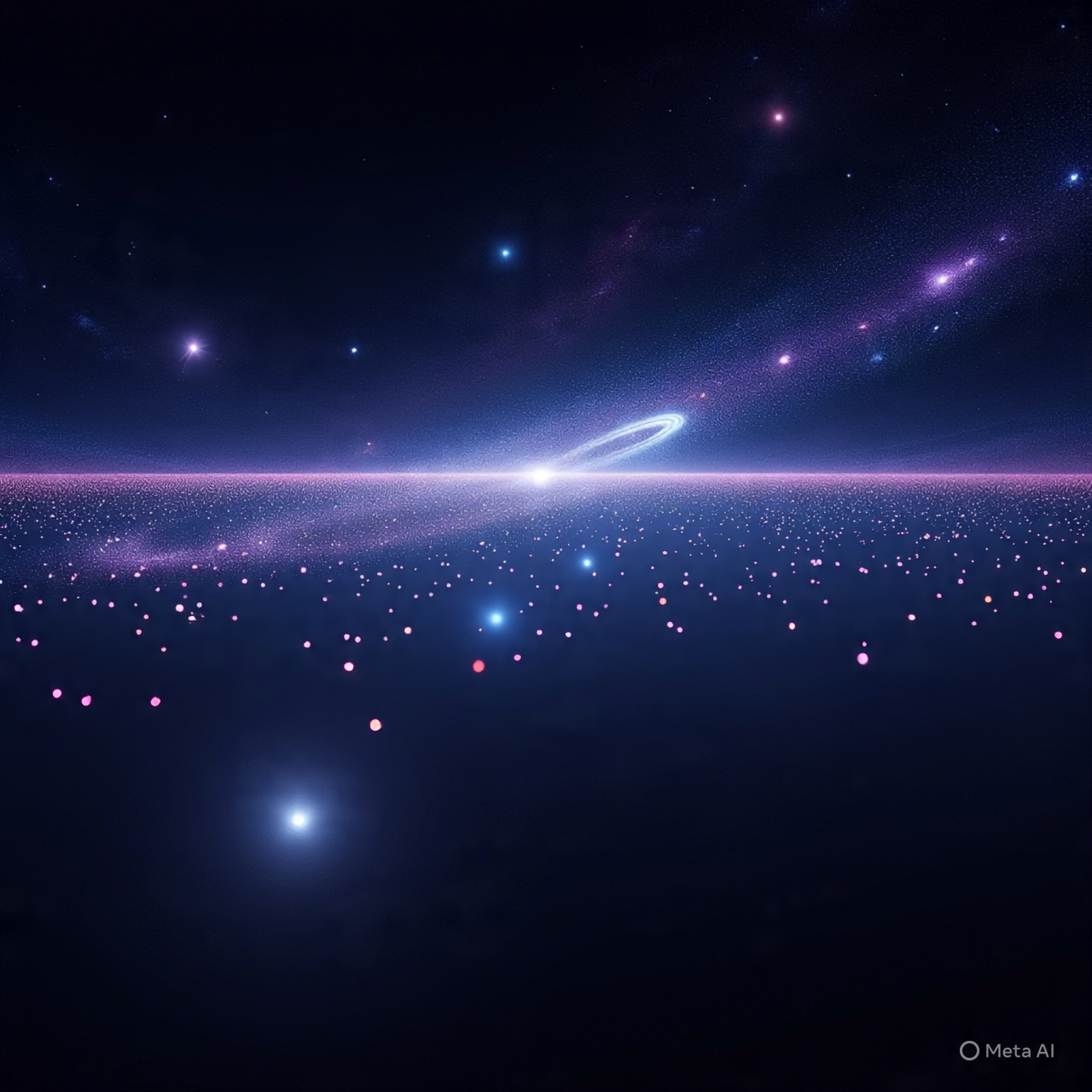
Scientists investigate a particle linked to the imbalance of matter and antimatter, shedding light on why existence persists in the universe.
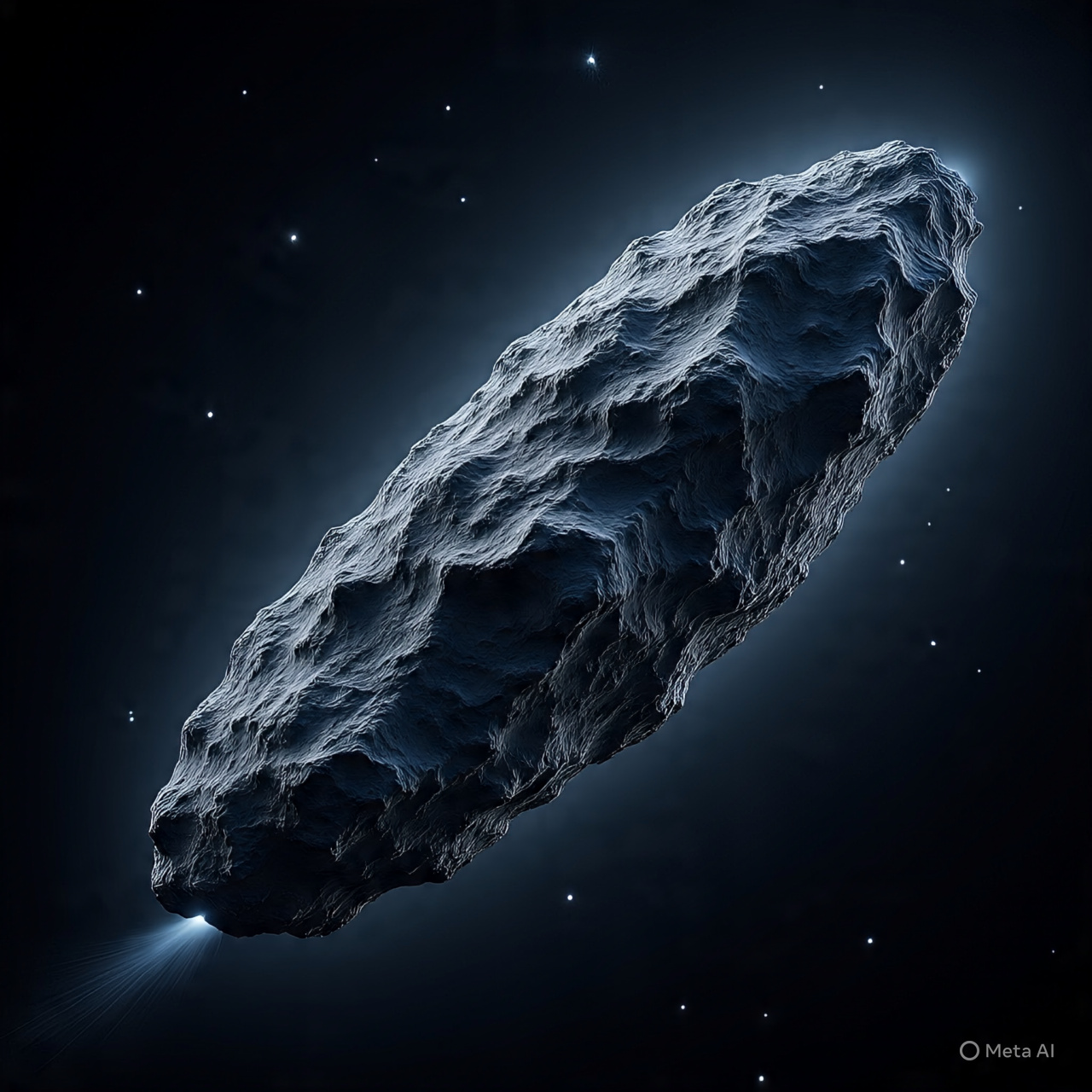
On January 22, 2026, 3I/ATLAS will align with the Sun-Earth axis, offering astronomers a rare opportunity to study this interstellar visitor's properties.
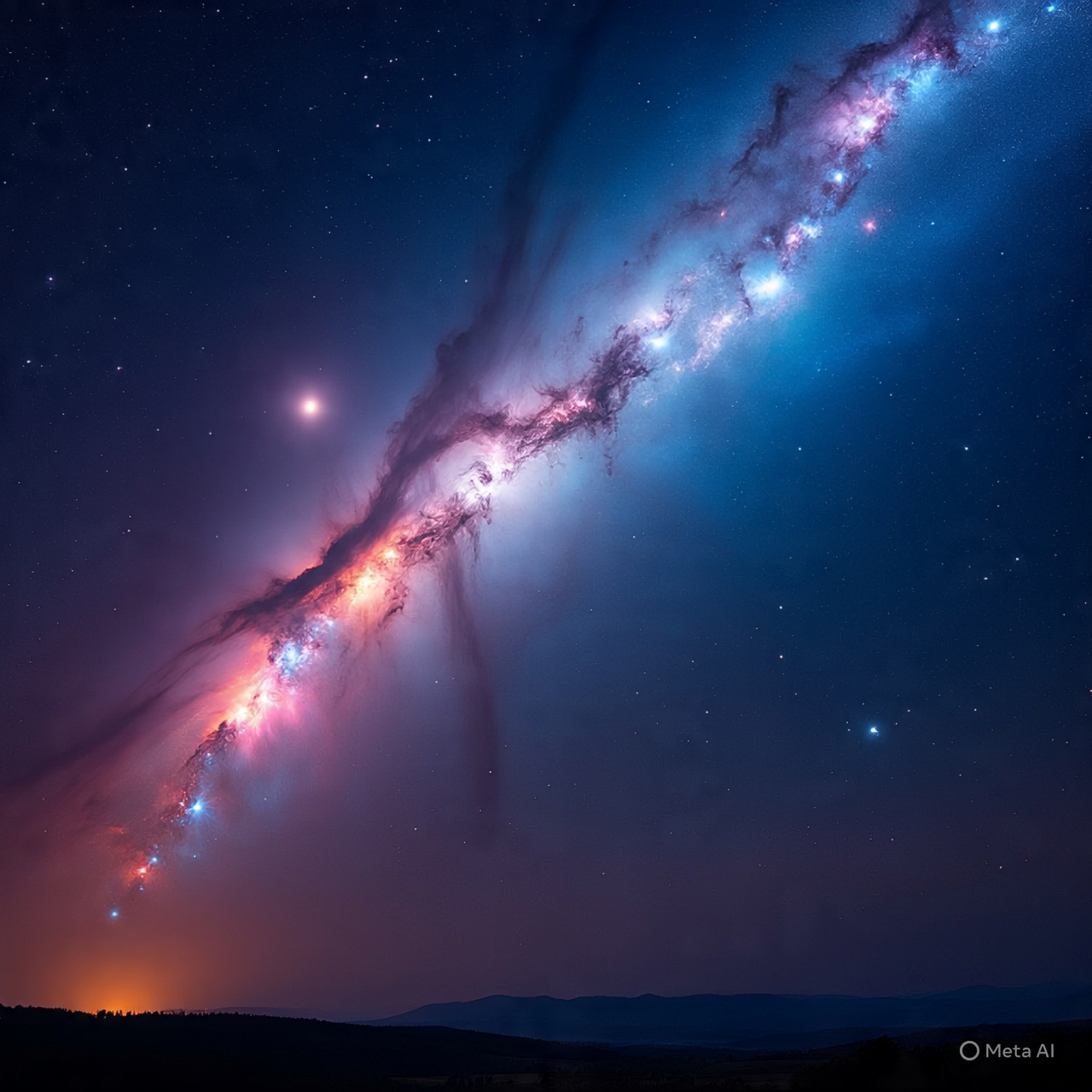
Explore the Orion Nebula, a vibrant stellar nursery 1,350 light-years away, showcasing stunning images that reveal the beauty of star formation.
Recent research shows Earth's atmospheric particles reach the Moon, revealing our planet's influence on its natural satellite and offering insights into atmospheric history.

Discover how birds in the U.S. adapted their songs and behaviors during the COVID-19 pandemic, showcasing rapid evolutionary changes in response to quieter environments.
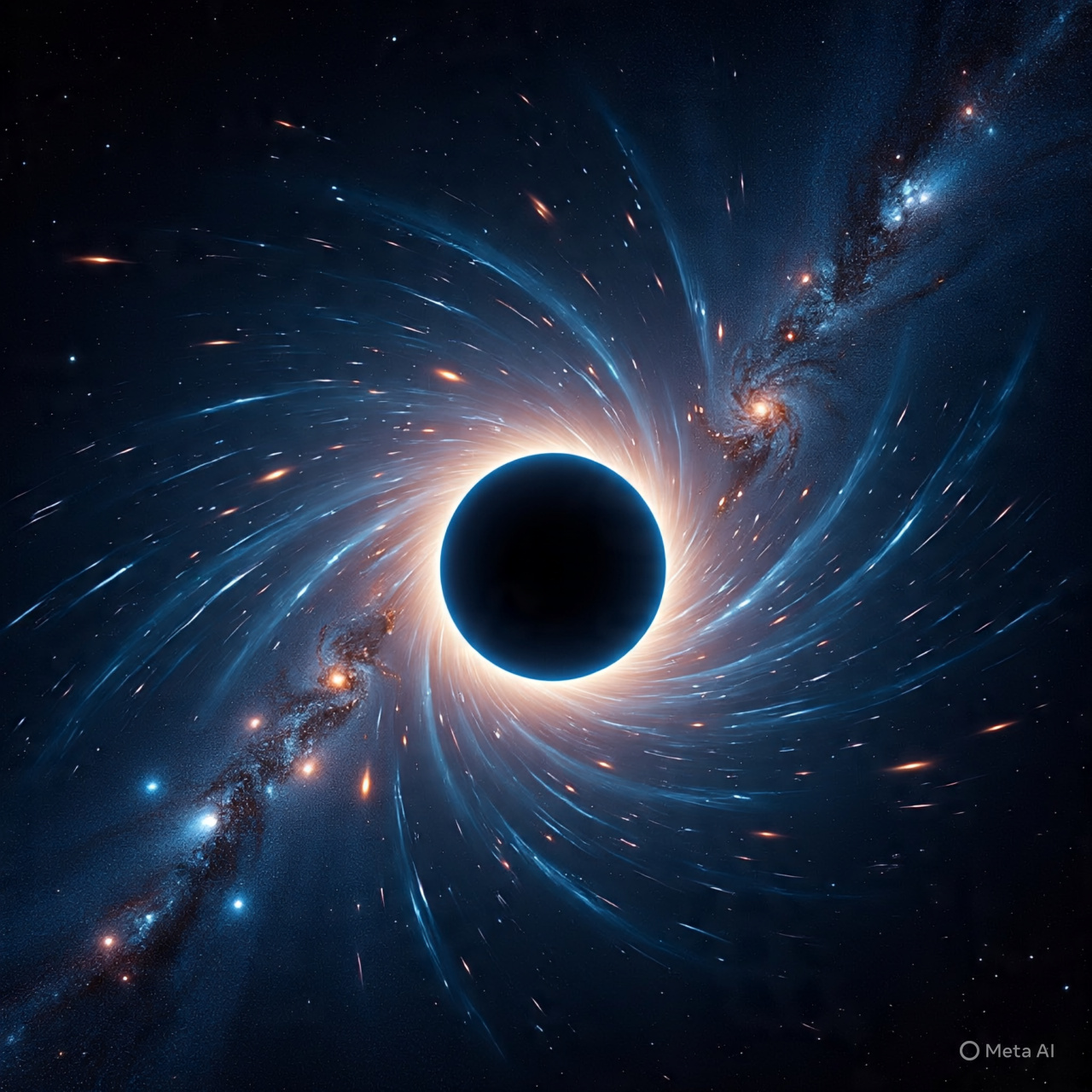
Astronomers have identified a new type of black hole that defies existing classifications, prompting further research and exploration of cosmic mysteries.
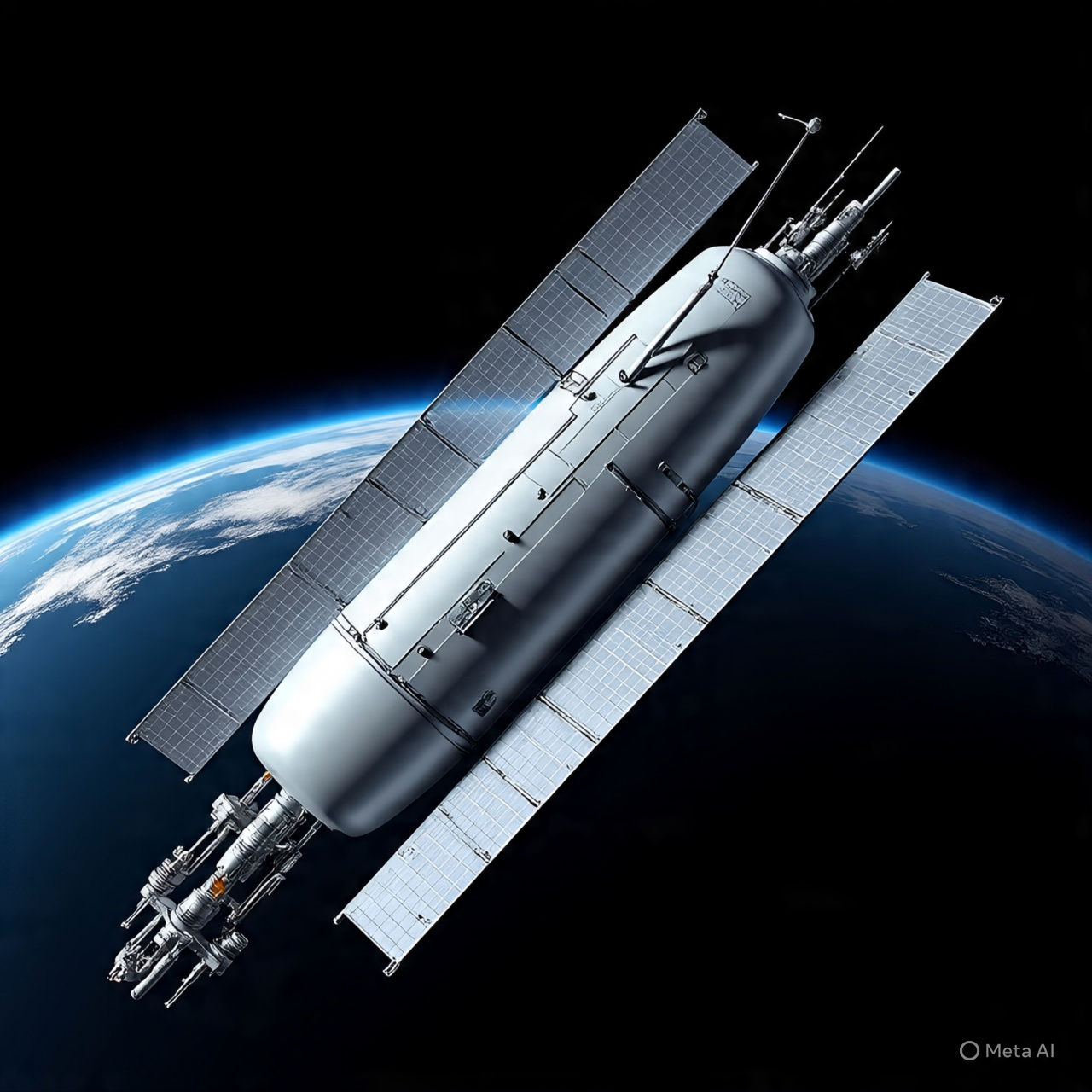
A former Google CEO aims to fund a new telescope to continue Hubble's legacy, raising questions about privatization in space exploration and scientific access.
Explore the intricate internal anatomy of fish heads, including drum structures and muscles, to gain insights into their biological functions.
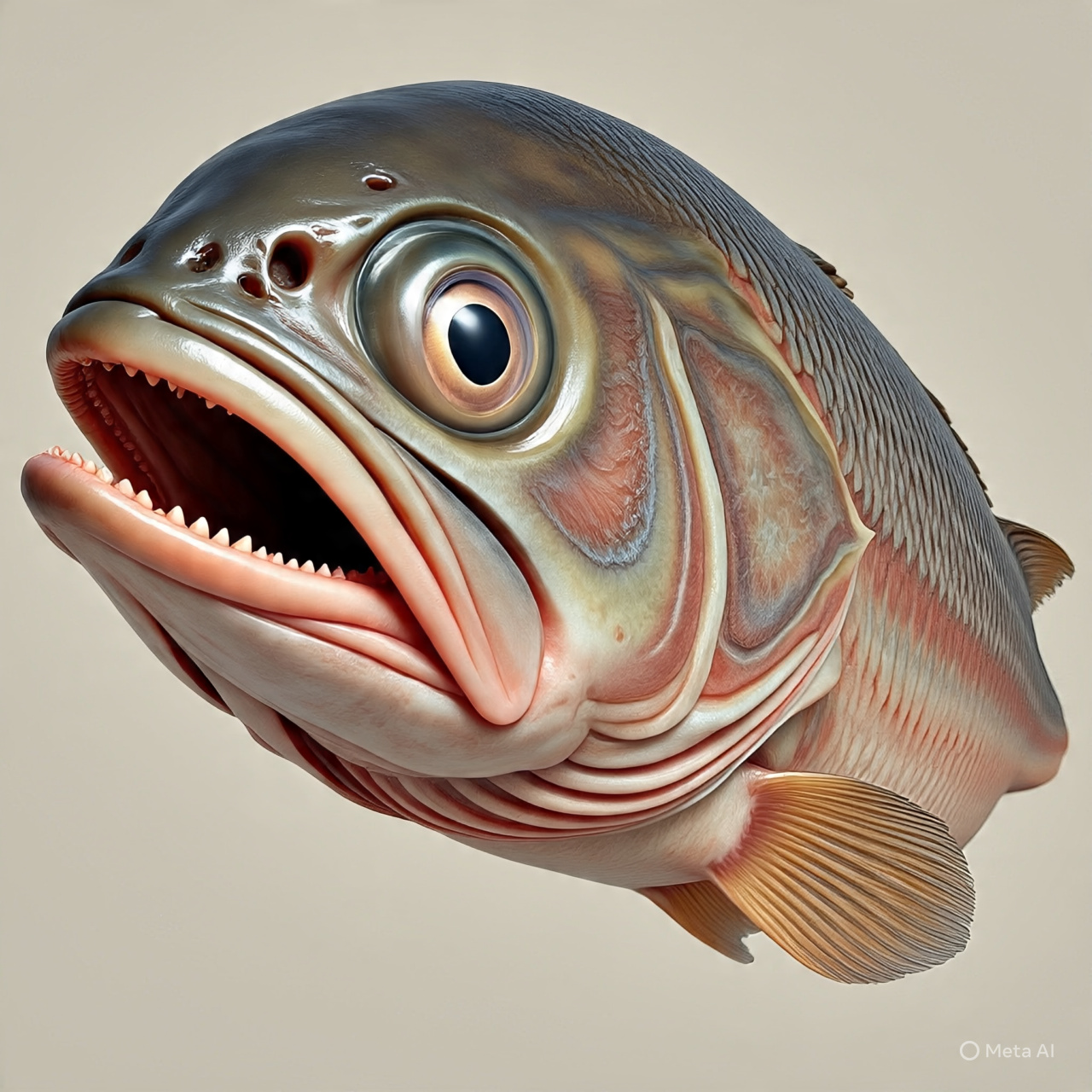
A newly studied fish species reveals an internal drum-like structure for sound production, showcasing a remarkable evolutionary adaptation for communication.