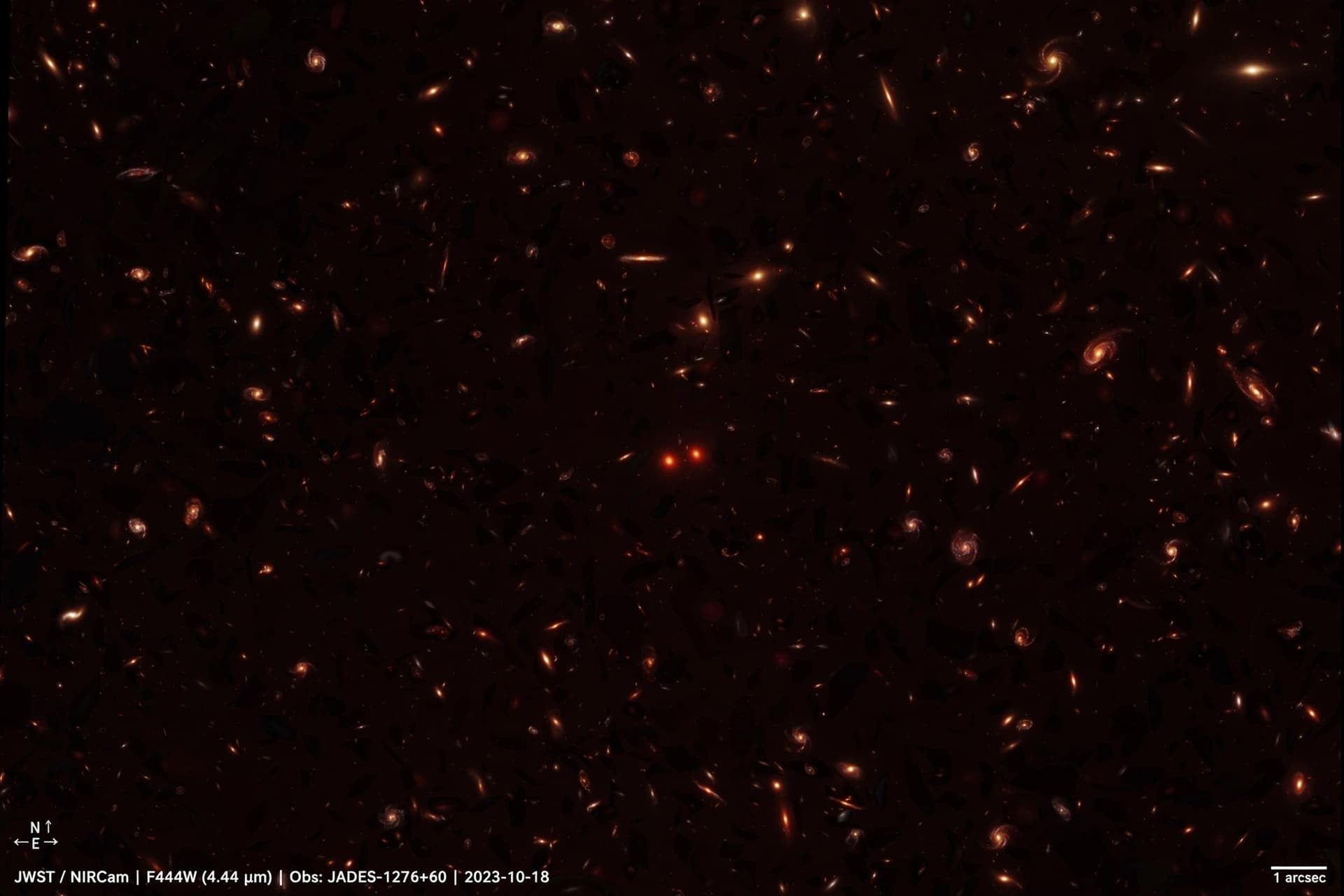
Above our atmosphere, the Hubble Space Telescope has gazed for decades, capturing vistas of galaxies, nebulae, and star clusters that have shaped humanity’s understanding of the universe. Now, in a move that could reshape the funding of space science, the former CEO of Google has announced plans to personally fund a replacement, aiming to continue the legacy of cosmic observation with a privately-backed initiative.
The proposed telescope would offer capabilities on par with or exceeding Hubble, employing advanced optics, sensors, and imaging systems to explore galaxies, measure stellar formation, and detect distant exoplanets. By leveraging private capital, the project sidesteps traditional budgetary constraints, potentially accelerating deployment timelines and enabling rapid technological innovation.
While NASA and other agencies have long relied on public funding and international collaboration, the decision of a private individual to underwrite such an ambitious mission reflects a broader trend in space exploration: the increasing role of private actors in shaping research, observation, and access to orbit. Engineers and astrophysicists will work to ensure that the telescope meets rigorous scientific standards, integrating decades of Hubble experience with cutting-edge technology.
This initiative also raises philosophical and practical questions. Who controls the data from privately funded observatories? How will the scientific community access findings? And what implications does privatization have for the broader trajectory of space research? Yet at its core, the project embodies a profound aspiration: to maintain humanity’s gaze upon the cosmos, ensuring that the story Hubble began continues into the next era.
In practical terms, the former Google CEO plans to fully fund a telescope designed to succeed Hubble, aiming to advance astronomical observation with private resources while integrating lessons learned from decades of space-based imaging.
AI Image Disclaimer Visuals are AI-generated and serve as conceptual representations.
Sources (names only) NASA Space.com The Verge Reuters Science News
Published by Banx Network. This article is part of the Banx decentralized media programme, powered by the BXE token on the XRP Ledger.