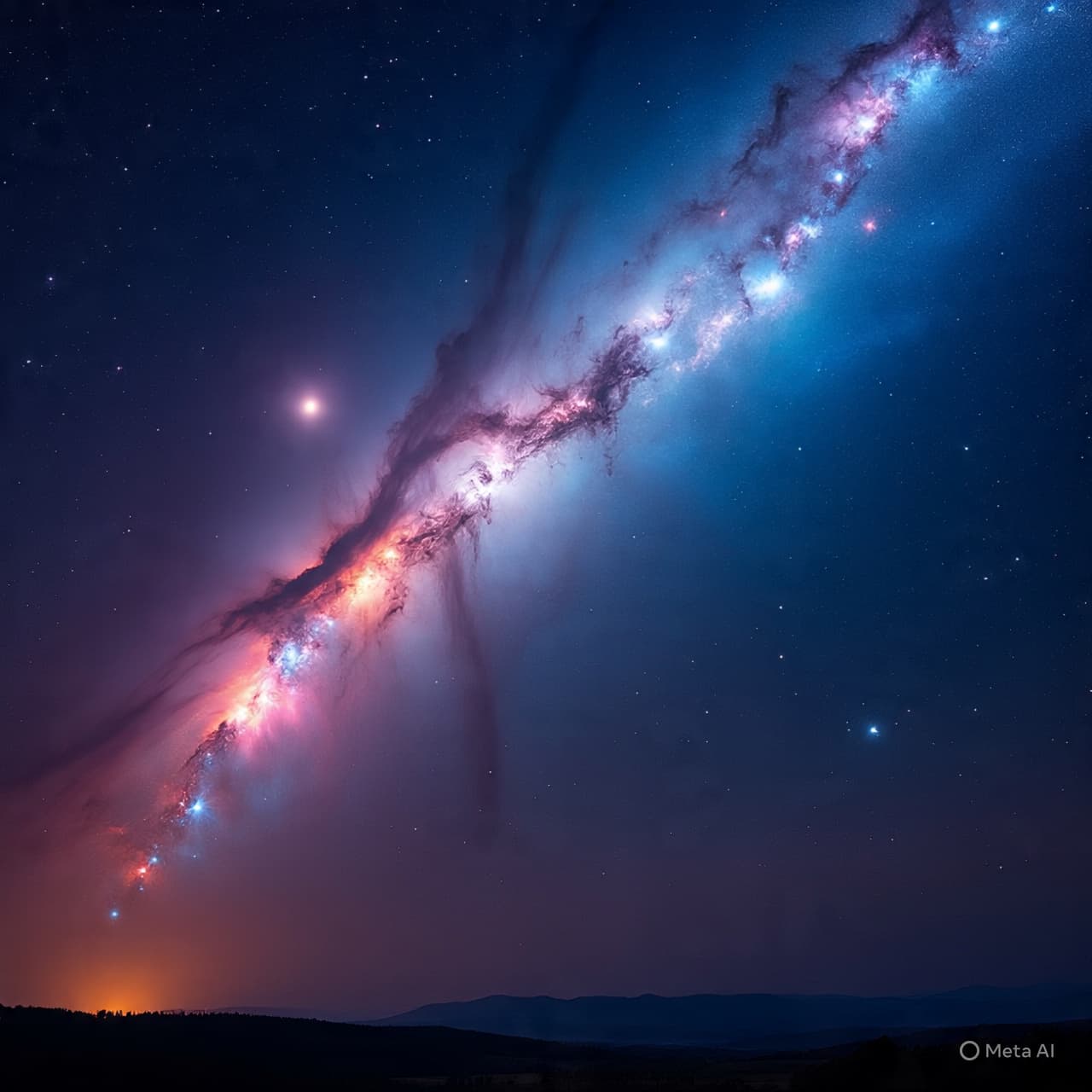
In the winter sky, where familiar constellations trace arcs across the darkness, the Orion Nebula shines as a jewel among the stars. Recent imagery captures its swirling clouds of gas and dust in extraordinary detail, revealing a stellar nursery alive with formation and motion. For anyone who has ever peered through a telescope or dreamed of distant worlds, such photographs inspire awe and curiosity.
The Orion Nebula is a vast cloud of gas approximately 1,350 light-years from Earth, where gravity coalesces material into new stars and planetary systems. Bright regions glow with ionized gases, while darker lanes of dust weave intricate patterns that both obscure and frame the radiant cores. Observations in multiple wavelengths—from visible light to infrared—allow astronomers to study the processes of star birth, revealing how turbulence, magnetic fields, and radiation shape emerging systems.
Amateur astronomers and enthusiasts are drawn to the nebula not only for its scientific intrigue but for its visual splendor. Even modest telescopes reveal hints of color, structure, and motion, while astrophotographers can capture layers of detail that tell stories spanning millions of years. The image reminds us that the universe is dynamic: stars form, shine, and evolve, and nebulae themselves shift subtly over time.
Such photographs offer a bridge between professional research and public wonder. They serve as invitations to explore, to point telescopes upward, and to consider the vast scale of cosmic creation. In every swirl of light and shadow, the Orion Nebula conveys both the beauty and the complexity of the universe, inspiring observers to look, question, and imagine.
In practical terms, stunning images of the Orion Nebula showcase the intricate gas and dust structures of this stellar nursery. Observers with telescopes can view its vibrant regions and explore star formation firsthand, connecting with a celestial landscape more than a thousand light-years away.
AI Image Disclaimer Visuals are AI-generated and serve as conceptual representations.
Sources (names only) NASA Hubble Space Telescope Space.com Scientific American Nature
Published by Banx Network. This article is part of the Banx decentralized media programme, powered by the BXE token on the XRP Ledger.