High above our daily weather, where the mechanics of planets unfold over millennia, scientists are investigating a subtle but intriguing possibility: Mars’ gravitational pull may influence Earth’s long-term climate. While daily temperatures and storms are governed by atmospheric and oceanic dynamics, over tens of thousands of years, the positions and forces of other planets exert a quiet, persistent influence.
Earth’s orbit is not fixed. It wobbles, tilts, and precesses in cycles shaped primarily by interactions with the Sun and the Moon, but also by the gravitational tugs of neighboring planets. Mars, though distant, applies small forces that subtly adjust Earth’s orbital eccentricity and axial tilt, factors that in turn influence the distribution of sunlight on the planet’s surface. These variations can affect the timing and intensity of ice ages, monsoon patterns, and long-term climate trends.
Through sophisticated simulations and paleoclimate data, researchers can trace correlations between planetary alignments and climate markers in ice cores, sediment layers, and fossil records. The findings underscore the interconnectedness of the solar system, where even seemingly remote planets contribute to the rhythms of Earth’s environment.
While the influence of Mars is modest compared to that of the Sun, Moon, and Jupiter, its presence is part of a delicate cosmic choreography. Understanding these forces helps scientists refine models of past climate change and anticipate how orbital mechanics may shape the planet’s distant future. It is a reminder that Earth’s environment is both a product of internal dynamics and a reflection of the broader celestial neighborhood.
In practical terms, Mars’ gravity may subtly affect Earth’s orbit and tilt over long timescales, influencing patterns in climate and helping explain variations observed in ice ages and other extended climate cycles.
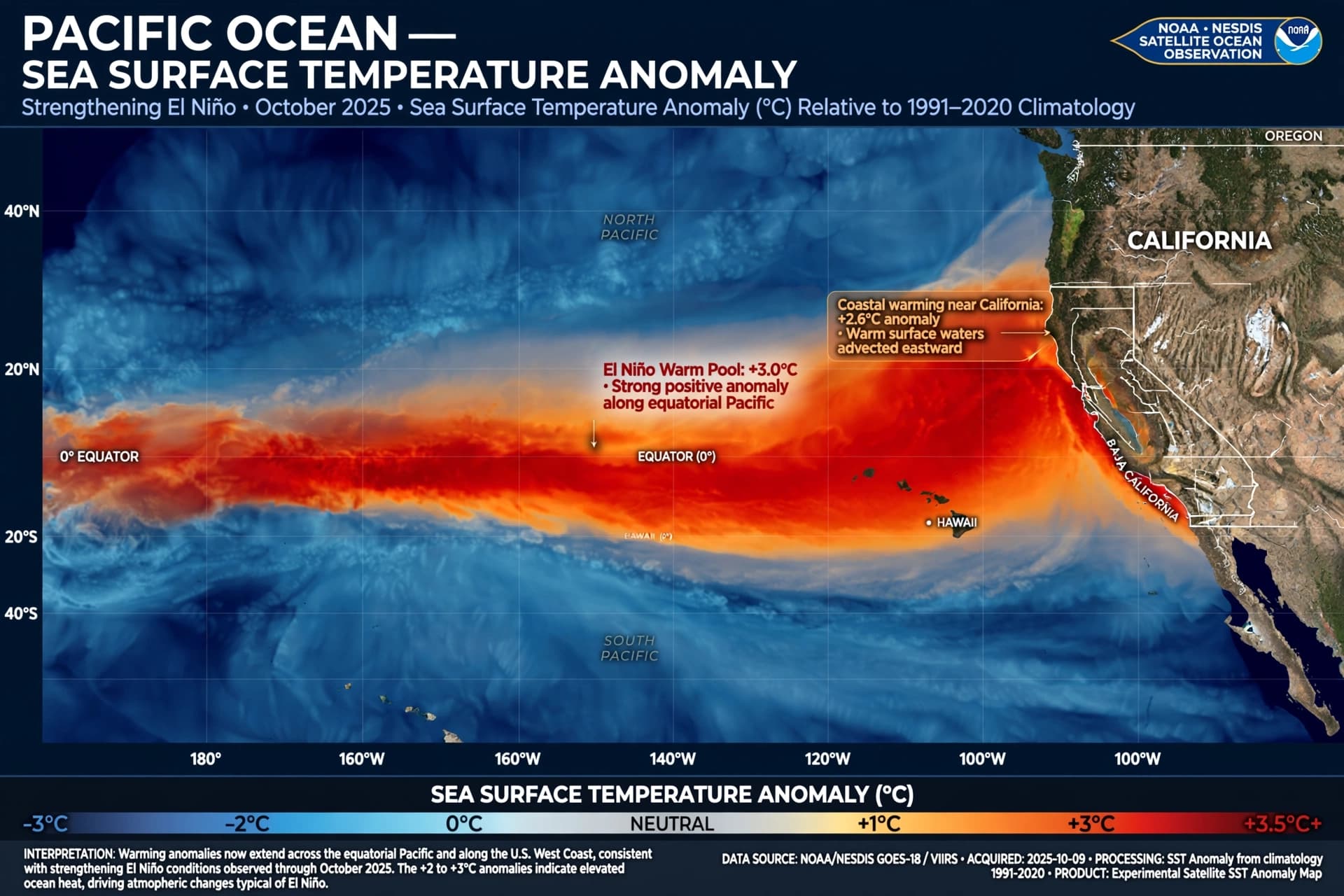
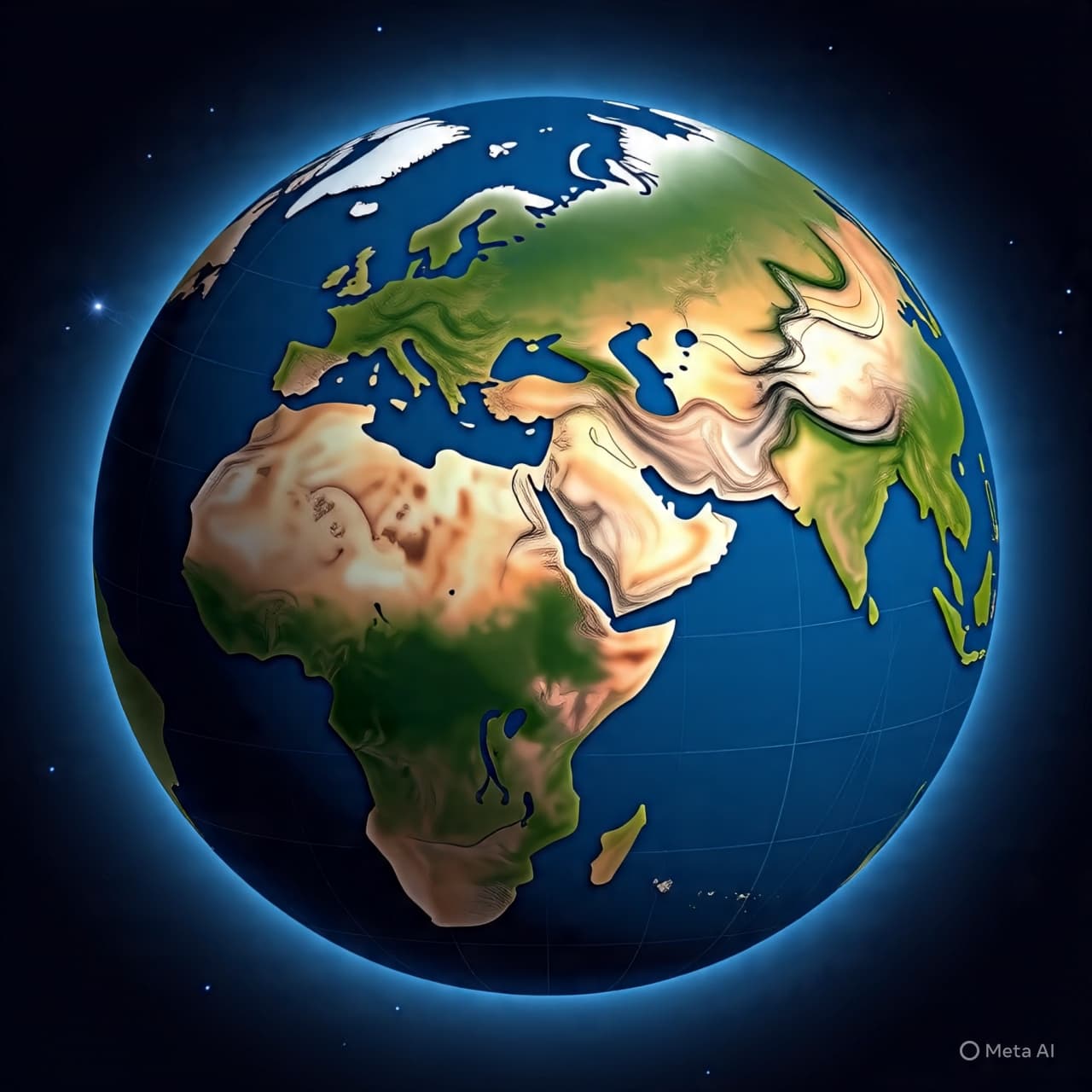
AI Image Disclaimer Visuals are AI-generated and serve as conceptual representations.
Sources (names only) Nature Science NASA Scientific American Space.com
Published by Banx Network. This article is part of the Banx decentralized media programme, powered by the BXE token on the XRP Ledger.