
SCIENCE99% credibility
Advances in Forensics Revive Hope in Kent Murder Case
New forensic techniques may shed light on the unsolved 1996 Kent murders of Dr. Lin Russell and her daughter, as DNA evidence is re-examined.
2 min read

New forensic techniques may shed light on the unsolved 1996 Kent murders of Dr. Lin Russell and her daughter, as DNA evidence is re-examined.
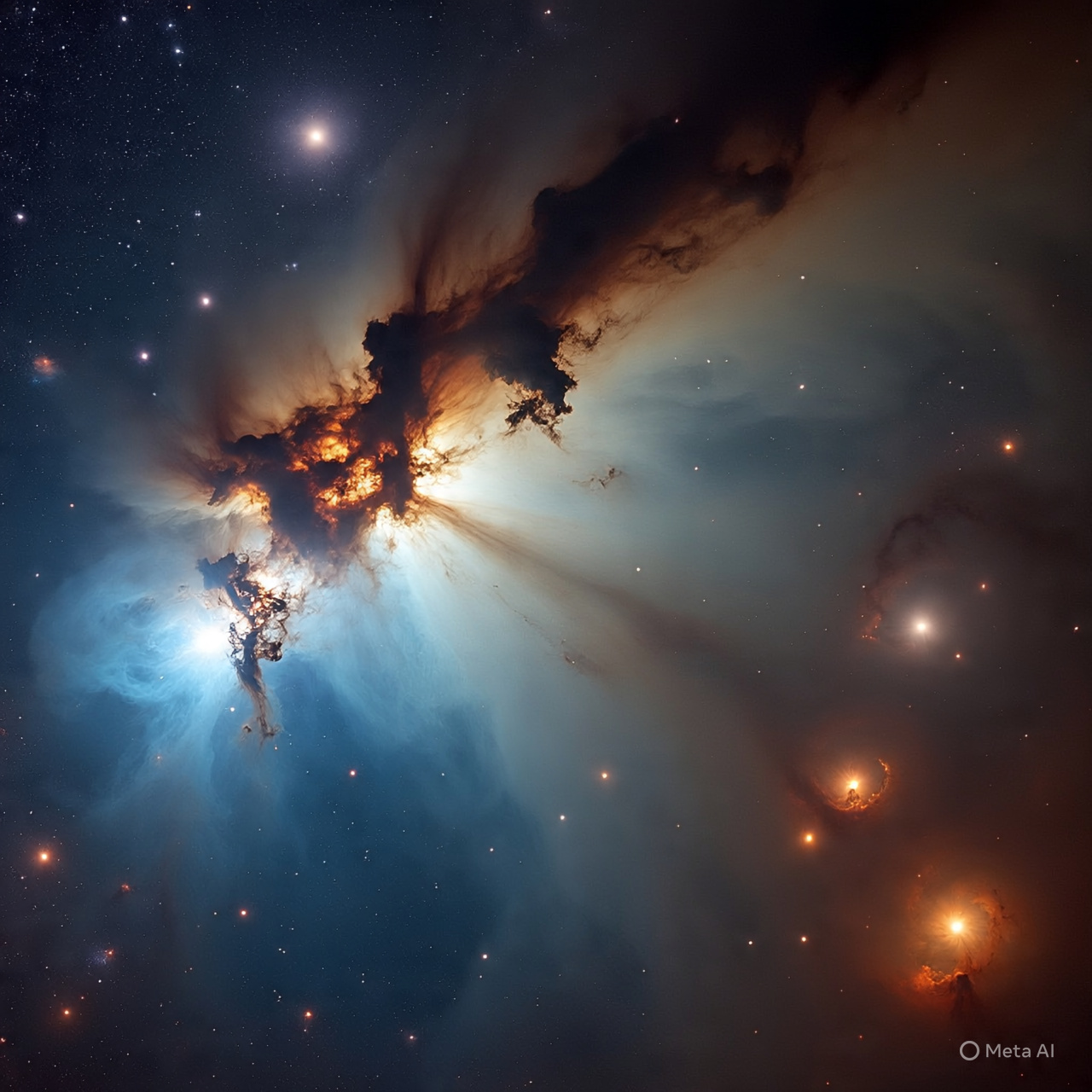
Explore Hubble's latest images revealing the intricate process of star formation, showcasing the beauty and complexity of cosmic 'stellar babies.'
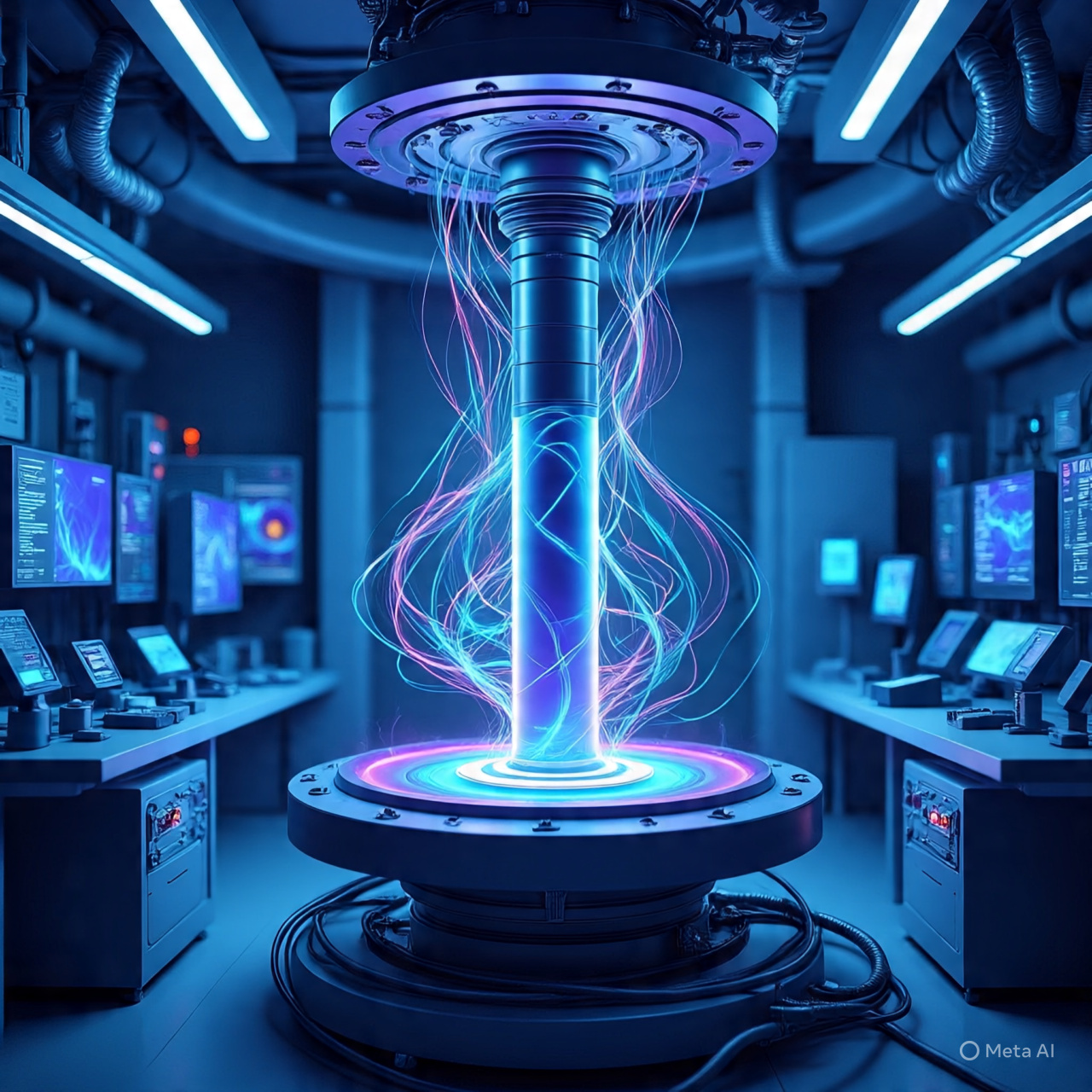
Recent advancements in nuclear fusion research signal a potential shift towards clean energy. Discover how global efforts are reshaping the energy landscape.
Astronomers unveil a mysterious iron bar in the Ring Nebula, reshaping our understanding of stellar evolution and the cosmos. Discover the implications.
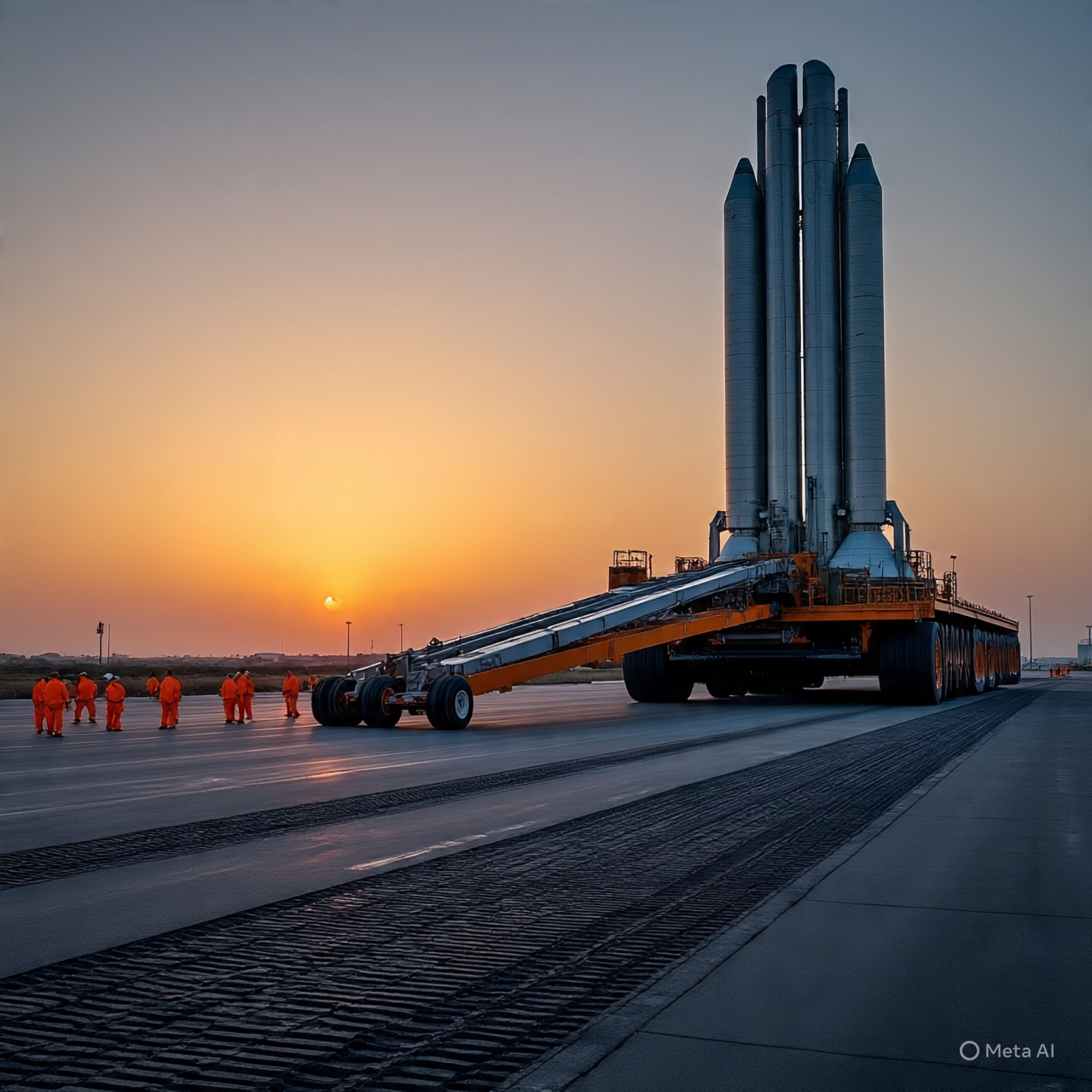
NASA's Artemis II rocket reaches Launch Pad 39B, marking a significant step toward the first crewed lunar mission in over 50 years, set for early 2024.
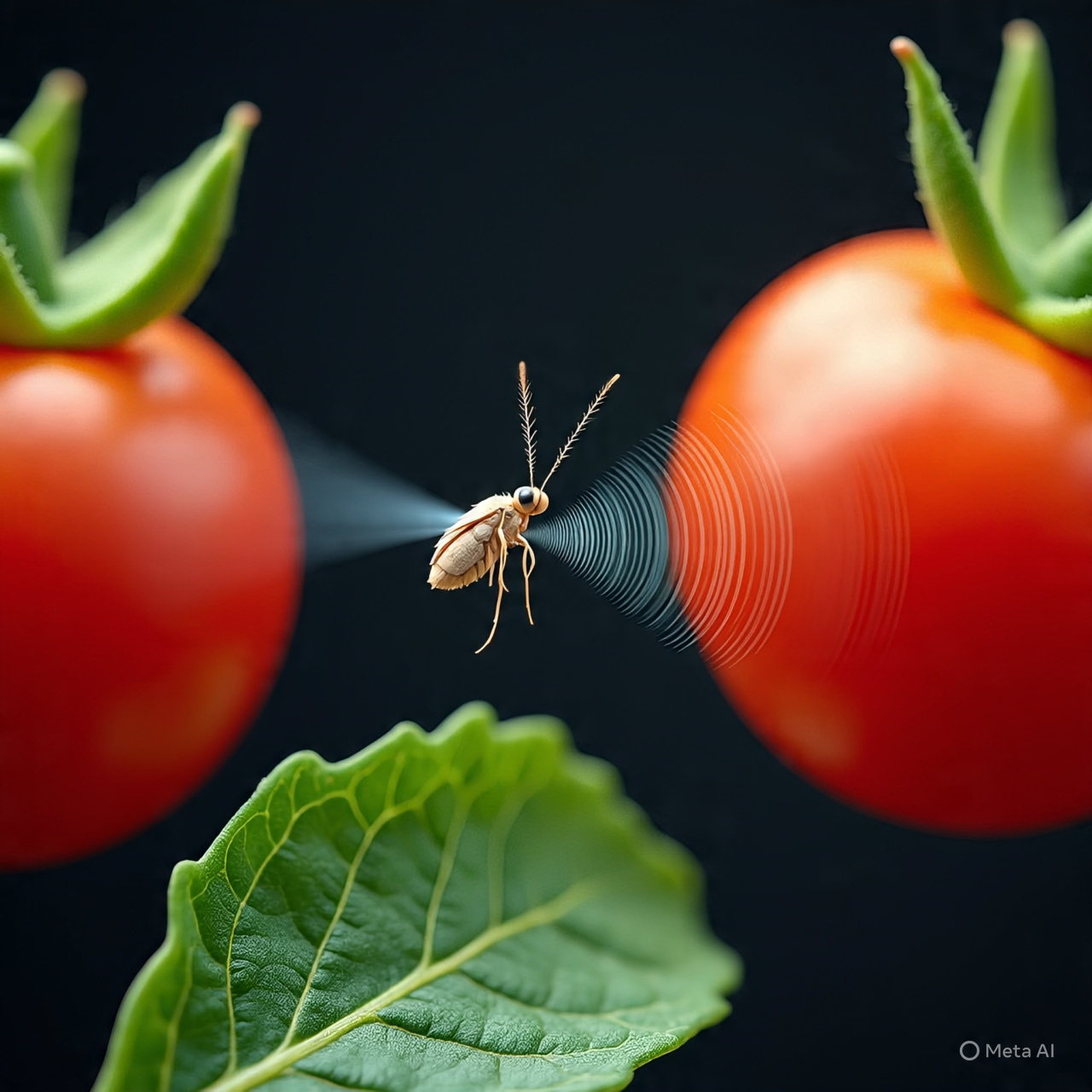
A groundbreaking study reveals that moths can hear ultrasonic sounds emitted by stressed plants, influencing their egg-laying decisions and ecological interactions.

Explore the remarkable journey of Sabrina Gonzalez Pasterski, a young physicist making waves in theoretical physics and recognized by Stephen Hawking.
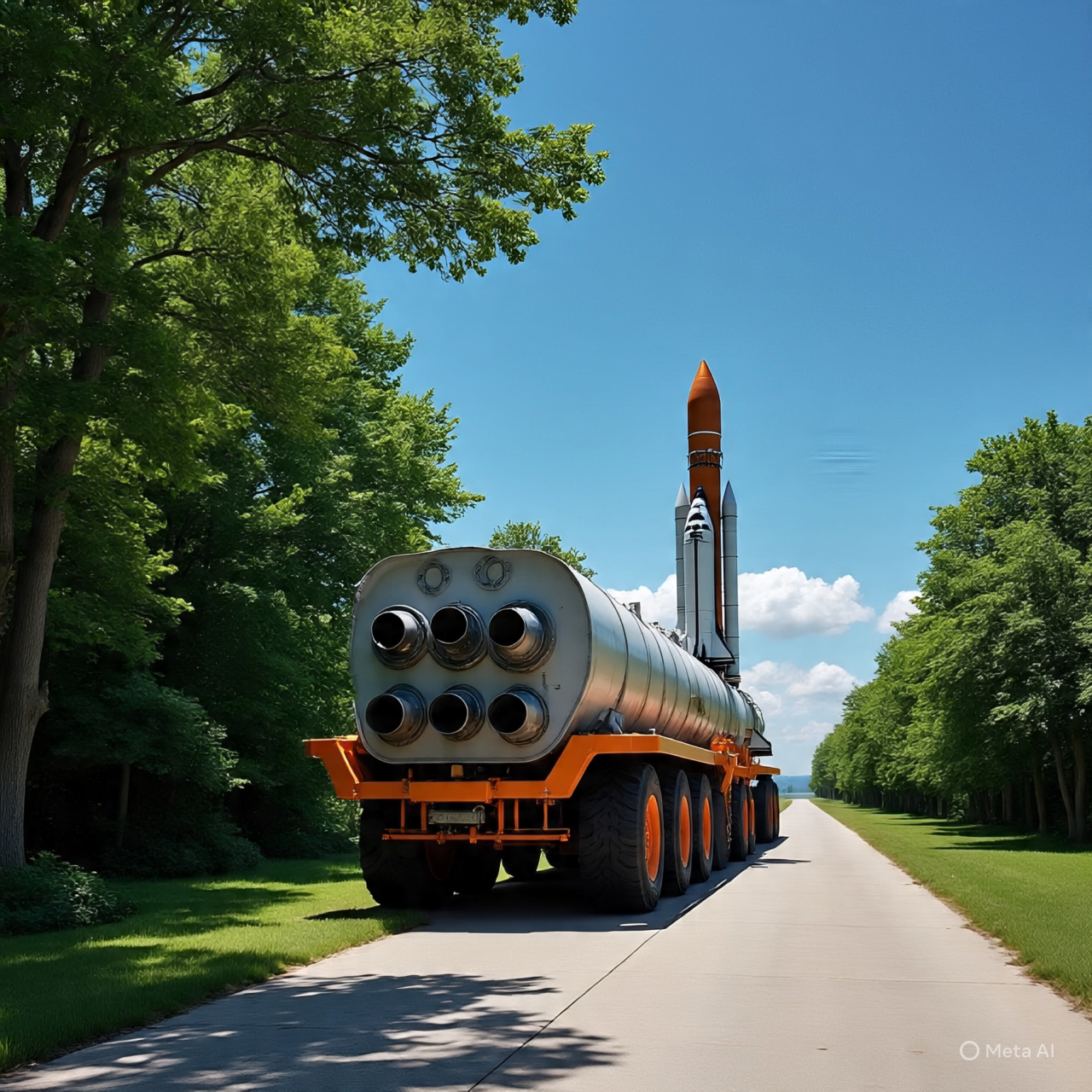
NASA's Artemis II rocket has arrived at the launch pad, marking a key step in the mission to return humans to the Moon. Final checks are underway.
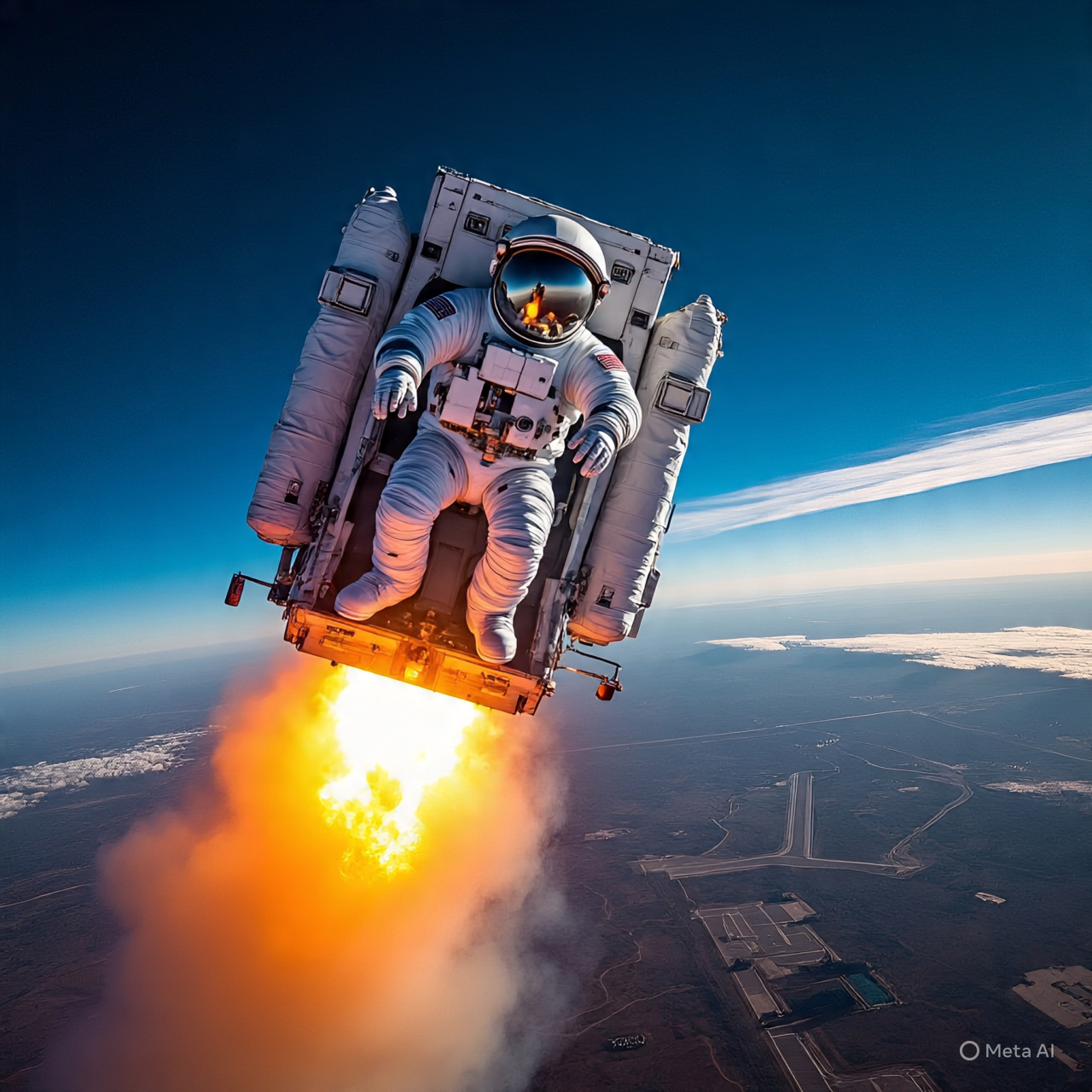
Recent scientific discoveries highlight the fragility of life in space and on Mars, revealing insights into human challenges and ancient ecosystems.
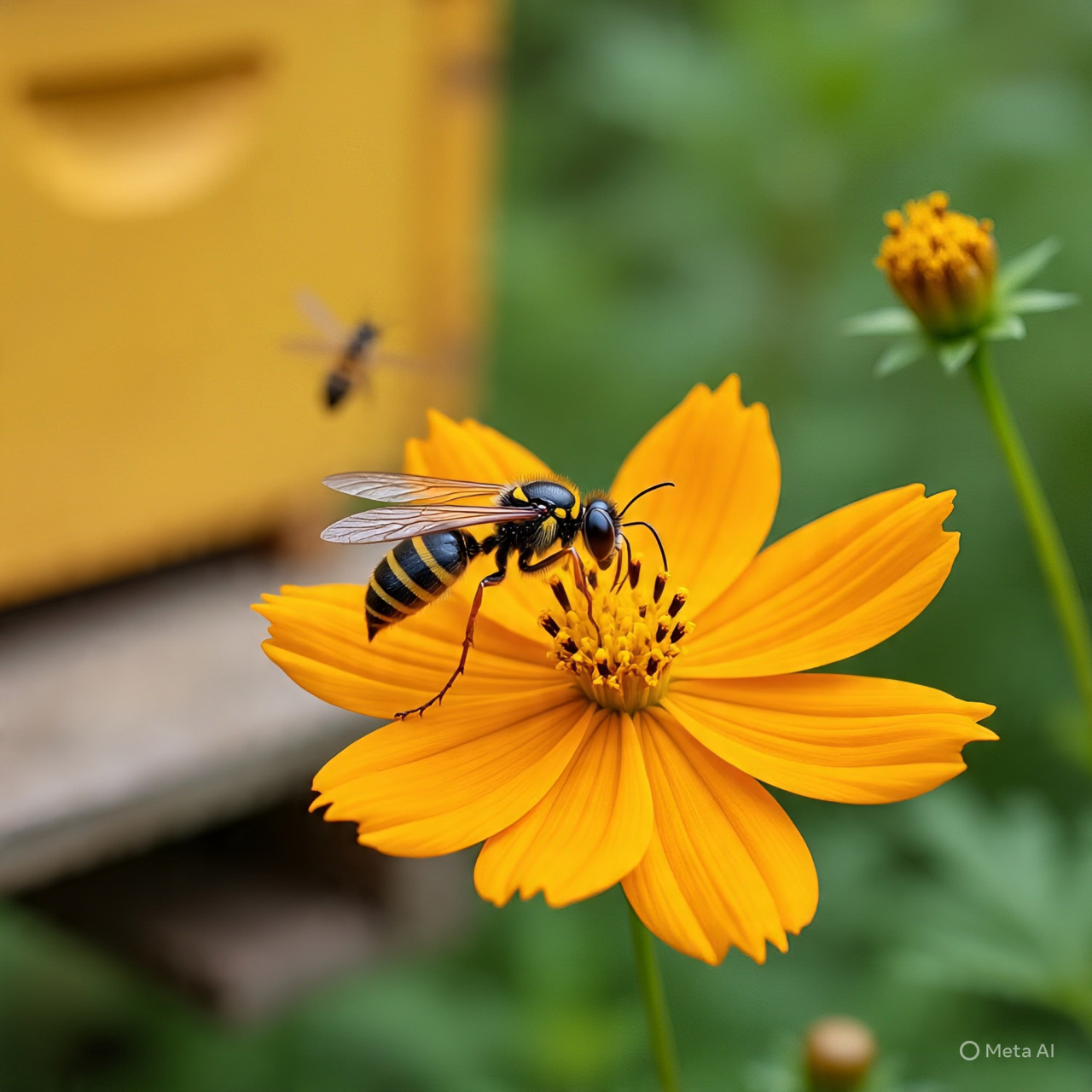
The invasive Asian hornet poses a significant threat to honeybee populations in Europe, prompting urgent action from beekeepers and authorities alike.
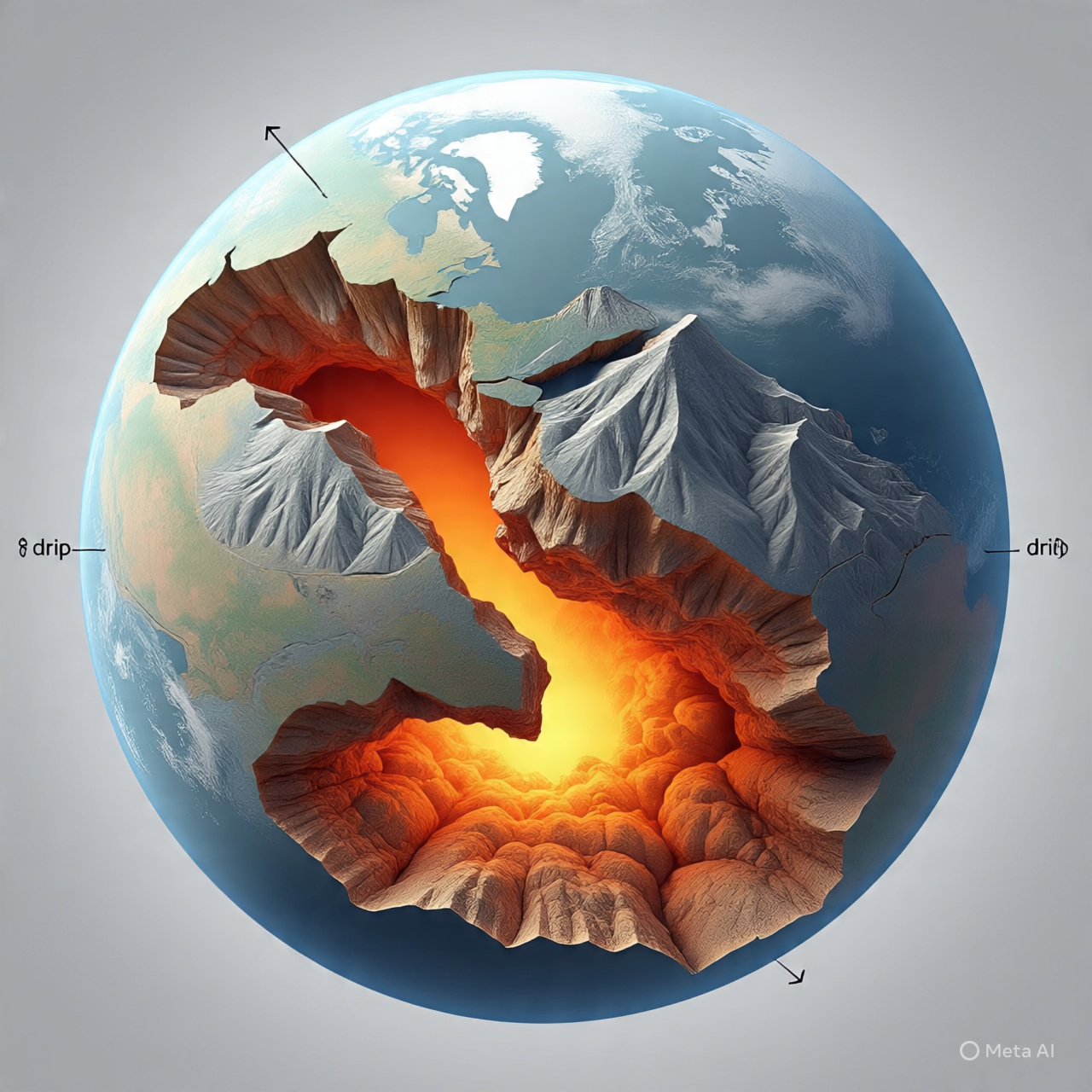
Explore how deep geological processes, including lithospheric dripping, are reshaping the landscape of central Turkey's Konya Basin over millions of years.
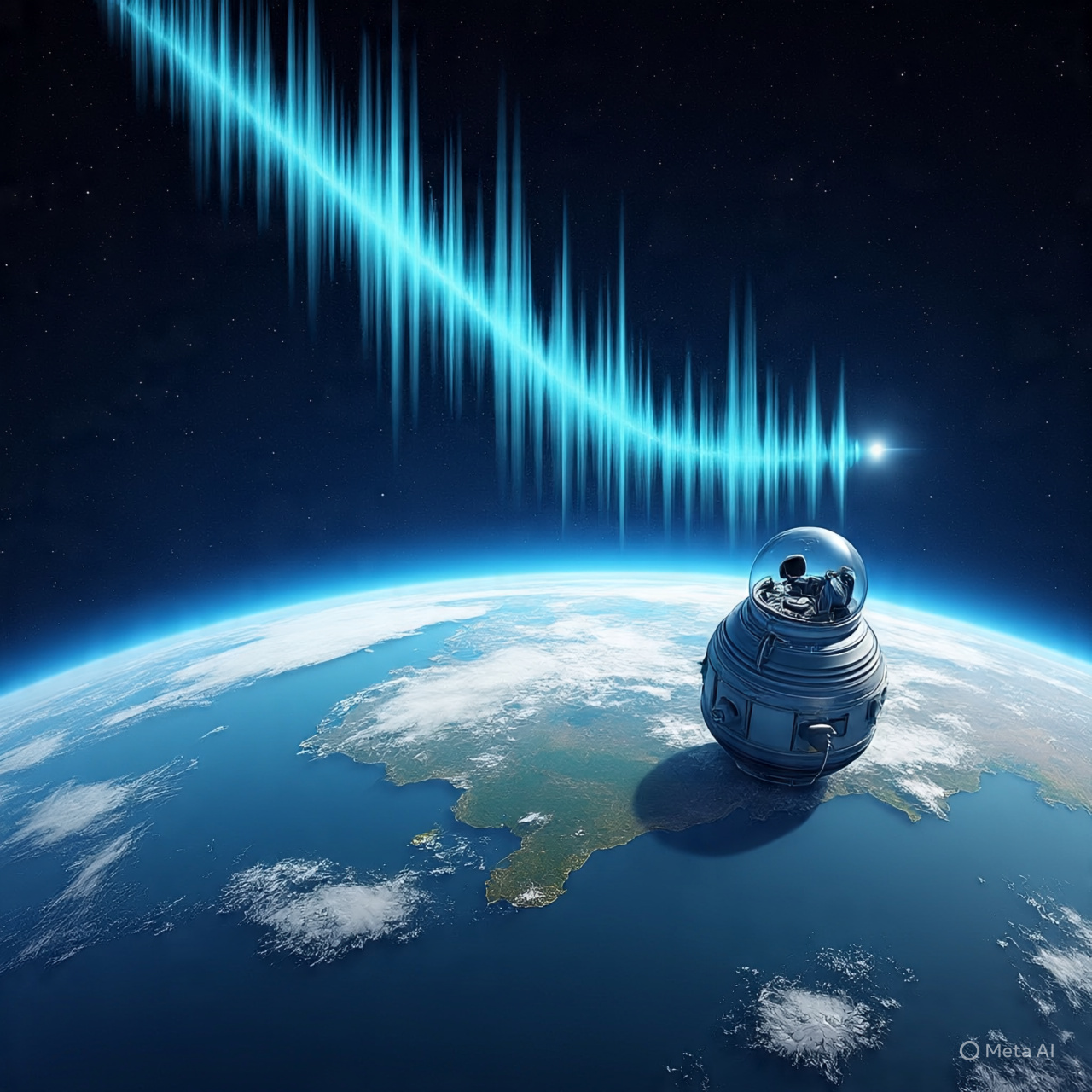
Explore the mysterious knocking sounds reported by astronaut Yang Liwei during China's first crewed space mission, Shenzhou 5, and their implications.
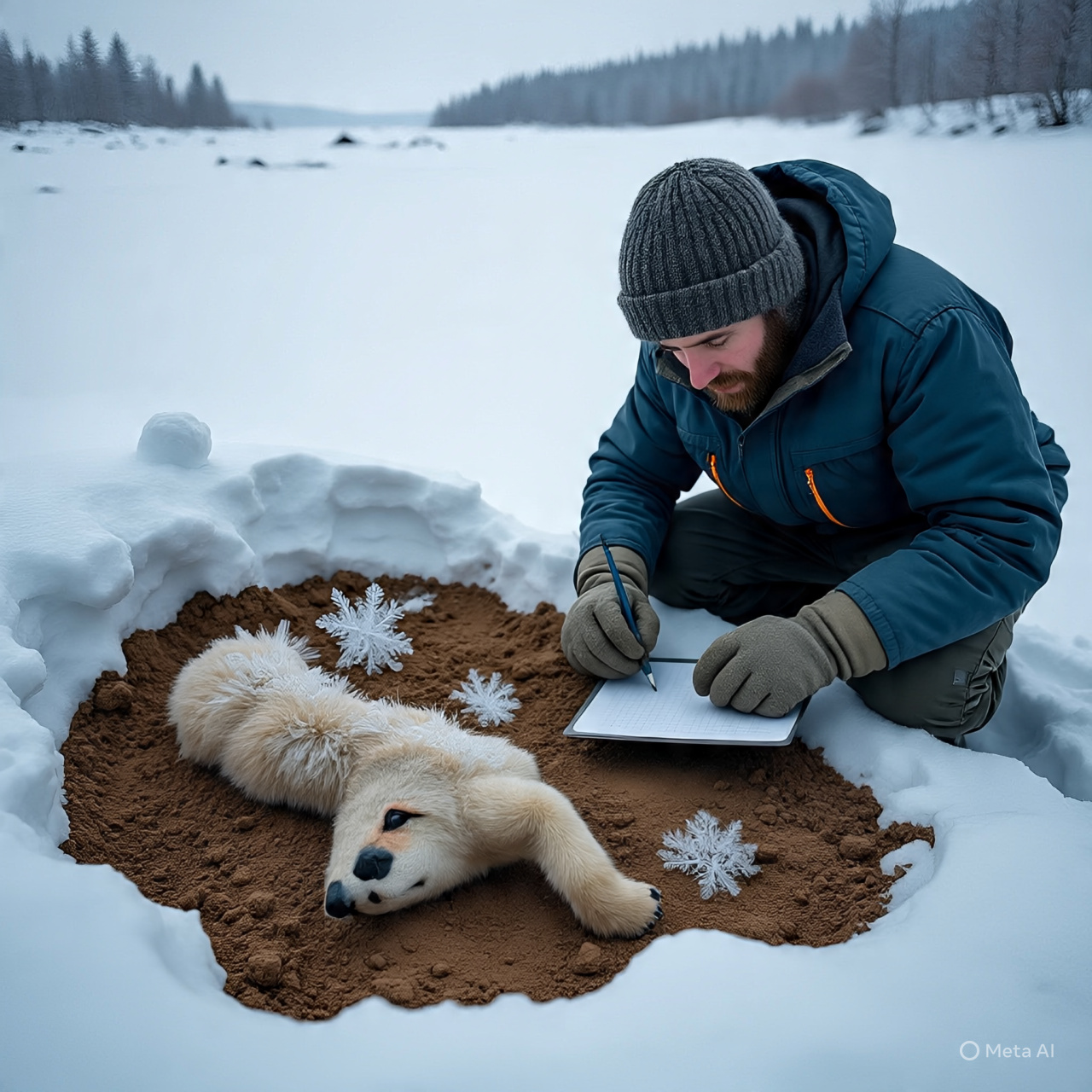
A 15,000-year-old wolf pup's preserved stomach reveals the genome of a woolly rhinoceros, shedding light on Ice Age extinction events.
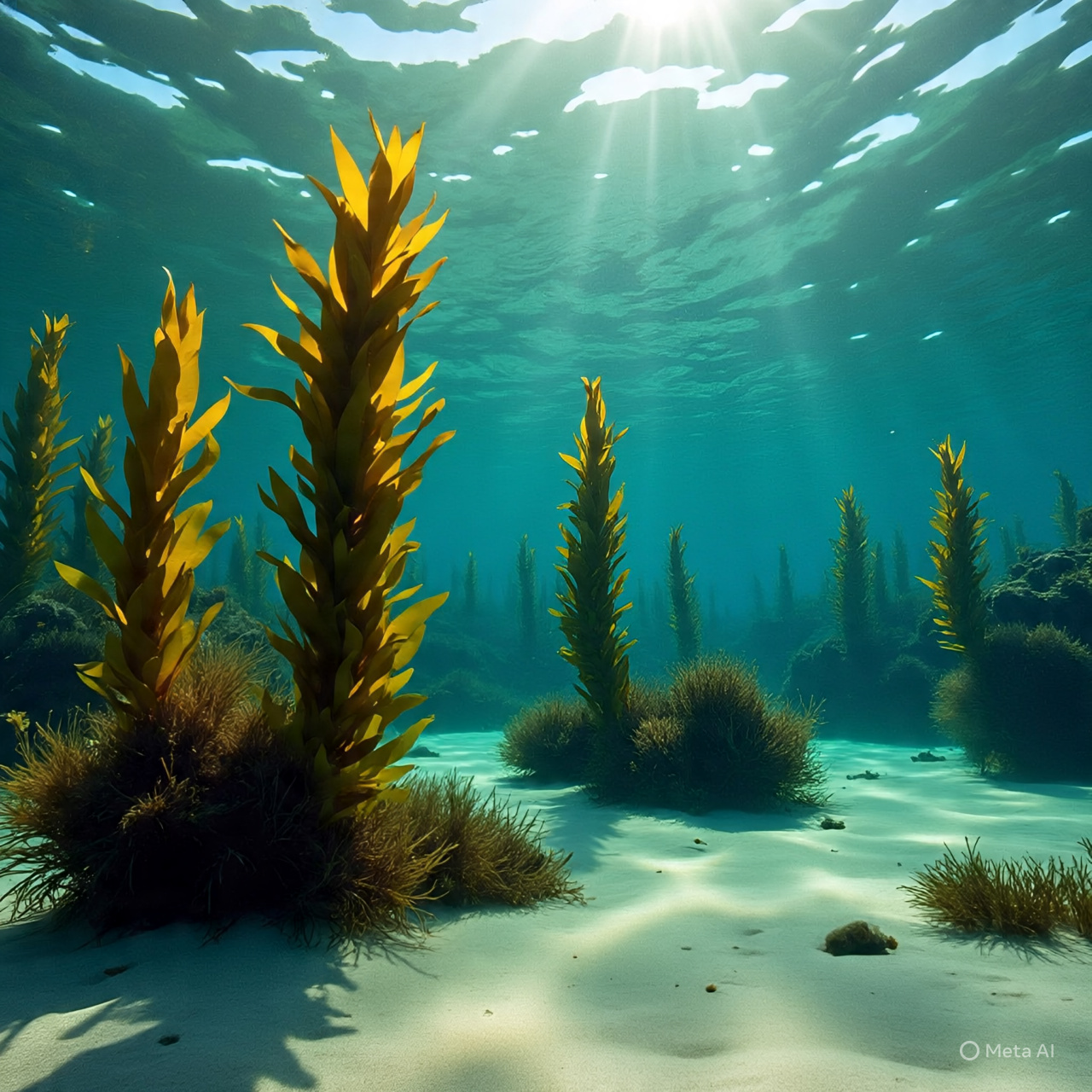
Scientists track marine darkwaves, periods of underwater light loss affecting coastal ecosystems, revealing new insights into ocean health.
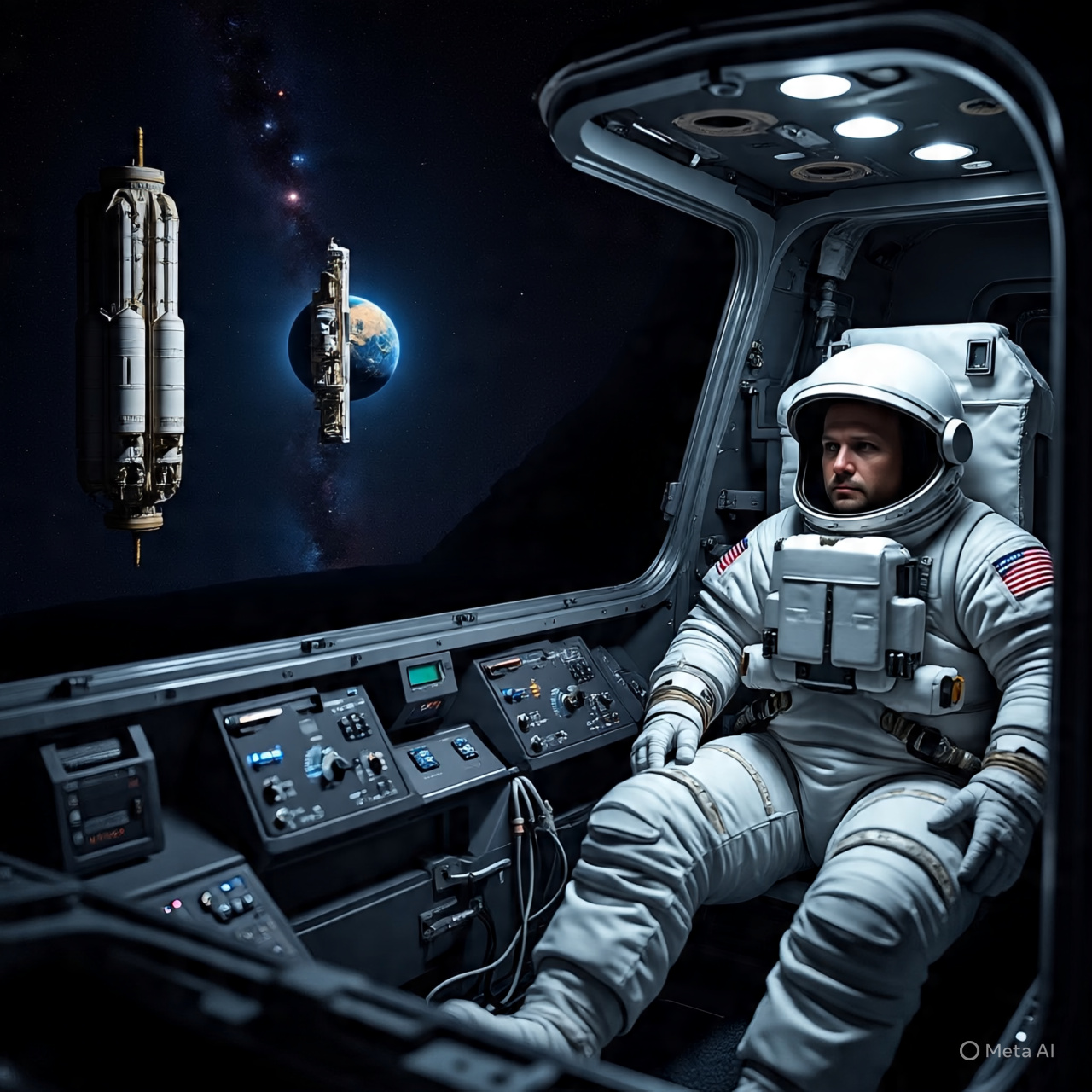
This week in science: Mars Sample Return canceled, astronaut returns to Earth, and woolly rhinoceros remains found in Siberian permafrost.
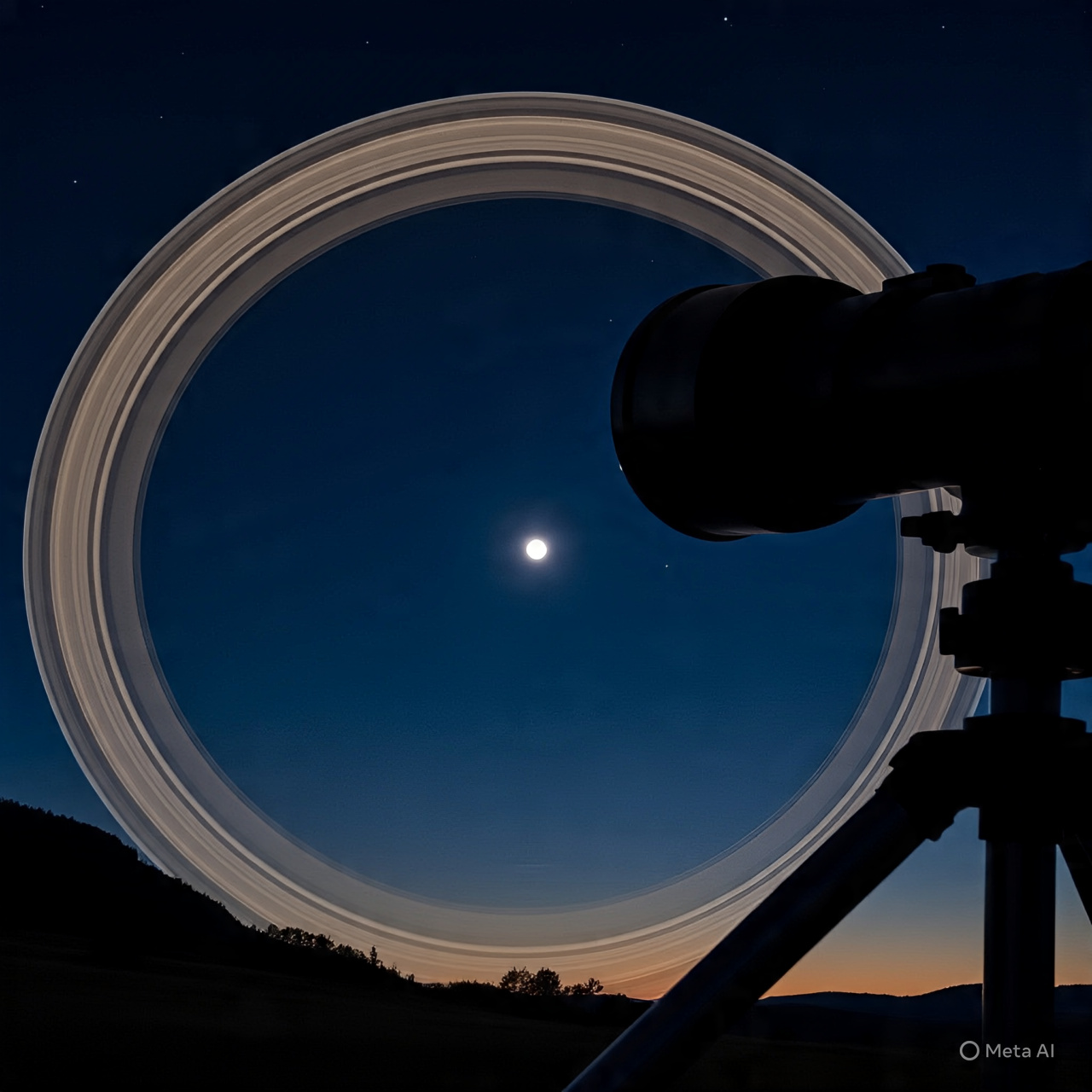
Tonight, Saturn and its moon Titan align in the night sky, offering a serene view for stargazers. Don't miss this celestial event as twilight fades.
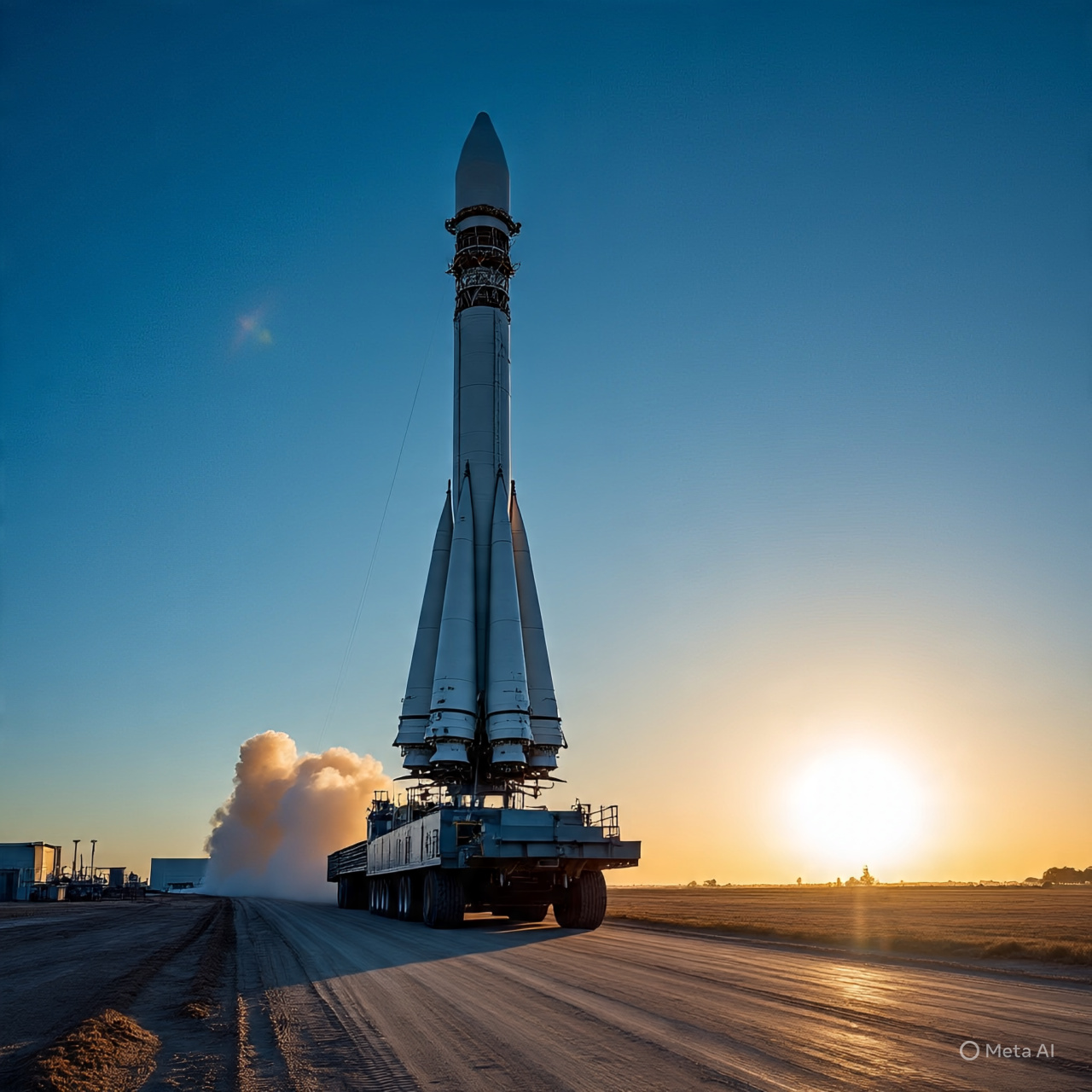
NASA's Artemis II rocket begins its slow rollout to the launch pad, marking a significant step in the mission to return humans to the Moon with careful preparation.
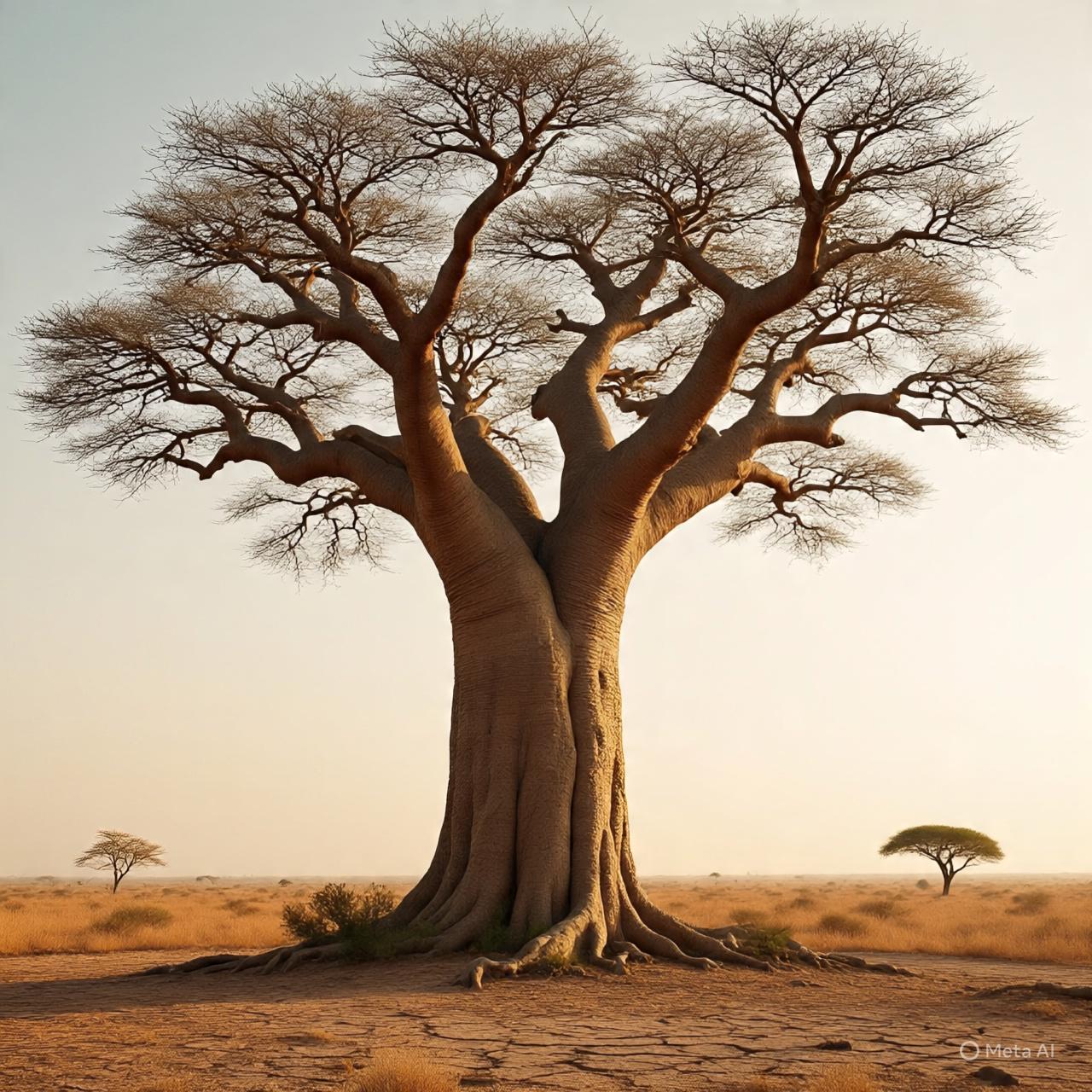
Explore how climate change is affecting baobab trees in northern Ghana, impacting local communities and ecosystems reliant on these ancient trees.
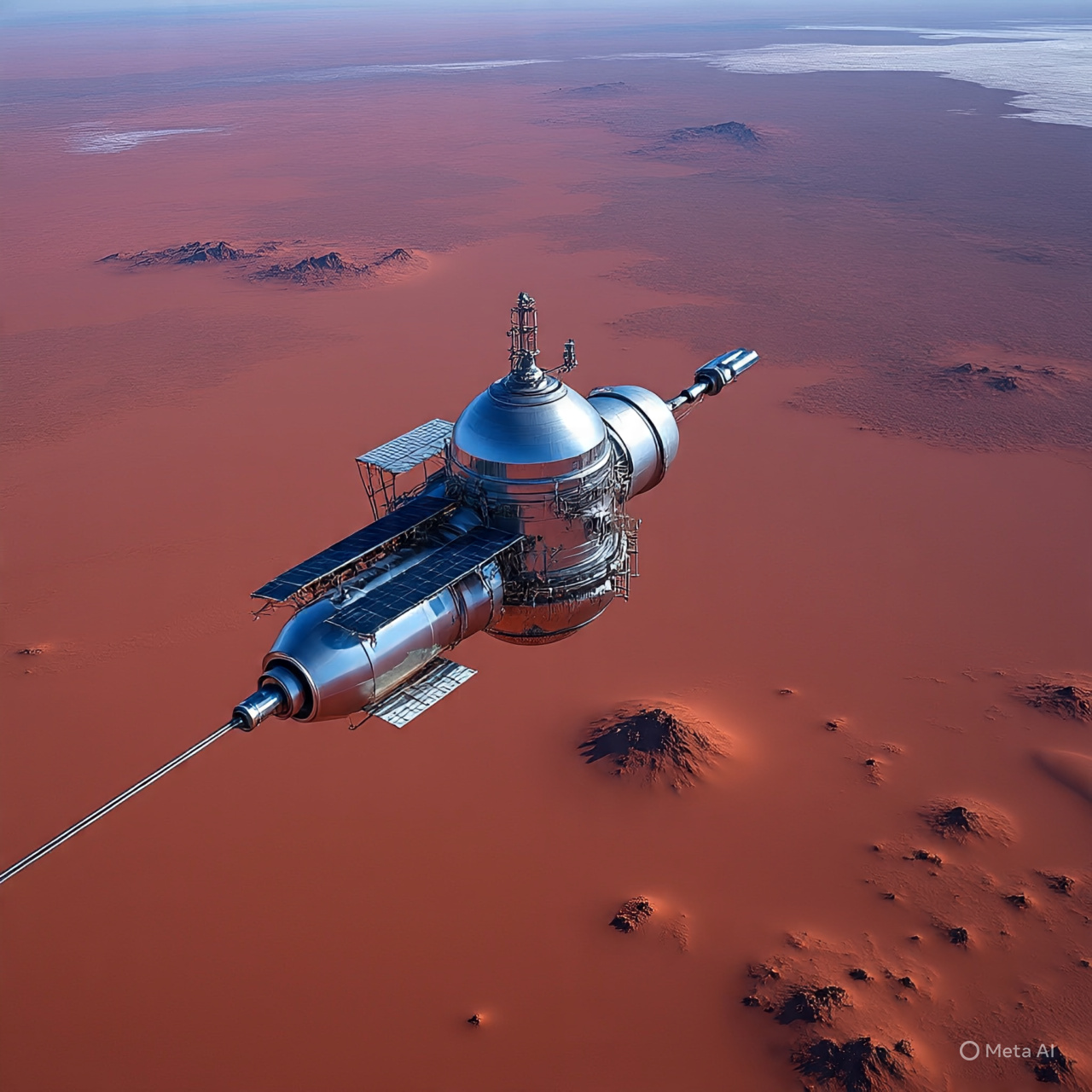
NASA's MAVEN orbiter has not communicated with Earth for over a month, raising concerns about its status and the future of Mars exploration.
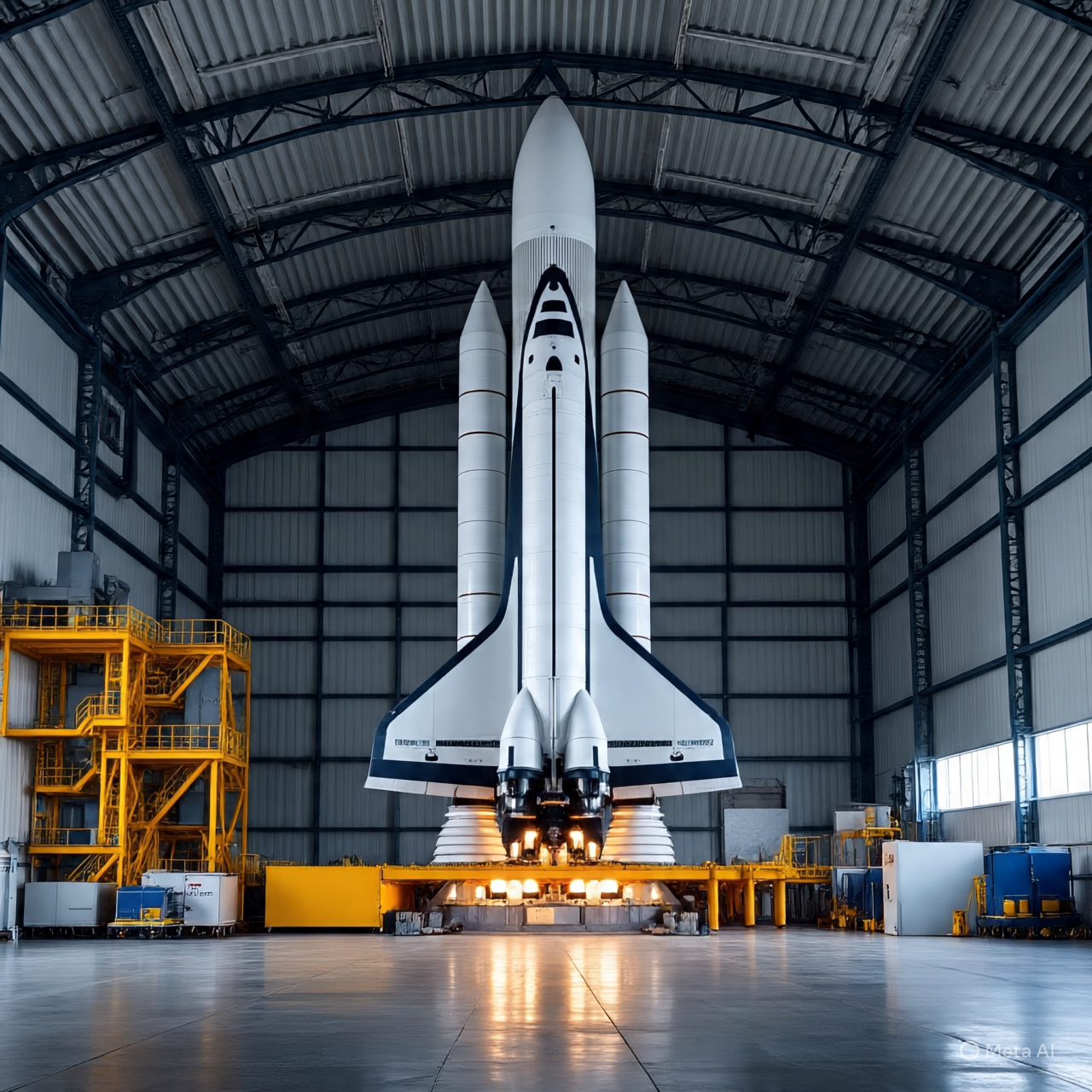
NASA is set to launch Artemis II, its first crewed mission around the Moon, testing systems for future lunar landings and deep space exploration.
A magnitude 5.3 earthquake struck the remote Western Indian–Antarctic Ridge, an undersea tectonic boundary, with no reported damage or risk to populated areas.
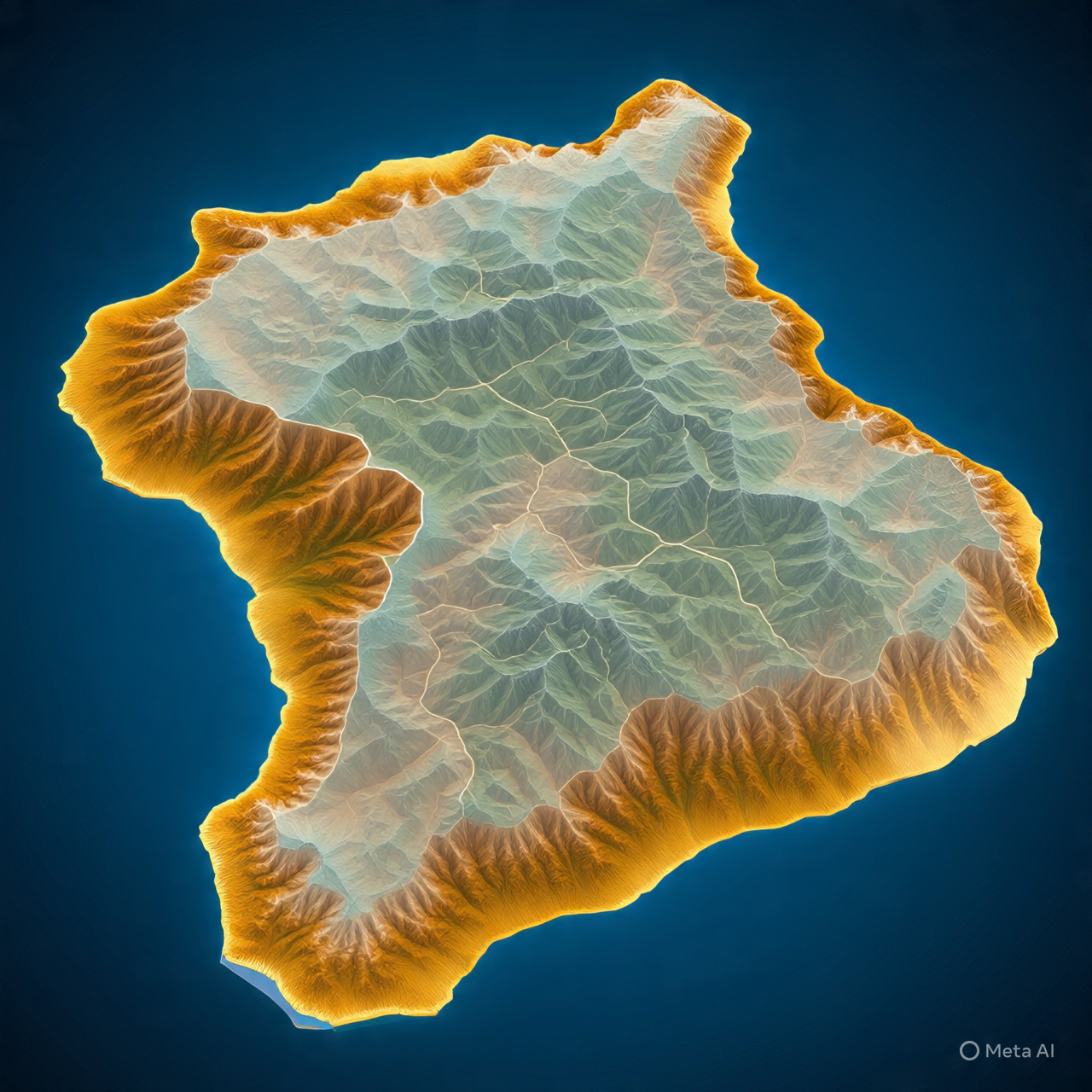
Explore how elastic heterogeneity beneath the Nicoya Peninsula influences seismic activity, reshaping our understanding of subduction zones and earthquake cycles.
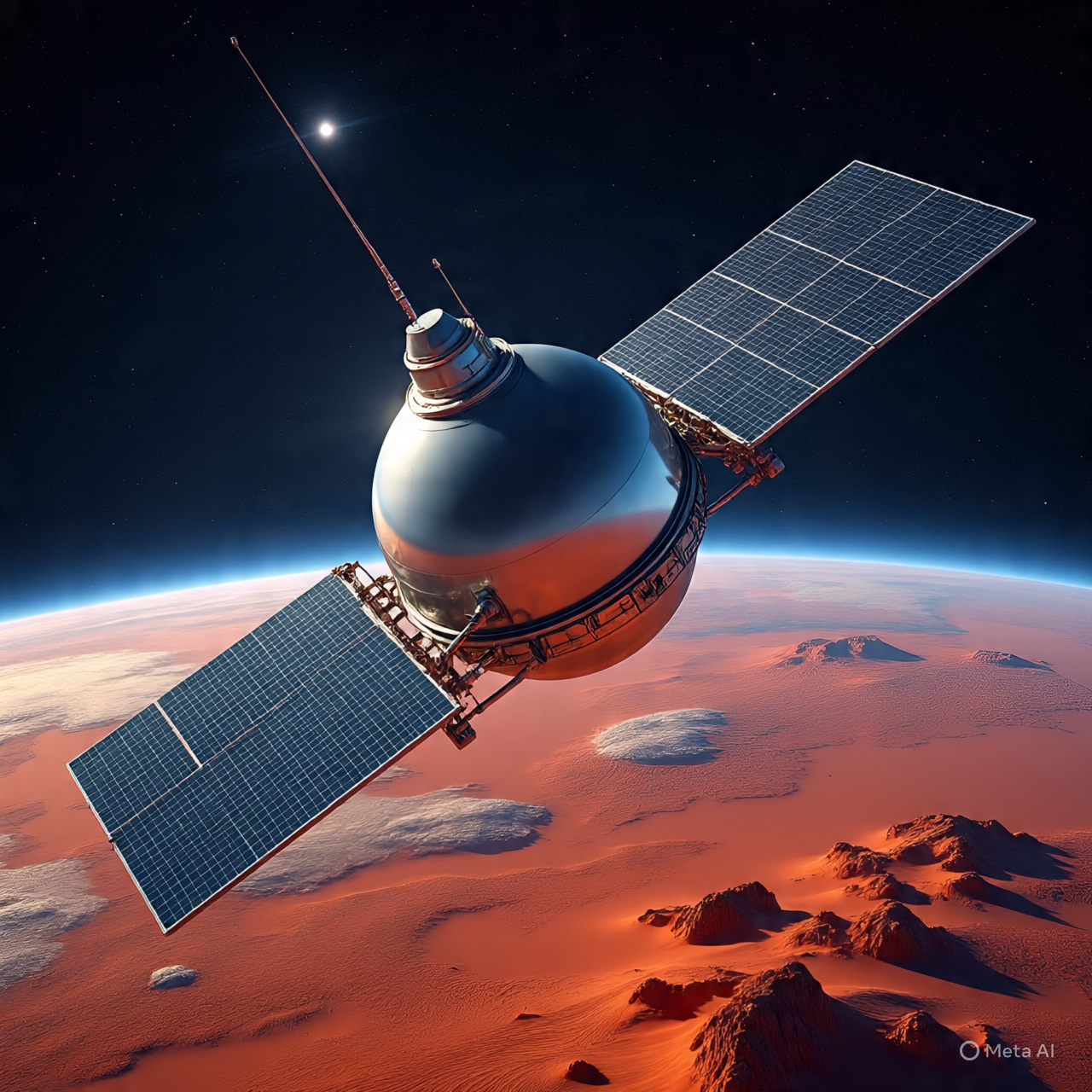
NASA is attempting to reestablish contact with its MAVEN Mars orbiter after losing signal during a solar conjunction. The mission has been ongoing since 2014.

Scientists unveil Bedmap3, a detailed map revealing Antarctica's hidden subglacial landscape, crucial for understanding climate change impacts.