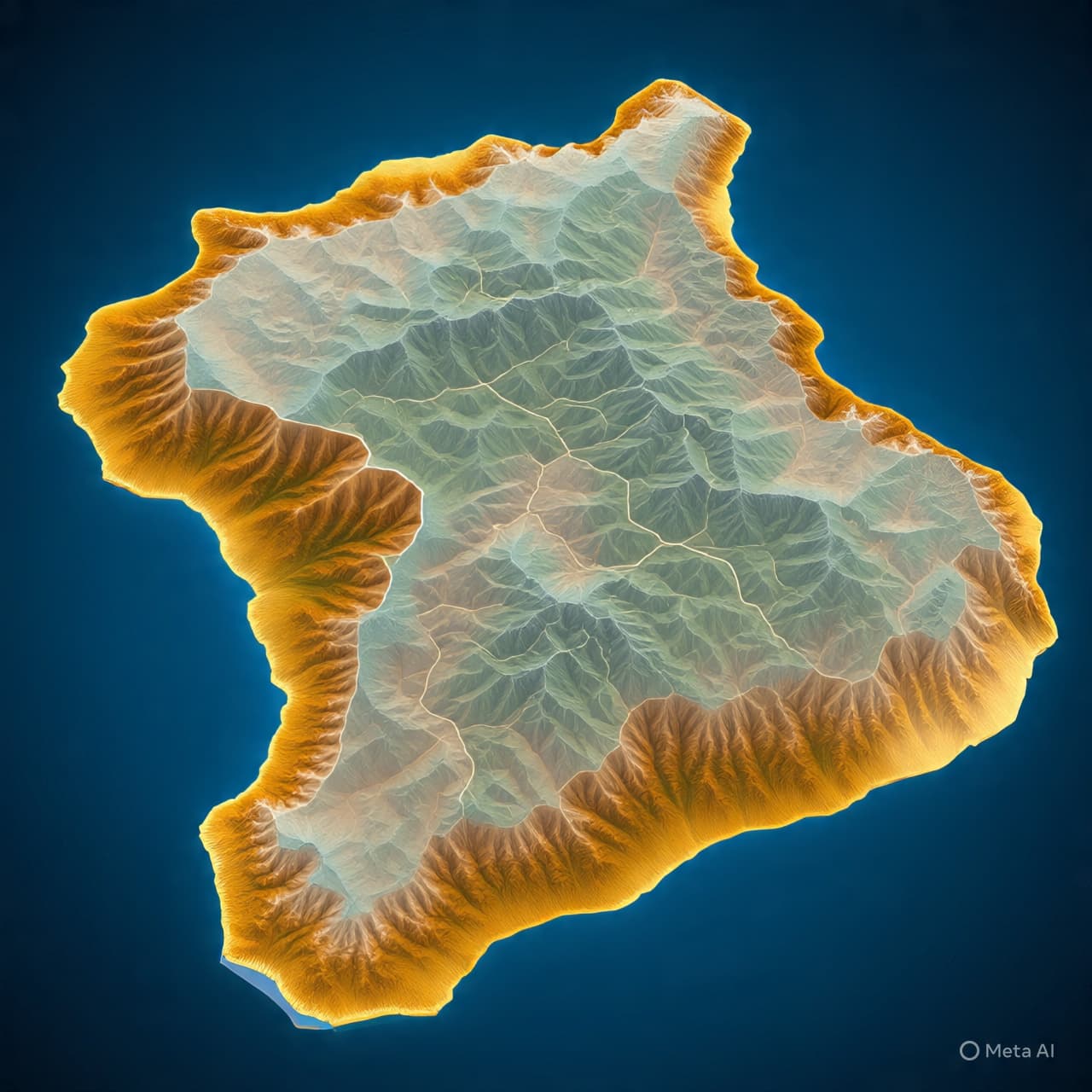
Imagine the Earth beneath the Nicoya Peninsula not as a solid, monolithic block of stone, but as a complex mosaic, much like a seasoned instrument crafted from woods of varying density. As the Cocos Plate slides beneath the Caribbean, it does not encounter a uniform resistance; rather, it meets a landscape of subtle inconsistencies—patches of rigid strength and pockets of soft, yielding sediments. This inherent variety, which scientists call elastic heterogeneity, acts as the hidden architecture of the subduction zone, guiding the slow buildup and sudden release of energy in ways that a simple, uniform model might never truly capture.
For decades, the Nicoya Peninsula has served as a rare natural laboratory, a place where the land sits directly atop the seismogenic zone, allowing us to feel the Earth's breath with unique intimacy. When we attempt to map the seismic cycle, we often assume the crust responds to stress like a perfect spring. However, the reality is far more nuanced. The presence of diverse rock types and varying fluid pressures means that the crust deforms unevenly. Some areas may stretch and hold tension like a taut wire, while others flow and adjust, silently dissipating the energy that would otherwise fuel a great tremor. By acknowledging these differences, we begin to see that the "locking" of the plates is not a single, flat state, but a vibrant, three-dimensional puzzle of varying resistance.
In recent observations, particularly surrounding the 2012 earthquake and the subsequent slow-slip events, the importance of this heterogeneity has become increasingly clear. When we account for the diverse elastic properties of the forearc crust, our models of the seismic cycle become more lifelike, moving away from rigid abstractions toward a more faithful representation of nature. We find that the way the ground rises and falls during the long years of quiet is deeply influenced by these internal variations. It is as if the Earth is speaking in a more complex language than we first realized, and by listening to the specific "notes" played by different geological layers, we can better understand when and how the next great release might occur.
In the end, the study of the Nicoya Peninsula reminds us that the earth is rarely as simple as our initial theories suggest. Recent geological surveys and geodetic models indicate that including elastic heterogeneity significantly alters our estimates of how much stress is actually being stored. These findings do not change the inevitable reality of the seismic cycle, but they do offer a more refined perspective on the deformation of our coastlines. By respecting the complexity of the Earth's internal structure, researchers are finding more accurate ways to interpret the subtle shifts in the land, providing a clearer, if more complex, picture of the forces at work beneath the tropical soil.
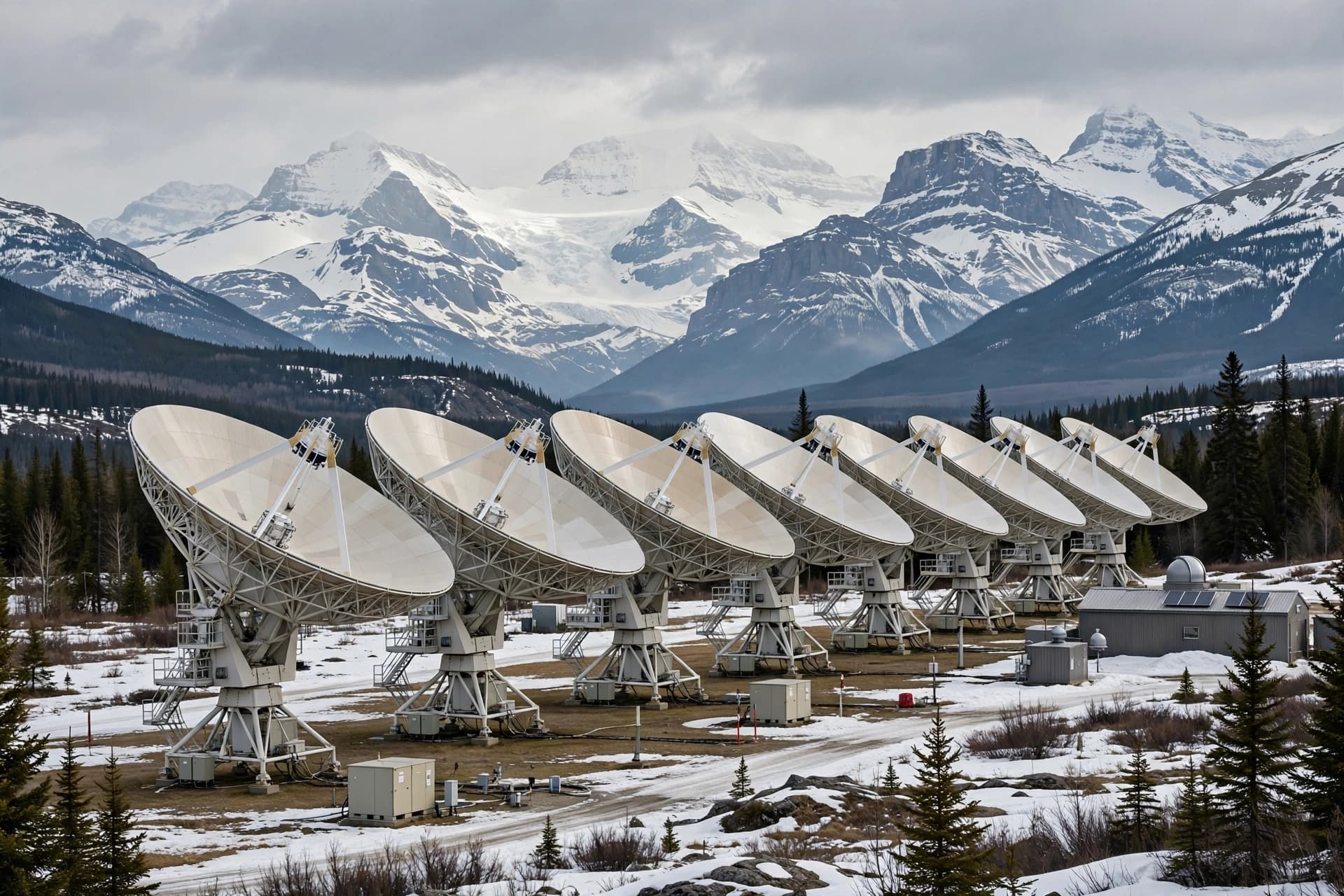
AI Image Disclaimer Illustrations in this article were produced with AI and serve as conceptual depictions.
Source Check:
Journal of Geophysical Research: Solid Earth Earth and Planetary Science Letters Geophysical Research Letters Nature Geoscience Bulletin of the Seismological Society of America
Published by Banx Network. This article is part of the Banx decentralized media programme, powered by the BXE token on the XRP Ledger.