There are moments in exploration where effort, patience, and quiet precision come together in a long‑anticipated milestone — much like a musician tuning every string before the symphony begins. On a brisk January evening at NASA’s Kennedy Space Center in Florida, such a moment unfolded as the towering Artemis II Space Launch System (SLS) rocket and its Orion spacecraft began their final preparatory chapter, inching toward a journey that has been years in the making.
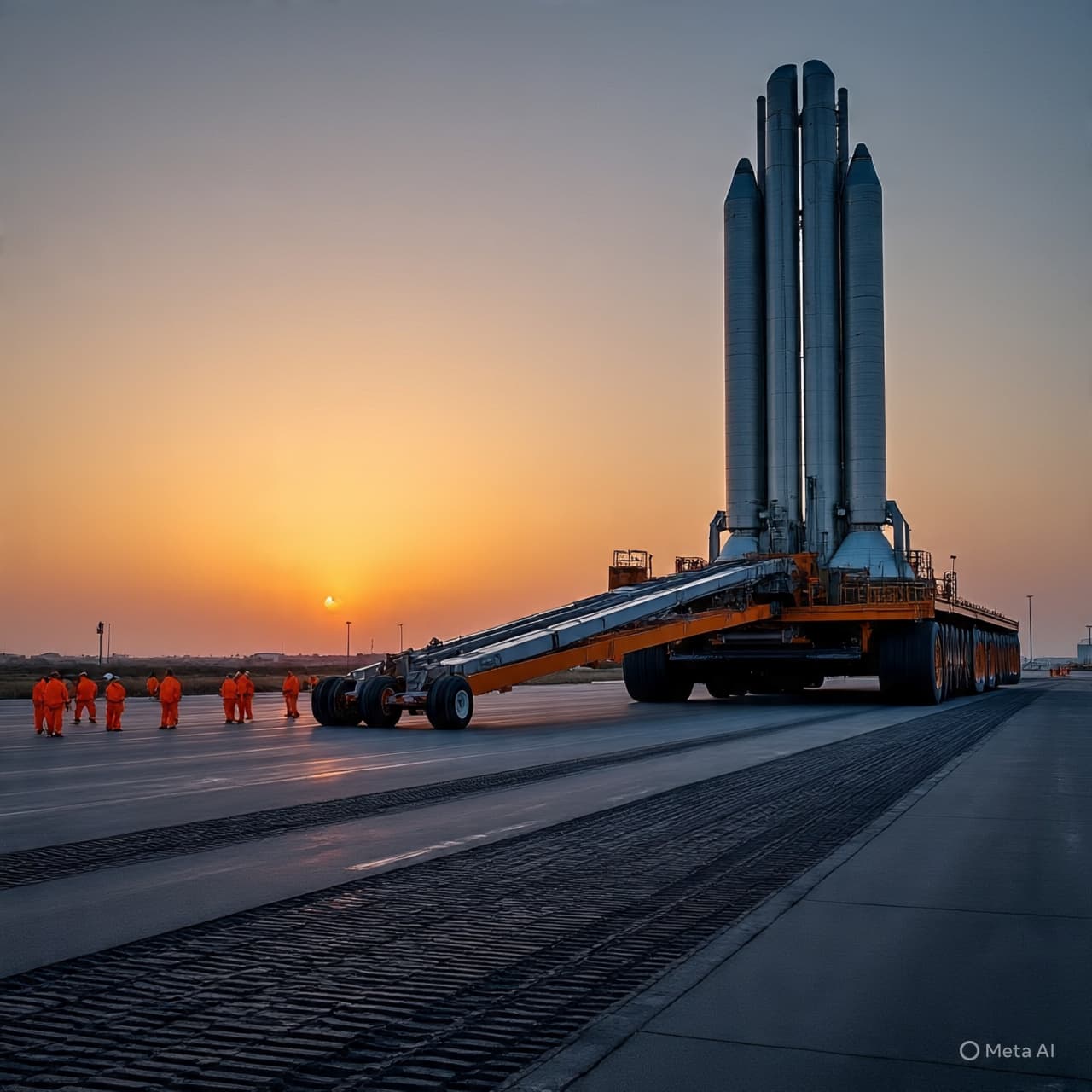
After a nearly 12‑hour crawl from NASA’s colossal Vehicle Assembly Building to Launch Pad 39B, the SLS — a 322‑foot (98‑meter) tall giant — stood poised under floodlights against the dusky Cape Canaveral sky. Riding on the back of NASA’s historic crawler‑transporter, the integrated stack was moved just four miles but with immense significance: this is the hardware that will carry human explorers beyond Earth orbit for the first time in over half a century.
Unlike traditional rocket transports, this slow‑motion progress invites reflection as much as applause. At a pace of less than a mile an hour, the journey symbolizes both the literal and figurative weight of our aspirations to return humans to lunar space. Cameras, engineers, and NASA staff watched as the 11‑million‑pound stack crept forward, marking another step toward a voyage that could launch as early as February.
Artemis II is framed as a critical crewed lunar mission test, carrying four astronauts — including NASA veterans and one Canadian Space Agency crew member — on a 10‑day voyage around the Moon and back. While this mission won’t land on the lunar surface, it will test the performance of life‑support systems and spacecraft endurance with humans aboard, laying ethical and technical groundwork for future lunar landing missions.
With the rocket now at its launch pad, NASA teams will undertake final preparations including a wet dress rehearsal, where propellants will be loaded and countdown procedures rehearsed under realistic conditions. These steps are safeguards in the careful choreography of complex systems and human lives. Should all go according to plan, Artemis II will launch within a sequence of weather and orbital windows starting in early February, with additional potential launch dates stretching into March and April.
This procession to the pad is more than hardware moving across concrete; it’s a continuation of decades‑long ambition — an echo of the Apollo era blended with modern innovation. The quiet determination of engineers, scientists, and astronauts reflects centuries of humanity’s push to reach higher, to stand at the threshold of worlds beyond our own.
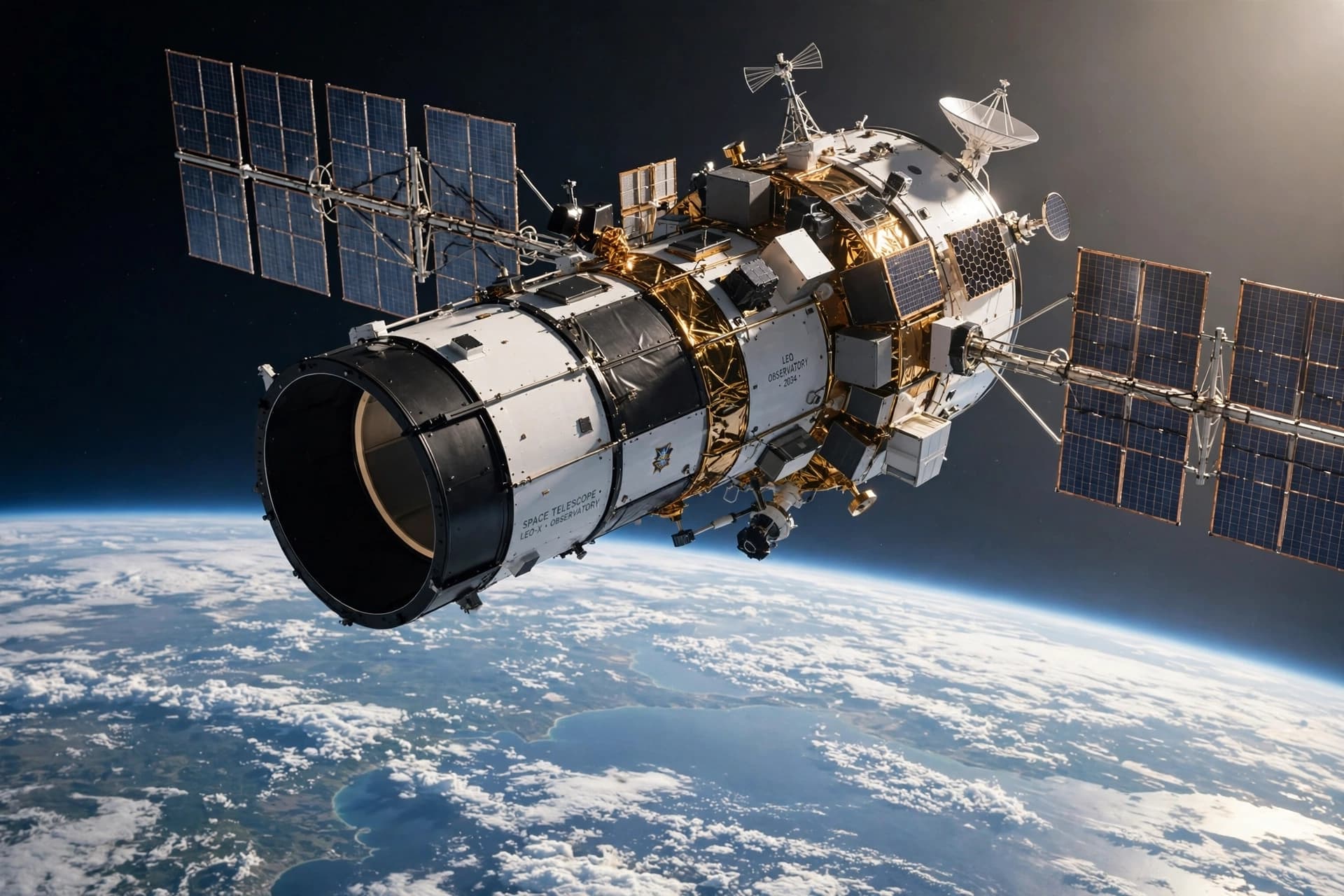
AI Image Disclaimer “Visuals are created with AI tools and are not real photographs.”
Published by Banx Network. This article is part of the Banx decentralized media programme, powered by the BXE token on the XRP Ledger.