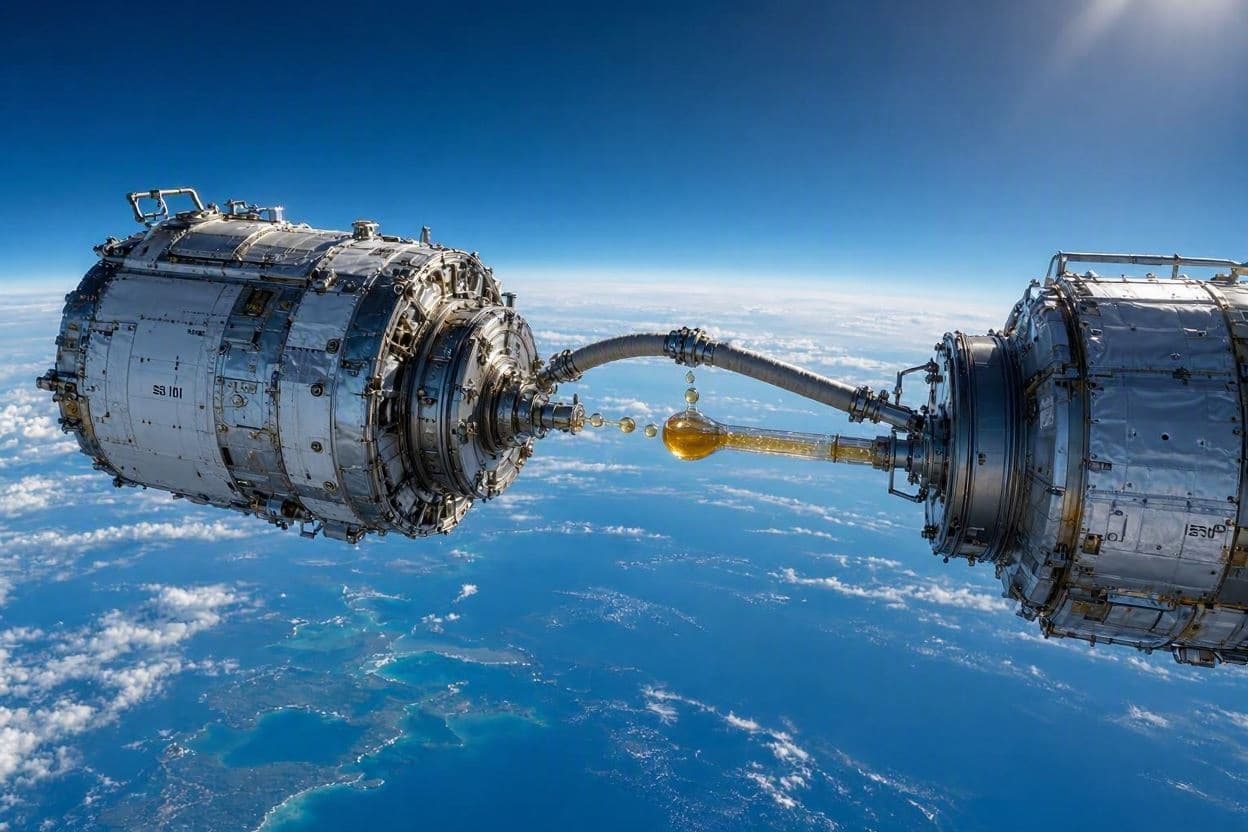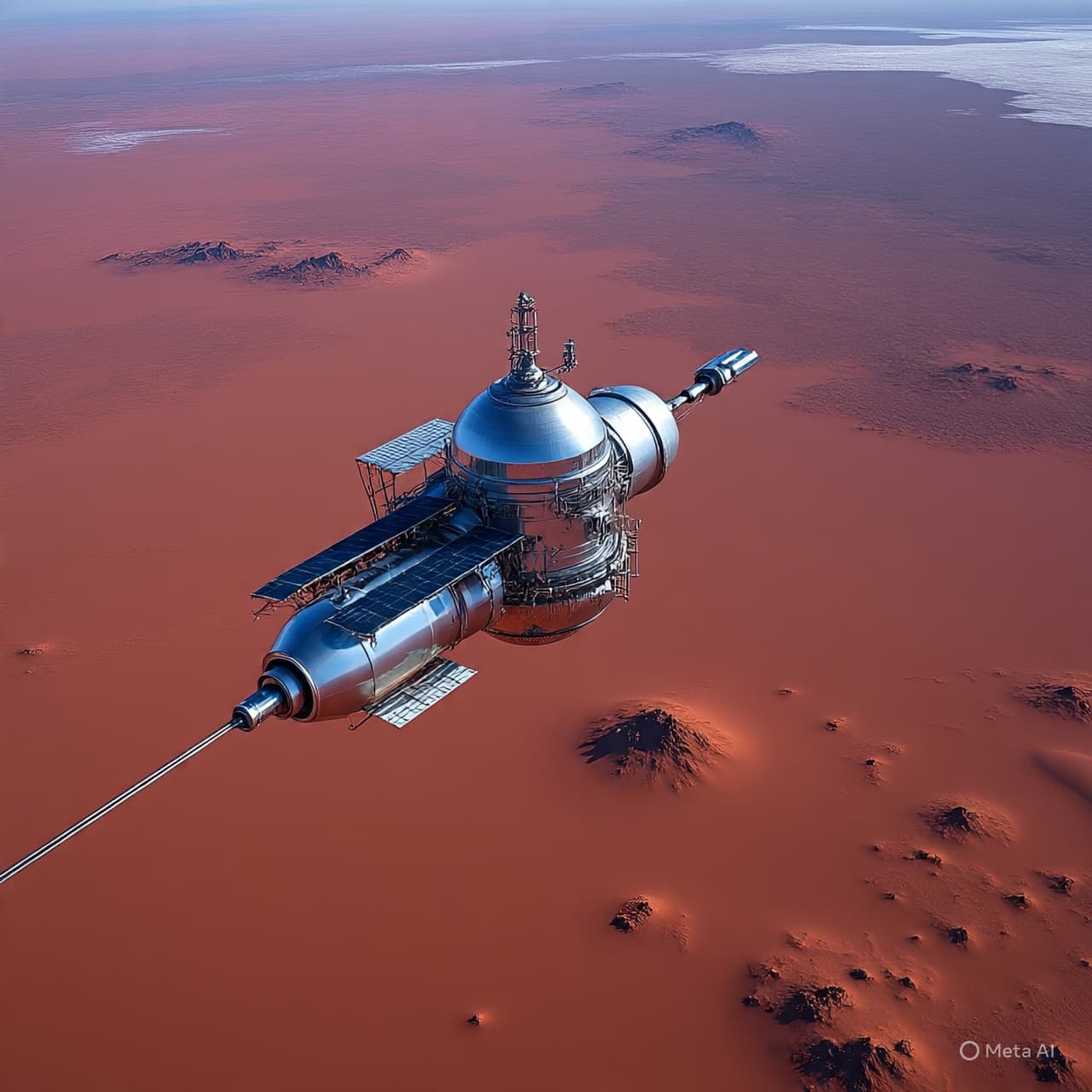
In the broad theatre of space exploration, where dust and radiation dance beneath alien skies, there are moments that feel like a pause in a long and unfolding story. NASA’s MAVEN orbiter — tasked for more than a decade with listening to the whispers of Mars’ atmosphere and relaying messages across interplanetary space — has fallen silent. This spacecraft, which once dutifully sent home data about atmospheric loss and the subtle sighs of solar wind, has not responded to Earth for over a month, prompting an unusual kind of waiting that blends patience and concern.
The silence began after a seemingly routine event in early December, when MAVEN slipped behind Mars, as it does many times in its orbit. Such passages temporarily block communications, like a conversation interrupted by the turning of a page. But when the orbiter re-emerged from behind the red planet on December 6, NASA’s Deep Space Network heard nothing. Prior telemetry had shown systems operating normally, yet no signal came through.
Since then, mission teams have been reaching out repeatedly, like gardeners tending a once-vibrant plant in winter’s hold, hoping to coax a response. MAVEN’s era of service has long outlasted its original design life, and its contributions have enriched humanity’s understanding of the red world’s atmospheric decay and its implications for planetary evolution. In addition to pure science, this orbiter has served as a vital communications bridge for rovers on the surface, helping data from Curiosity and Perseverance reach waiting scientists on Earth.
Efforts to visualize the orbiter’s path using instruments such as Curiosity’s Mastcam yielded no sightings, and mission control faced weeks of silence compounded by solar conjunction — a natural alignment of Mars, Earth, and the Sun that hampers radio traffic and requires a pause in commanding spacecraft to avoid corrupted data.
As the solar conjunction waned, NASA prepared to resume hailing the silent orbiter, acknowledging both the hope and uncertainty tied to each radio call. Some analysts and mission officials have expressed that recovery may be unlikely, given MAVEN’s unexpected behavior and the prolonged communication blackout.
Through this quiet chapter, NASA’s mission teams continue their work with a calm diligence, adjusting communication plans for other Martian assets and reserving judgment until fresh attempts to connect are made. The silence itself, unadorned by speculation, stands as a reminder of both the fragility and resilience of humanity’s robotic explorers.
In the delicate interplay between worlds, a spacecraft’s voice may fade, but its legacy endures in the science it has already delivered and in the ongoing efforts to listen for any whisper that might yet return.
AI Image Disclaimer (rotated wording) “Visuals are created with AI tools and are not real photographs.”
Sources (credible mainstream / niche space news):
• Space.com (Space)
• Smithsonian Magazine
• CBS News
• AP / PBS News Hour
• NASASpaceFlight.com
Published by Banx Network. This article is part of the Banx decentralized media programme, powered by the BXE token on the XRP Ledger.