Opening
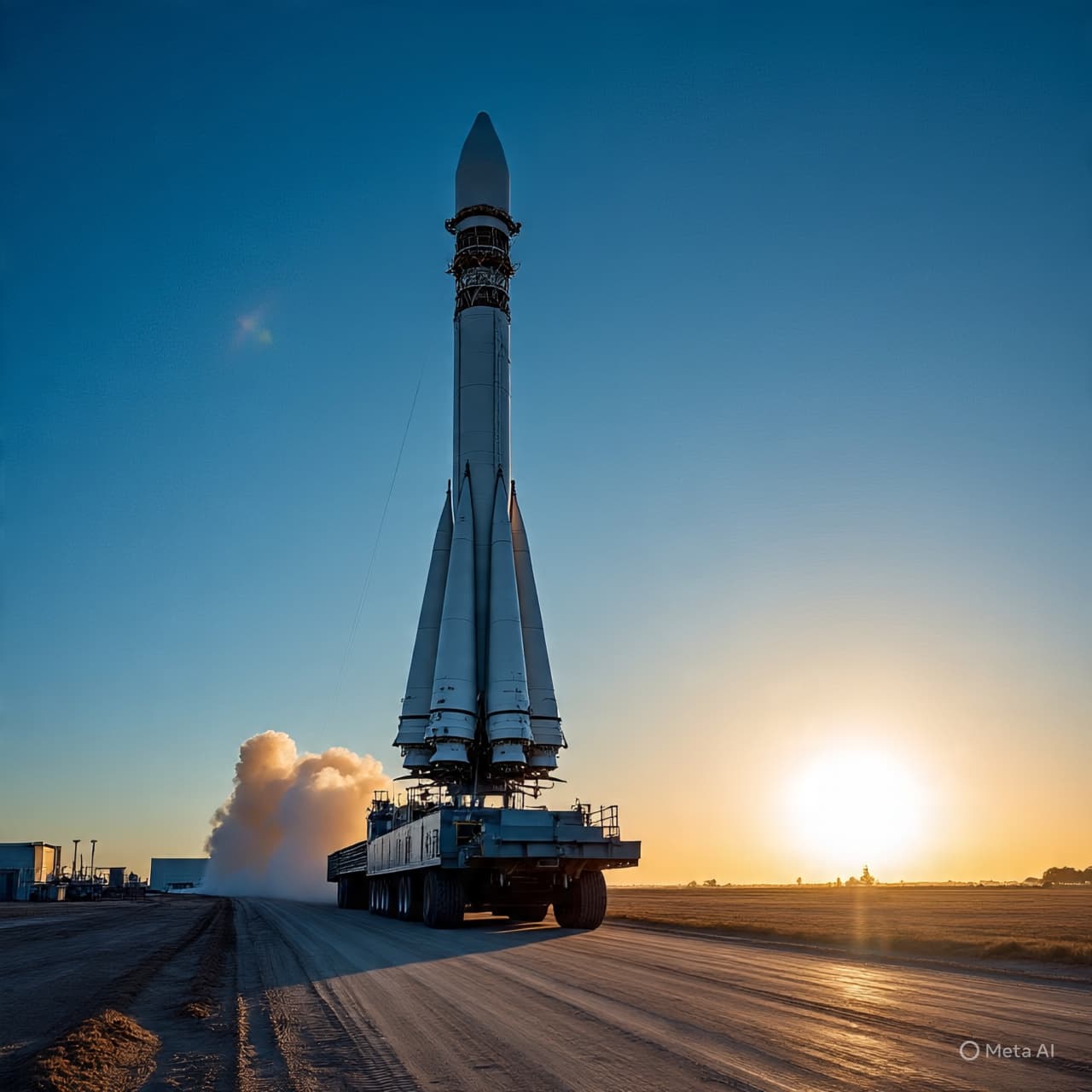
Before engines thunder and before countdown clocks begin their familiar rhythm, there is a quieter moment that often goes unnoticed. On the edge of Florida’s coastline, as morning light softens steel and concrete, a giant begins to move not with urgency, but with care. NASA’s Moon rocket rolls forward slowly, as if aware that some journeys demand patience before power. In this measured motion, the past and future briefly share the same path.
Content
The Space Launch System, weighing nearly 11 million pounds, is the most powerful rocket NASA has ever built. Its rollout from the Vehicle Assembly Building to the launch pad is less a display of strength than an exercise in restraint. Every meter traveled allows engineers to observe, verify, and listen to the machine, ensuring that systems behave exactly as expected long before astronauts arrive.
This step forms part of NASA’s Artemis program, an effort not simply to revisit the Moon, but to return with intention. Unlike earlier missions defined by short stays and symbolic milestones, Artemis looks toward continuity. The Moon is framed as a place of learning a testing ground for technologies, human endurance, and operational discipline that could one day support deeper journeys into space.
As the rocket reaches the pad, weeks of methodical testing follow. Fueling rehearsals, integrated system checks, and final evaluations unfold away from public view. These procedures carry no drama, yet they define the mission’s integrity. They reflect an understanding shaped by experience: that progress in space exploration is built as much on caution as on ambition.
In this phase, the rocket stands silent, surrounded by towers and cables, embodying both readiness and humility. It reminds observers that exploration is not a single moment of launch, but a sequence of deliberate decisions, each one shaping what comes next.
Closing
NASA’s rollout of the Moon rocket does not announce success, nor does it promise an effortless path ahead. It simply confirms that preparation is advancing as planned. With the vehicle now positioned for final checks, the Artemis mission moves closer to flight steadily, quietly, and without haste toward a return to the Moon grounded in care rather than spectacle.
AI Image Disclaimer Visuals are created with AI tools and are not real photographs.
Source Check
NASA Associated Press Reuters BBC News Space.com
Published by Banx Network. This article is part of the Banx decentralized media programme, powered by the BXE token on the XRP Ledger.