In the gentle rhythm of ongoing discovery, science this week reminded us of both the fragility and resilience of life — whether in orbit above Earth, deep in the cold soil of Mars, or locked in permafrost from an ancient Ice Age. Like quiet currents beneath the surface of everyday headlines, three stories emerged that invite us to reflect on our past, present, and future in new ways.
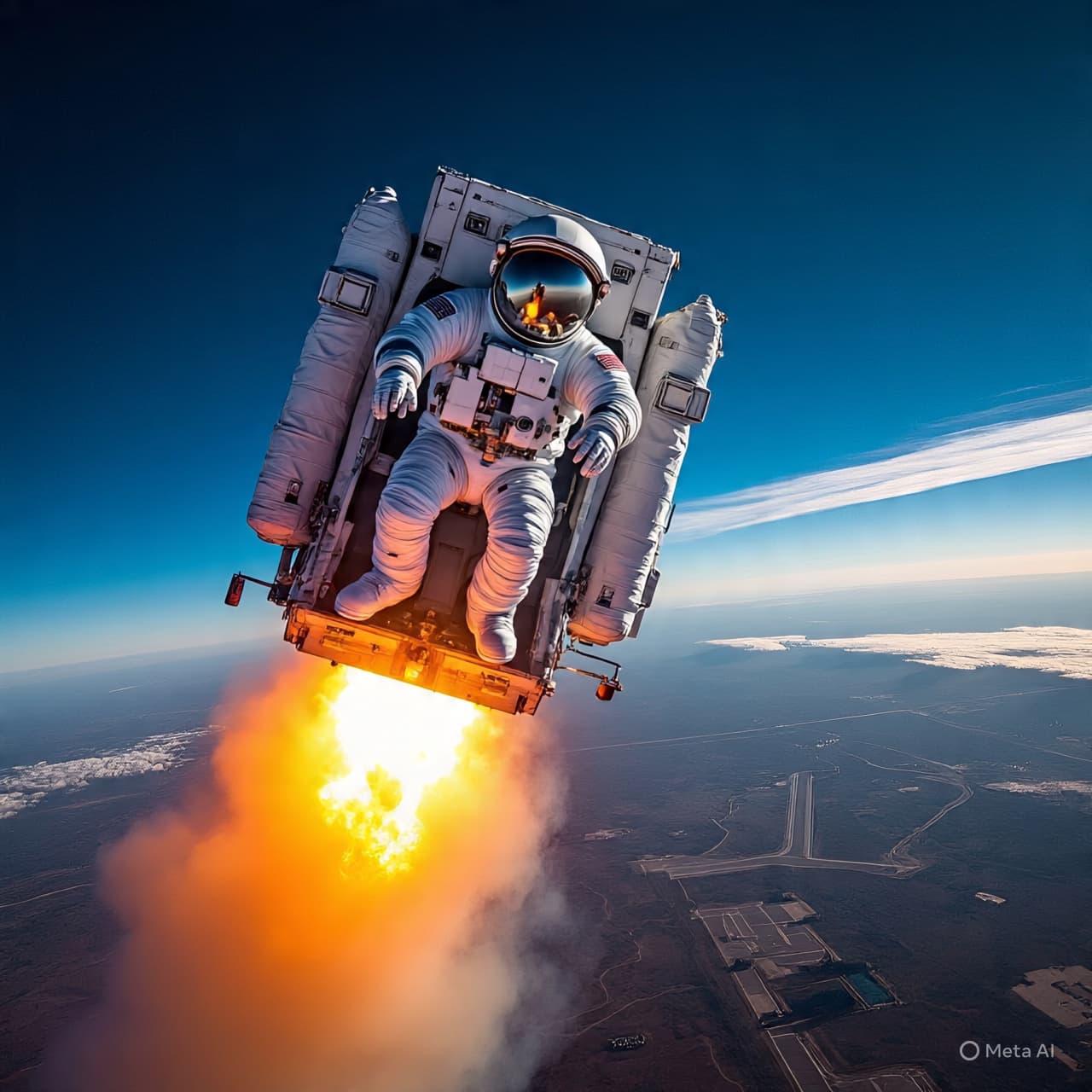
Above our blue planet, something unusual unfolded aboard the International Space Station (ISS). For the first time in its quarter-century of continuous human habitation, NASA and its partners conducted a medical evacuation — bringing astronauts home earlier than planned after one crew member developed a health issue that warranted further evaluation on Earth. The return, carried out aboard a SpaceX Dragon capsule, was described as orderly and cautious, not an emergency, yet it underscored how life in microgravity challenges even the most prepared explorers and how the bonds of international teamwork in space remain strong.
Meanwhile, a decade-plus effort to retrieve Martian rock samples returned by robots — a mission long hoped to reveal evidence of past life — has been effectively canceled by U.S. lawmakers after ballooning cost and schedule concerns. The Mars Sample Return program aimed to bring more than thirty precious specimens from the Red Planet to Earth for laboratory study, a scientific first with potential to reshape our understanding of Mars’s ancient environment. With the U.S. stepping back, China’s orbital plans now may take the lead, raising questions about how humanity shares and pursues big scientific prizes.
On a much older frontier, researchers uncovered a vivid chapter of life from some 14,400 years ago preserved in Siberian permafrost: meat from a woolly rhinoceros inside the stomach of a juvenile Ice Age wolf. From this unlikely relic, scientists have for the first time sequenced a complete genome of one of the last of its kind. The genetic snapshot reveals that the rhinos had maintained strong diversity until their final centuries, hinting at a relatively sudden collapse, likely tied to rapid climate shifts at the end of the Ice Age.
What connects these threads is a sense of boundaries — the limits of human bodies in space, the logistics of reaching another planet, and the threshold between species survival and extinction. These stories, each in its own domain, remind us that scientific progress is both a journey and a reflection: probing outward while casting light on long-buried secrets. In the pause between exploration and understanding, there is both wonder and a careful reckoning with what discovery truly means.
AI Image Disclaimer (rotated wording):
Visuals are AI-generated illustrations intended for conceptual depiction only.
Sources (credible science reporting)
Live Science
The Guardian
NASA mission releases and reporting
Genome Biology and Evolution study coverage
Related university research press summaries
Published by Banx Network. This article is part of the Banx decentralized media programme, powered by the BXE token on the XRP Ledger.