
SCIENCE99% credibility
Japan's H3 Rocket Launch Fails, Michibiki 5 Satellite Lost
Japan's H3 rocket failed during its launch, resulting in the loss of the Michibiki 5 satellite. Investigations are underway to determine the cause.
2 min read

Japan's H3 rocket failed during its launch, resulting in the loss of the Michibiki 5 satellite. Investigations are underway to determine the cause.

The Snow Moon will reach peak brightness on February 1, 2026, at 5:09 PM EST, offering a stunning view for skywatchers across the Northern Hemisphere.
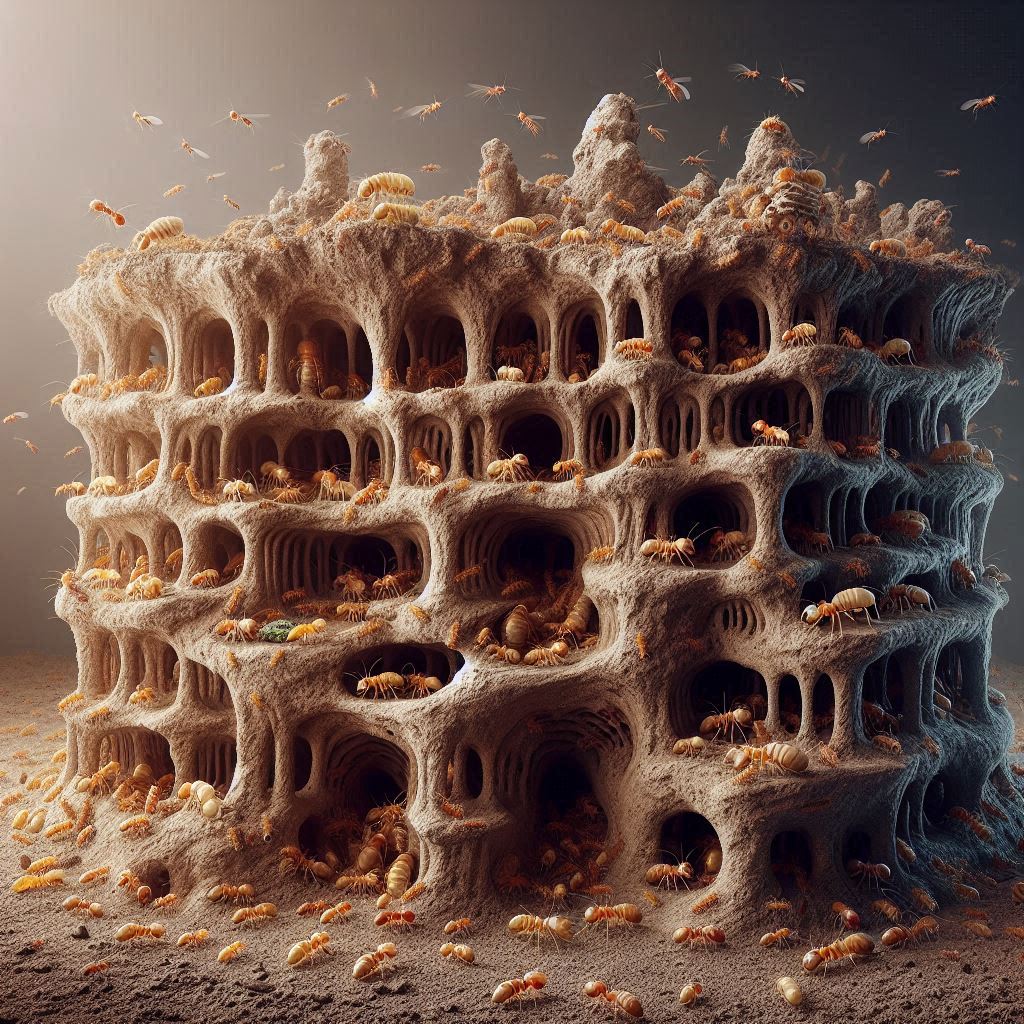
Explore how termites evolved complex societies through gene loss and monogamy, revealing a unique path in social evolution and cooperation.
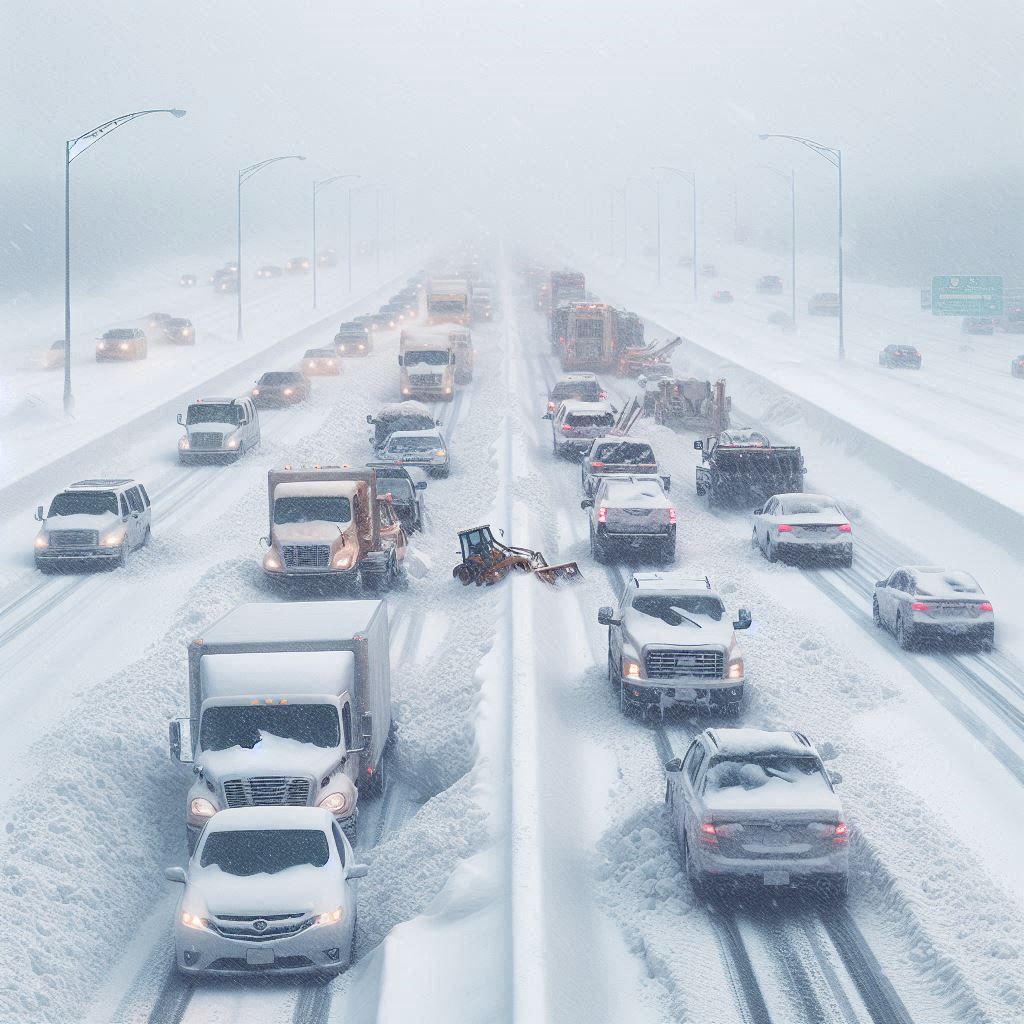
A powerful winter storm has blanketed much of the U.S. with snow and ice, causing travel disruptions, power outages, and tragic fatalities across multiple states.
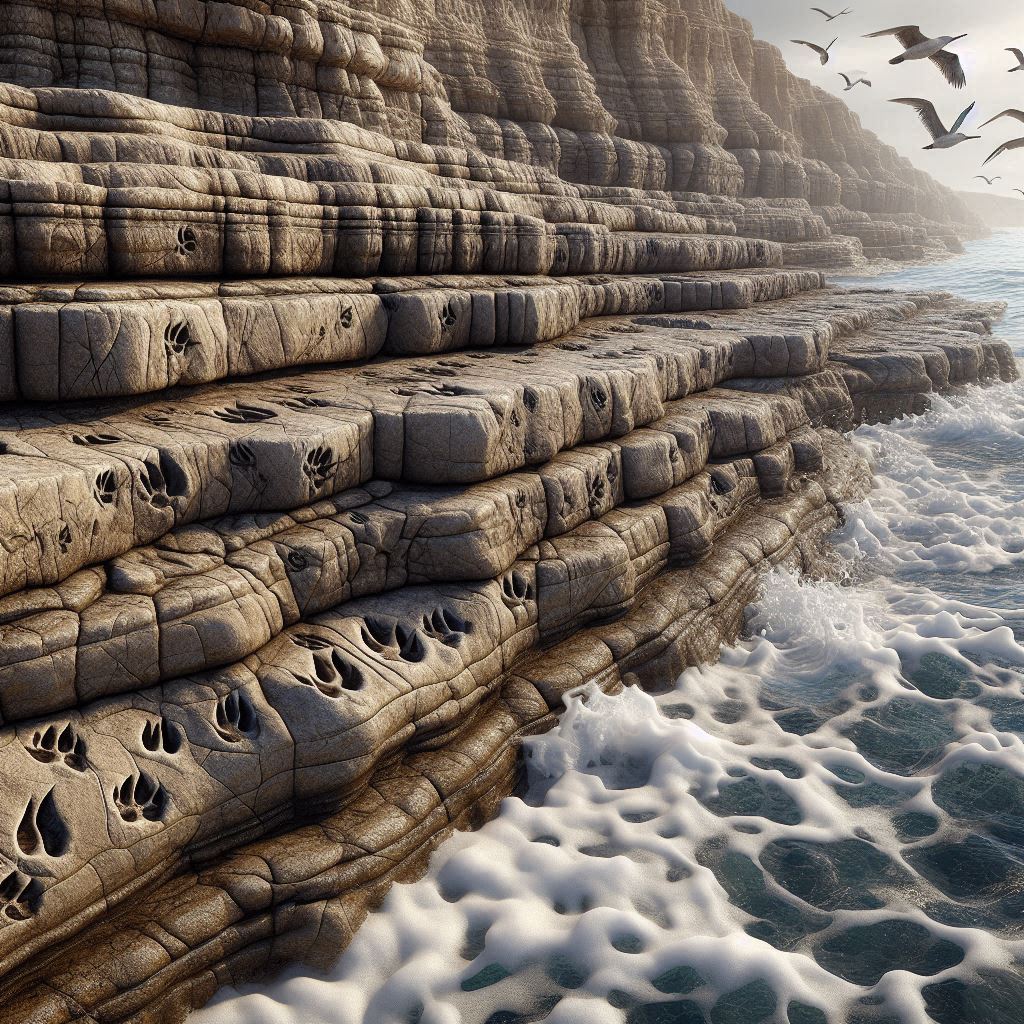
Paleontologists uncover 132-million-year-old dinosaur tracks along South Africa's coast, revealing insights into ancient life during the Cretaceous period.
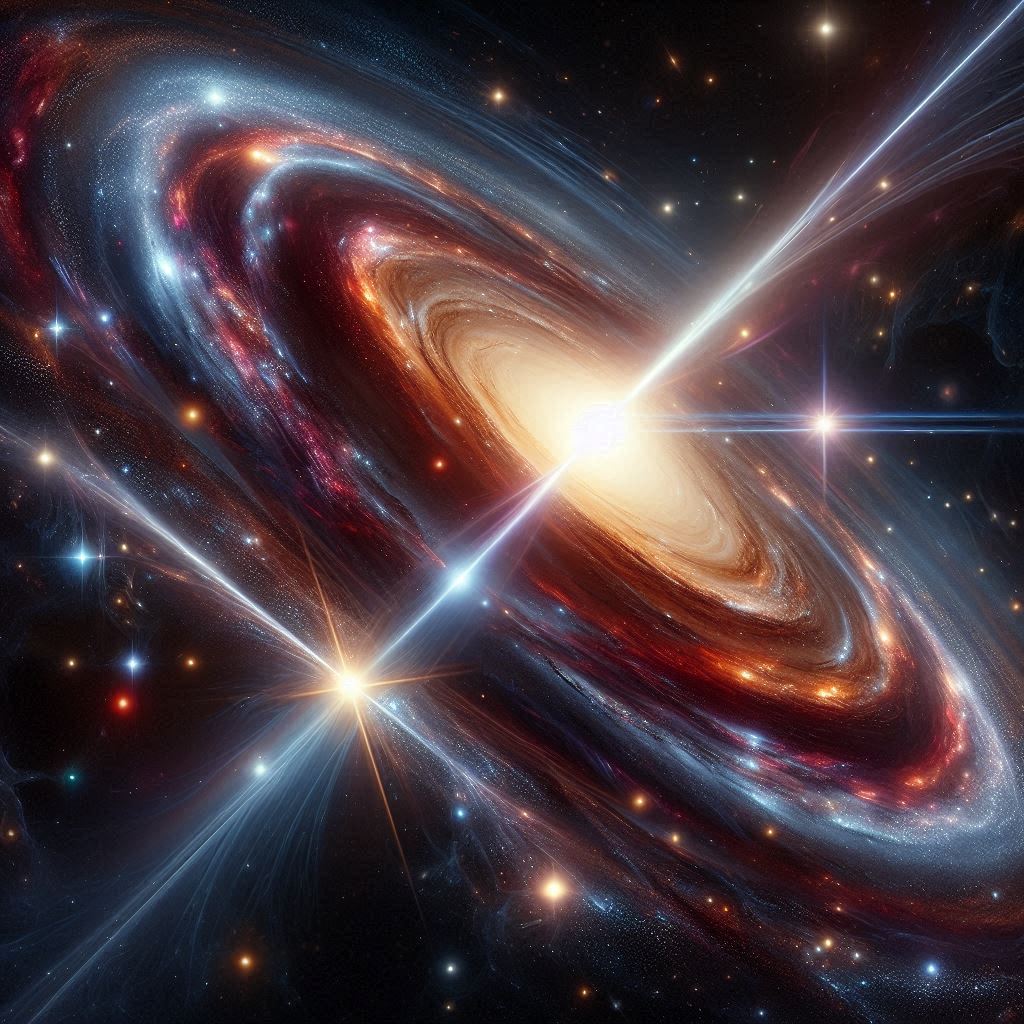
Astronomers observe supernovas whose light arrives at different times, revealing insights into the universe's expansion and the nature of spacetime.
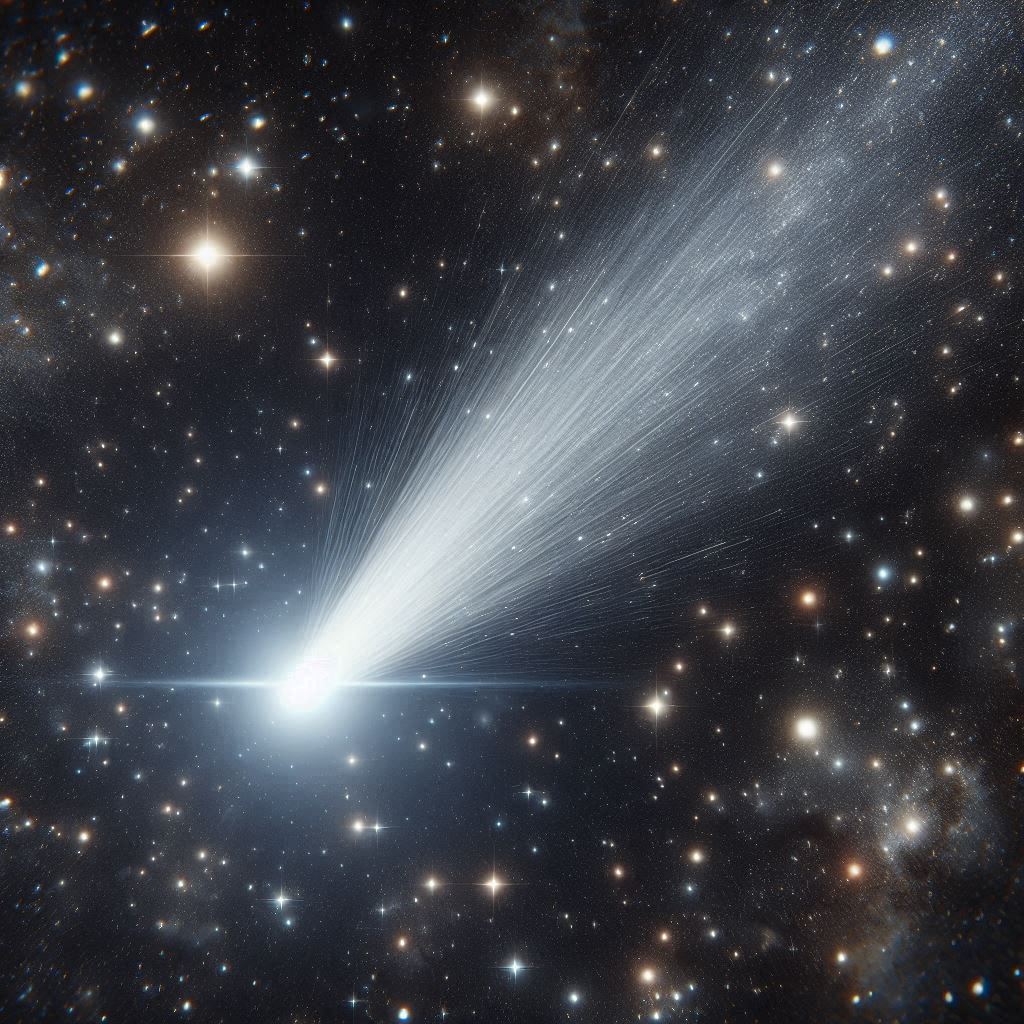
Hubble Space Telescope reveals the size of interstellar comet 3I/ATLAS, shedding light on its origins and composition as it journeys through space.

SpaceX seeks federal approval for one million solar-powered satellite data centers in orbit, aiming to revolutionize data storage and computing efficiency.

Chinese astronomers unveil the origins of fast radio bursts, revealing insights into cosmic phenomena using the Five-hundred-meter Aperture Spherical Telescope.
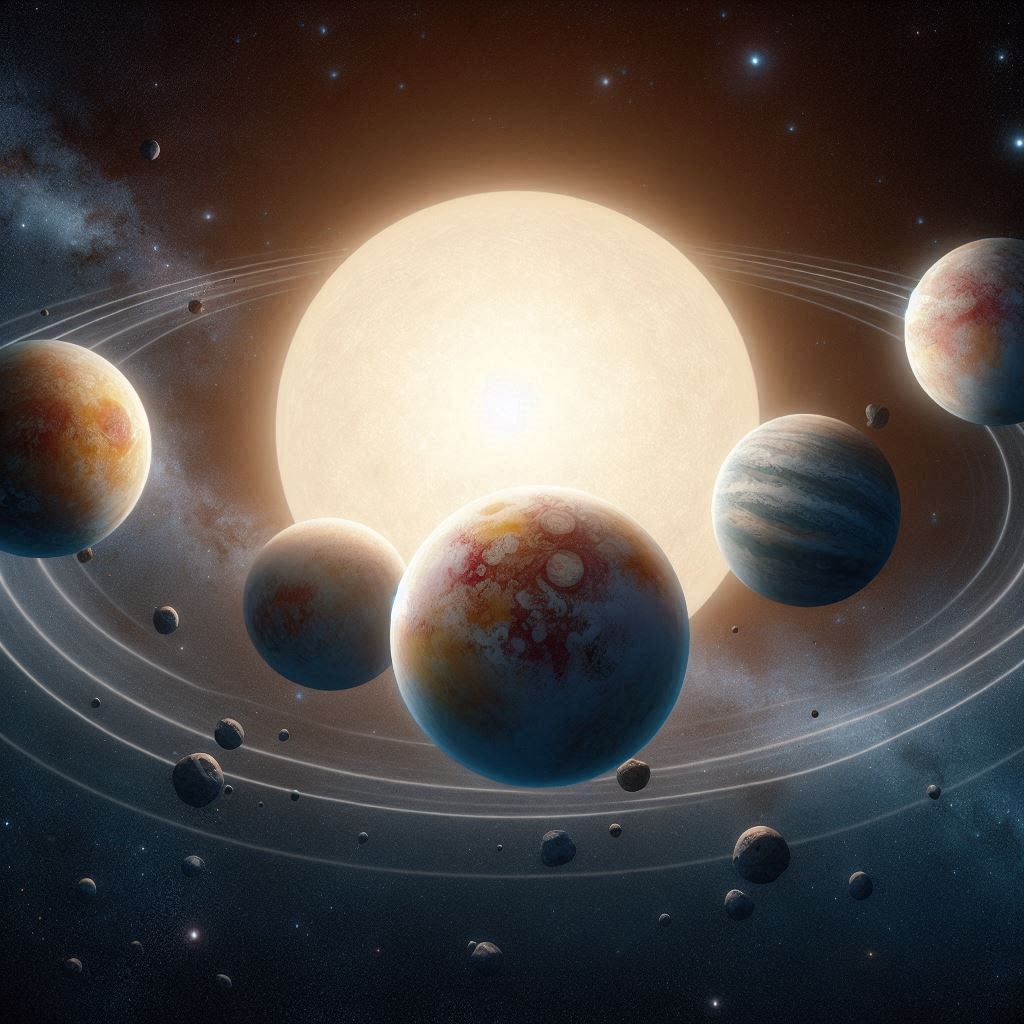
Discover how young, low-density planets around V1298 Tau reveal secrets about cosmic origins and the evolution of super-Earths and sub-Neptunes.
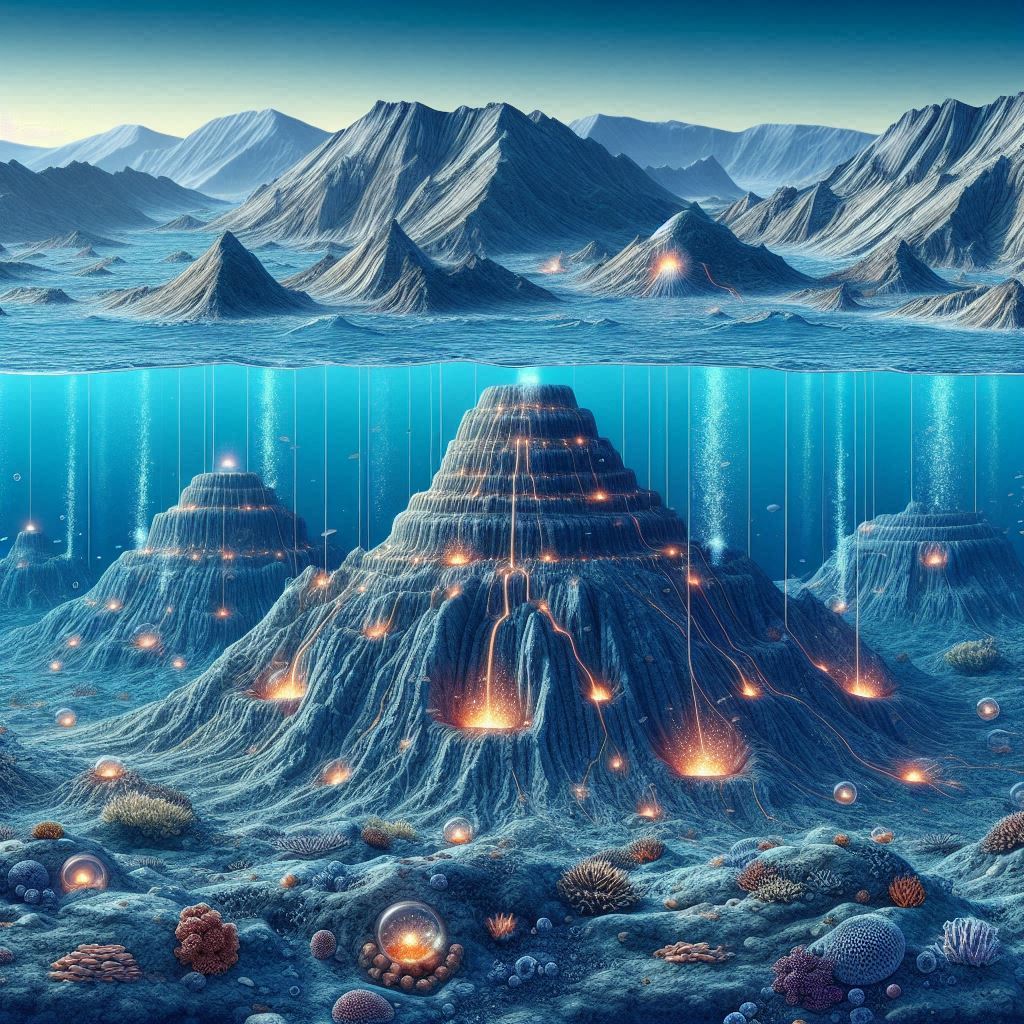
New research links underwater volcanic activity to multiple marine extinctions during the Triassic period, reshaping our understanding of Earth's history.

Discover how Brazilian free-tailed bats have redefined speed in the animal kingdom, outpacing birds in level flight and reshaping our understanding of aerial prowess.

Explore the European Space Agency's Draco mission, designed to study spacecraft reentry and its implications for space debris management and safety.
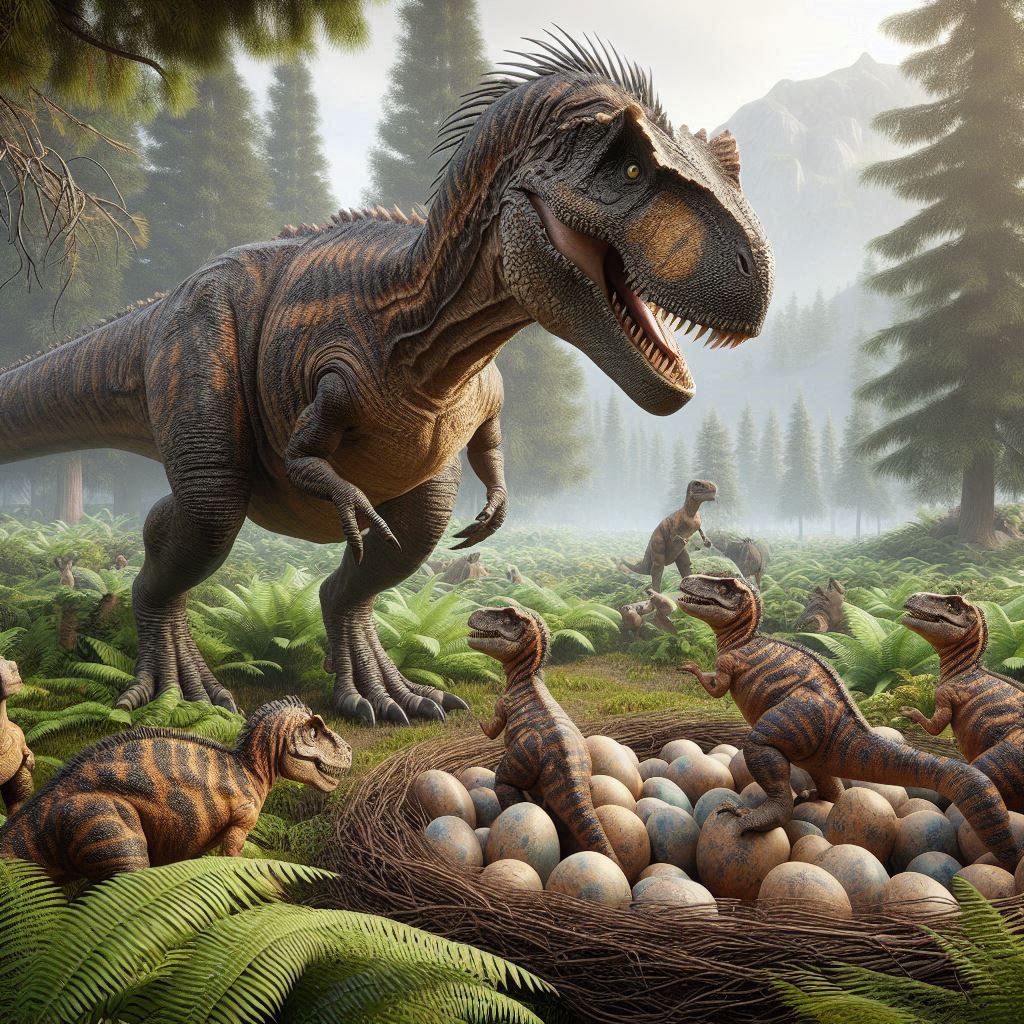
Recent fossil discoveries suggest that Jurassic predators frequently preyed on juvenile dinosaurs, reshaping our understanding of their feeding habits and ecosystem dynamics.
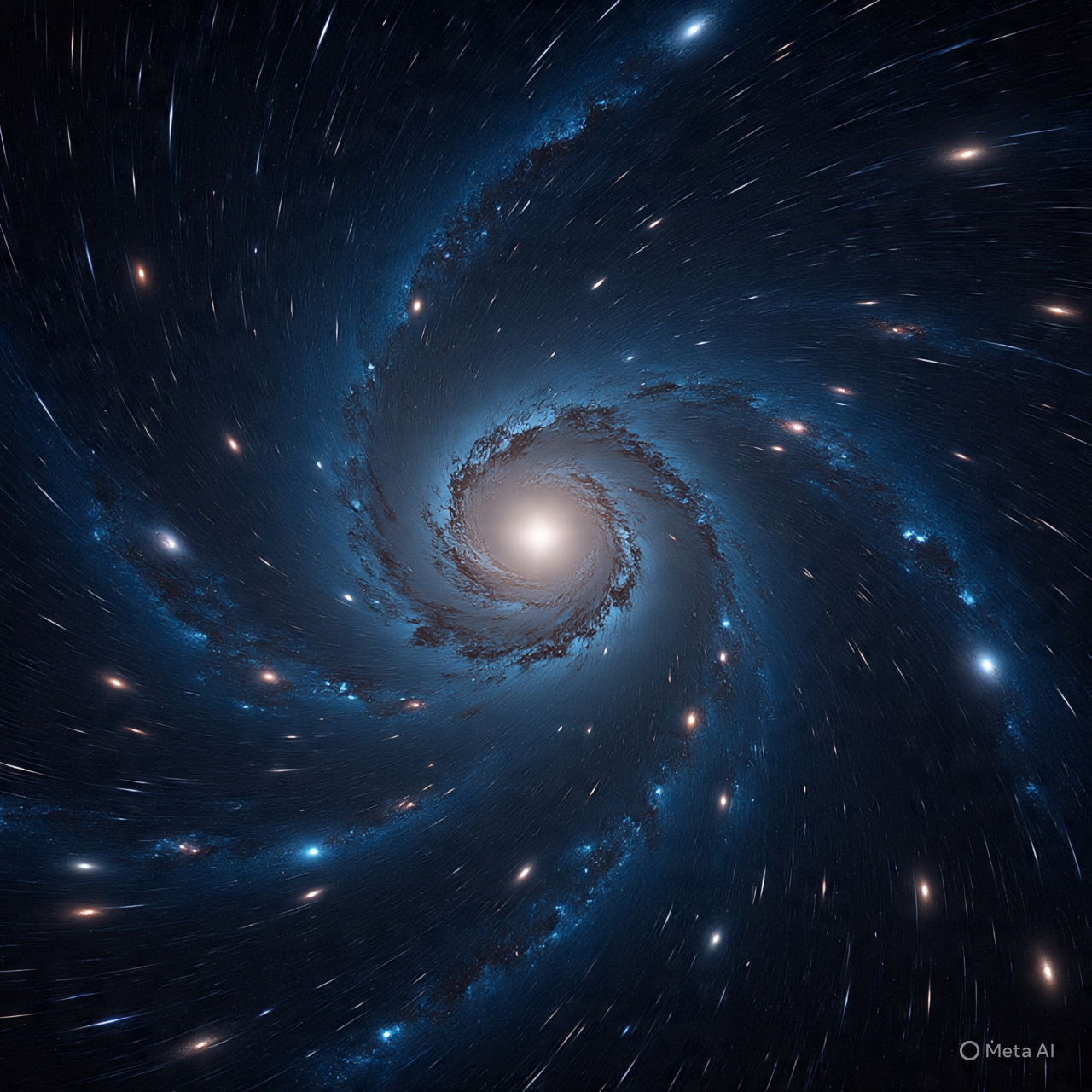
Astronomers reveal two supernovas, SN Ares and SN Athena, with light reaching Earth at different times due to gravitational lensing, offering insights into cosmic expansion.

The U.S. proposes a new travel policy requiring visitors to disclose five years of social media history, raising concerns about privacy and tourism impact.

Discoveries of ancient tools in China reveal complex human ingenuity, reshaping our understanding of early hominins and their adaptive strategies.
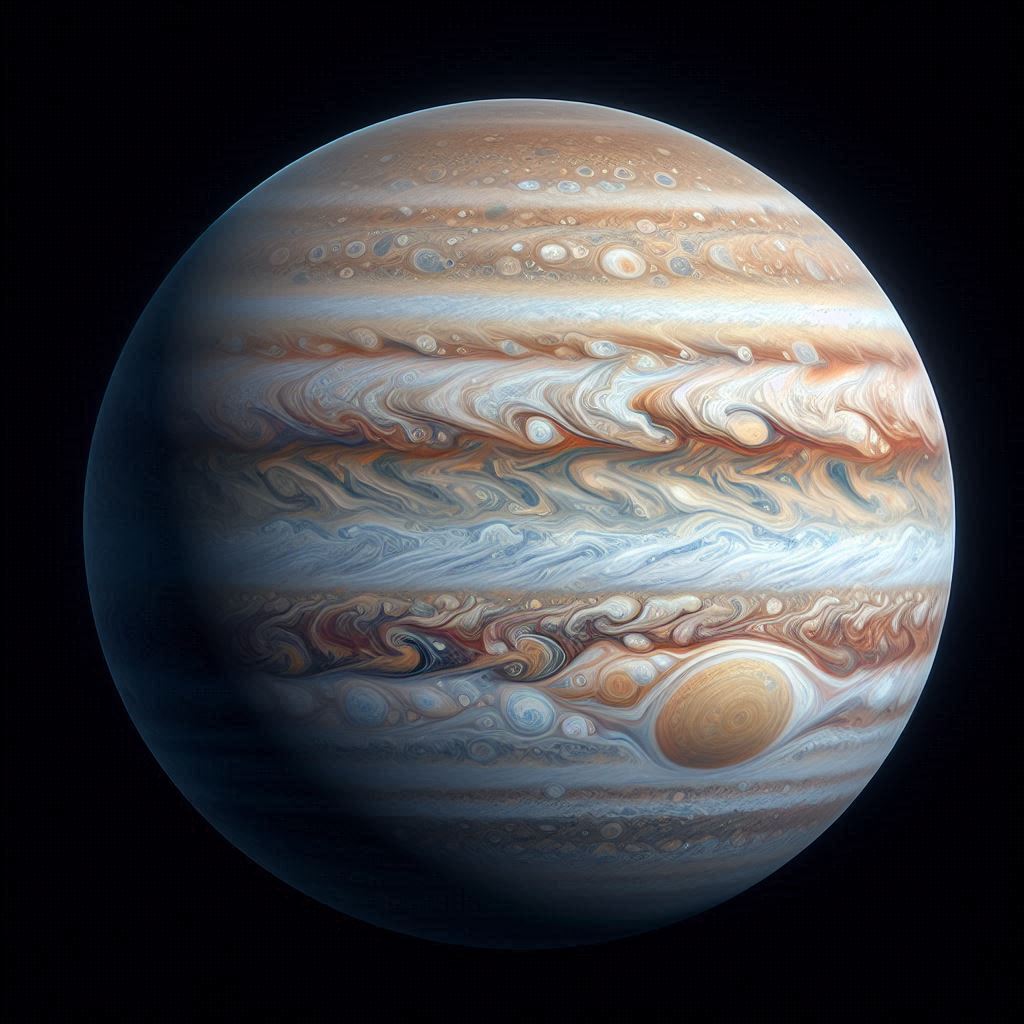
Recent observations reveal surprising complexities in Jupiter's atmosphere, challenging previous understandings of its cloud formations and structure.

NASA's Artemis II wet dress rehearsal is a vital test for the upcoming moon mission, ensuring readiness for the journey ahead. Key details and updates inside.
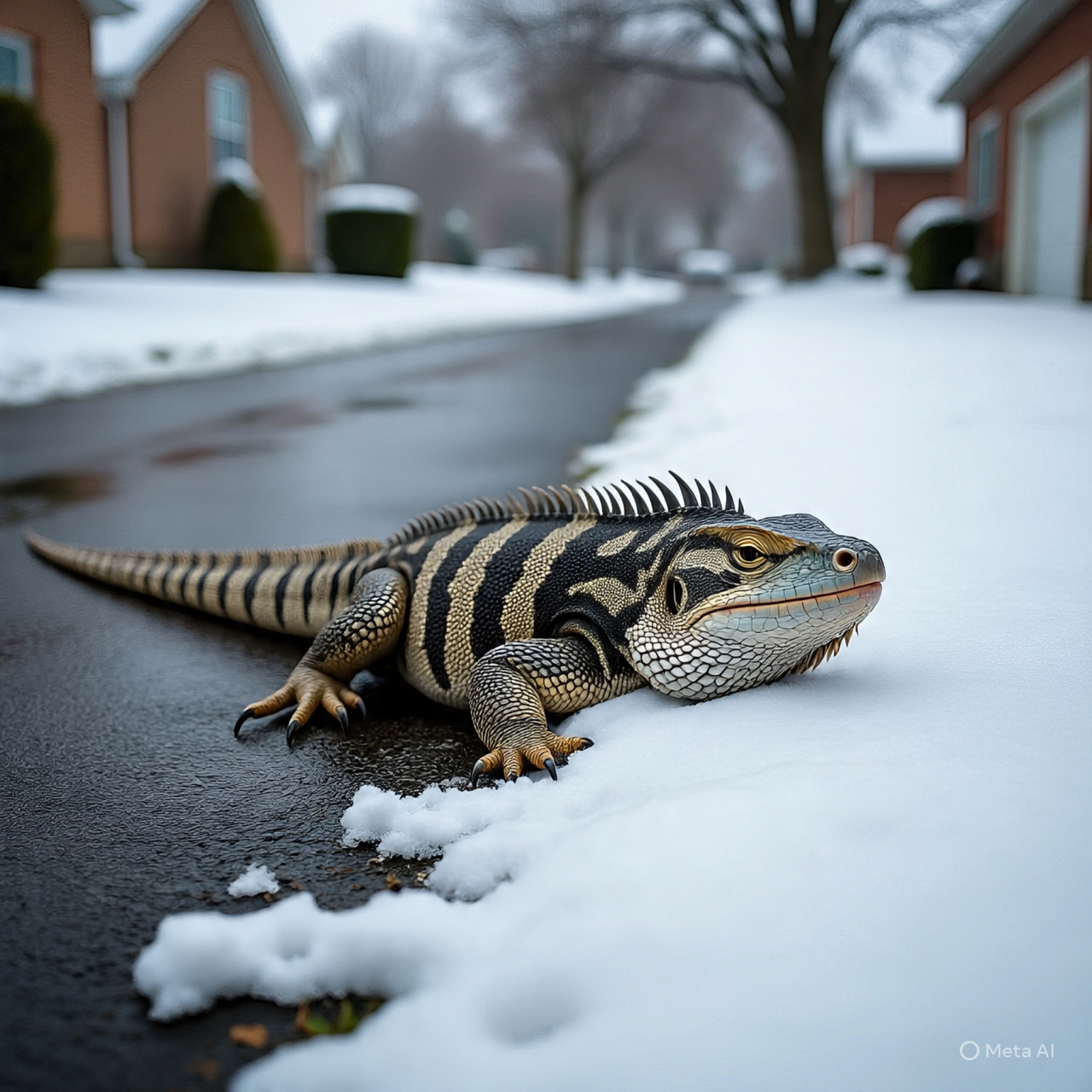
A tegu lizard named Frankie was discovered buried in snow in Rhode Island, highlighting the challenges faced by exotic reptiles in cold climates.

Zeya, a rare leopard cub, makes her first public appearance, highlighting the importance of conservation efforts for endangered species.
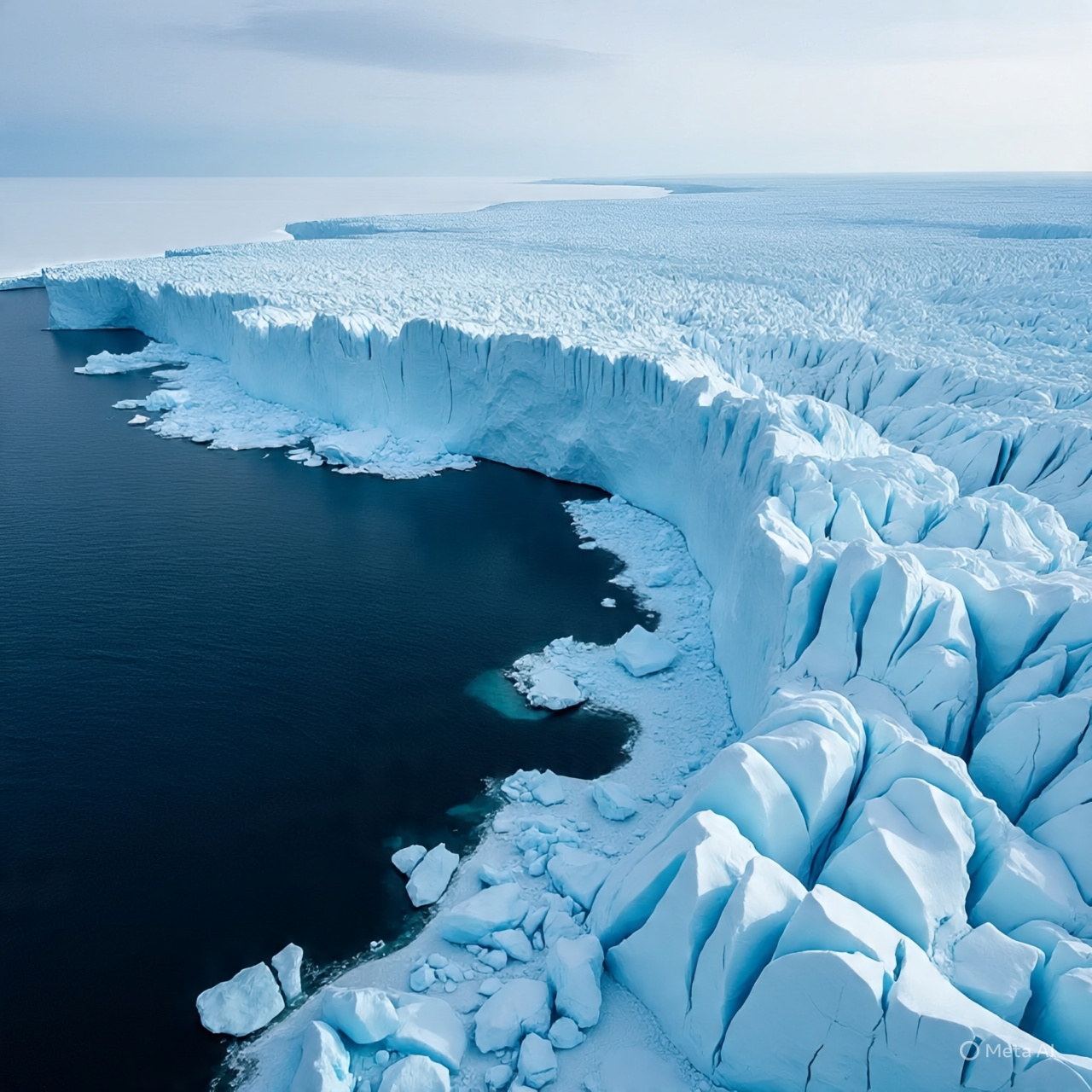
As Thwaites Glacier melts, scientists debate geoengineering solutions to slow its collapse and the implications for global sea levels.

Britain's flood risks are escalating due to climate change, reshaping geography and prompting difficult decisions about managed retreat from vulnerable areas.

Australia's electricity grid now sources equal power from coal and renewables, marking a significant shift in the energy landscape without disruption.