There are moments when we stand at the edge of an ocean and feel how deeply time flows beneath the surface, like quiet currents unseen yet ever moving. Geological time is that ancient tide, invisible to human lifetimes yet written into the very rocks and sediments that make up our world. In the vast stretch of deep history known as the Triassic Period, roughly 250–200 million years ago, Earth’s oceans and atmospheres were shaped by forces both subtle and immense — and volcanism played a role not unlike distant thunder, rumbling across eons and reshaping life itself.
When we think of volcanoes today, we often picture fiery explosions on land, towering plumes against the sky. But much of Earth’s volcanic activity occurs beneath the waves, in places now vanished or hidden by plate tectonics. In recent research, scientists have pieced together geological clues from the remnants of ancient ocean basins — fragments preserved within mountain belts — and found that pulses of underwater volcanism coincided with several marine extinctions during the Triassic. These submarine eruptions created enormous volcanic plateaus known as large igneous provinces (LIPs), which once lay hidden beneath the oceans.
In a study published in Geology, researchers integrated geological records of marine LIPs with datasets of Triassic marine biodiversity. Their analysis indicates that at least four extinction events in marine life were closely aligned with episodes of seafloor volcanism between about 250 and 208 million years ago. These volcanoes did not merely erupt lava; their activity altered the chemistry and oxygen levels of ancient seas, creating low-oxygen conditions — anoxia and euxinia — that proved hostile to many marine organisms.
This research adds a layer of nuance to our understanding of the Triassic, a period already known for dramatic shifts. The mass extinction at the end of the Triassic, about 201 million years ago, has long been associated with the vast Central Atlantic magmatic province (CAMP), a continental flood basalt eruption that marked the breaking apart of the supercontinent Pangaea. These eruptions released prodigious amounts of gases like carbon dioxide and sulfur compounds, contributing to climate upheavals and ocean changes that wiped out large portions of both marine and terrestrial species.
What makes the new findings compelling is the idea that not just one cataclysm but multiple volcanic pulses beneath ancient oceans left their mark on marine ecosystems. Each pulse created chemical stresses in seawater, disrupting oxygen levels and making the environment challenging for life. For organisms adapted to specific conditions, even modest shifts in ocean chemistry could have spelled a slow decline or sudden disappearance.
These volcanic echoes remind us that Earth’s deep past was shaped by interplays of fire and water, of tectonic heartbeat and living systems responding in kind. They deepen the narrative of how life and the physical Earth are intertwined — not as separate domains but as co-authors of our planet’s history.
Looking across the Triassic rocks today, geologists continue to seek the vestiges of long-forgotten oceans and the chemical signatures left behind by these ancient eruptions. Each layer of basalt and sediment tells part of the story: how volcanic forces reshaped seas, how species rose and fell, and how life adapted in the face of change.
In this way, the past offers gentle reminders of the complexity of Earth systems — echoes that stretch beyond human timescales yet have deep relevance for understanding life’s resilience and vulnerability.
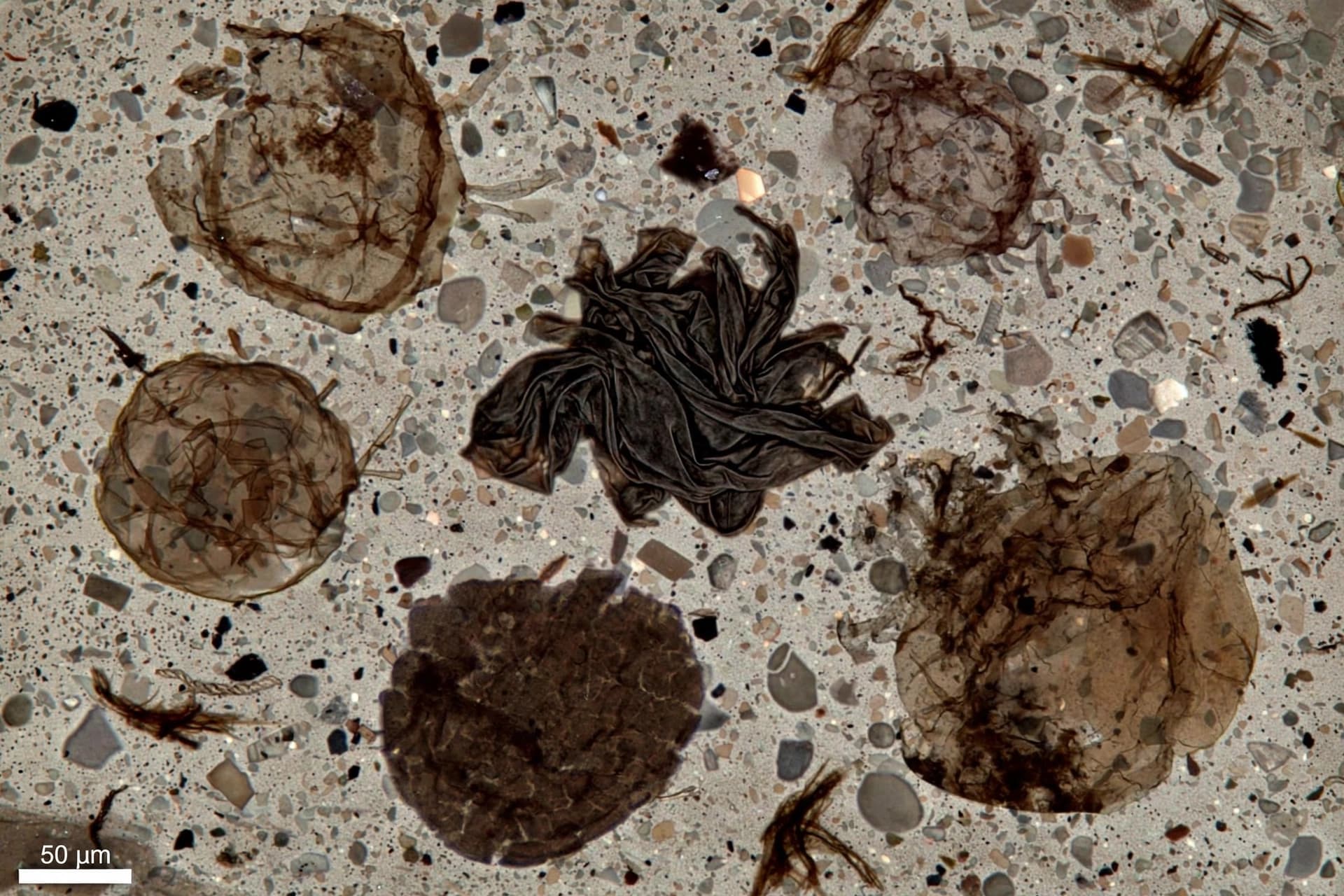
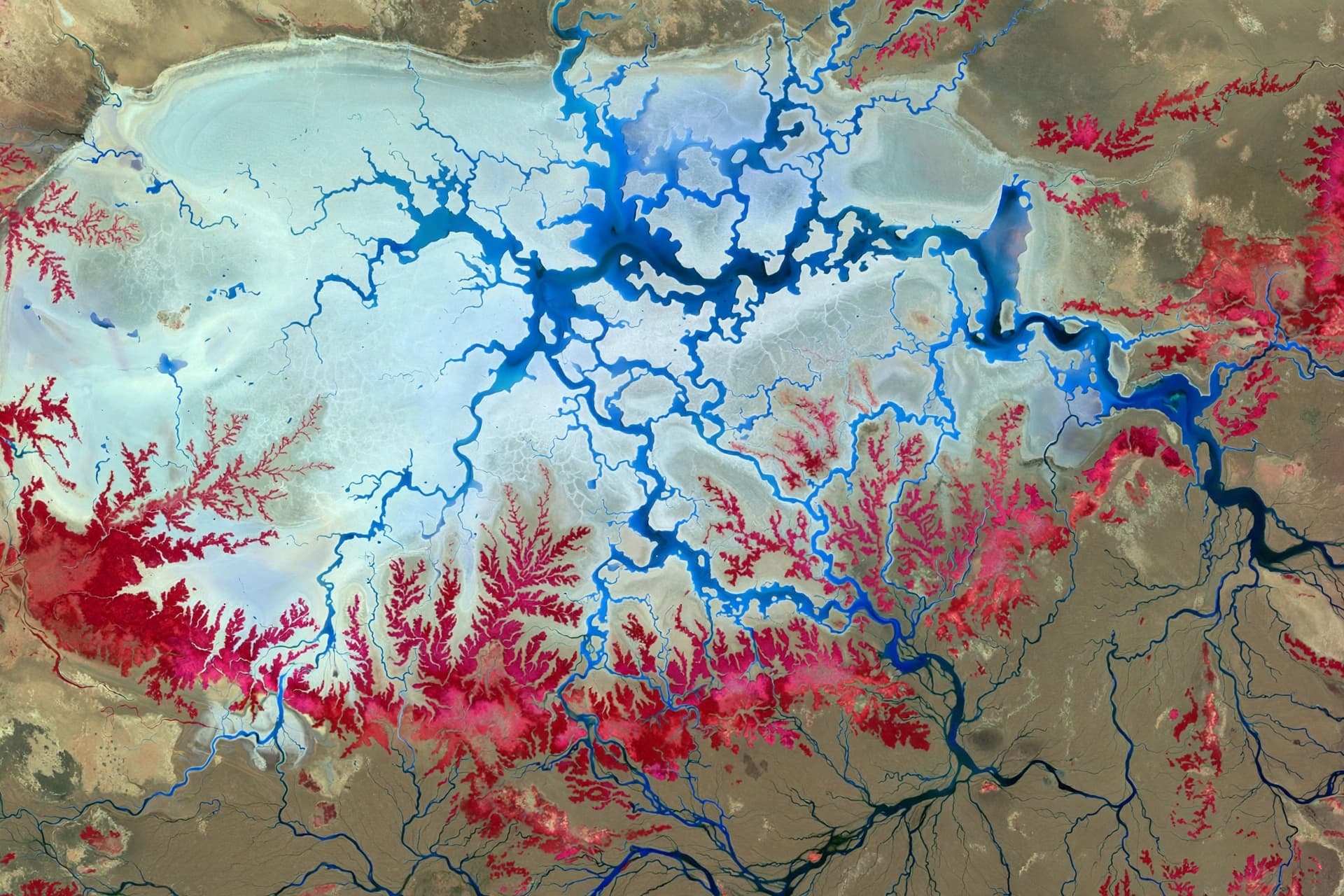
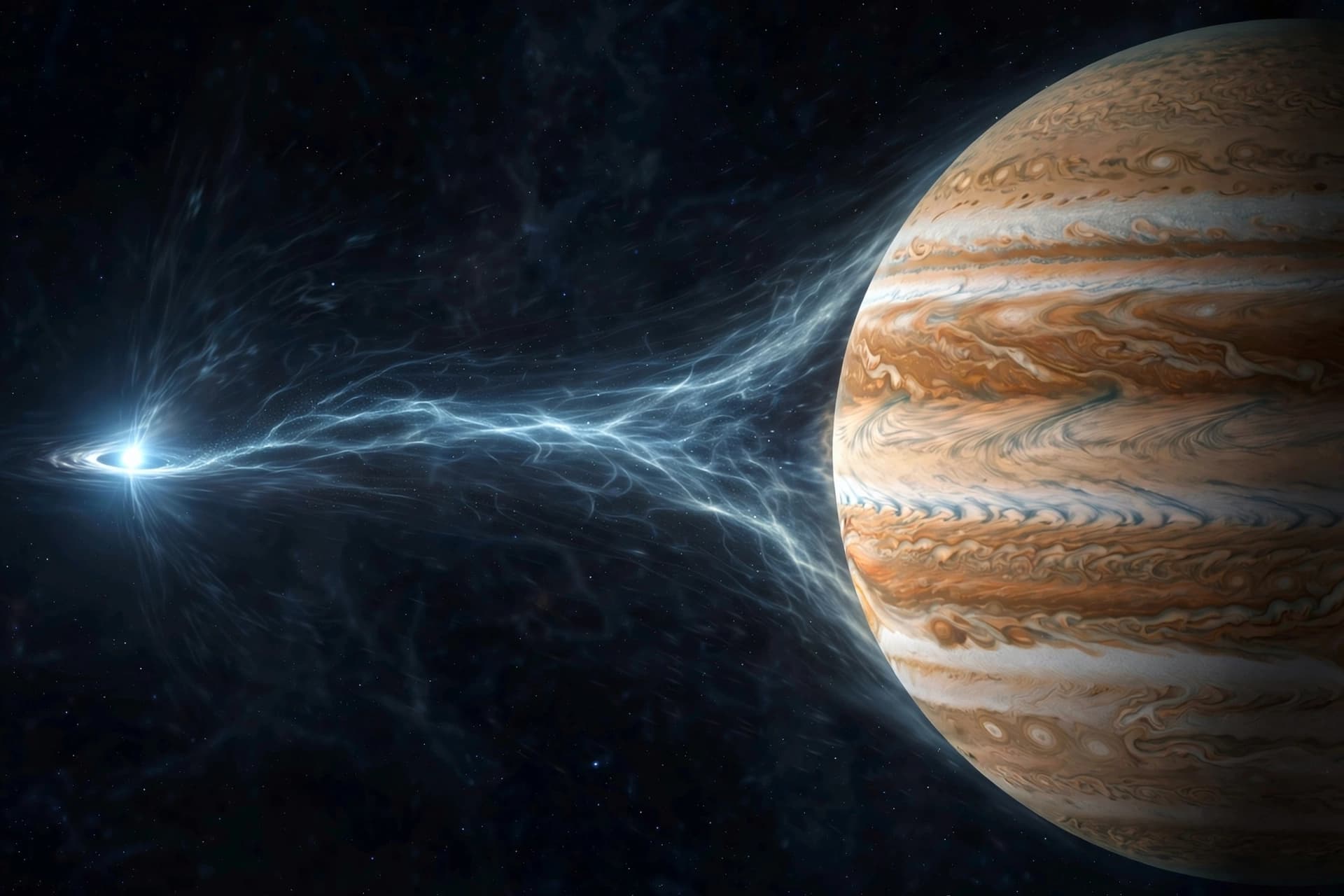
AI Image Disclaimer Visuals are created with AI tools and are not real photographs.
SOURCE CHECK — credible sources identified:
• Phys.org reporting on recent marine volcanic plateaus linked to multiple Triassic extinction events
• ScienceDaily (older studies on volcanic eruptions and the end-Triassic extinction)
• Wikipedia entry on the Central Atlantic magmatic province (CAMP)
• Discover Magazine synopsis of volcanism at the end of the Triassic
• Phys.org / Science coverage (context on ocean LIPs and extinction)
Published by Banx Network. This article is part of the Banx decentralized media programme, powered by the BXE token on the XRP Ledger.