New Research Reveals How Ancient Humans Transported Stonehenge's Bluestones
Recent studies suggest that ancient humans, not glaciers, transported the bluestones of Stonehenge, revealing insights into their monumental journey.

Recent studies suggest that ancient humans, not glaciers, transported the bluestones of Stonehenge, revealing insights into their monumental journey.

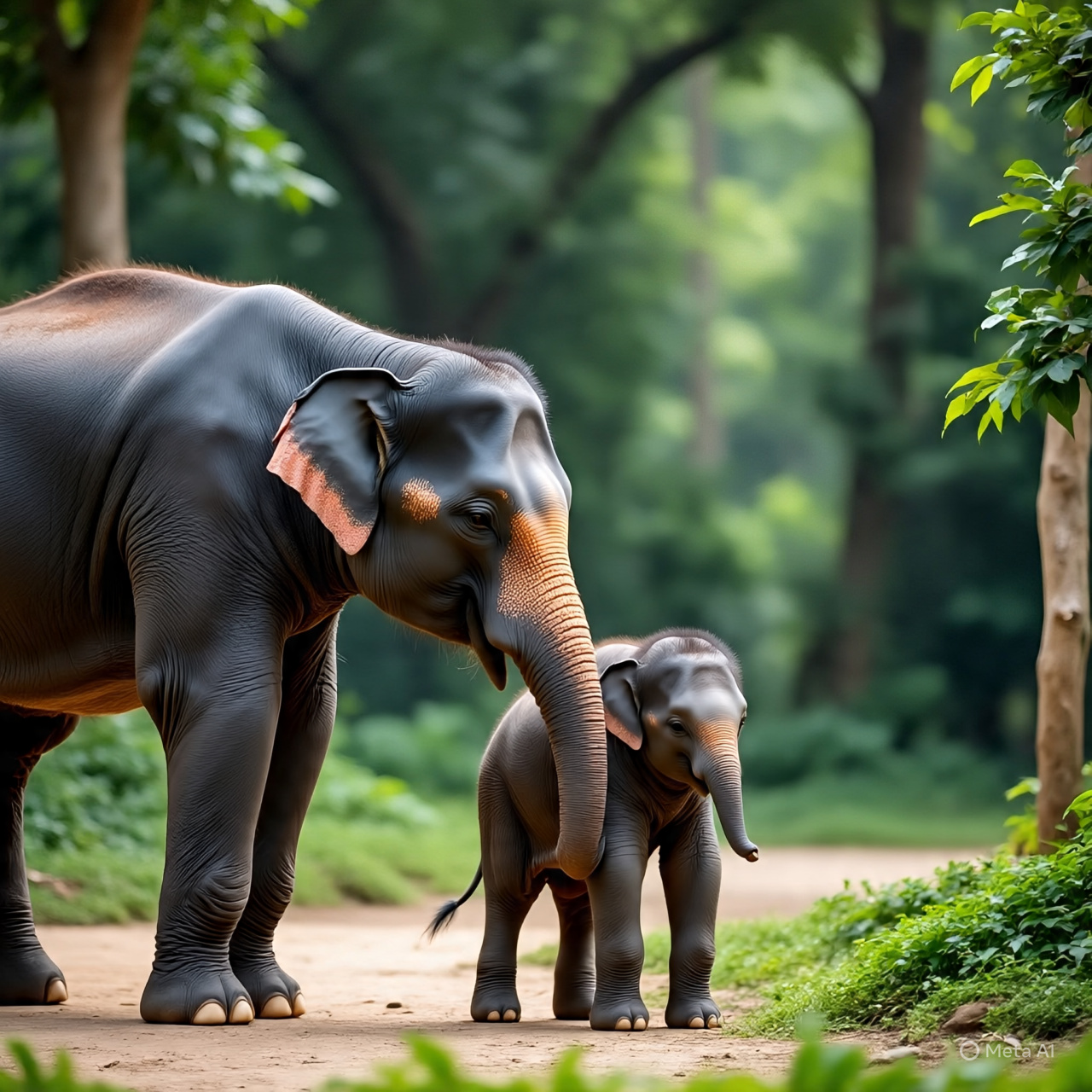
Tula-Tu, the baby elephant at Oregon Zoo, celebrates her first birthday with a joyful event, highlighting her growth and conservation efforts.

Sanofi's recent trial results for venglustat reveal both promise and caution in treating rare diseases, impacting future growth and patient care.

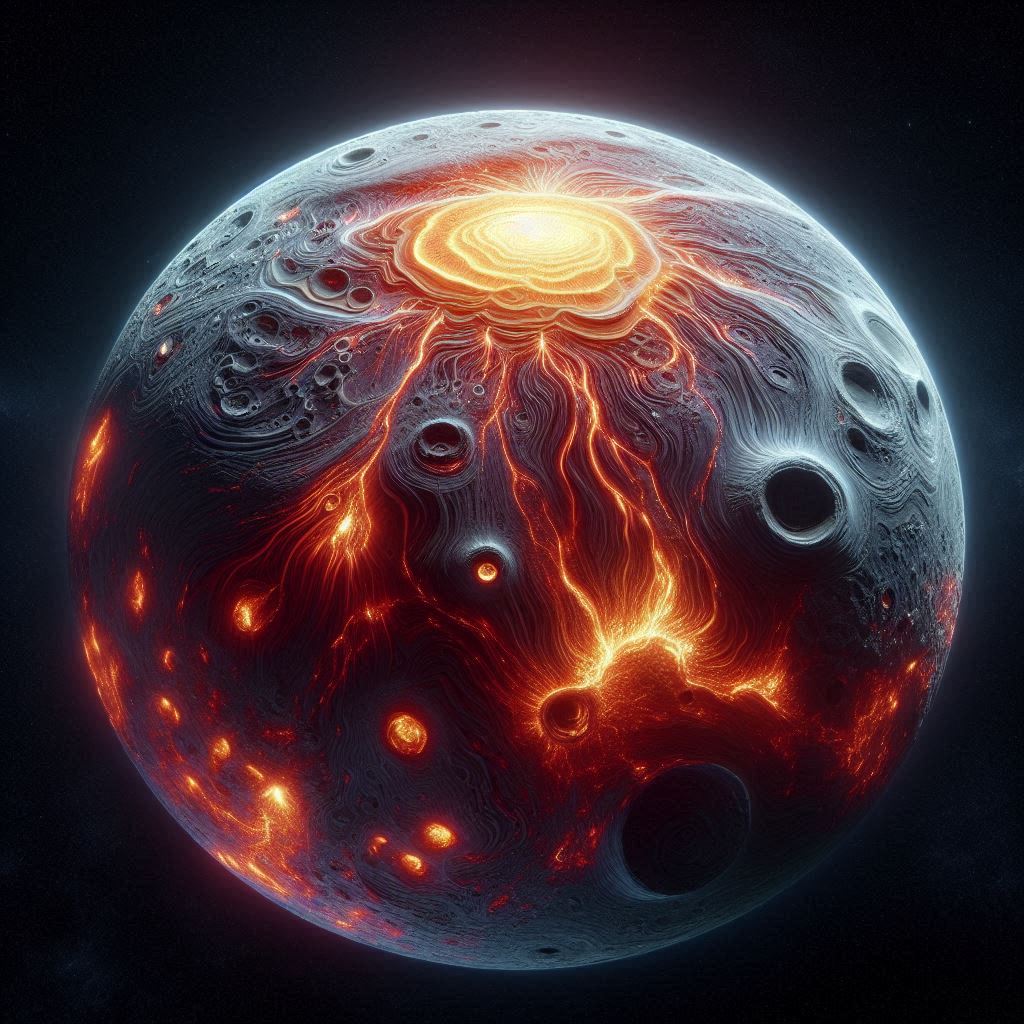
NASA's Juno spacecraft reveals the most powerful volcanic eruption on Io, Jupiter's moon, offering insights into planetary evolution and volcanic activity.

Retired astronauts reveal their favorite space films, sharing insights on how these movies reflect their experiences and the wonders of space exploration.

Researchers in Western Australia establish a lab colony of the invasive polyphagous shot hole borer, aiming to understand its impact and develop management strategies.

Exploring the economic implications of orbital data centers, their potential benefits, and the challenges they face in the evolving tech landscape.

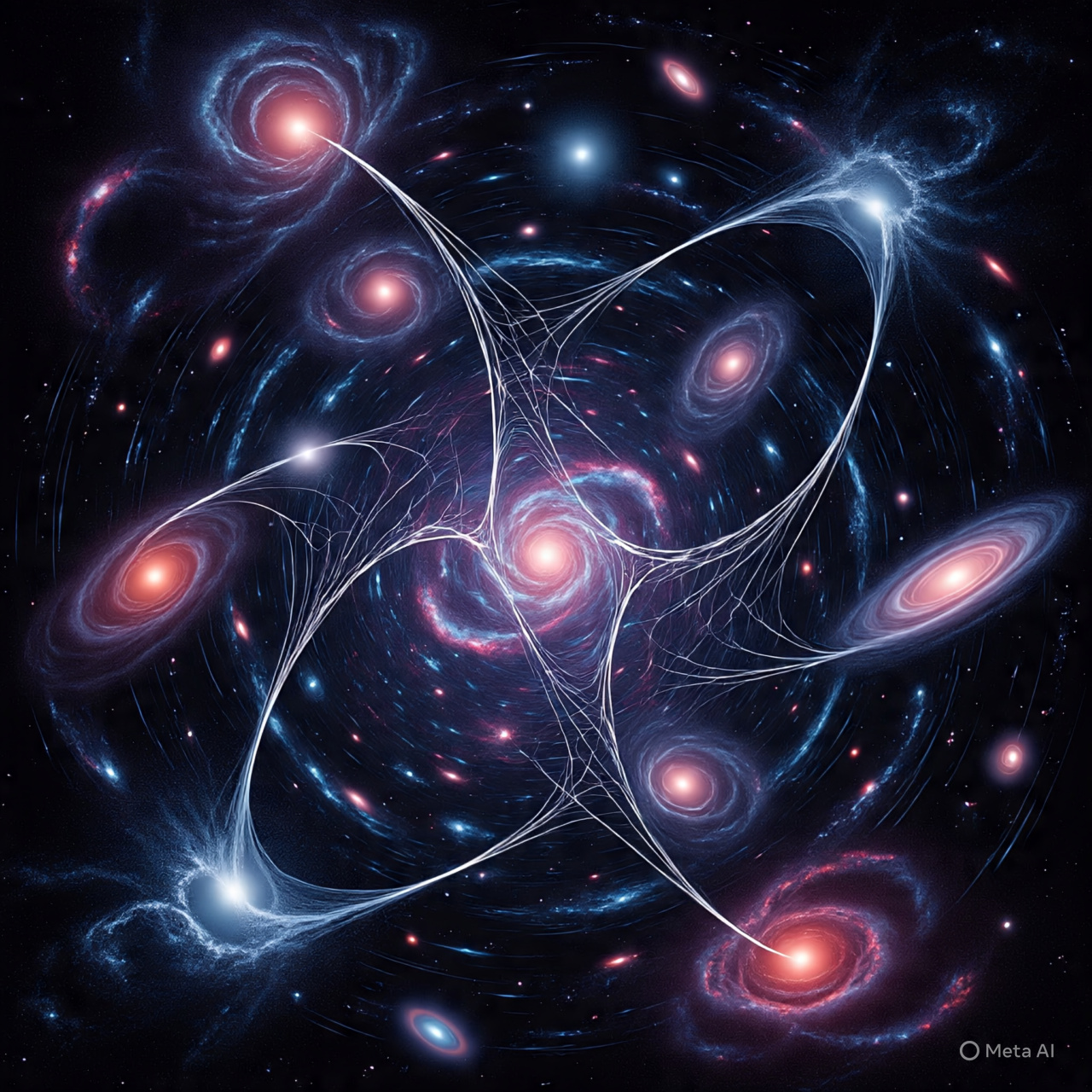
Astronomers reveal the Milky Way's position within a vast dark matter sheet, reshaping our understanding of cosmic structures and galaxy interactions.

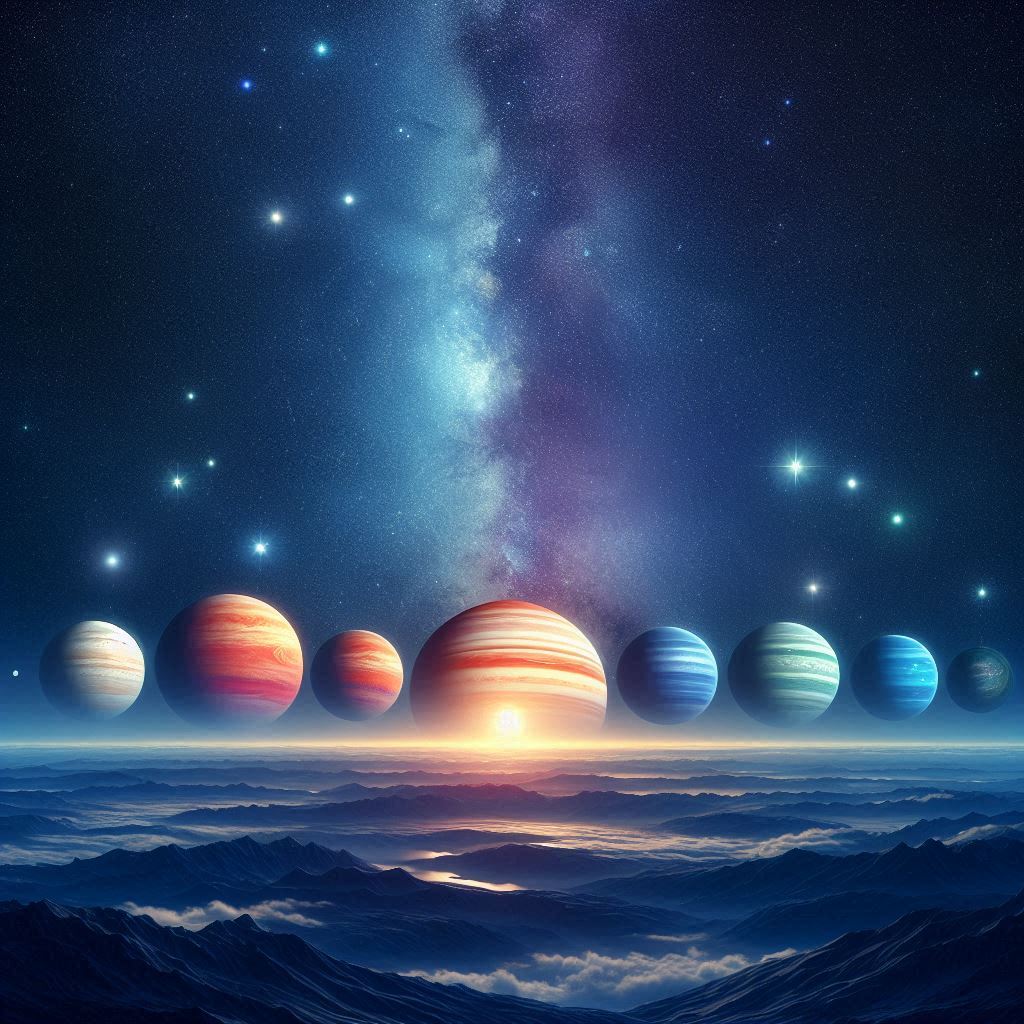
Experience February's planetary parade as Venus, Jupiter, Saturn, and Mars align in the night sky, offering a unique celestial spectacle for stargazers.

Scientists investigate dark matter's role in galaxies, exploring how invisible collisions may leave subtle traces in galactic structures and star movements.

A new discovery by astronomers using NASA's James Webb Telescope reveals a galaxy cluster formed just 1 billion years after the Big Bang, challenging existing models.

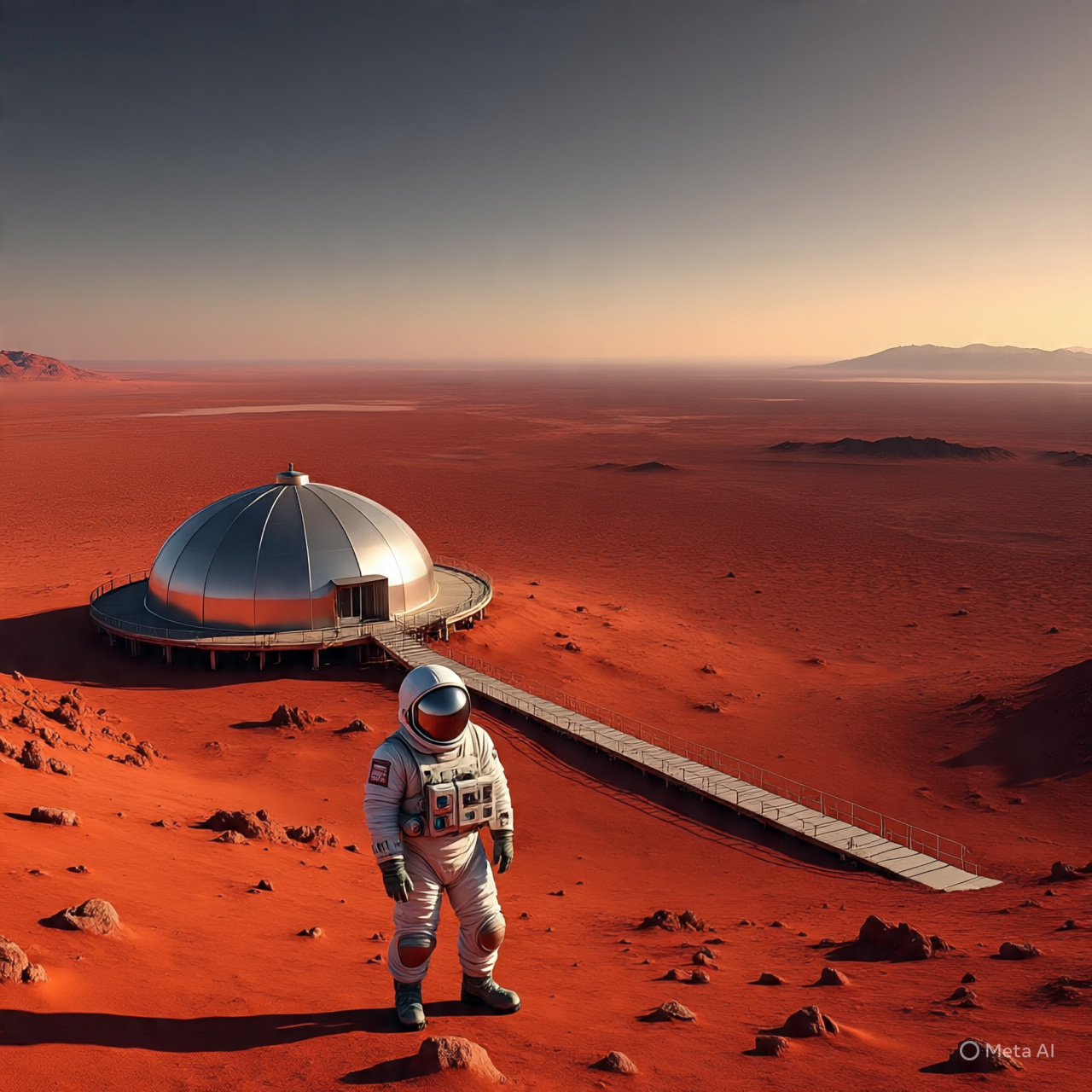
Recent findings confirm Einstein's theory: clocks on Mars tick faster than on Earth due to weaker gravity, impacting future space missions and exploration.

Explore how increasing heat in Kenya affects outdoor work, health, and economic productivity, reshaping daily life and labor practices.

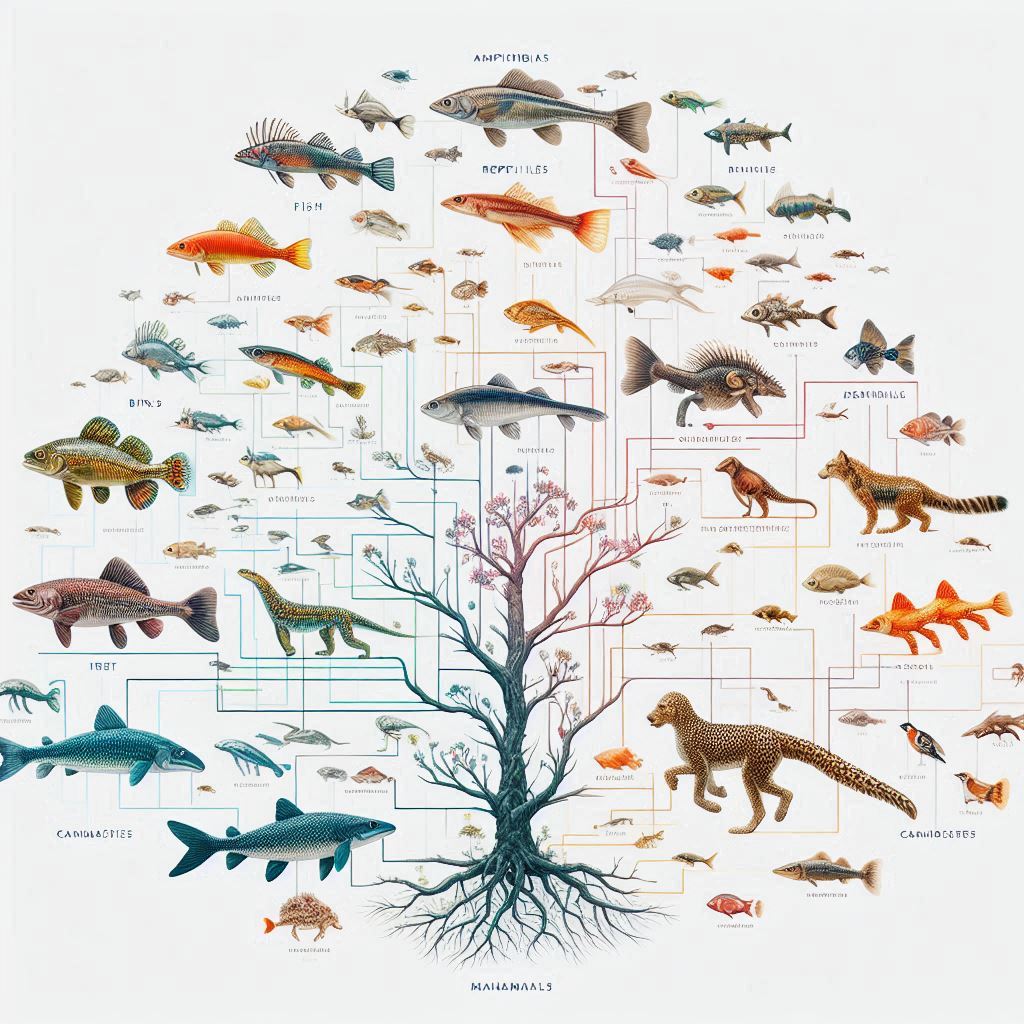
Recent research reveals how subtle genetic signals guided vertebrate evolution, shedding light on the development of diverse species from fish to humans.

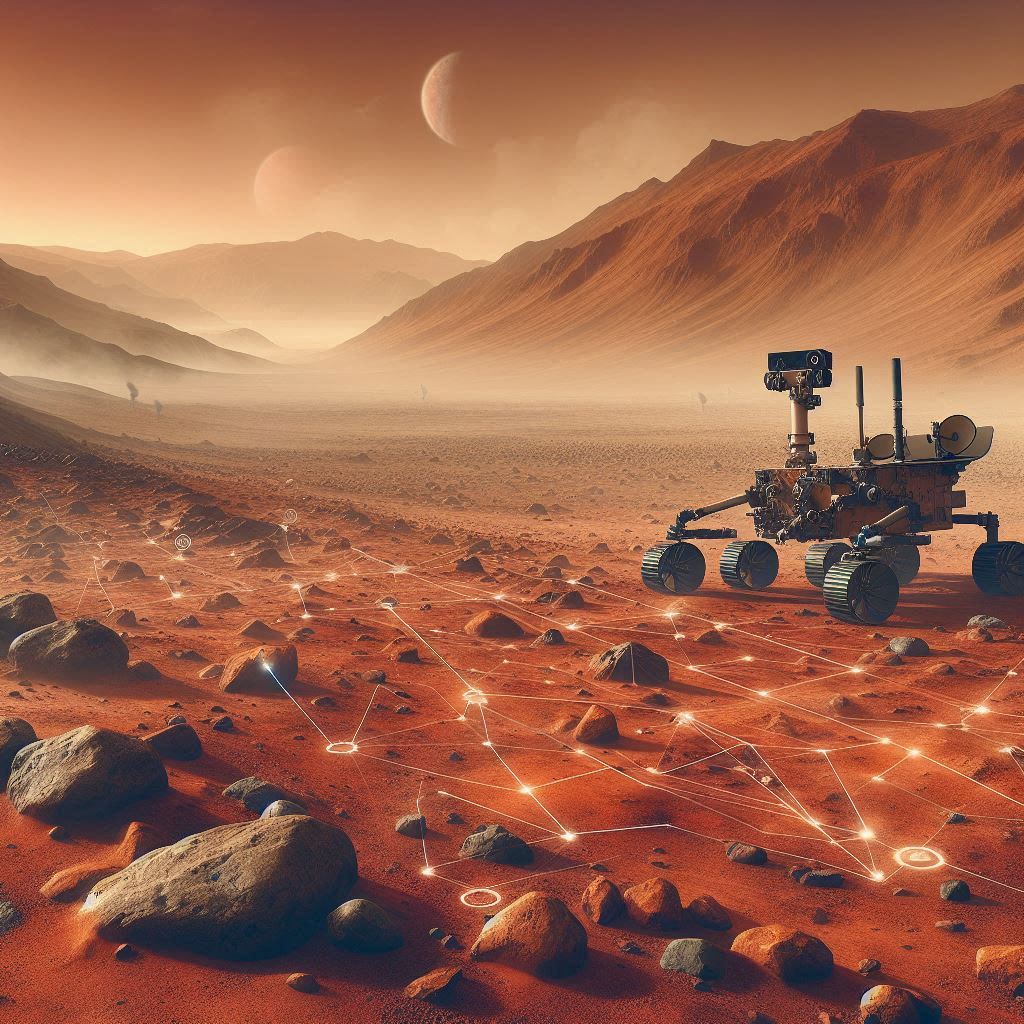
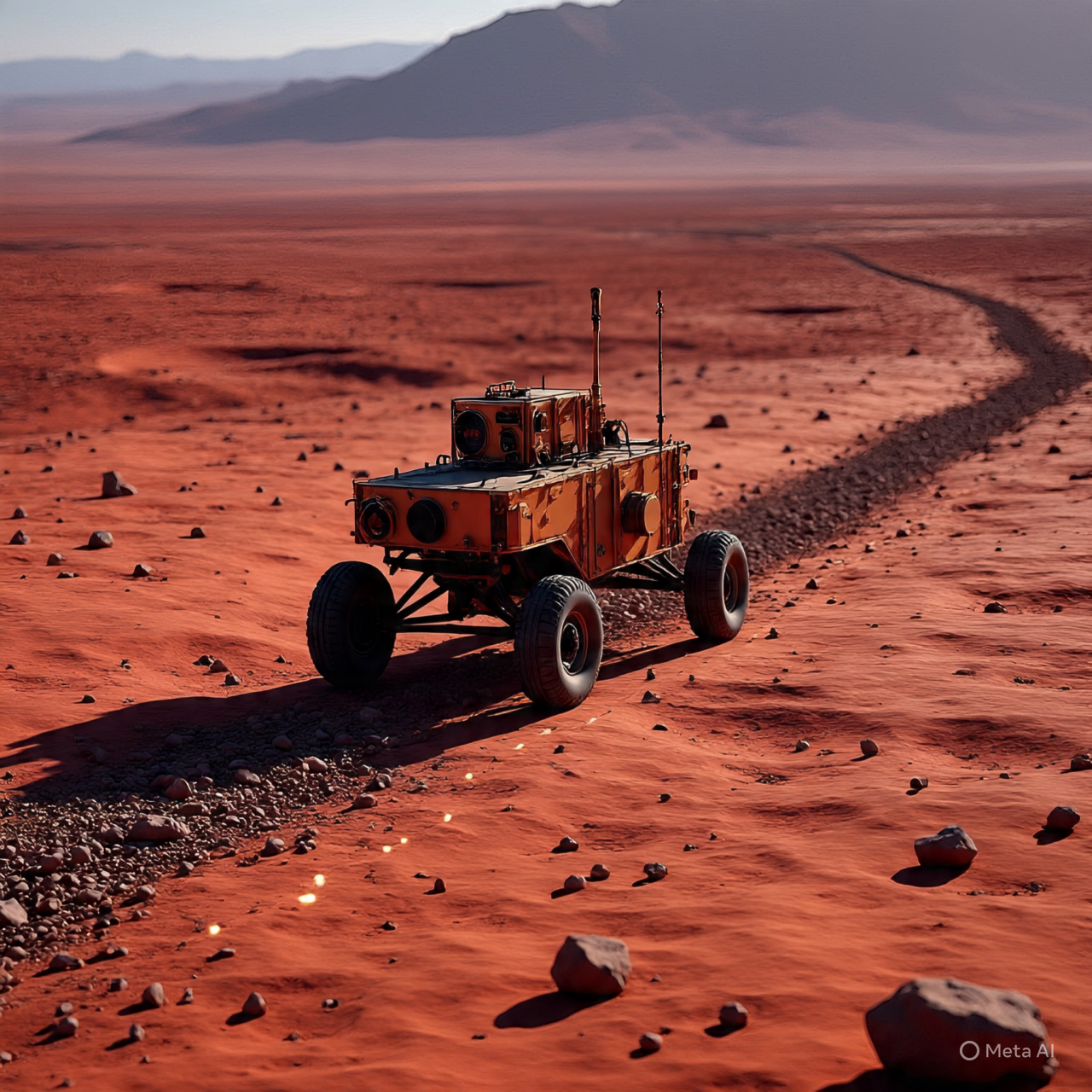
NASA's Perseverance rover utilizes AI for route planning, marking a significant advancement in Mars exploration and human-AI collaboration in space missions.

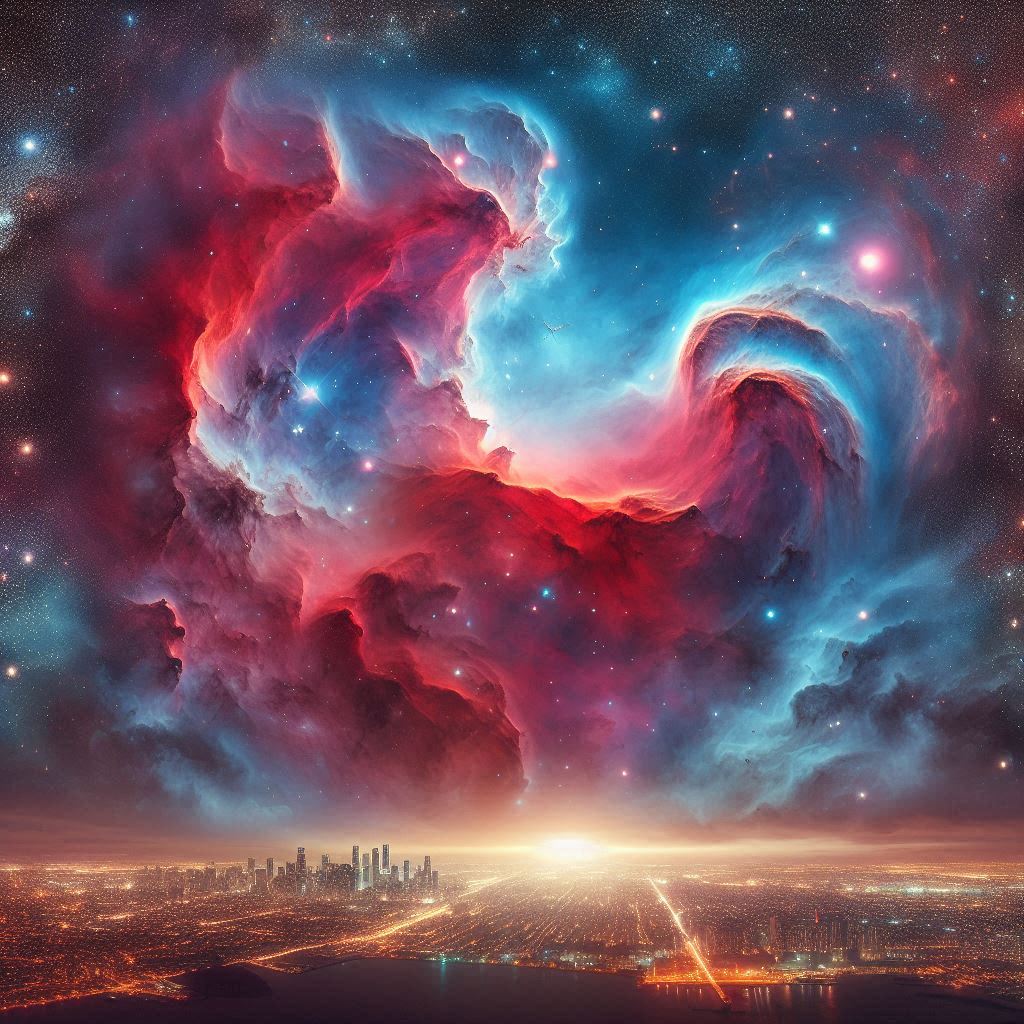
Explore the stunning Pelican Nebula, captured near Las Vegas, showcasing the beauty of cosmic creation against urban brilliance in a breathtaking image.

Researchers in Sydney recreate cosmic dust to study its role in the origins of life on Earth, revealing insights into early chemistry and biology.

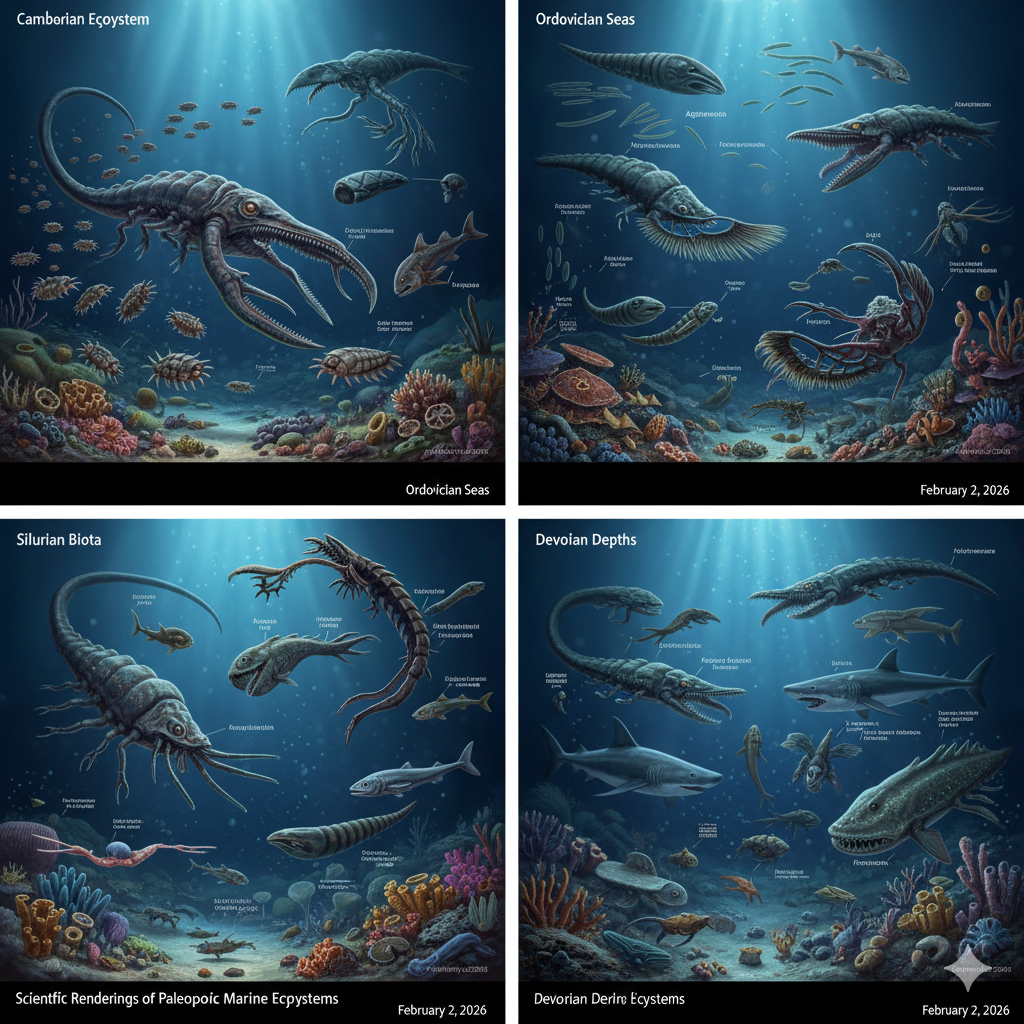
Explore the Huayuan biota's role in understanding early mass extinctions and the evolution of marine ecosystems over 514 million years ago.

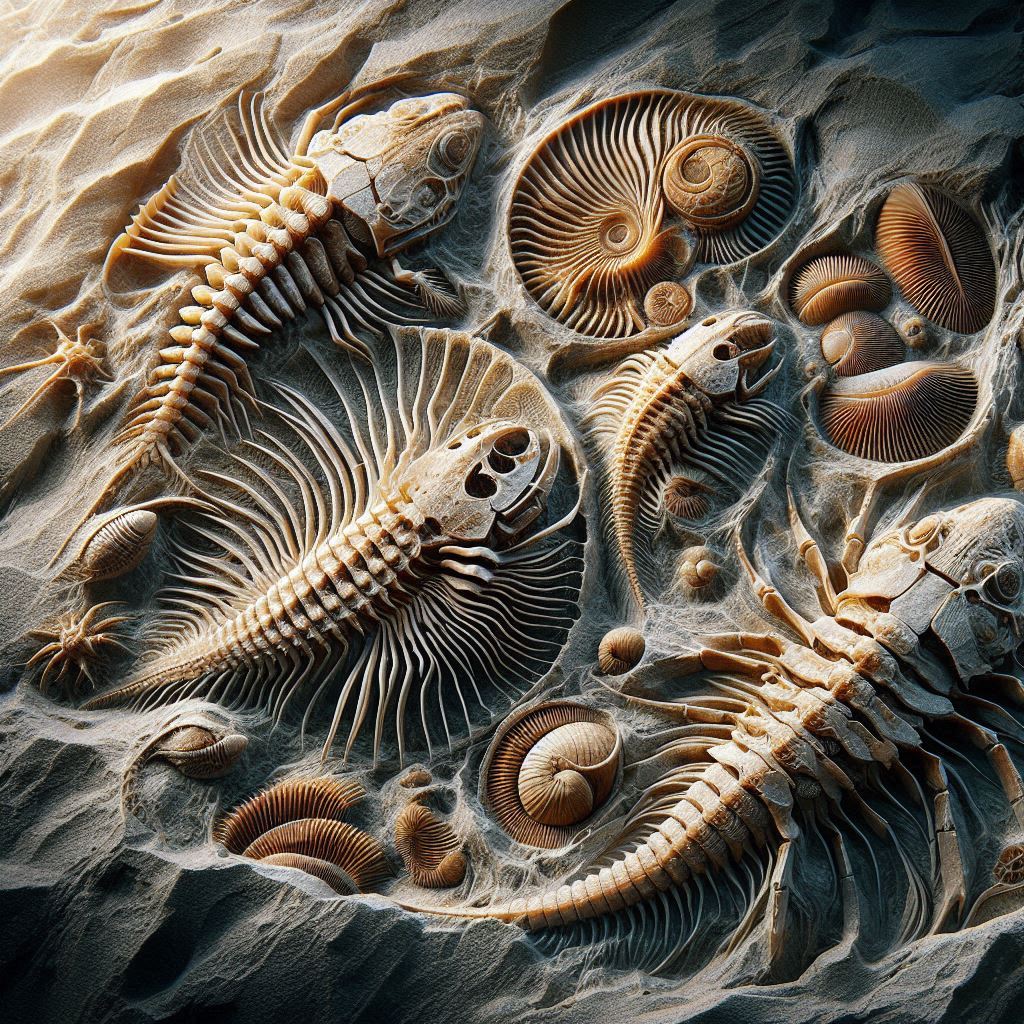
Discover the Huayuan biota in China, revealing over 50,000 fossils from the Cambrian period, including new species and insights into early marine ecosystems.

A UK tribunal has dismissed a £656 million class-action lawsuit against Valve, ruling insufficient evidence for anti-competitive practices in digital gaming.

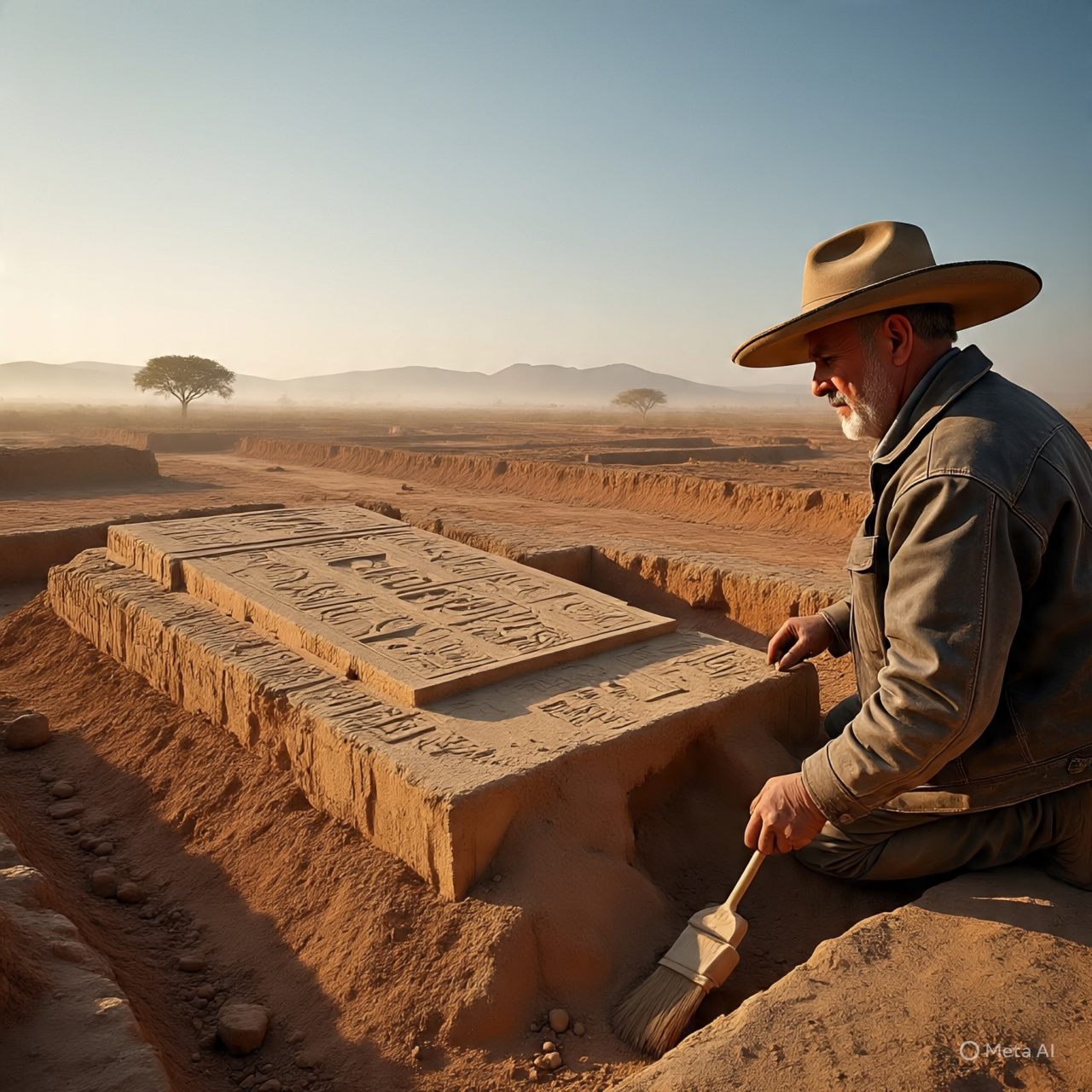
Archaeologists uncover a 1,400-year-old Zapotec tomb in Mexico, featuring a monumental owl sculpture that symbolizes guardianship in ancient beliefs.

NASA is testing AI to enhance Mars rover navigation, improving route planning and safety for future missions on the Red Planet.

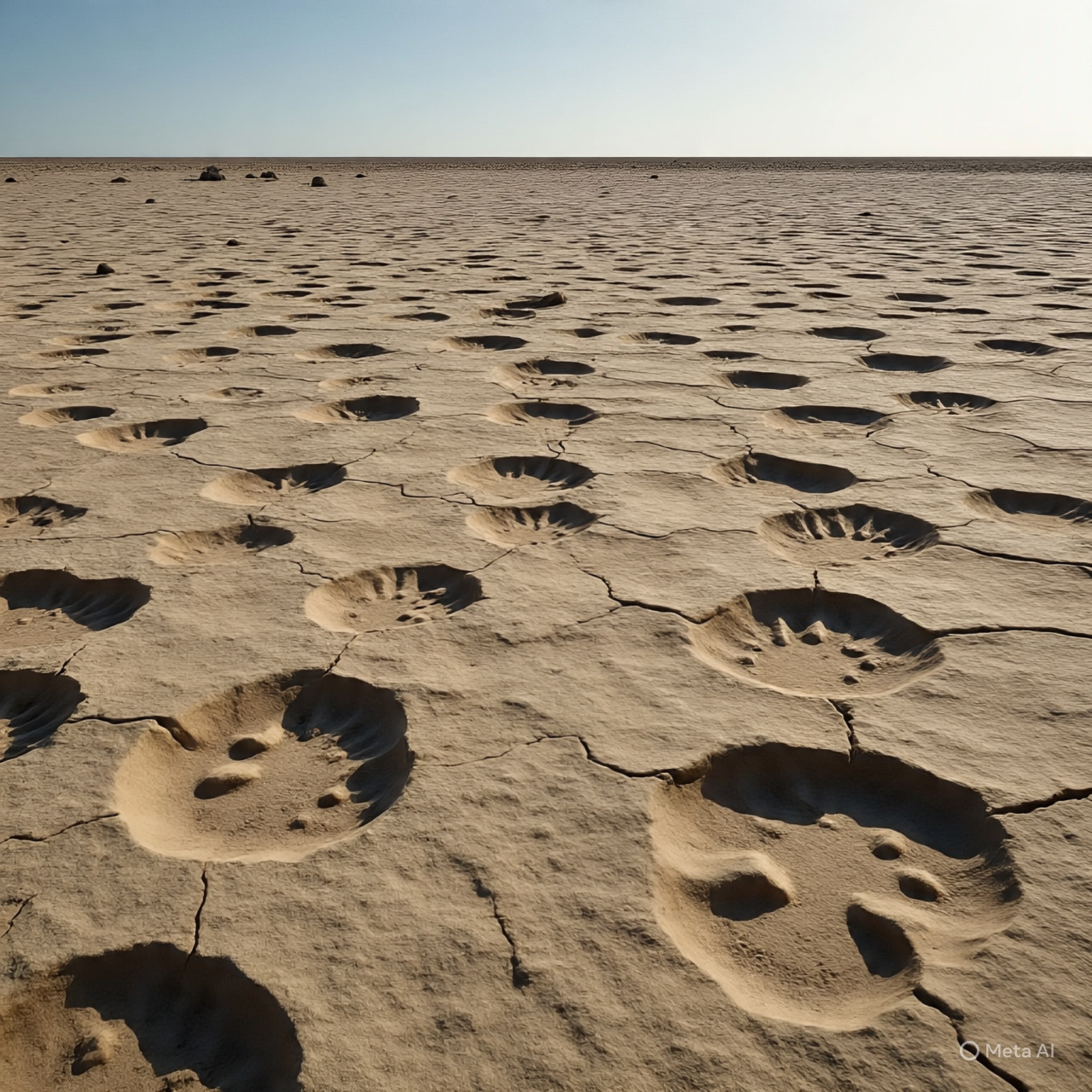
Discover the largest dinosaur tracksite with over 16,000 footprints, revealing ancient behaviors and movements of these magnificent creatures.

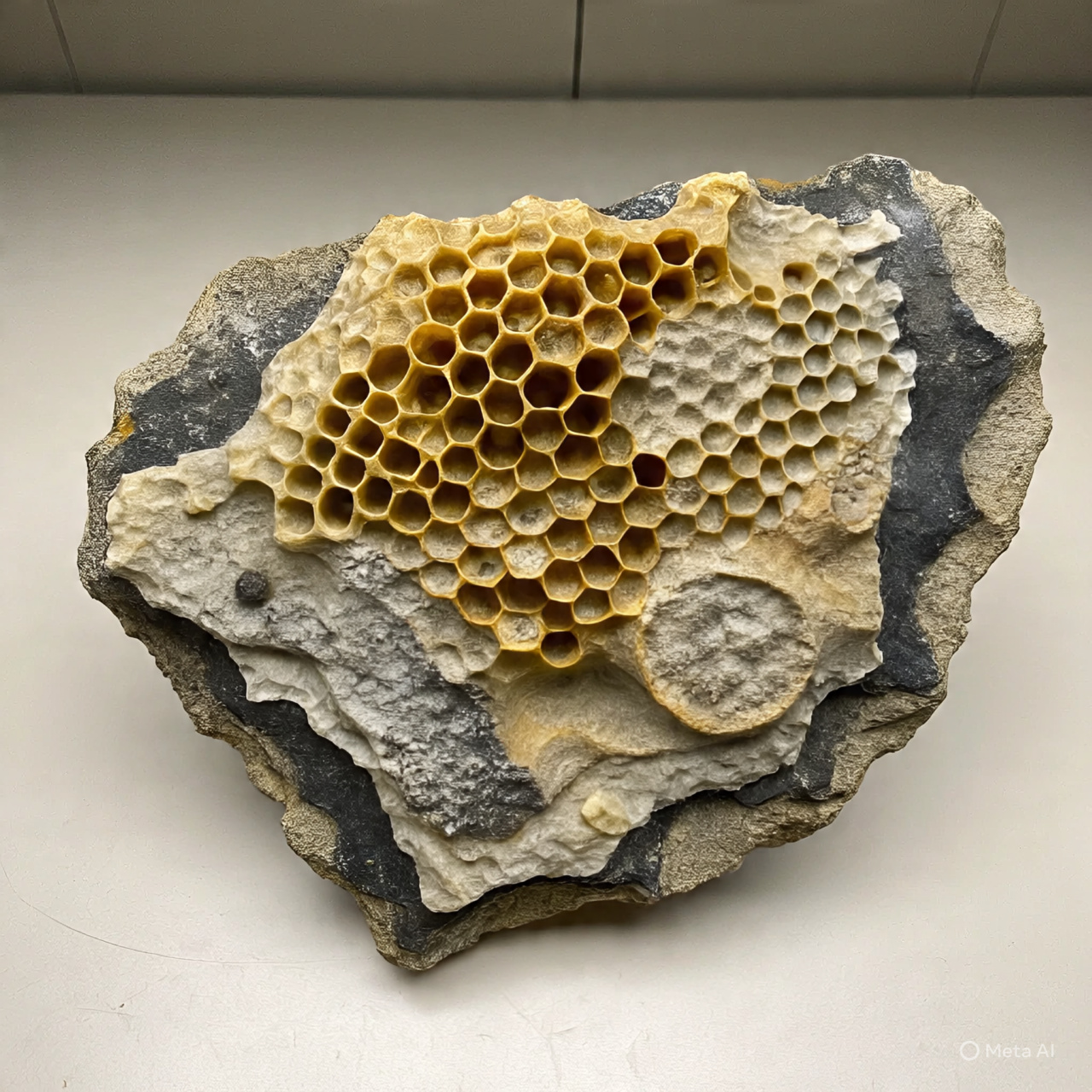
Scientists discover fossilized bee nests that challenge previous assumptions about insect behavior, revealing complex nesting strategies from millions of years ago.