
SCIENCE89% credibility
Horses Can Detect Human Emotions Through Scent, Study Finds
A new study reveals that horses can distinguish human emotions by scent, responding to fear and calmness through chemical changes in sweat.
2 min read

A new study reveals that horses can distinguish human emotions by scent, responding to fear and calmness through chemical changes in sweat.

A new study reveals that some dogs can learn words simply by overhearing conversations, challenging traditional views on canine learning and cognition.

Discover how birds adapted to the sudden silence of the pandemic, leading to rapid evolutionary changes in their beak shapes and behaviors.
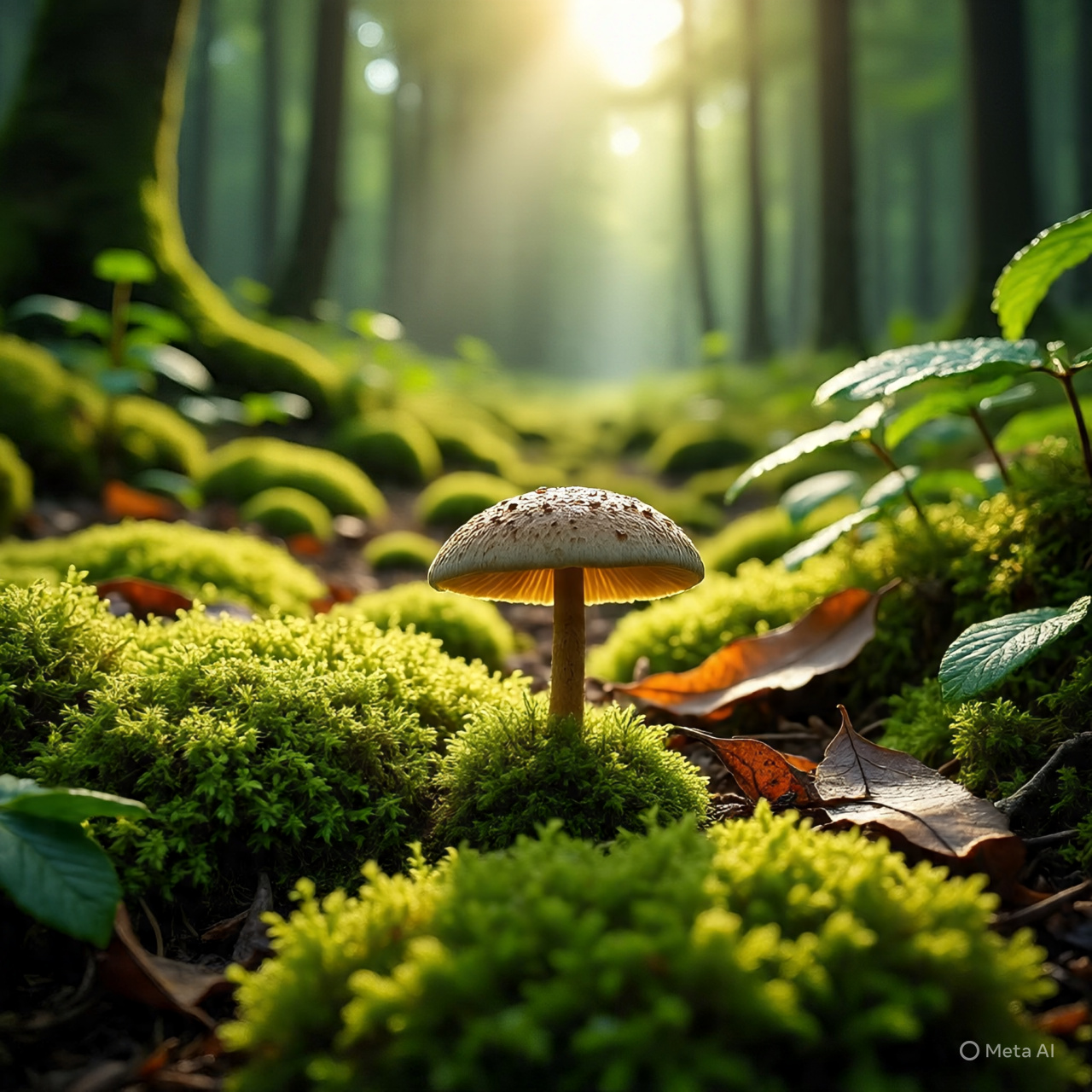
A rare fungus, thought lost for half a century, has reemerged in a forest, prompting scientific interest and reflections on nature's resilience.
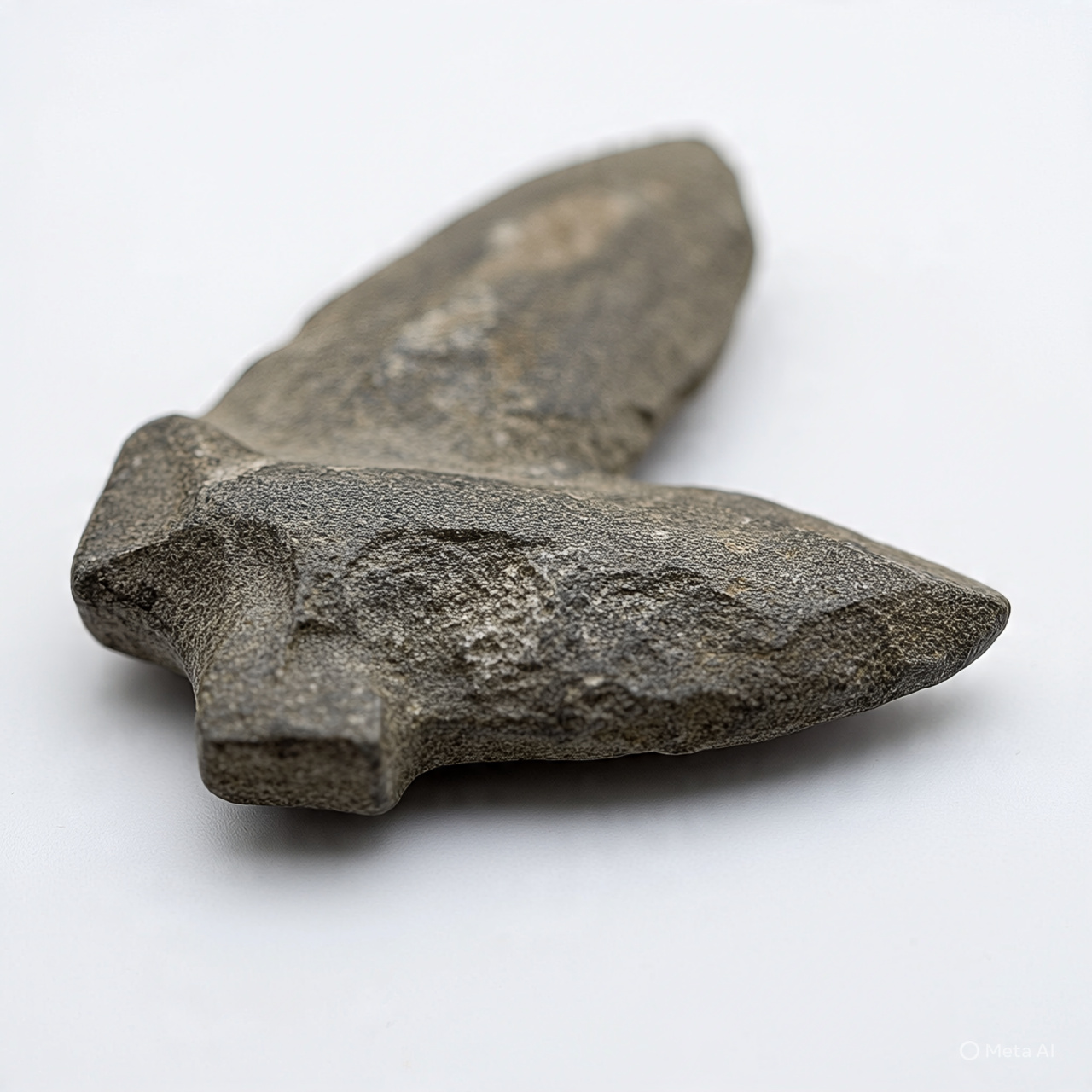
Archaeologists discover the oldest evidence of poison-tipped arrows, showcasing early humans' advanced hunting techniques and ecological knowledge.

Researchers are exploring the possibility of recovering Leonardo da Vinci's DNA from historical artifacts, aiming to connect his biological legacy to his artistic genius.

A Zapotec tomb dating back to 600 AD has been uncovered in Oaxaca, revealing insights into ancient burial practices and cultural continuity.
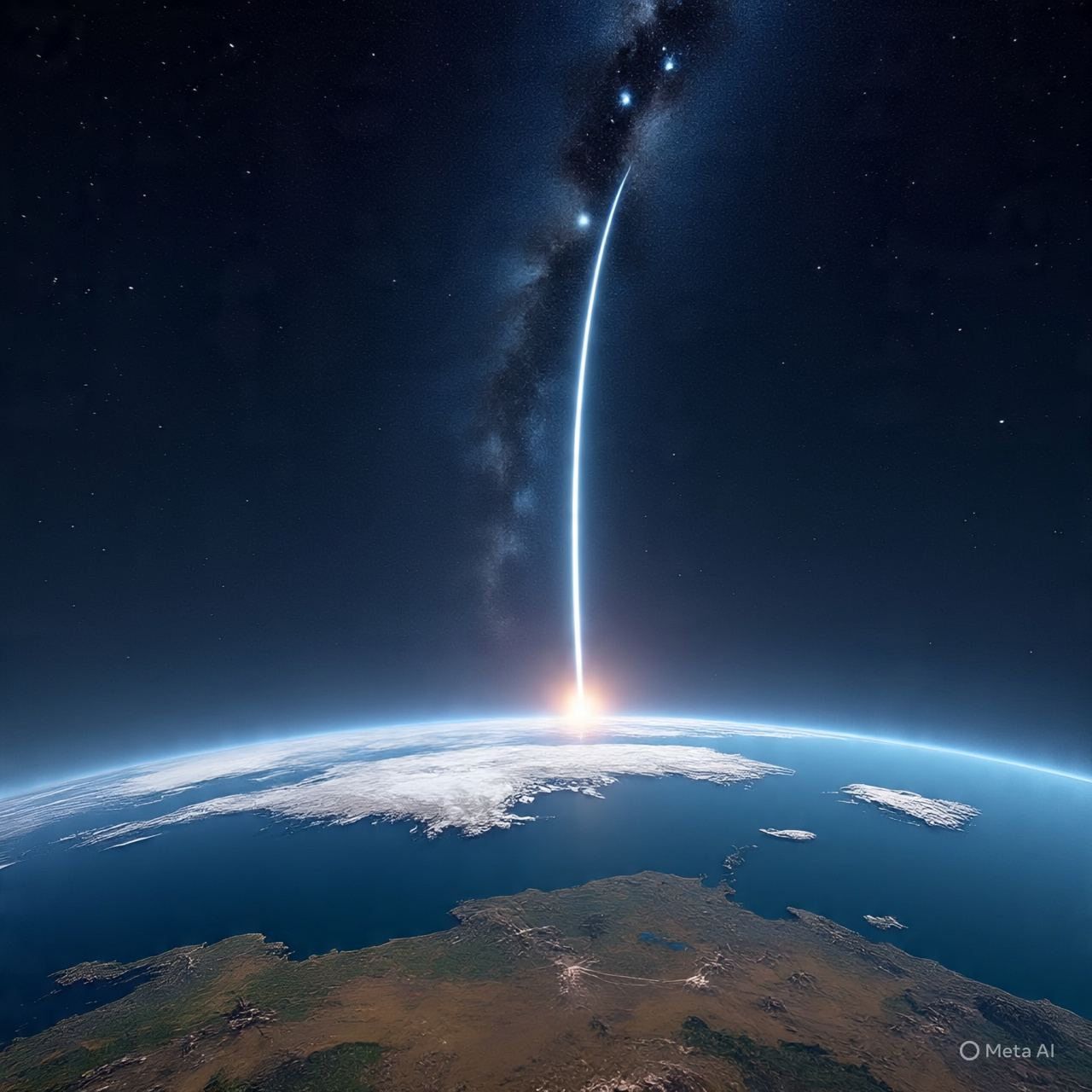
Researchers have developed a method to track space debris using sonic booms generated during reentry, enhancing safety and monitoring efforts.

A recent study uncovers a previously overlooked mechanism in climate change, revealing faster warming timelines and the sensitivity of Earth's systems.

Scientists have discovered a complex organic molecule in interstellar space, suggesting that life's building blocks may form before planets do.
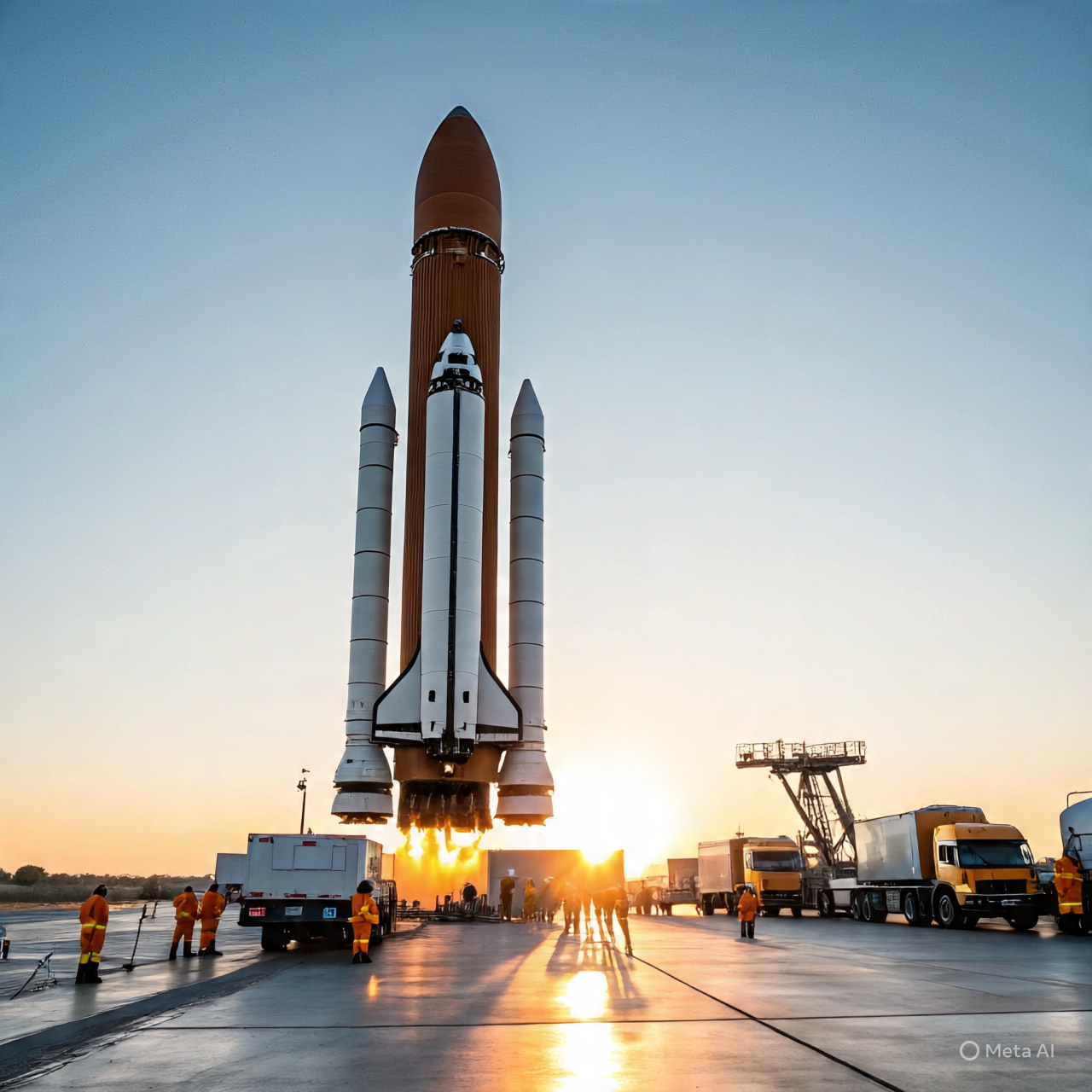
NASA's Artemis 2 mission countdown is underway, focusing on critical wet dress rehearsals as the agency prepares for a historic lunar journey in February.
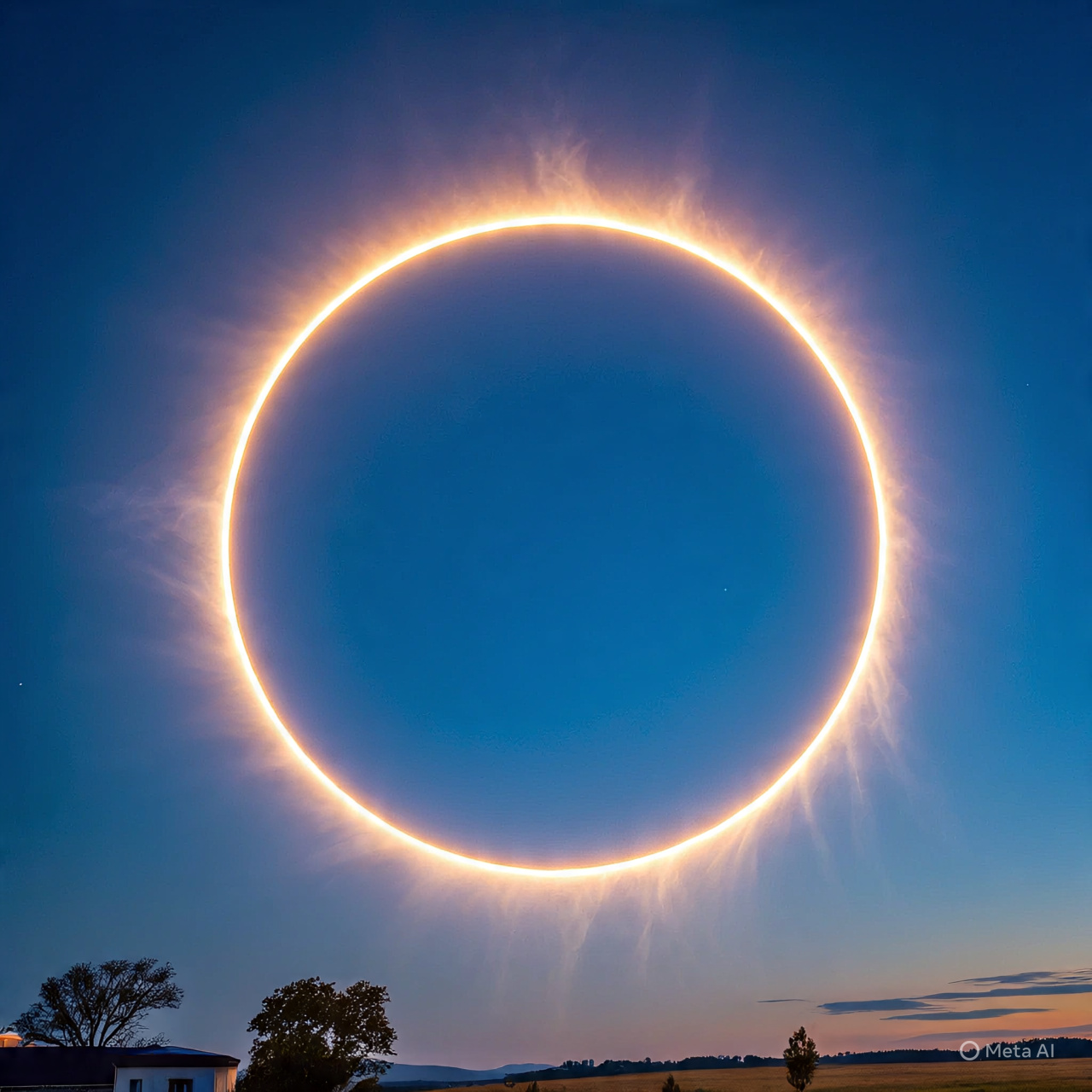
Explore February's celestial events, including the Artemis II mission, the Snow Moon, and meteor showers. Discover what to watch in the night sky this month.
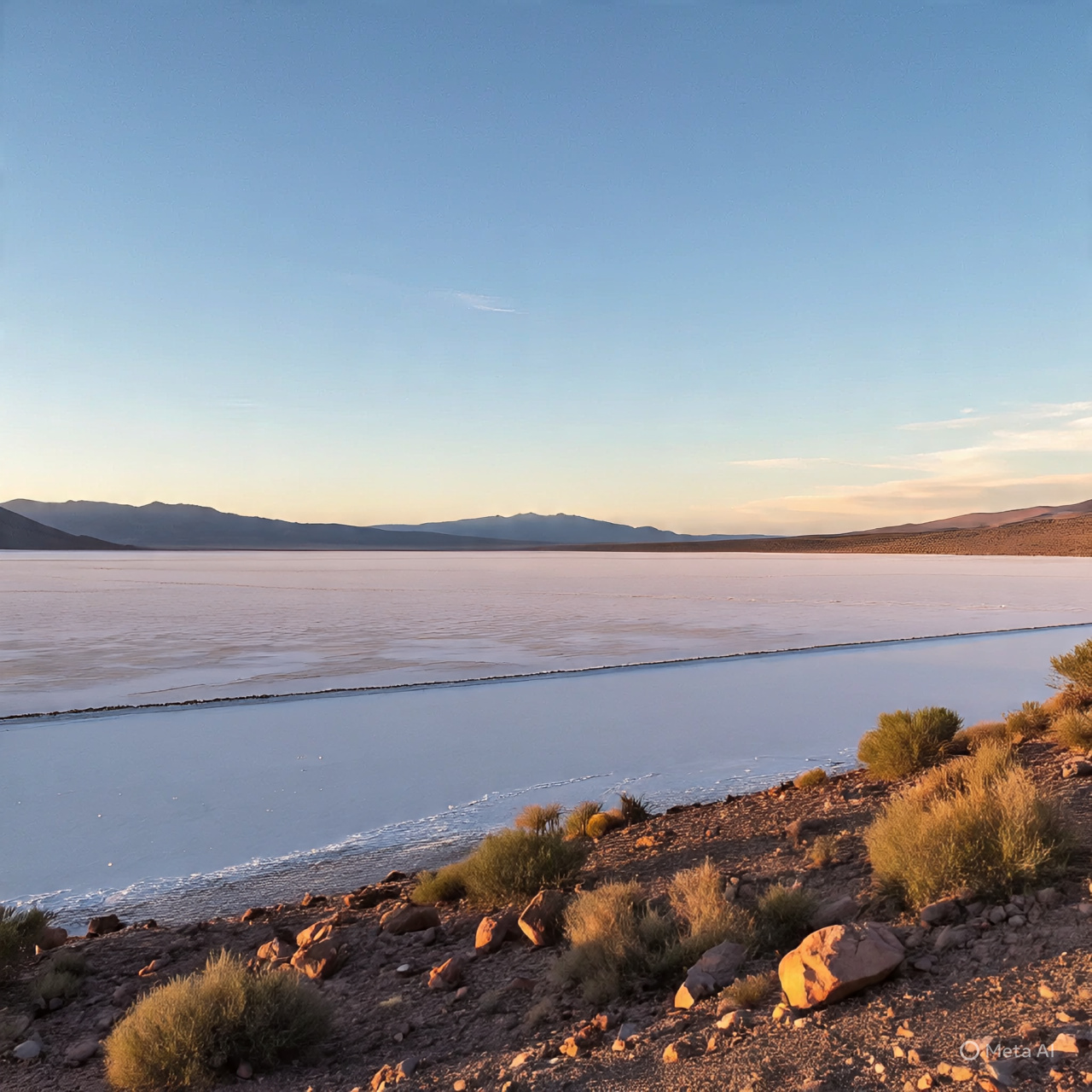
Scientists in Chile are freezing seeds from the Atacama Desert to preserve unique plant species threatened by climate change and environmental shifts.
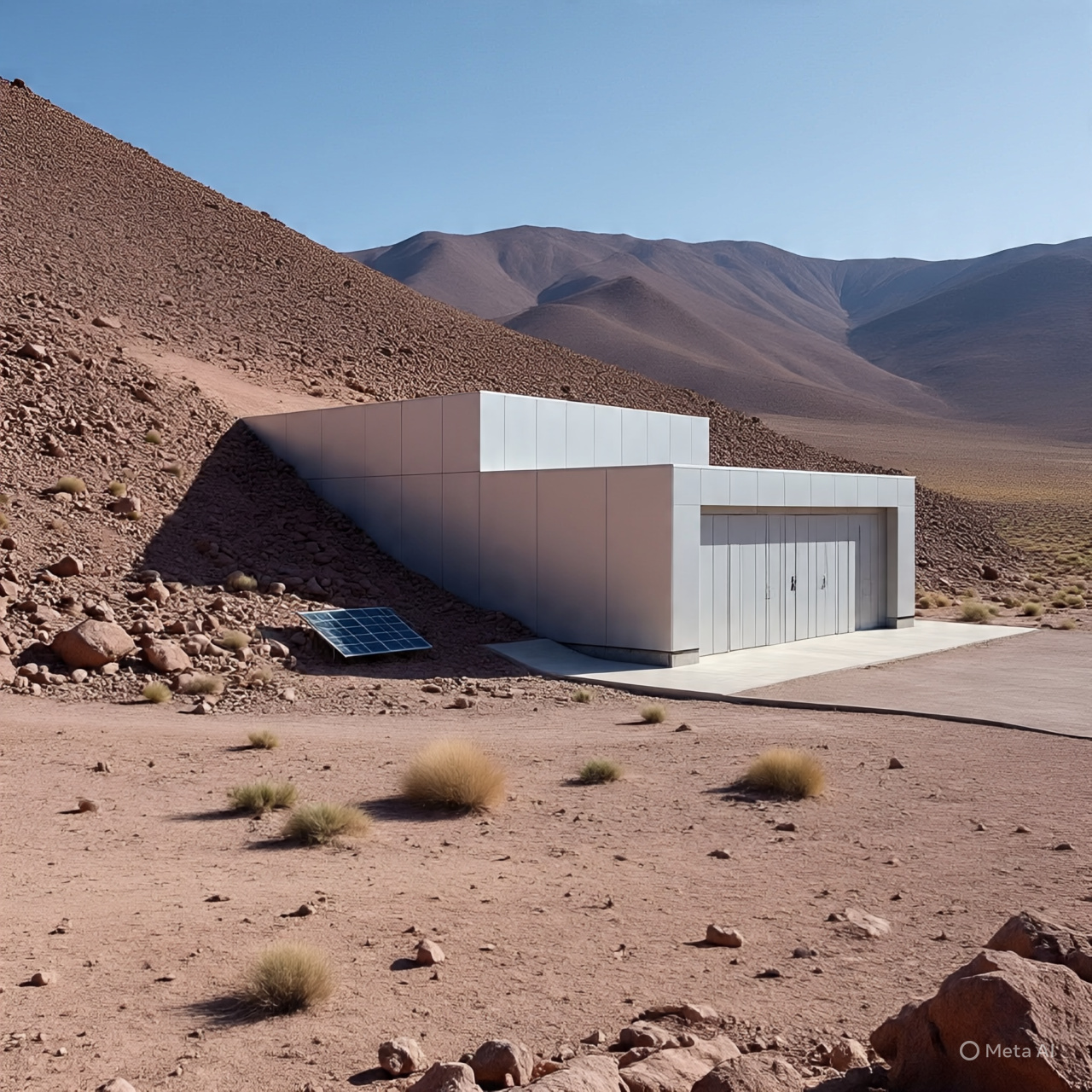
Discover Chile's Initihuasi Seed Bank, a vital repository preserving endangered plant species in the Atacama Desert for future generations.
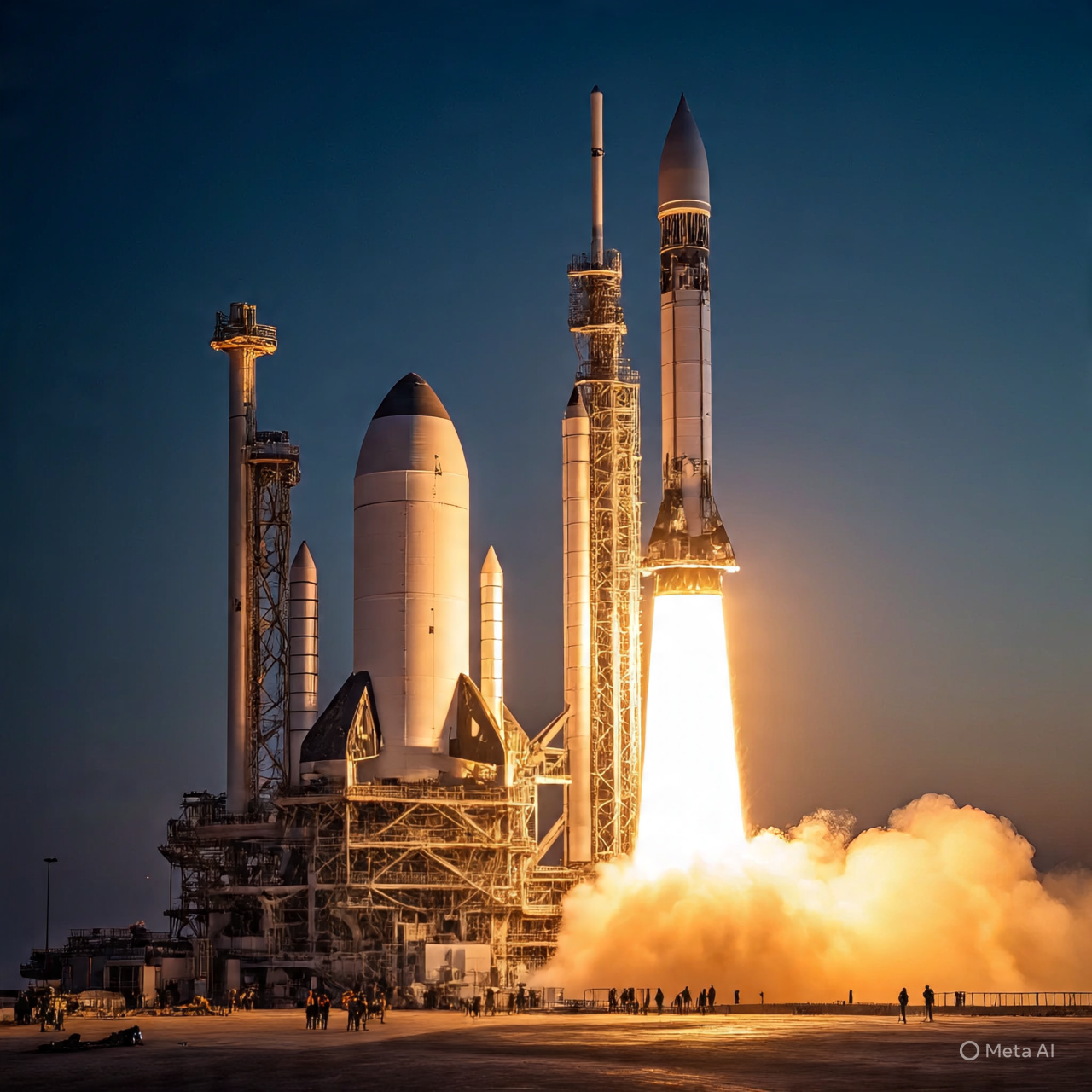
NASA has postponed the Artemis II wet dress rehearsal due to freezing temperatures, shifting the rehearsal to February 2, 2026, and the launch to February 8, 2026.

Archaeologists in Greece discover two wooden tools dating back 430,000 years, revealing insights into early human technology and behavior.

Discover the Snow Moon's peak viewing time and historical significance. Learn how to enjoy this celestial event on February 1, 2026.
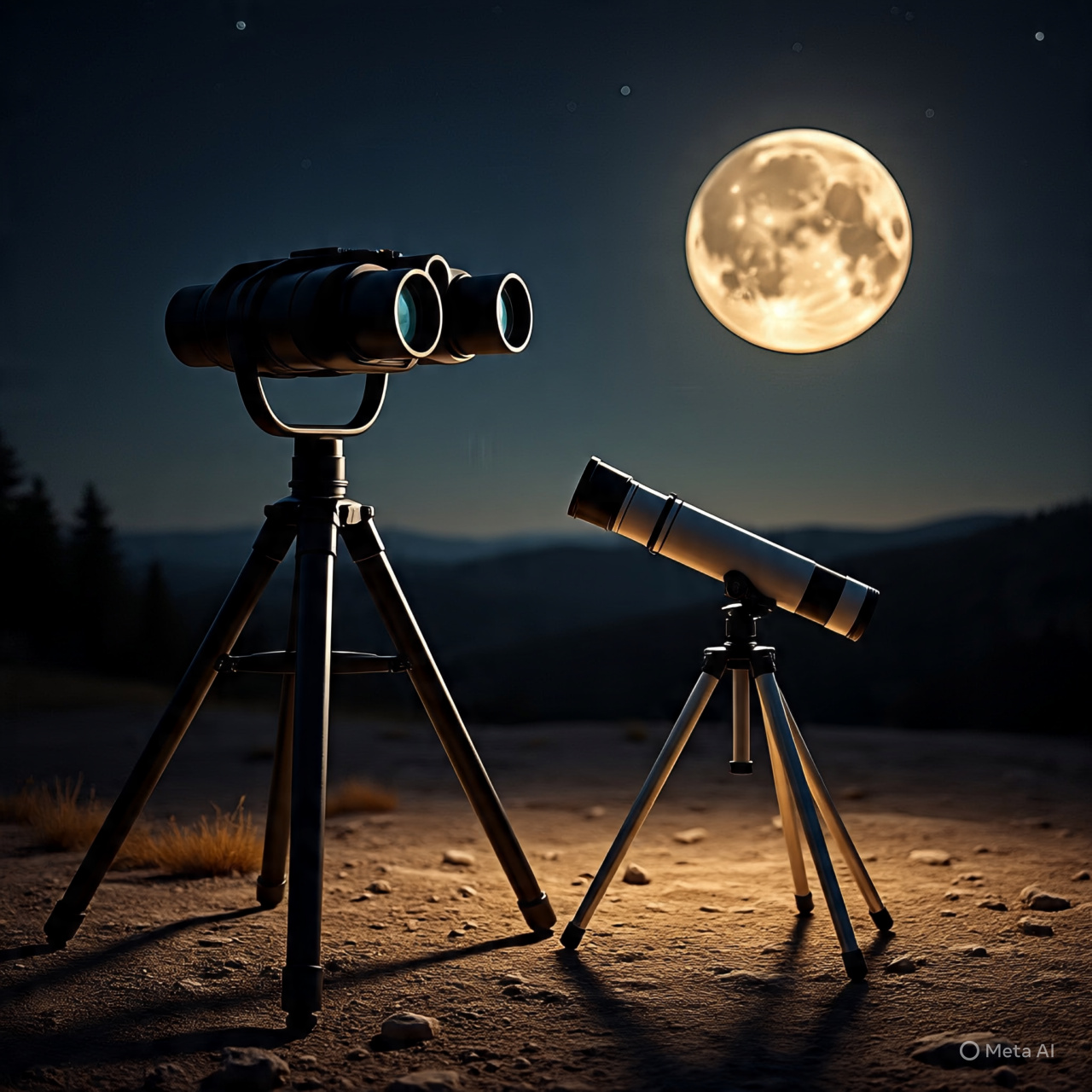
Skywatchers can witness February's Snow Moon on February 1, 2026, as it lights up the night sky, marking a seasonal celestial event.

SpaceX seeks FCC approval for a groundbreaking project to deploy one million solar-powered satellites as orbital AI data centers, revolutionizing computing.
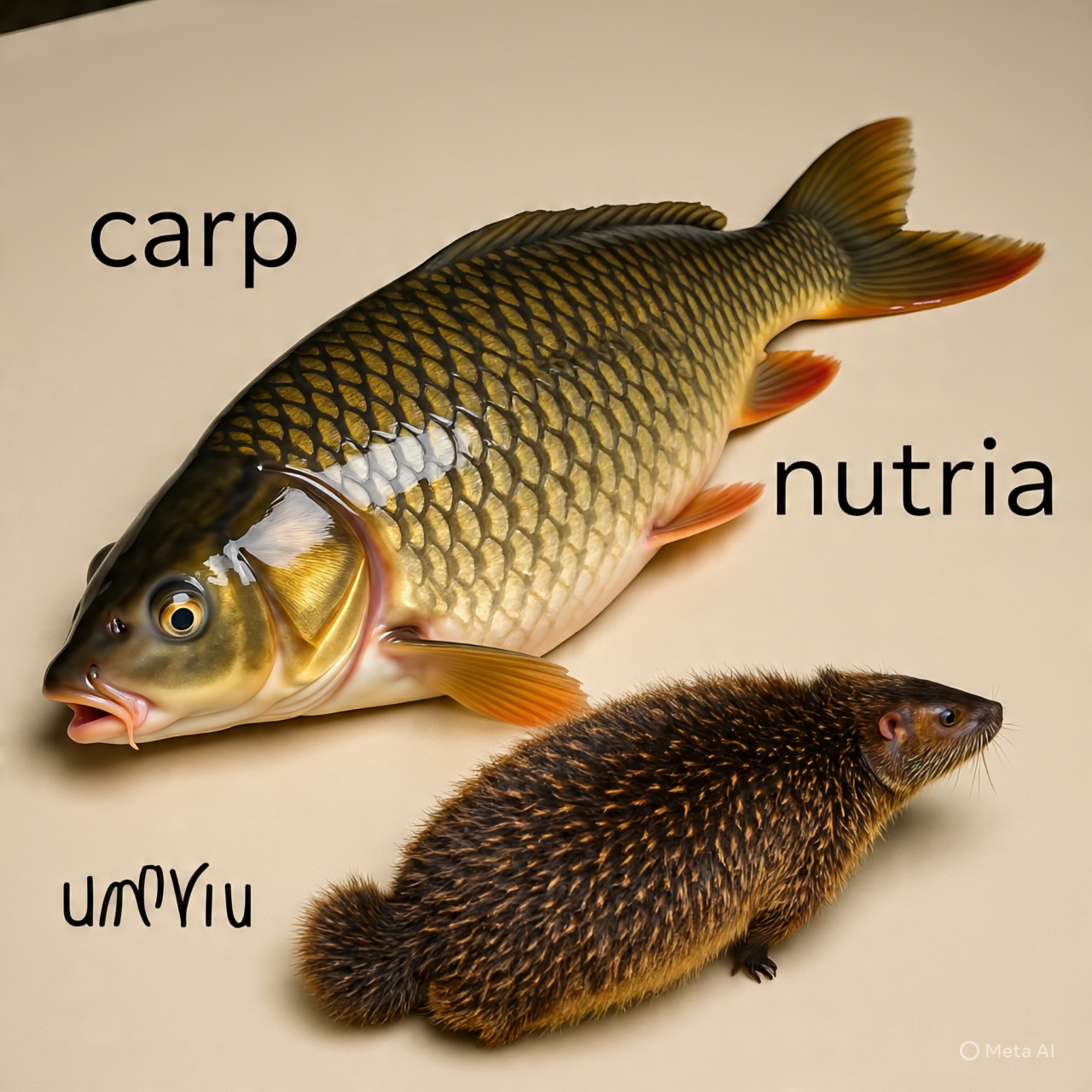
Conservationists and chefs urge Americans to eat invasive species like lionfish and Asian carp to combat ecological damage and promote sustainability.
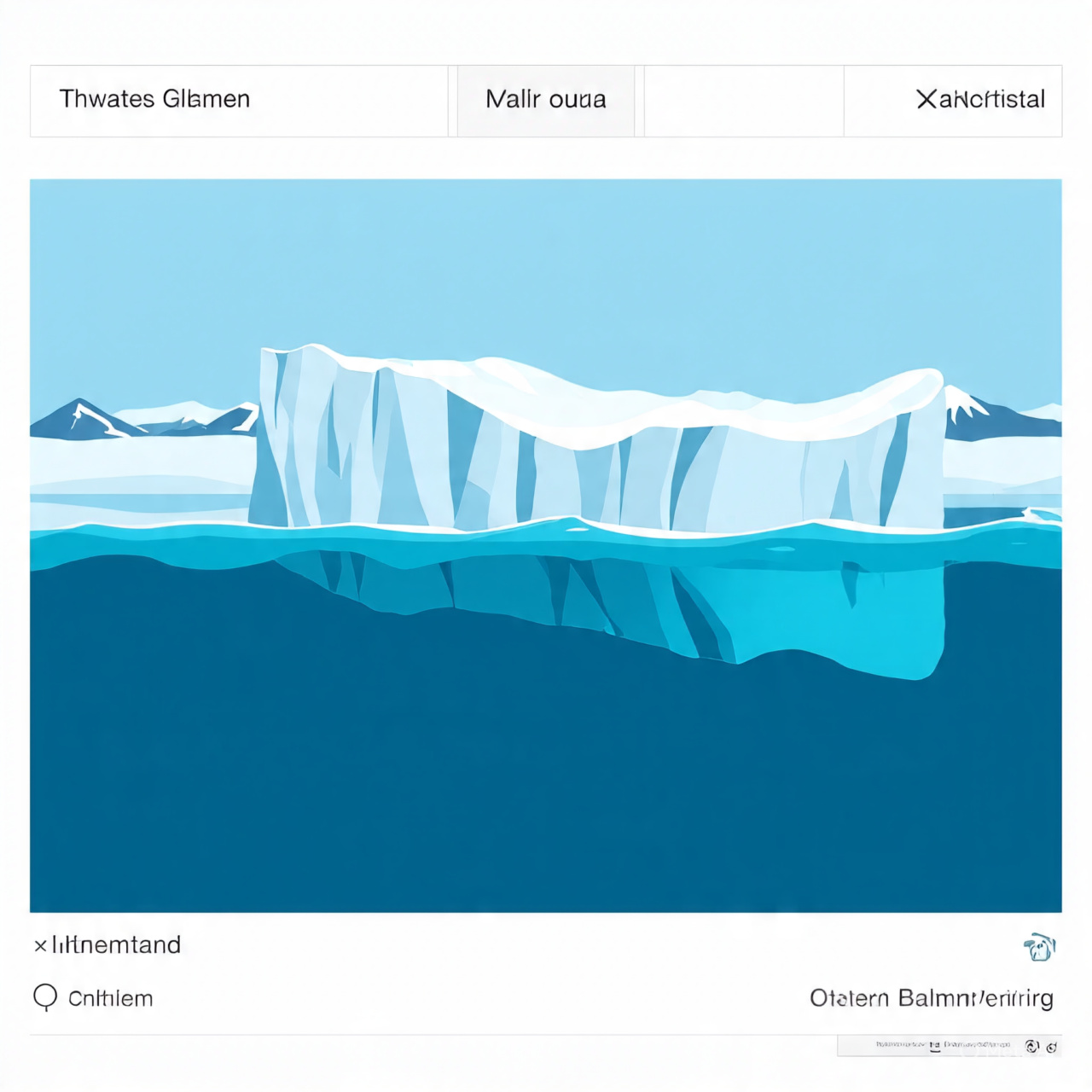
Scientists propose a massive underwater wall to protect Antarctica's Thwaites Glacier from melting, which could significantly impact global sea levels.

Explore how coral reefs have shaped Earth's climate for over 250 million years, influencing carbon cycles and biodiversity in our oceans.
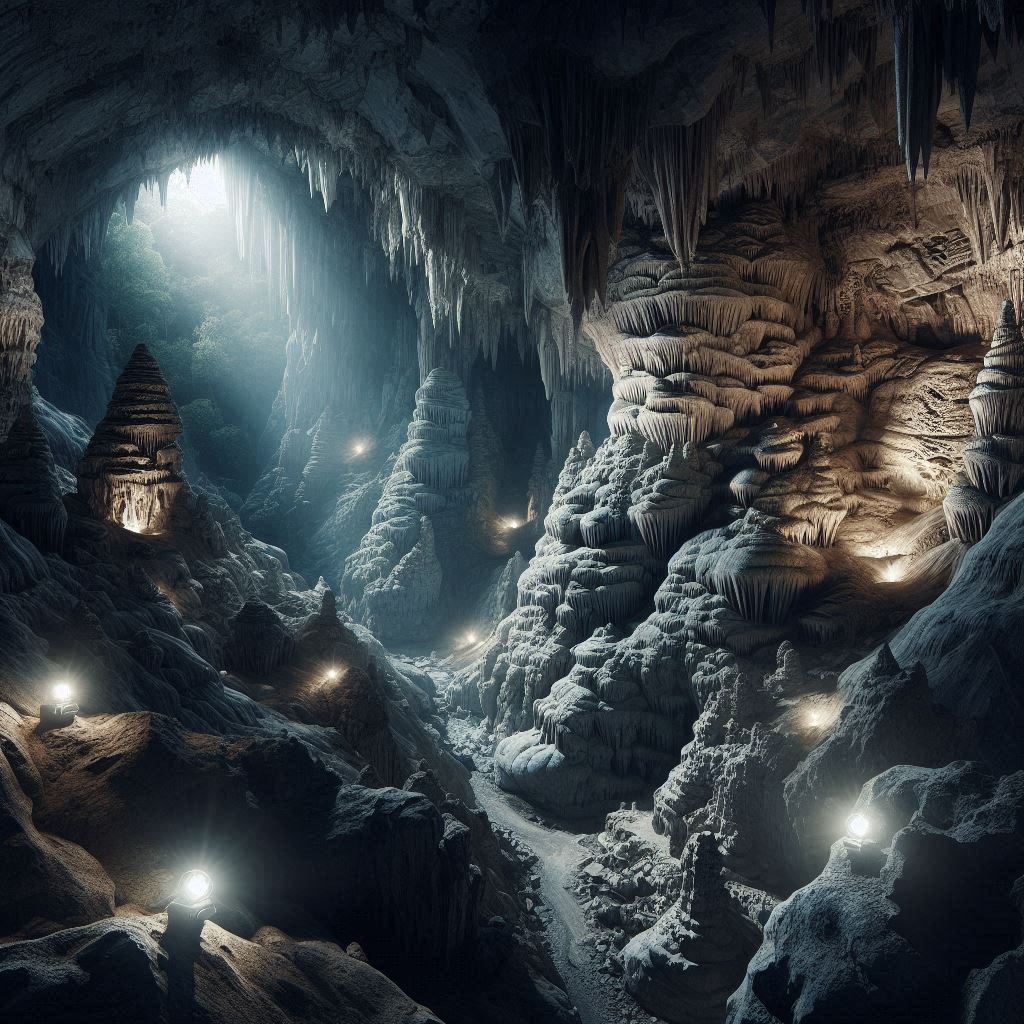
Researchers uncover a hidden cave in New Zealand, revealing fossils of extinct species and insights into the region's ancient ecosystems dating back over a million years.
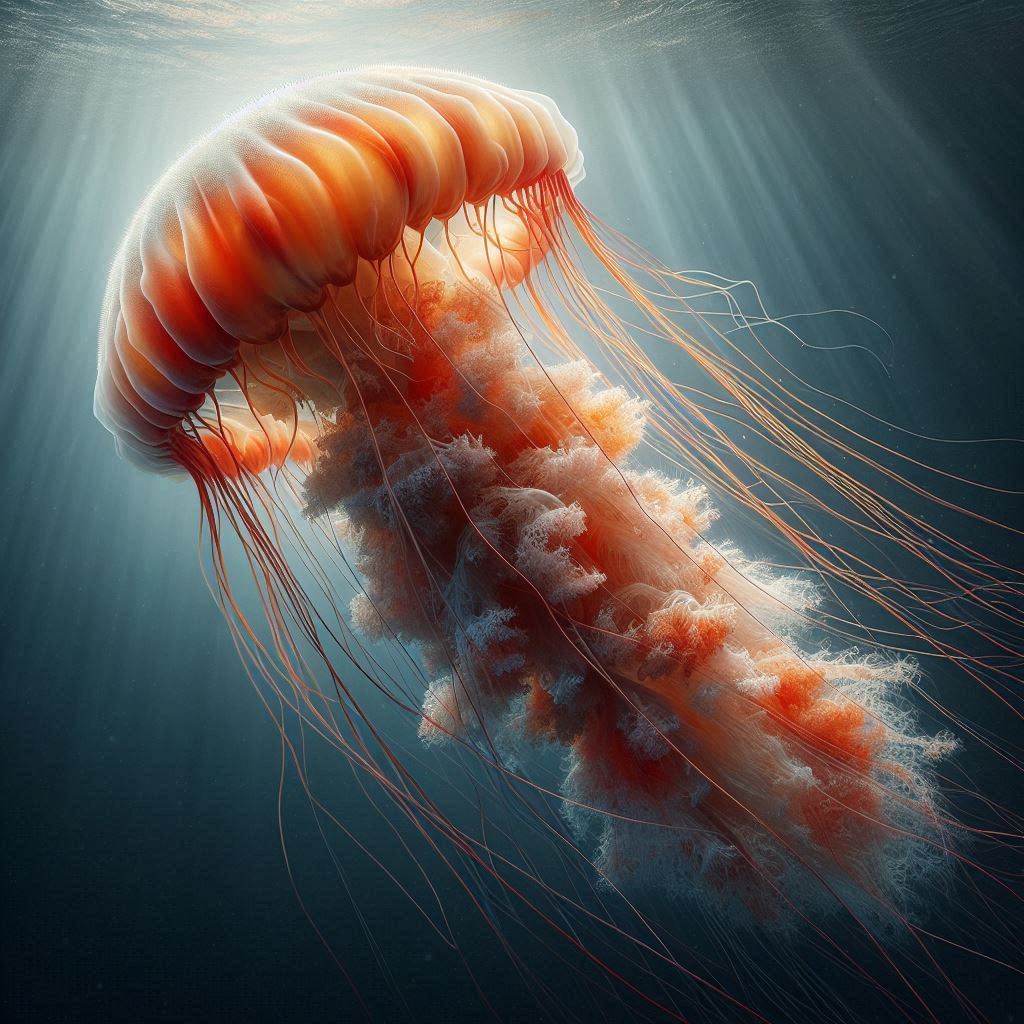
Discover the ocean's longest tentacles, from the lion's mane jellyfish to the colossal squid, and learn how these creatures redefine length in nature.