Our genetic code is often described as a book of life, a linear narrative written in the language of nucleotides. Yet, like any ancient text, it contains marginalia—faint echoes of stories that were never fully recorded in the fossil record. Recent advances in computational genomics have allowed scientists to read between the lines, revealing the presence of two "ghost" ancestral lineages. These elusive groups, known only through the fragments of DNA they left behind in modern humans, remind us that our family tree is far more complex and intertwined than previously imagined.
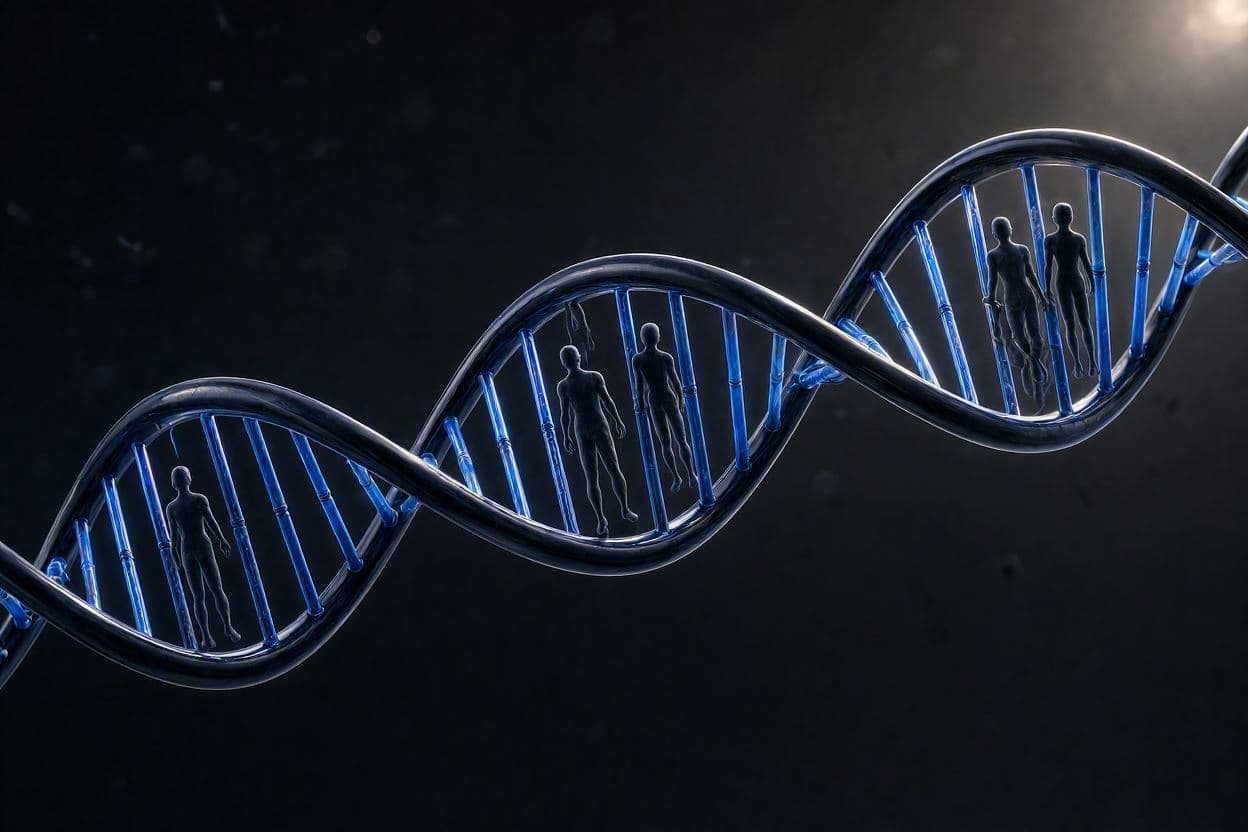
The term "ghost lineage" refers to ancestral populations that did not leave behind direct fossil evidence but whose genetic signatures persist in living people. By analyzing the genomes of diverse contemporary populations, researchers have identified statistical anomalies that suggest interbreeding with unknown hominin groups. These findings do not rely on bone or stone but on the subtle patterns of inheritance that have survived thousands of years of mixing and drift.
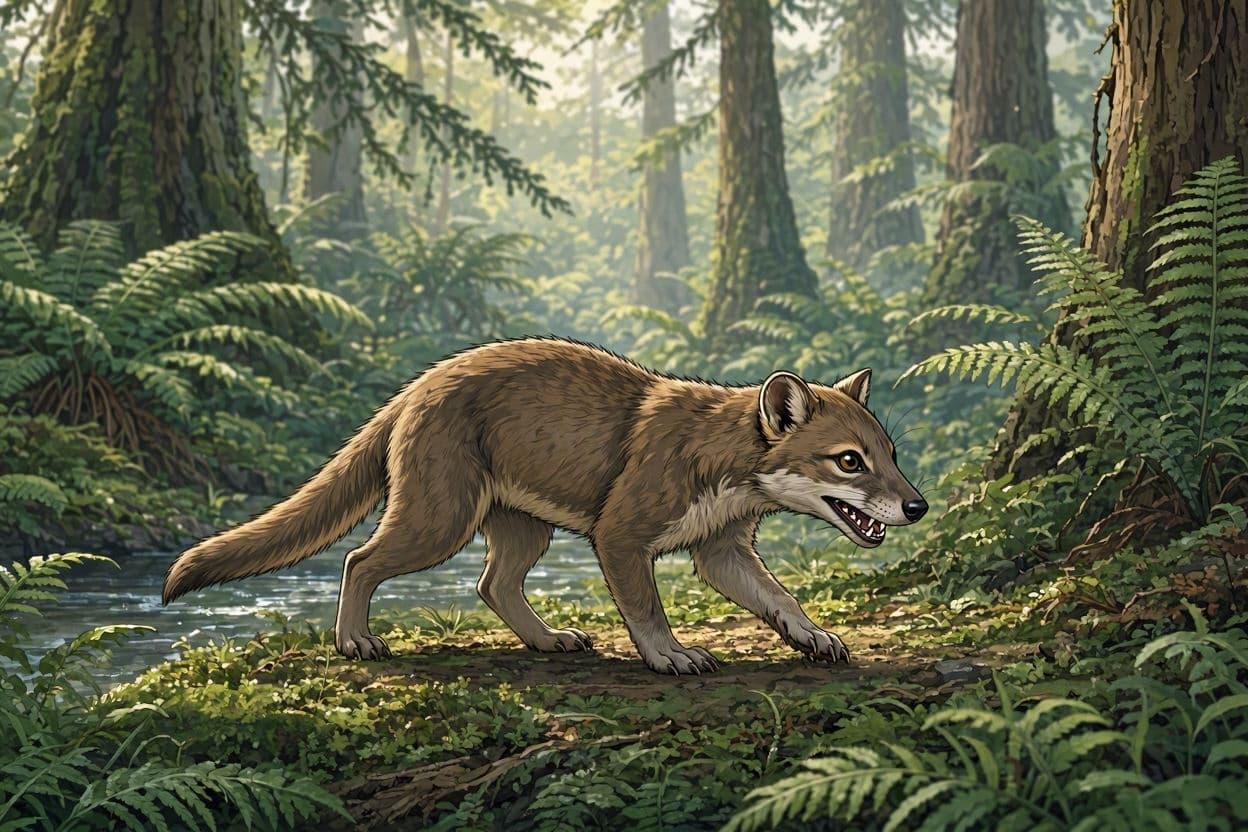
One of these ghost lineages appears to have contributed to the genetic makeup of populations in West Africa, while the other shows traces in Eurasian genomes. Unlike the well-known Neanderthals and Denisovans, whose remains have been physically discovered, these ancestors remain invisible to archaeology. They exist only as mathematical probabilities and genetic shadows, hinting at a diverse landscape of human relatives who once walked the Earth.
This discovery challenges the simple model of human evolution as a straight line from ape to modern human. Instead, it paints a picture of a braided stream, where different groups met, mixed, and separated over millennia. The presence of these ghost lineages suggests that Homo sapiens were not isolated pioneers but part of a broader community of hominins, exchanging genes and perhaps even culture.
The technology enabling this discovery is as remarkable as the finding itself. Advanced algorithms can now sift through vast amounts of genomic data, identifying segments of DNA that are too divergent to have come from known ancestors. This computational archaeology allows scientists to reconstruct historical events that left no physical trace, turning the human genome into a time machine of sorts.
Understanding these ghost lineages also has implications for how we view human diversity. It suggests that the genetic variation we see today is partly the result of ancient encounters with now-extinct cousins. This perspective fosters a sense of shared heritage, reminding us that purity in ancestry is a myth and that hybridity is a fundamental feature of our species.
Moreover, these findings invite us to reconsider what it means to be human. If we carry the genetic legacy of these unknown groups, then their history is also our history. It expands the definition of humanity to include those who vanished without a name, acknowledging their contribution to the survival and adaptation of our ancestors.
As research continues, scientists hope to refine these models and perhaps even identify specific traits inherited from these ghost lineages. Did they confer resistance to certain diseases? Did they influence physical adaptations to local environments? Each question opens a new door to understanding the intricate dance of evolution that shaped who we are today.
The identification of two ghost ancestral lineages marks a significant step in unraveling the complexities of human origins. It highlights the power of genomics to reveal hidden chapters of our past. As we continue to decode our DNA, we gain a deeper appreciation for the diverse and interconnected web of life that gave rise to modern humanity.
AI Image Disclaimer: The visual elements accompanying this article are AI-generated interpretations designed to symbolize the abstract concept of genetic ancestry and hidden lineages.
Sources: Nature Science Cell
Published by Banx Network. This article is part of the Banx decentralized media programme, powered by the BXE token on the XRP Ledger.