In the grand theater of the cosmos, few events are as dramatic as the encounter between a star and a black hole. It is a collision of extremes: the radiant, energetic life of a star meeting the silent, insatiable void of a black hole. When the star is rapidly spinning, the interaction becomes even more complex, weaving a tale of tidal forces, accretion disks, and relativistic jets. Recent theoretical models and observations are helping us understand this violent yet beautiful dance, revealing the physics that govern the most energetic events in the universe.
When a star ventures too close to a black hole, it experiences intense tidal forces that can stretch and tear it apart, a process known as a tidal disruption event. If the star is spinning rapidly, its angular momentum adds a layer of complexity to this destruction. The spin can affect how the stellar material is distributed as it falls into the black hole, influencing the shape and brightness of the resulting accretion disk.
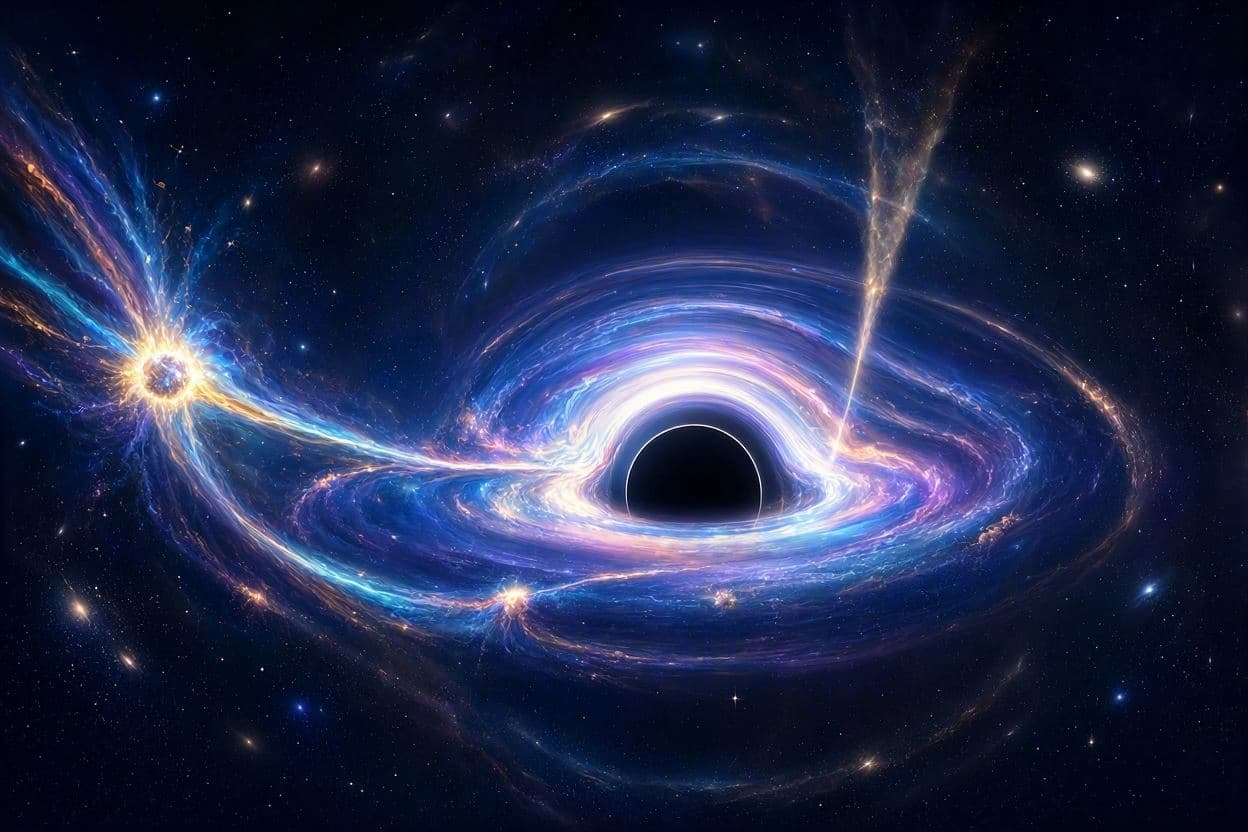
The accretion disk is a swirling vortex of superheated gas and dust that forms around the black hole as it consumes the star. In the case of a spinning star, the material may enter the disk with additional rotational energy, potentially leading to brighter and more variable emissions. These flares of light can be detected by telescopes across the electromagnetic spectrum, providing clues about the nature of both the star and the black hole.
Furthermore, the interaction can launch powerful jets of particles traveling at near-light speeds. These jets are fueled by the magnetic fields and rotational energy of the black hole, amplified by the influx of stellar material. A rapidly spinning star may contribute to the alignment and strength of these jets, making them more prominent and easier to observe from Earth.
Studying these events allows astronomers to test the limits of general relativity and hydrodynamics. The extreme conditions near a black hole provide a natural laboratory for physics that cannot be replicated on Earth. By analyzing the light curves and spectral signatures of tidal disruption events, scientists can infer the mass of the black hole and the properties of the destroyed star.
These encounters also play a role in the growth of supermassive black holes at the centers of galaxies. Each disrupted star adds mass to the black hole, contributing to its evolution over billions of years. Understanding the frequency and mechanics of these events helps us piece together the history of galactic centers and the co-evolution of black holes and their host galaxies.
The visual spectacle of such an event, though invisible to the naked eye, is profound. Simulations show a stream of stellar debris wrapping around the black hole, glowing with intense radiation as it spirals inward. It is a reminder of the dynamic and often violent processes that shape the structure of the universe.
As observational capabilities improve, we are detecting more of these transient events. Each discovery adds to our understanding of the diverse ways stars and black holes interact. It highlights the importance of time-domain astronomy, which focuses on changes in the sky over time, capturing fleeting moments of cosmic drama.
The meeting of a rapidly spinning star and a black hole is a cataclysmic event that offers valuable insights into high-energy astrophysics. By studying these interactions, scientists deepen their understanding of gravity, matter, and the evolution of cosmic structures. It is a testament to the power of observation to reveal the hidden mechanics of the universe.
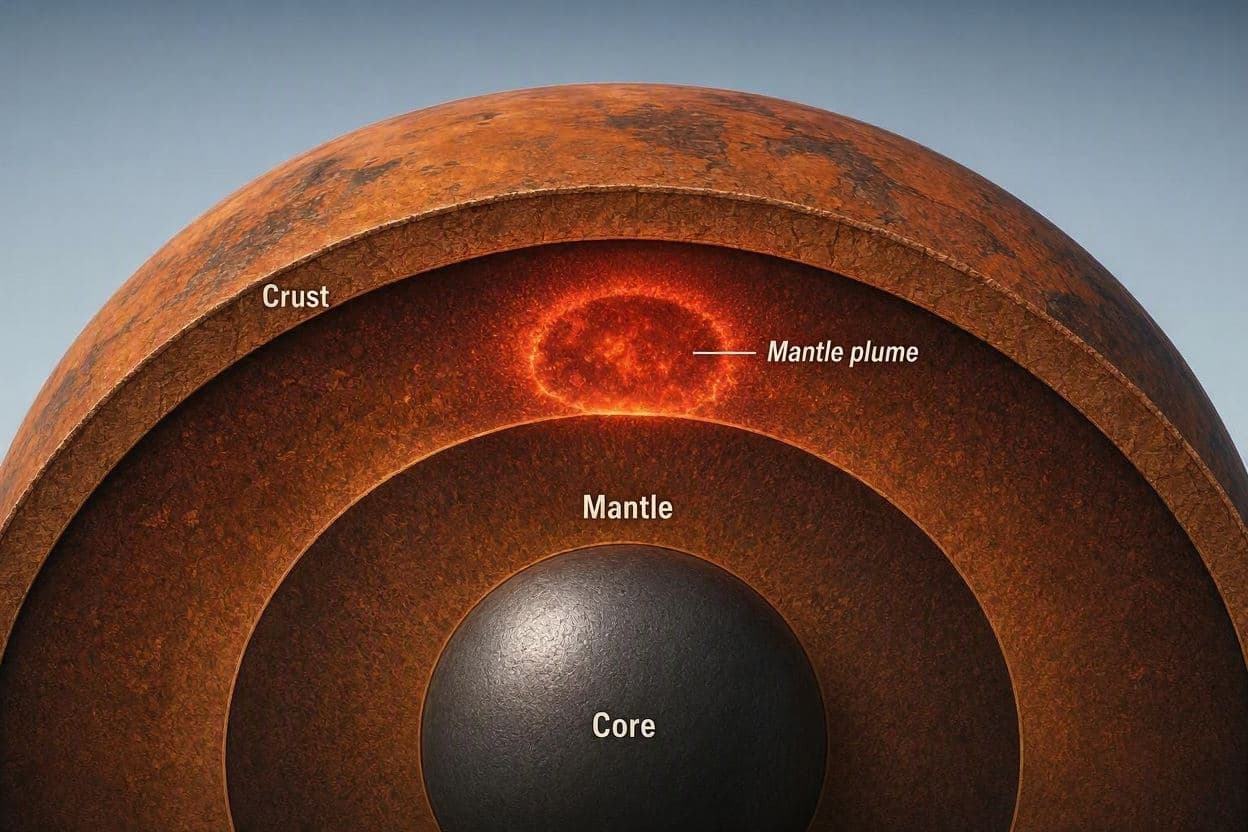
AI Image Disclaimer: The images associated with this article are AI-generated visualizations intended to depict the theoretical interaction between a spinning star and a black hole.
Sources: Nature Astronomy Monthly Notices of the Royal Astronomical Society Space.com
Published by Banx Network. This article is part of the Banx decentralized media programme, powered by the BXE token on the XRP Ledger.