The Pacific Ocean is often described as a vast blue highway, connecting nations through trade, culture, and shared history. Yet, beneath its serene surface lie currents of uncertainty that threaten the stability of the region. As Australian Prime Minister Anthony Albanese prepares to visit Palau, he carries with him not just diplomatic pleasantries but a heavy agenda shaped by the urgent realities of climate change, energy insecurity, and geopolitical tension. The journey to this island nation is more than a state visit; it is a testament to the deepening interdependence of the Pacific community.
At the forefront of discussions is the existential threat of sea-level rise. For low-lying nations like Palau, rising waters are not a distant prediction but a present danger, eroding coastlines and threatening freshwater supplies. Australia’s commitment to addressing climate change is being closely watched by its Pacific neighbors, who seek tangible support for adaptation and resilience. The dialogue aims to bridge the gap between global emissions targets and local survival strategies, emphasizing the moral imperative of action.
Compounding these environmental challenges is the issue of fuel shortages. Many Pacific islands rely heavily on imported fossil fuels, making them vulnerable to global price fluctuations and supply chain disruptions. Ensuring energy security has become a critical component of regional stability, prompting discussions on renewable energy transitions and infrastructure investment. Australia’s role in facilitating access to cleaner, more reliable energy sources is seen as vital for the economic sustainability of these nations.
Adding another layer of complexity is the specter of missile tests in the region. Recent military activities by neighboring powers have raised concerns about security and sovereignty. For Pacific leaders, the balance between maintaining open seas and avoiding militarization is delicate. Albanese’s visit provides an opportunity to reaffirm commitments to peace and stability, reinforcing the principle that the Pacific should remain a zone of cooperation rather than conflict.
The relationship between Australia and Palau is rooted in a long history of partnership, but it is evolving to meet new challenges. The focus is shifting from traditional aid to collaborative problem-solving, where both parties contribute expertise and resources. This shift reflects a broader trend in international relations, where mutual respect and shared goals are becoming the foundation of diplomatic engagement.
Moreover, the talks highlight the importance of listening to indigenous voices and local knowledge. Pacific Islanders have lived in harmony with their environment for millennia, offering valuable insights into sustainable living and resilience. Integrating this wisdom into policy decisions ensures that solutions are not only effective but also culturally appropriate and community-led.
As the leaders convene, the world watches with interest. The outcomes of these talks could set a precedent for how developed nations engage with small island states in the face of global crises. It is a moment to demonstrate that diplomacy can be a force for positive change, addressing immediate needs while building a framework for long-term cooperation.
The visit also serves as a reminder of the human cost of inaction. Behind the political rhetoric are families and communities whose lives are directly affected by these issues. Their hopes for a secure and prosperous future depend on the willingness of leaders to prioritize their well-being over short-term political gains.
Prime Minister Albanese’s trip to Palau underscores the critical importance of the Pacific region in global affairs. By addressing sea-level rise, fuel shortages, and security concerns, the talks aim to strengthen regional ties and promote sustainable development. It is a step toward a more resilient and cooperative Pacific community.
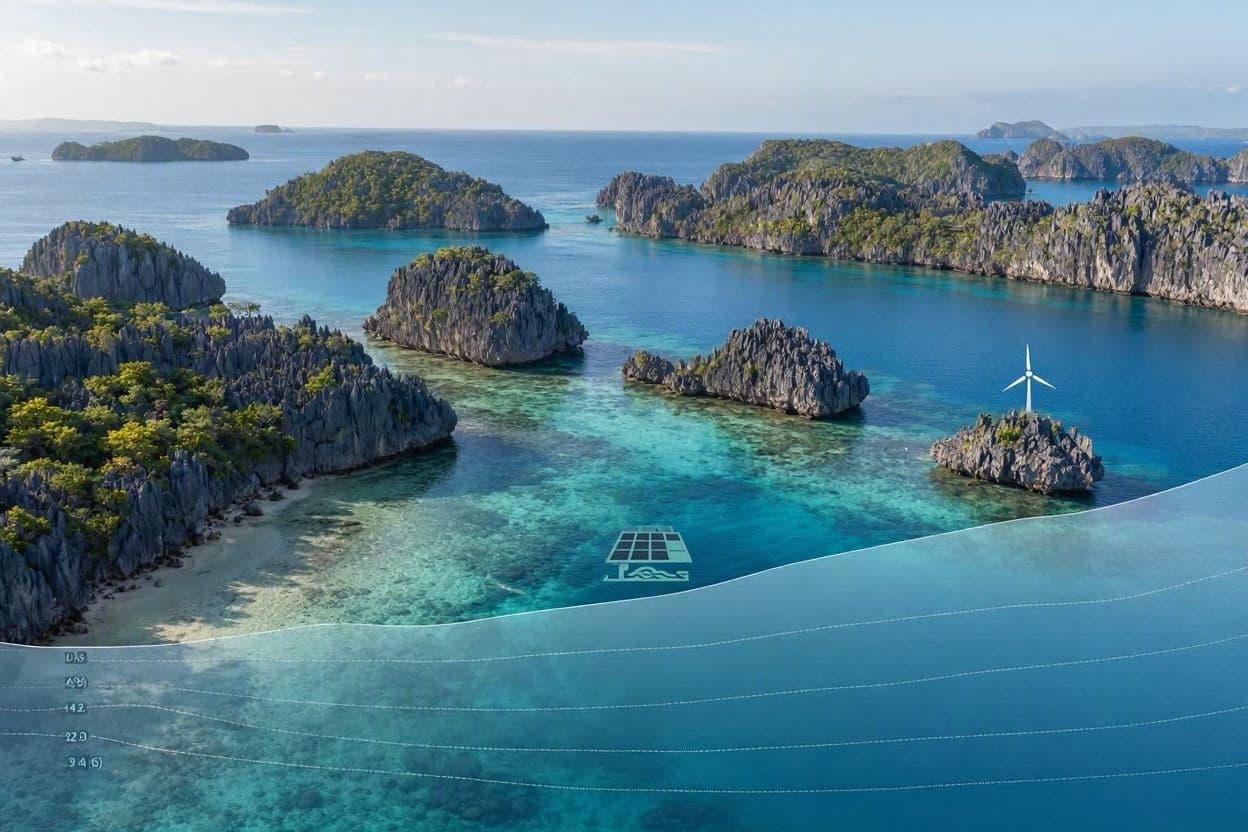
AI Image Disclaimer: The visual elements accompanying this article are AI-generated interpretations designed to symbolize the diplomatic engagement and environmental challenges facing the Pacific region.
Sources: The Guardian ABC News (Australia) Radio New Zealand
Published by Banx Network. This article is part of the Banx decentralized media programme, powered by the BXE token on the XRP Ledger.