Every winter, the waters off Point Lowly in South Australia transform into a stage for one of nature’s most spectacular displays: the mass mating aggregation of giant Australian cuttlefish. Thousands of these intelligent cephalopods gather to dance, change color, and reproduce, drawing divers and scientists from around the world. But this year, the stage is empty. The absence of the cuttlefish is a quiet but profound disturbance, signaling a shift in the marine environment that warrants careful attention and reflection.
The disappearance of this annual event is not just a loss for tourism or photography; it is a biological anomaly that raises questions about the health of our oceans. Cuttlefish are sensitive indicators of environmental change, and their failure to appear suggests that underlying conditions have shifted in ways that may not yet be fully understood. It is a reminder that even the most predictable rhythms of nature can be disrupted by subtle, cumulative pressures.
Several factors may contribute to this unusual absence. Water temperature is a critical driver for cuttlefish migration and breeding behavior. If the waters are warmer than usual, it may delay or prevent the aggregation altogether. Climate change is causing ocean temperatures to rise globally, and local variations can have significant impacts on marine life. Scientists are currently analyzing data to determine if thermal anomalies played a role in this year’s missing event.
Food availability is another potential factor. Cuttlefish rely on specific prey species, and changes in the abundance or distribution of these prey can affect their ability to migrate and reproduce. Overfishing, pollution, or shifts in plankton populations due to climate change could all contribute to a shortage of food, forcing cuttlefish to seek other areas or reduce their reproductive efforts. The marine food web is complex, and disruptions at one level can cascade through the entire system.
Habitat degradation may also be a contributing issue. Coastal development, pollution, and sedimentation can alter the seafloor environment where cuttlefish lay their eggs. If the substrate is unsuitable or contaminated, females may choose not to spawn in their traditional grounds. Protecting these critical habitats is essential for the survival of the species and the continuity of this unique natural phenomenon.
The economic impact on local communities is significant. The cuttlefish aggregation is a major tourist attraction, bringing visitors to the region during the otherwise quiet winter months. Hotels, dive operators, and local businesses rely on this influx of tourists for their annual revenue. The absence of the cuttlefish means a loss of income for many, highlighting the dependence of local economies on healthy marine ecosystems.
Scientists and conservationists are calling for increased monitoring and research to understand the causes of this disruption. Long-term data collection is essential for identifying trends and distinguishing between natural variability and human-induced change. By understanding what went wrong this year, we can better predict and mitigate future risks, ensuring the resilience of the cuttlefish population.
Public engagement and education are also important. Raising awareness about the plight of the cuttlefish can foster a greater appreciation for marine biodiversity and encourage sustainable practices. Tourists and locals alike can play a role in protecting the environment by reducing pollution, supporting sustainable fishing, and respecting marine protected areas. Every action counts in preserving the delicate balance of the ocean.
The missing cuttlefish aggregation is a wake-up call, urging us to look closer at the health of our oceans. It is a testament to the sensitivity of marine life and the urgency of addressing climate change and habitat protection. By responding with science, care, and collective action, we can hope to welcome the cuttlefish back in future years, restoring the vibrant spectacle that defines this unique corner of the world.
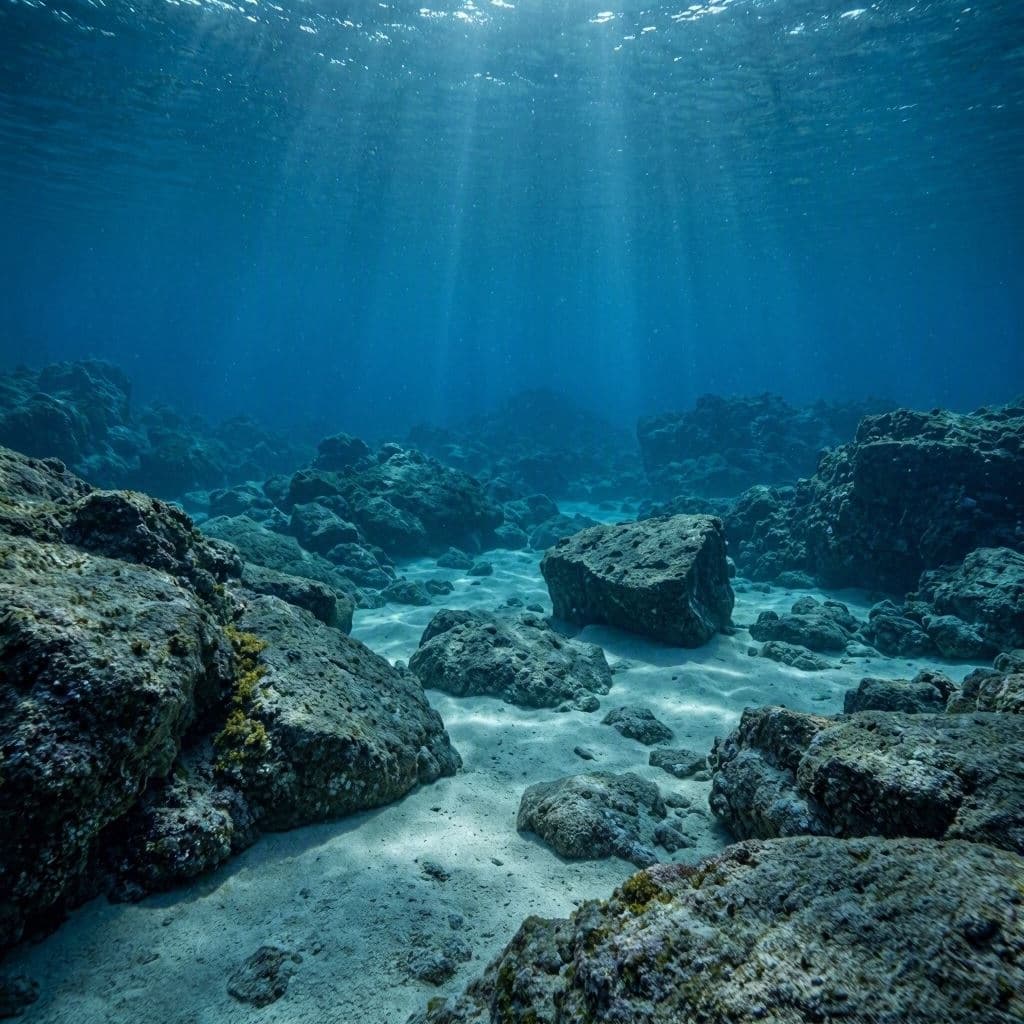
AI Image Disclaimer: Please be aware that images used in this context are AI-generated artistic renderings meant to evoke the beauty of marine life, not actual records of this year’s event.
Sources:
• ABC News (Australia)
• The Guardian
• Marine Biology Journals
Published by Banx Network. This article is part of the Banx decentralized media programme, powered by the BXE token on the XRP Ledger.