
SCIENCE94% credibility
Breaking the Speed Limit: The Fastest Star in the Milky Way
Astronomers have identified the fastest known star in the Milky Way, likely ejected by a supermassive black hole, now racing toward intergalactic space.
3 min read

Astronomers have identified the fastest known star in the Milky Way, likely ejected by a supermassive black hole, now racing toward intergalactic space.
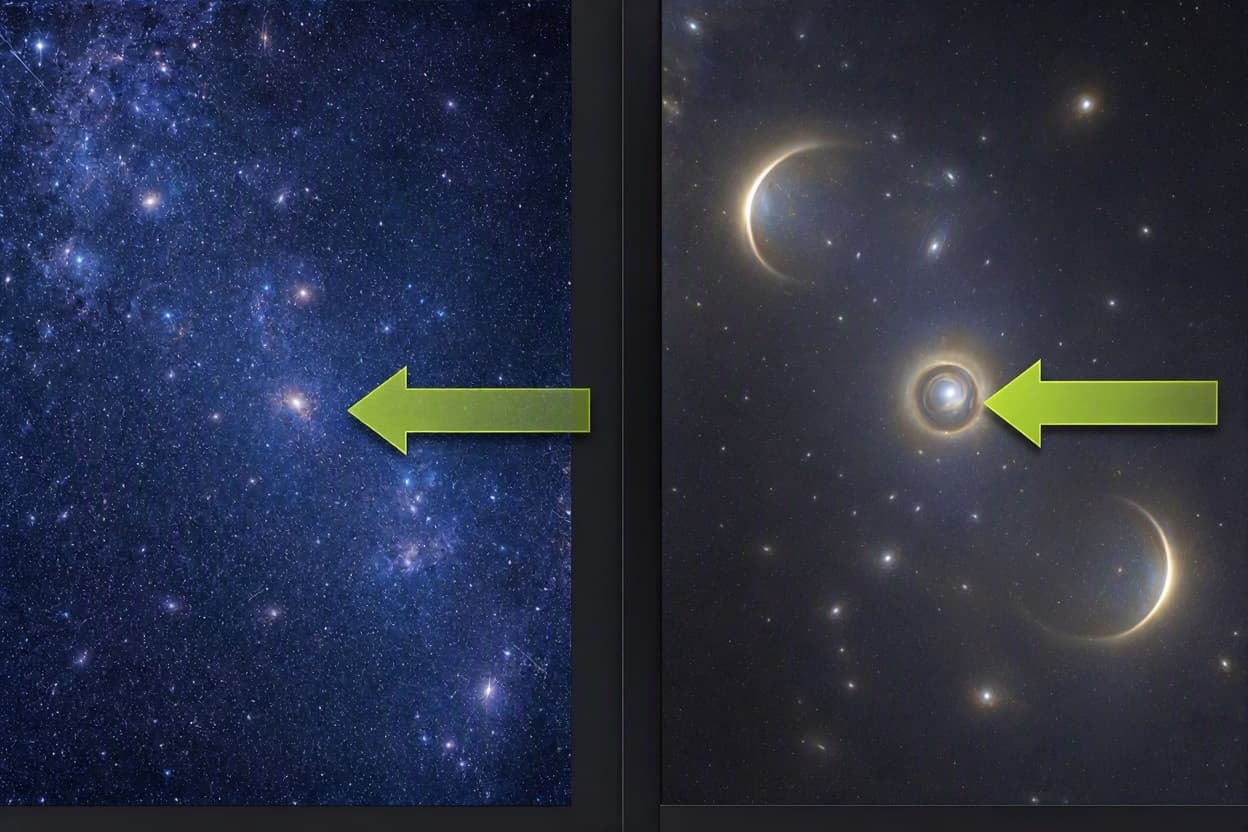
A researcher’s casual review of an old Hubble image revealed a gravitational lens, offering new insights into the distribution and nature of dark matter.

Scientists have overcome a major stability hurdle in protein engineering using AI, enabling faster creation of functional enzymes for medicine and industry.

Advanced light sources like synchrotrons are providing critical insights into quantum materials, helping overcome stability hurdles in quantum computing and communication.

New ALMA images reveal the bubbling, convective surface of the red supergiant Betelgeuse, showing giant hot gas cells and providing insights into its mass loss and eventual supernova.

Researchers have found evidence of manipulated images in antibody validation data from major lab supply companies, raising concerns about product reliability and scientific integrity.
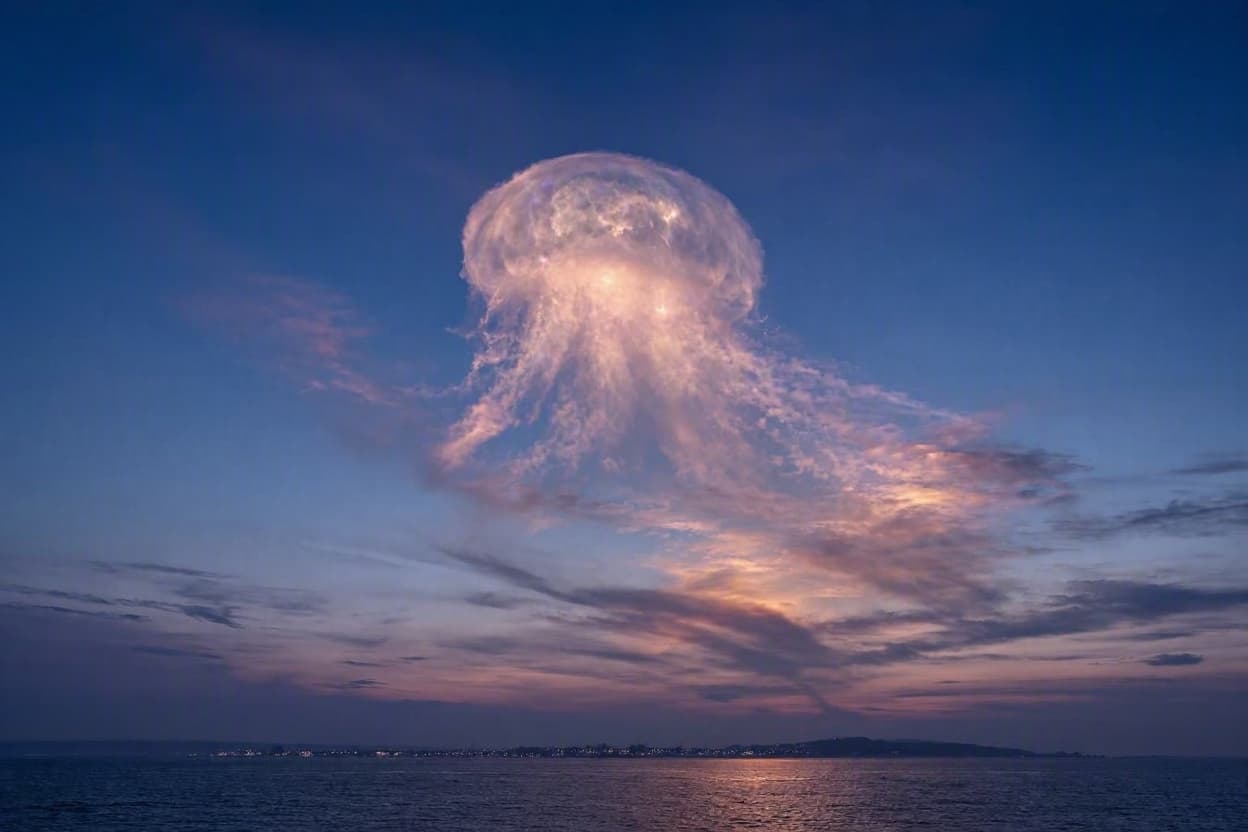
A SpaceX Falcon 9 rocket launch created a stunning "space jellyfish" cloud over the East Coast, delighting observers with its glowing, ethereal appearance in the twilight sky.
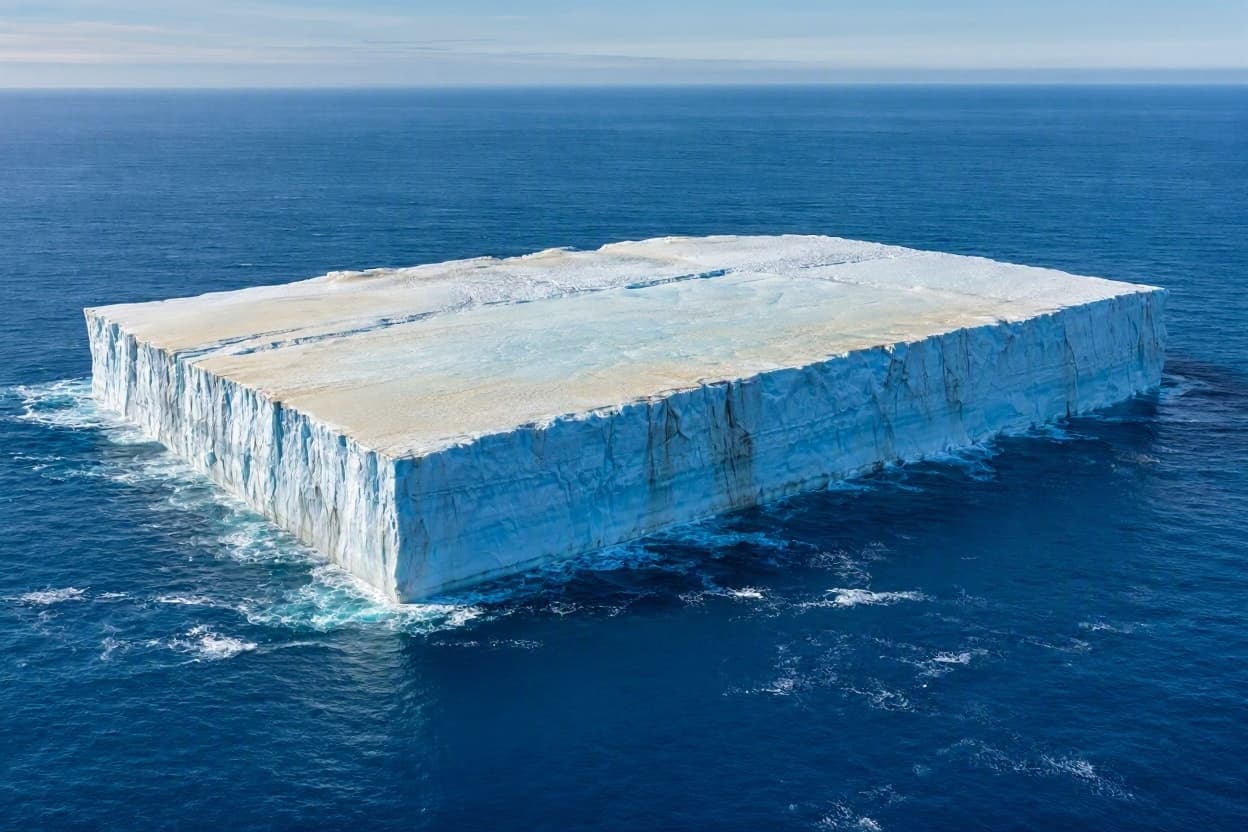
A massive iceberg, roughly the size of Manhattan, has calved from the Greenland ice sheet, highlighting the ongoing effects of climate change in the Arctic.
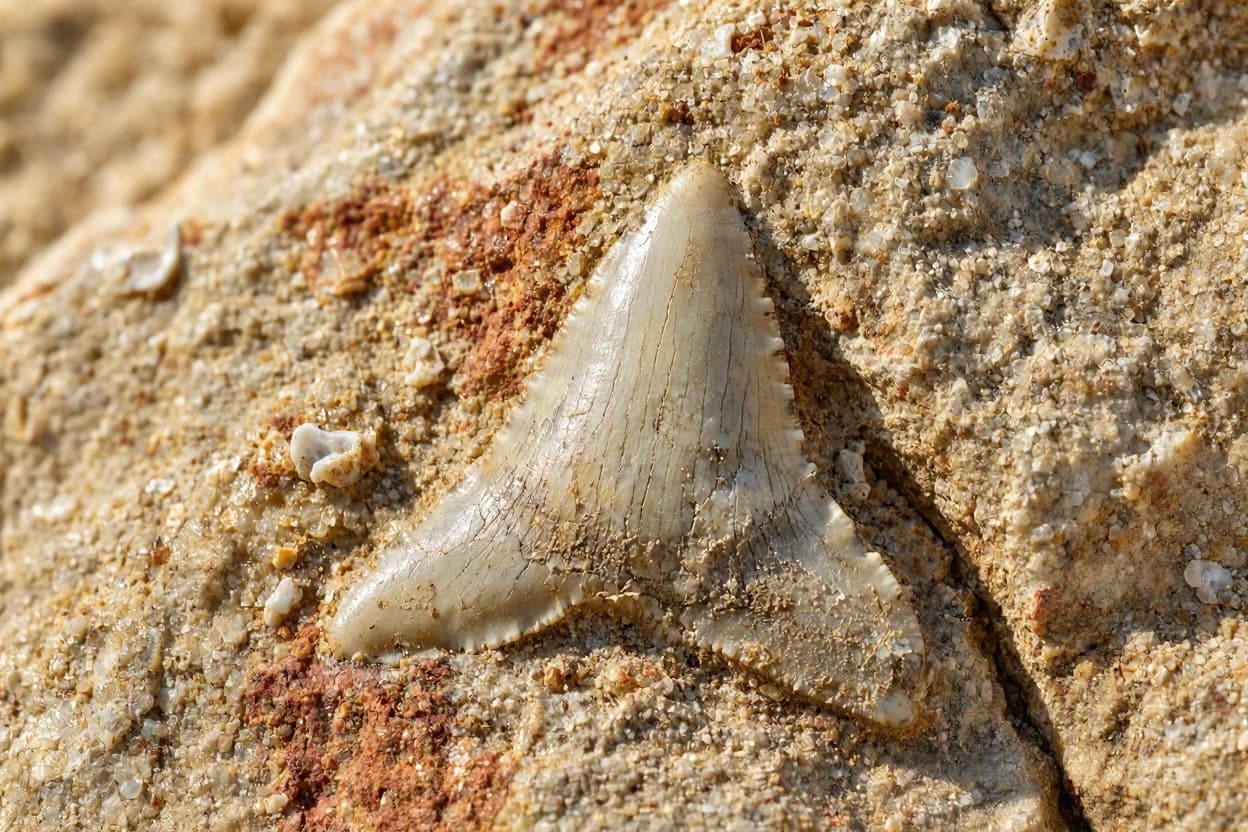
Fossilized remains of ancient sharks have been discovered in the Egyptian desert, revealing that the region was once a shallow tropical sea millions of years ago.

Two bright fireballs were observed soaring across the Connecticut sky during an annual meteor shower, captivating stargazers and highlighting the beauty of cosmic debris.
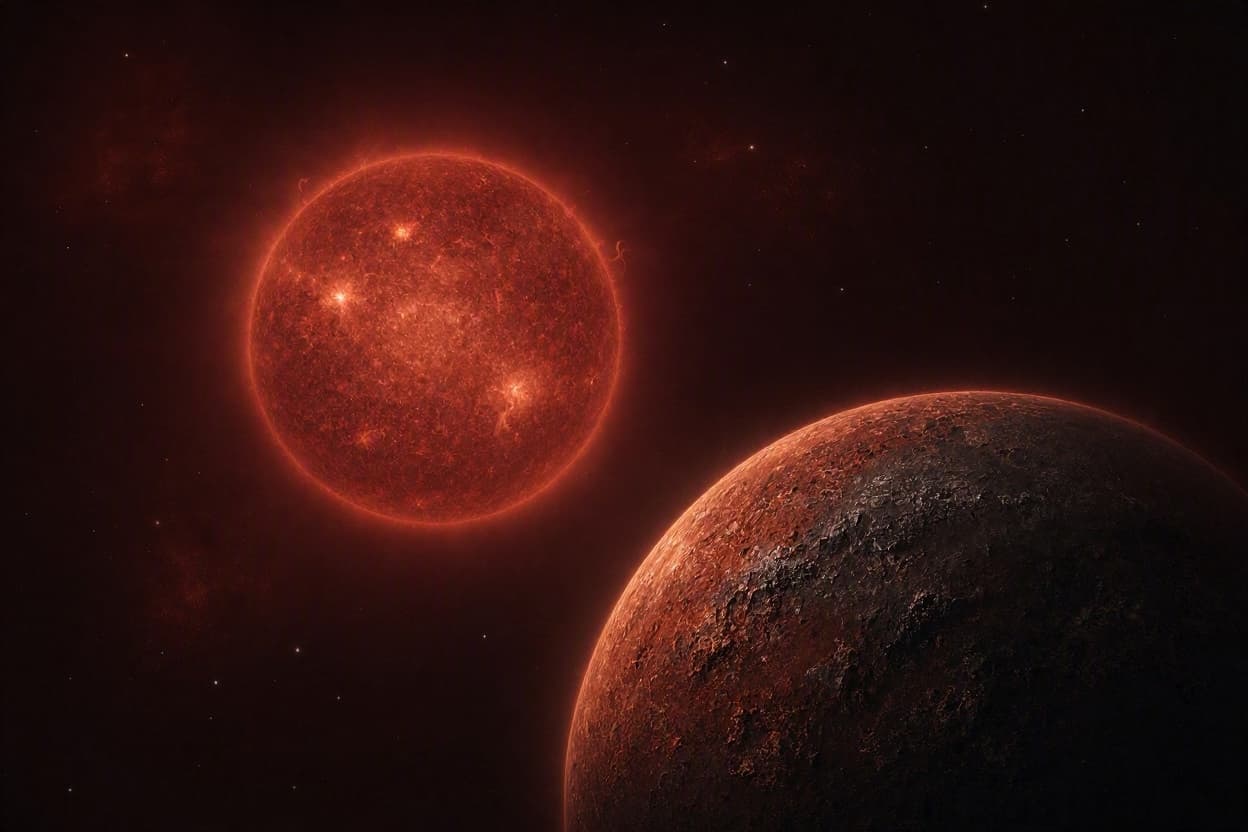
Red dwarfs, the most common stars in the universe, are long-lived and likely host many habitable planets, making them prime targets in the search for extraterrestrial life.

Orca Tahlequah has once again carried her deceased calf for days, repeating a tragic act of grief from 2018 and highlighting the plight of the endangered Southern Resident population.
Astronomers suspect that faint "little red dots" observed in deep space may harbor growing supermassive black holes or remnants of the first stars, challenging current cosmic models.
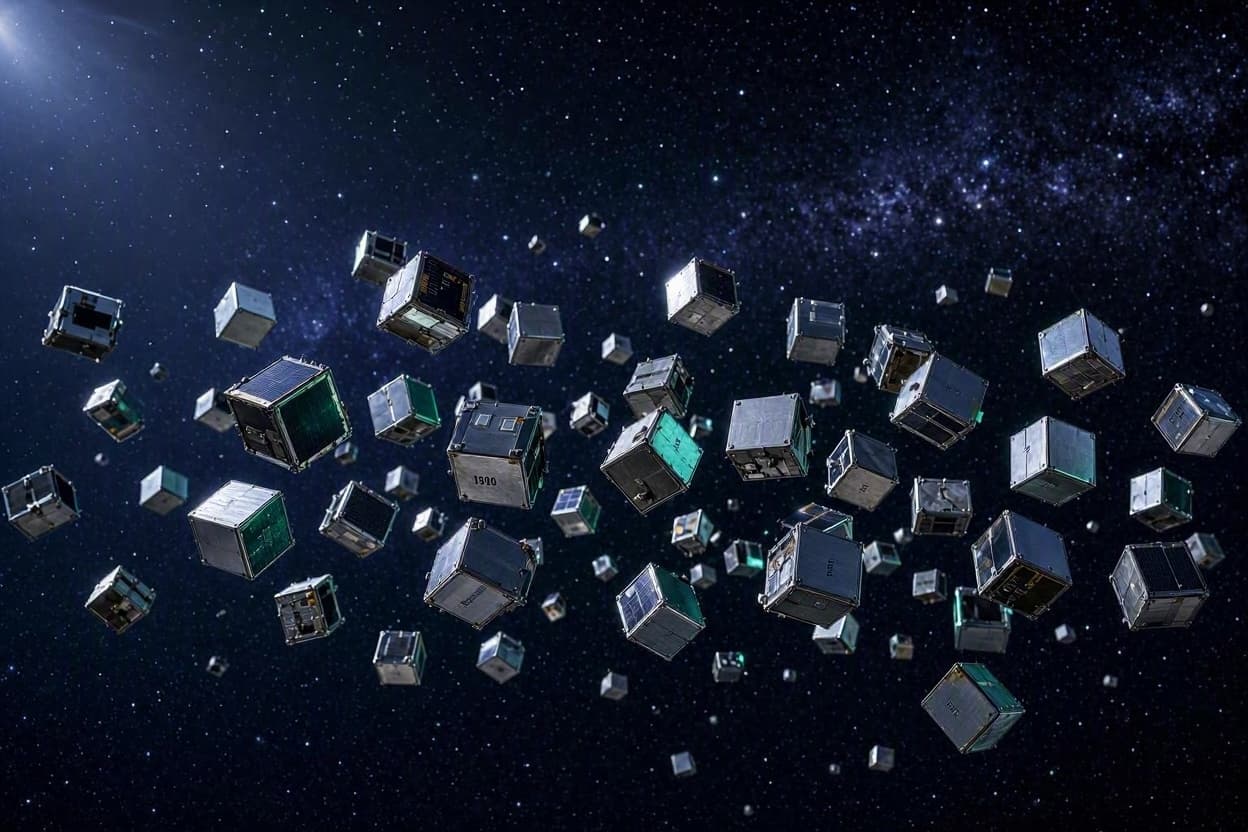
NASA’s Starling mission successfully demonstrated the first GPS-free navigation in space, allowing satellites to determine their position autonomously using onboard sensors.

Scientists and Indigenous rangers have mapped a prehistoric landscape hidden beneath the Great Barrier Reef, revealing ancient riverbeds and plains from the last ice age.
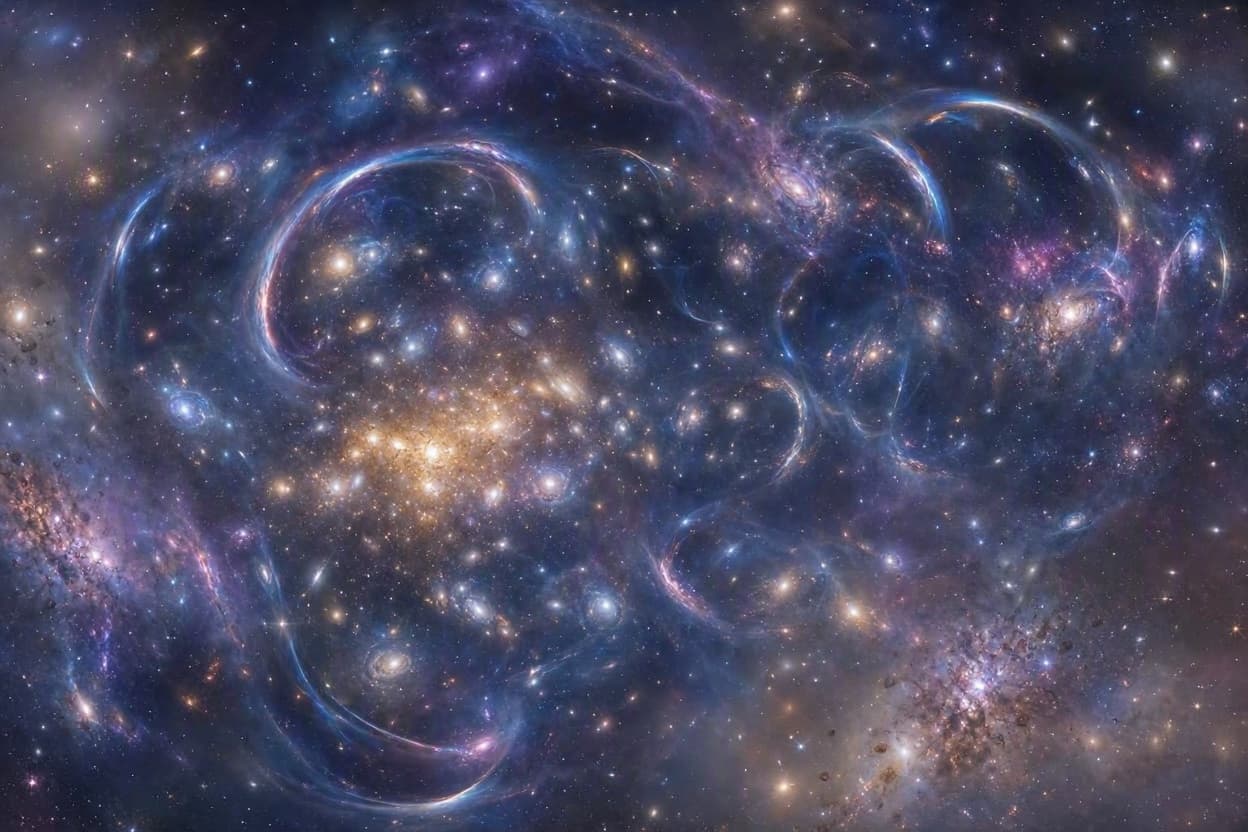
Scientists have conducted the largest-scale test of gravity yet using galaxy clusters, confirming that Newton’s law holds true and supporting the existence of dark matter.

Models show the Zanclean flood refilled the Mediterranean with a peak flow of 100 million cubic meters per second, eroding Gibraltar at 0.4 meters a day.

The Royal Commission into Antisemitism and Social Cohesion maintains a calm procedural surface, but reveals deep societal tensions and personal struggles within the Jewish community.

A drone pilot captured stunning footage of great white and tiger sharks feeding on a whale carcass off Bawley Point, offering insights into marine predator behavior.
A new technique uses satellite imagery to create detailed local tide maps, improving coastal planning and flood prediction accuracy.

A deep lunar eclipse will be visible Thursday night, offering a safe and spectacular view of the moon turning red as it passes through Earth’s shadow.

The Pandora space telescope has started analyzing exoplanet atmospheres, using precise spectroscopy to detect gases and assess potential habitability.

Physicists are using surface acoustic waves to protect quantum bits from decoherence, offering a new method to stabilize quantum information for computing.

China has cancelled the Chang’e-7 lunar mission, citing technical challenges, marking a significant setback in its plans to explore the lunar south pole.