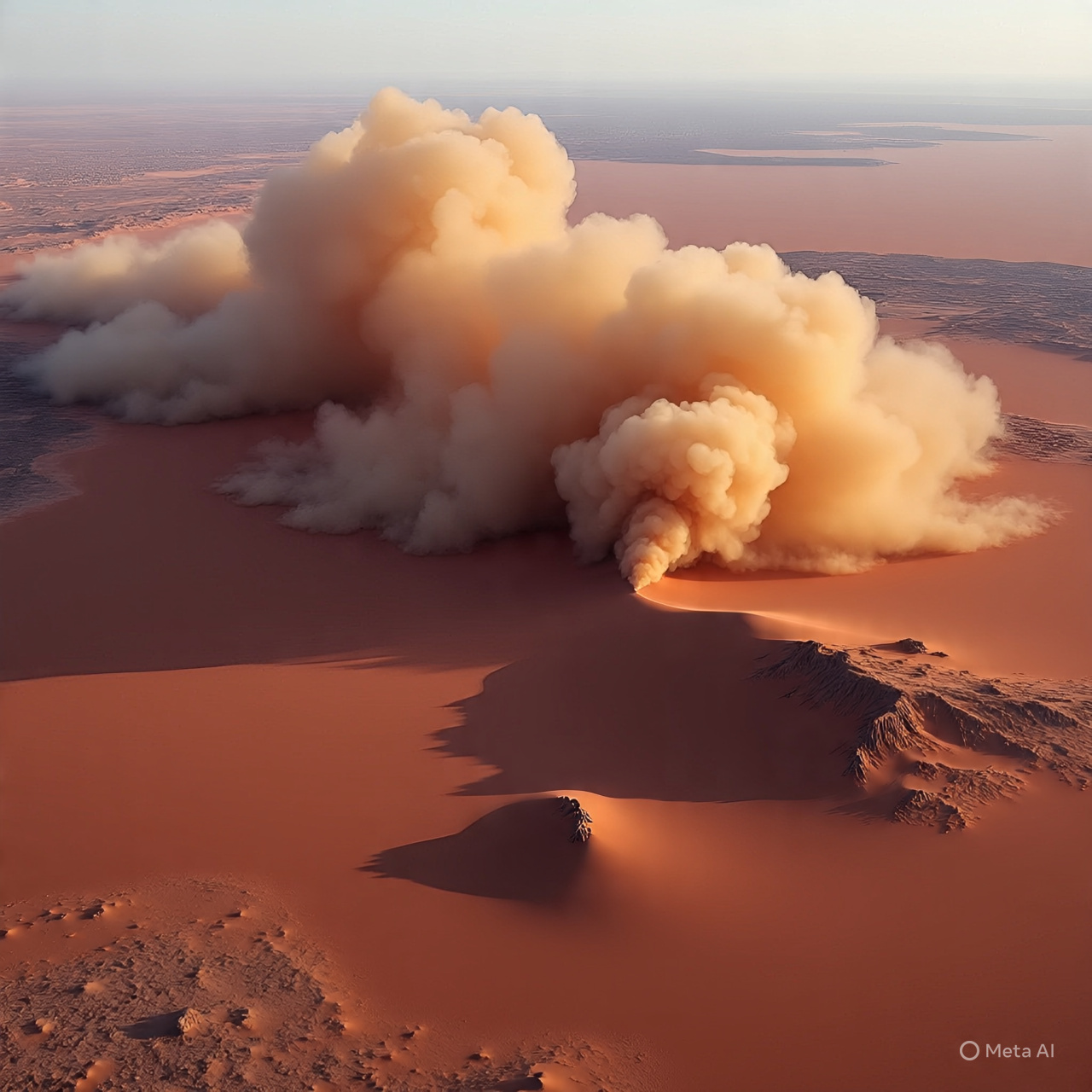
Mars Dust Storms Reveal Secrets of Water Loss Over Time
Recent observations of Martian dust storms unveil how they contribute to the planet's gradual loss of water, reshaping our understanding of its climate history.

Recent observations of Martian dust storms unveil how they contribute to the planet's gradual loss of water, reshaping our understanding of its climate history.

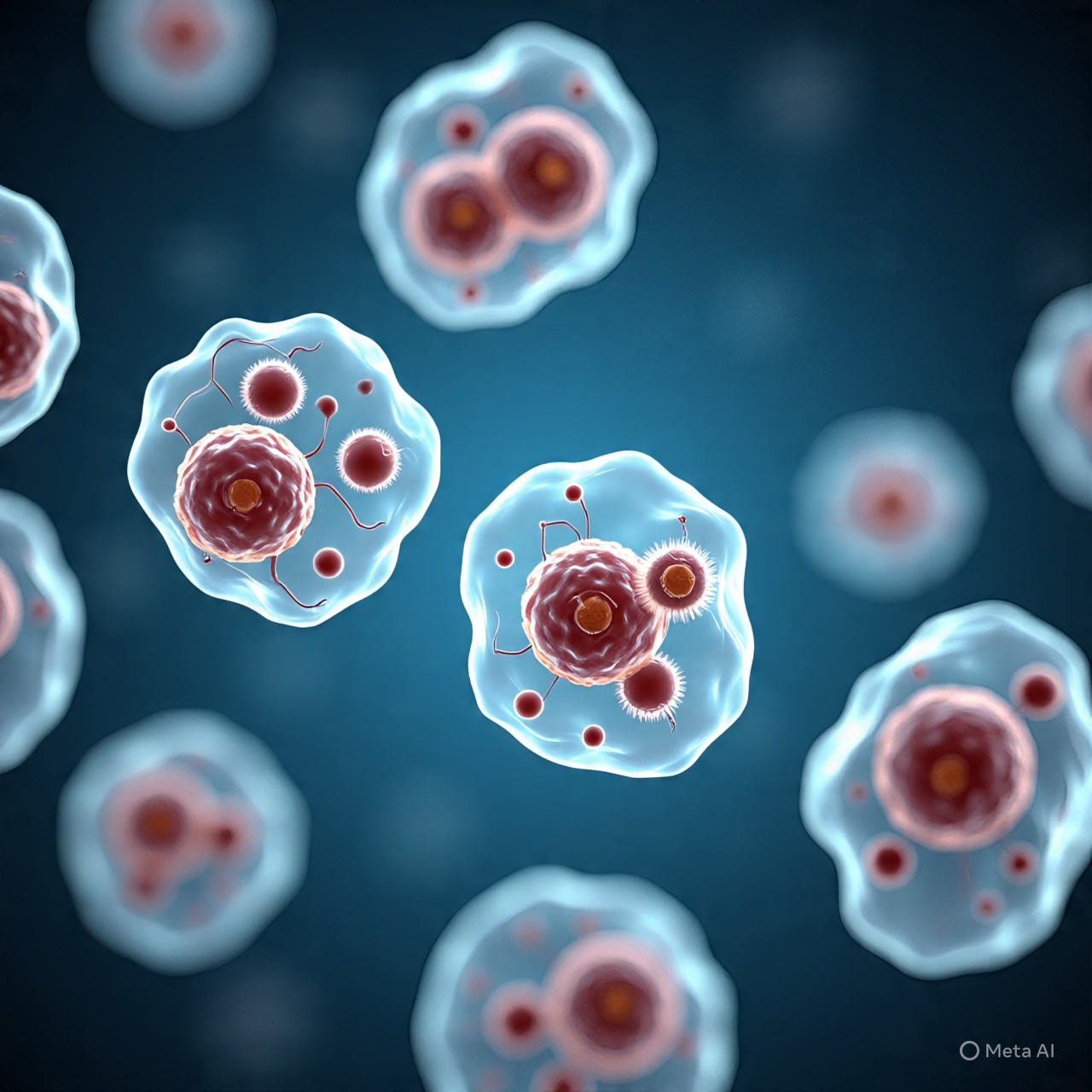
Explore how hidden cellular processes influence aging and health, revealing the intricate dynamics that shape our lifespan and well-being.

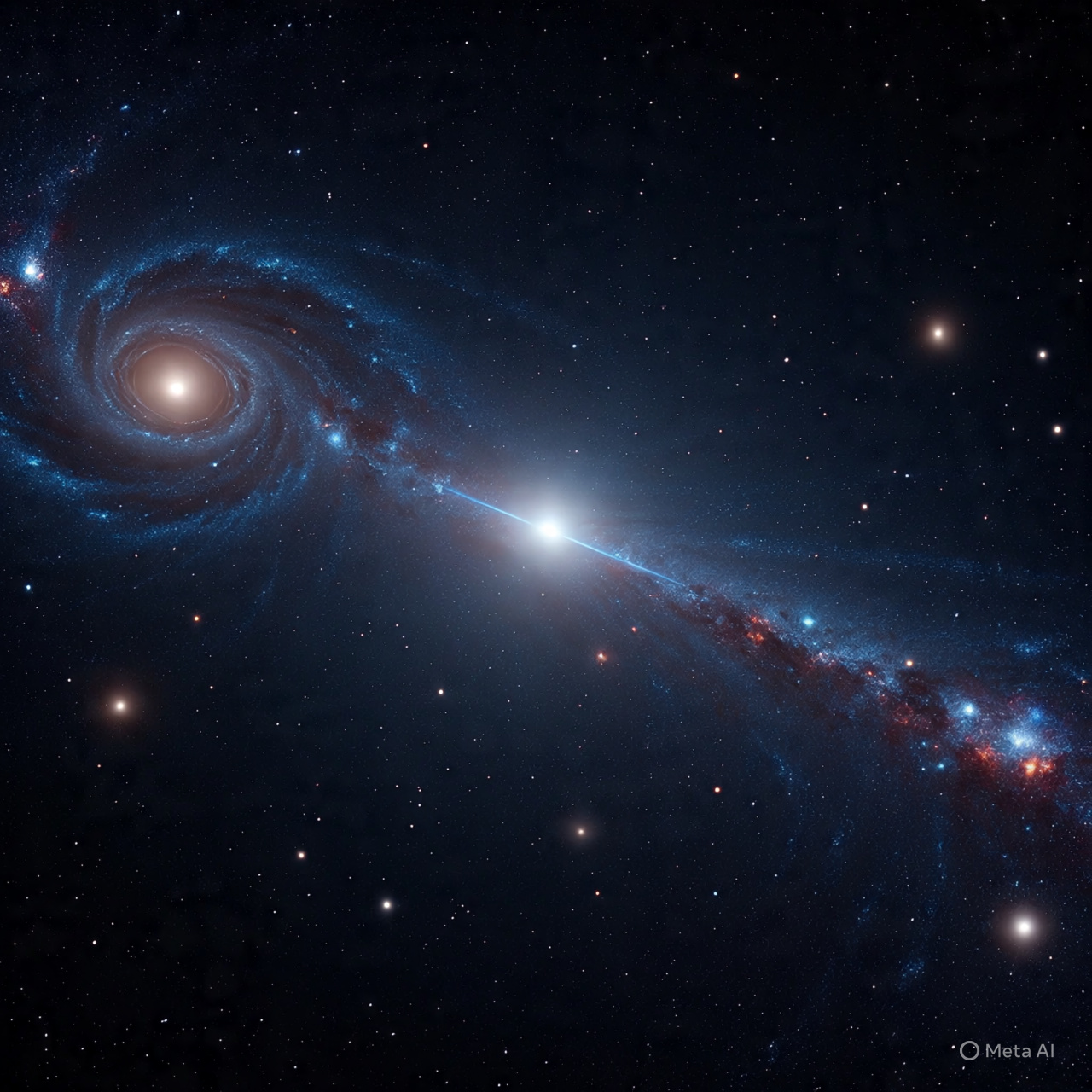
Scientists detect a record-breaking neutrino linked to primordial black holes, revealing insights into the universe's earliest moments and cosmic history.

Explore the delicate balance of Earth's ecosystems, where abundant life coexists with profound fragility, highlighting the need for stewardship and resilience.

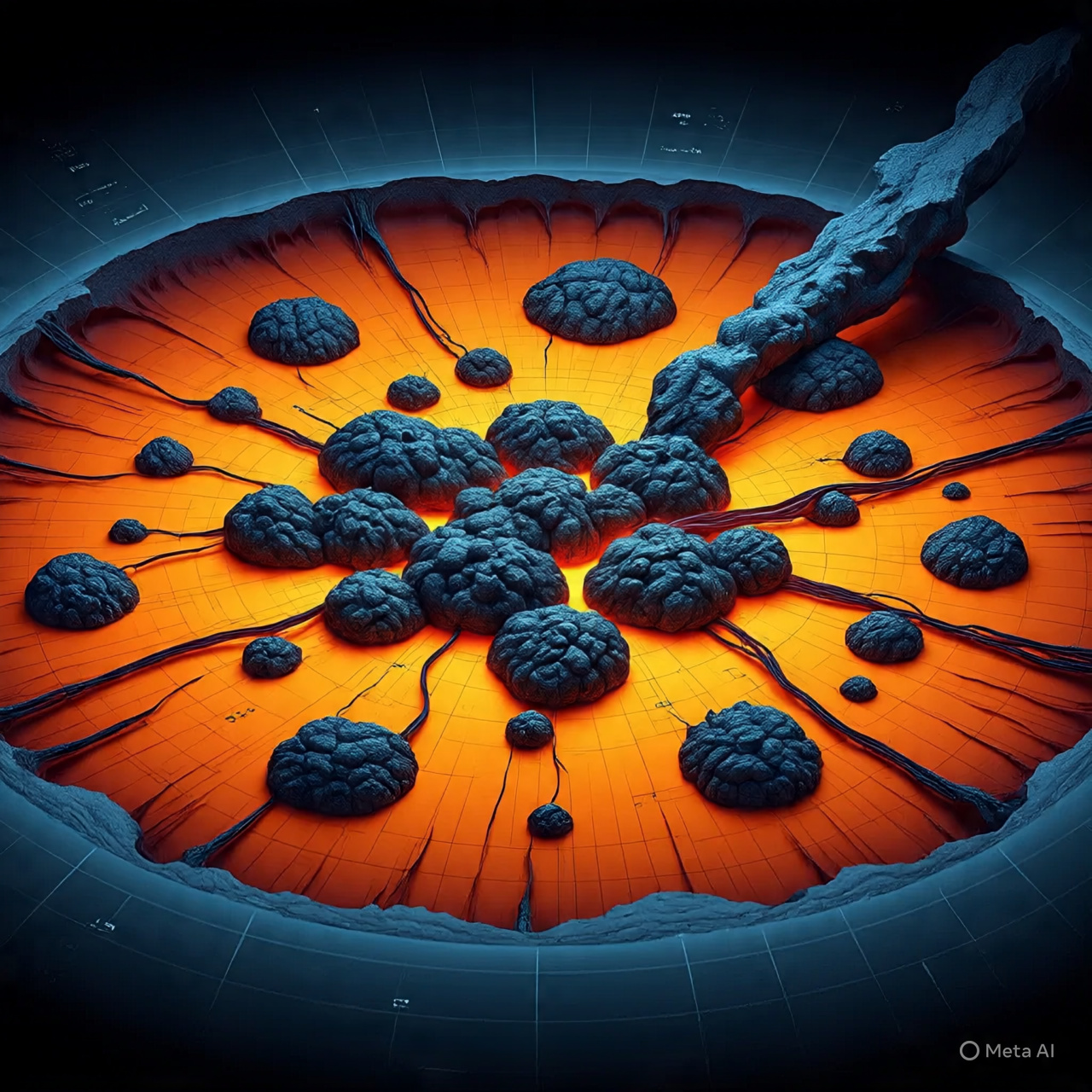
Recent research reveals how massive subterranean rock formations influence Earth's magnetic field, guiding navigation and protecting our atmosphere.

Recent studies uncover the dangers of nanoplastics in the bloodstream, linking them to kidney damage and highlighting the urgent need for awareness and action.

Recent research uncovers a network of hidden volcanoes beneath Antarctica's ice, revealing their impact on glaciers and global sea levels.

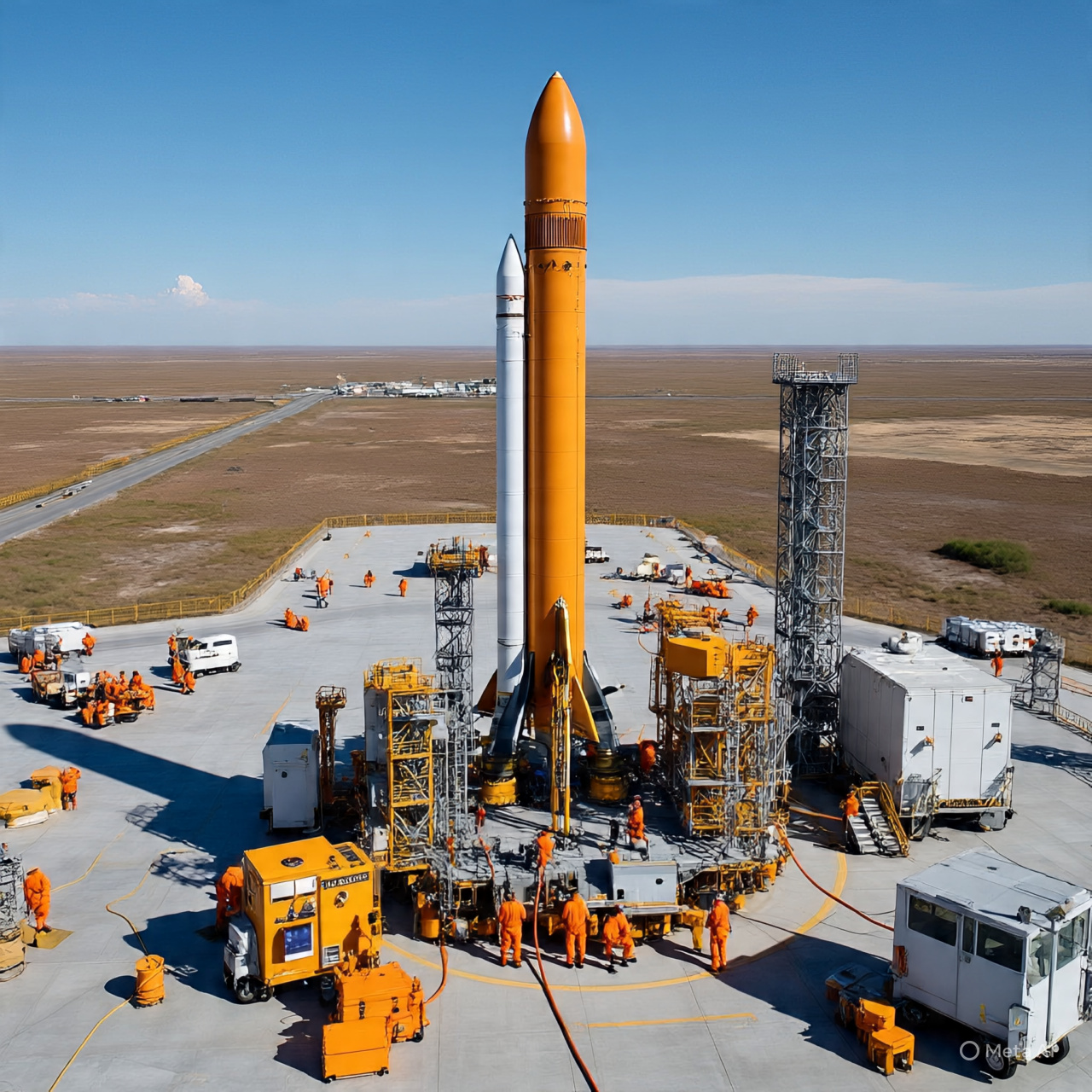
NASA's Artemis II mission faces delays due to a hydrogen leak during a rehearsal, emphasizing safety and the complexities of space exploration.

The world's fastest falcon, the peregrine, has been spotted in Central Australia, marking a significant first for the region and raising questions about ecological changes.

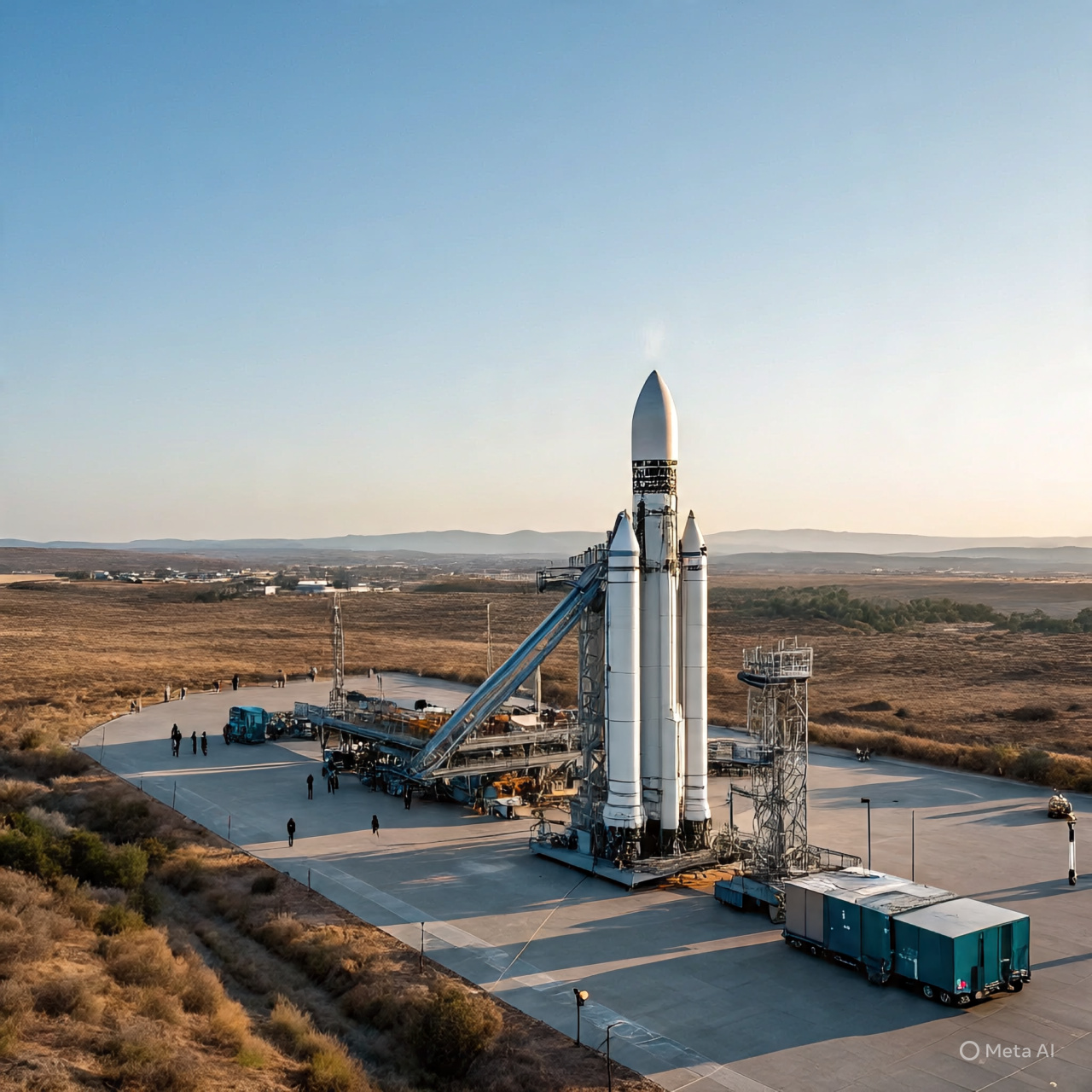
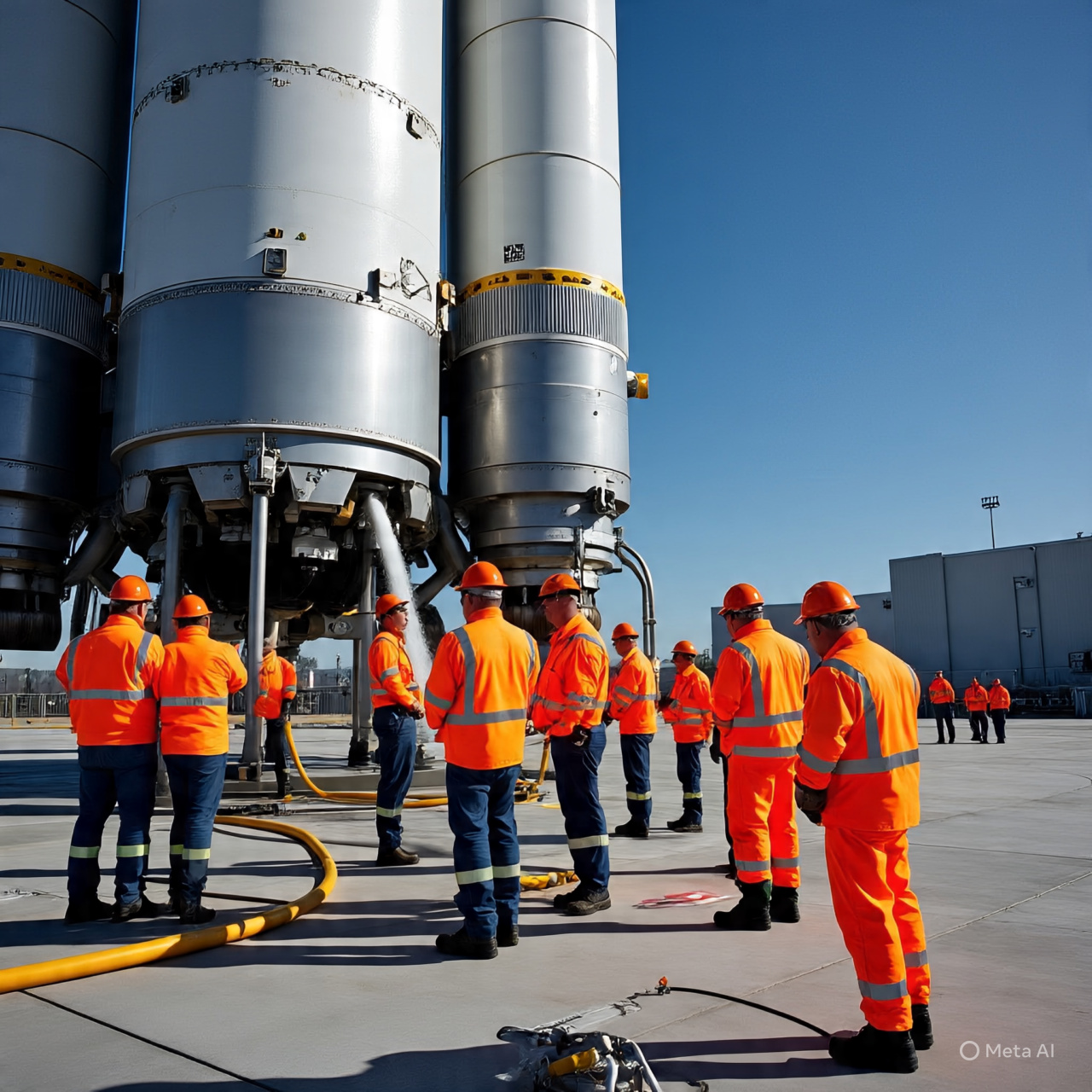
SpaceX pauses Falcon 9 launches following an anomaly during a recent mission. Engineers will investigate the issue before resuming operations.

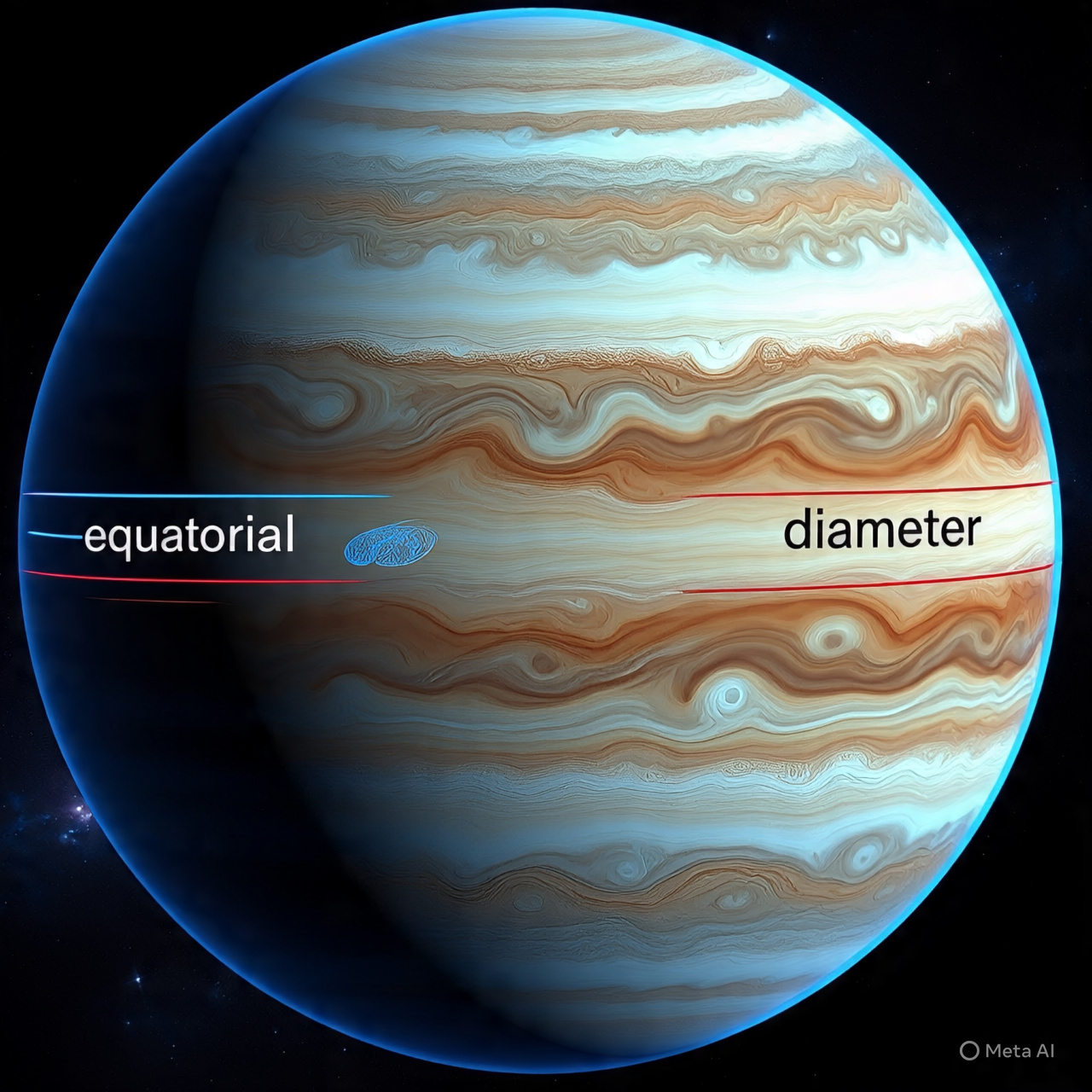
NASA's Juno spacecraft has provided new measurements of Jupiter, revealing it is slightly smaller than earlier estimates, refining our understanding of the gas giant.

NASA‑linked researchers warn that as space tourism and longer missions increase, effects on human fertility, pregnancy, and early development are poorly understood and require urgent research and guid

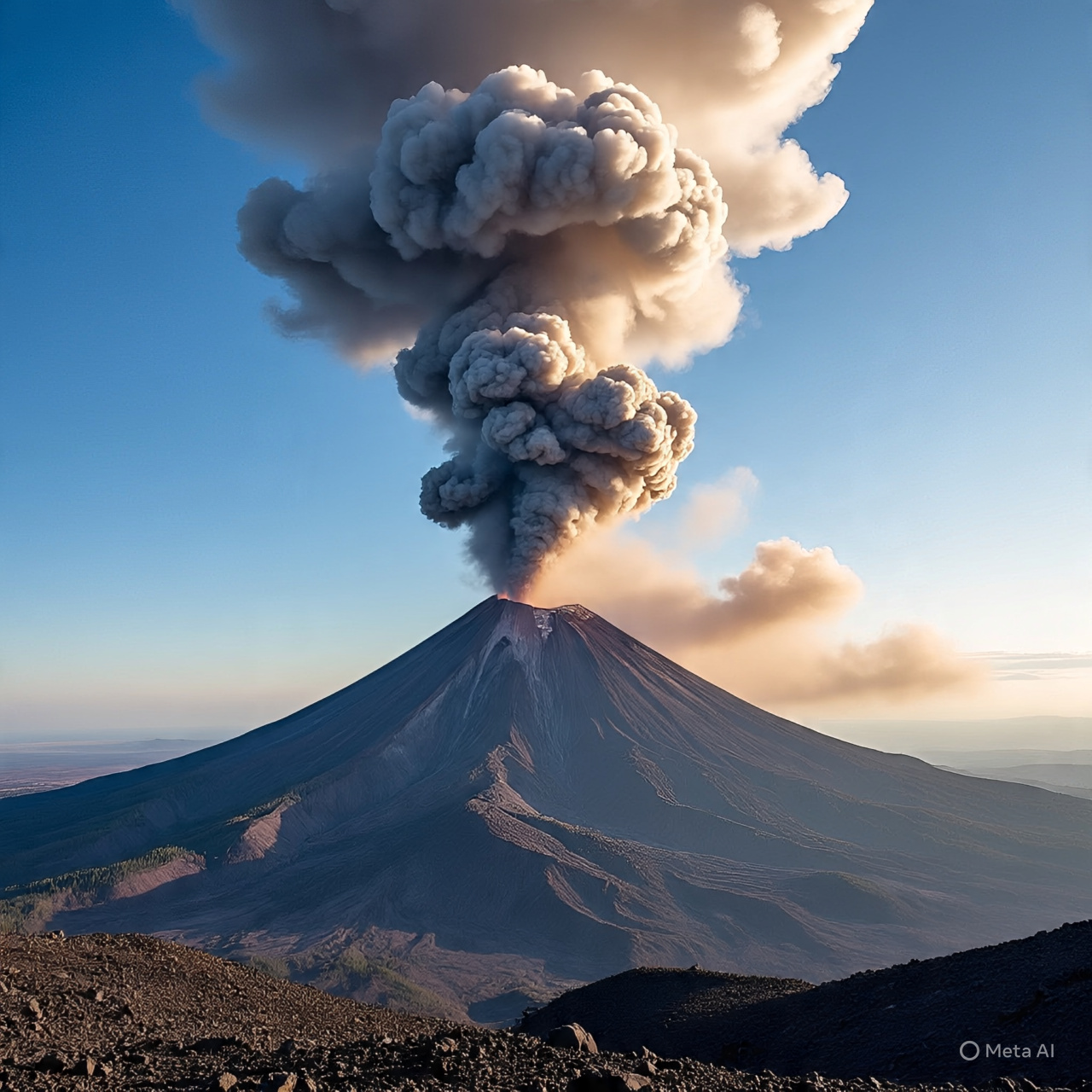
On February 3, 2026, volcanoes across Central America, Mexico, and Indonesia showed significant activity, reminding communities of their persistent presence.

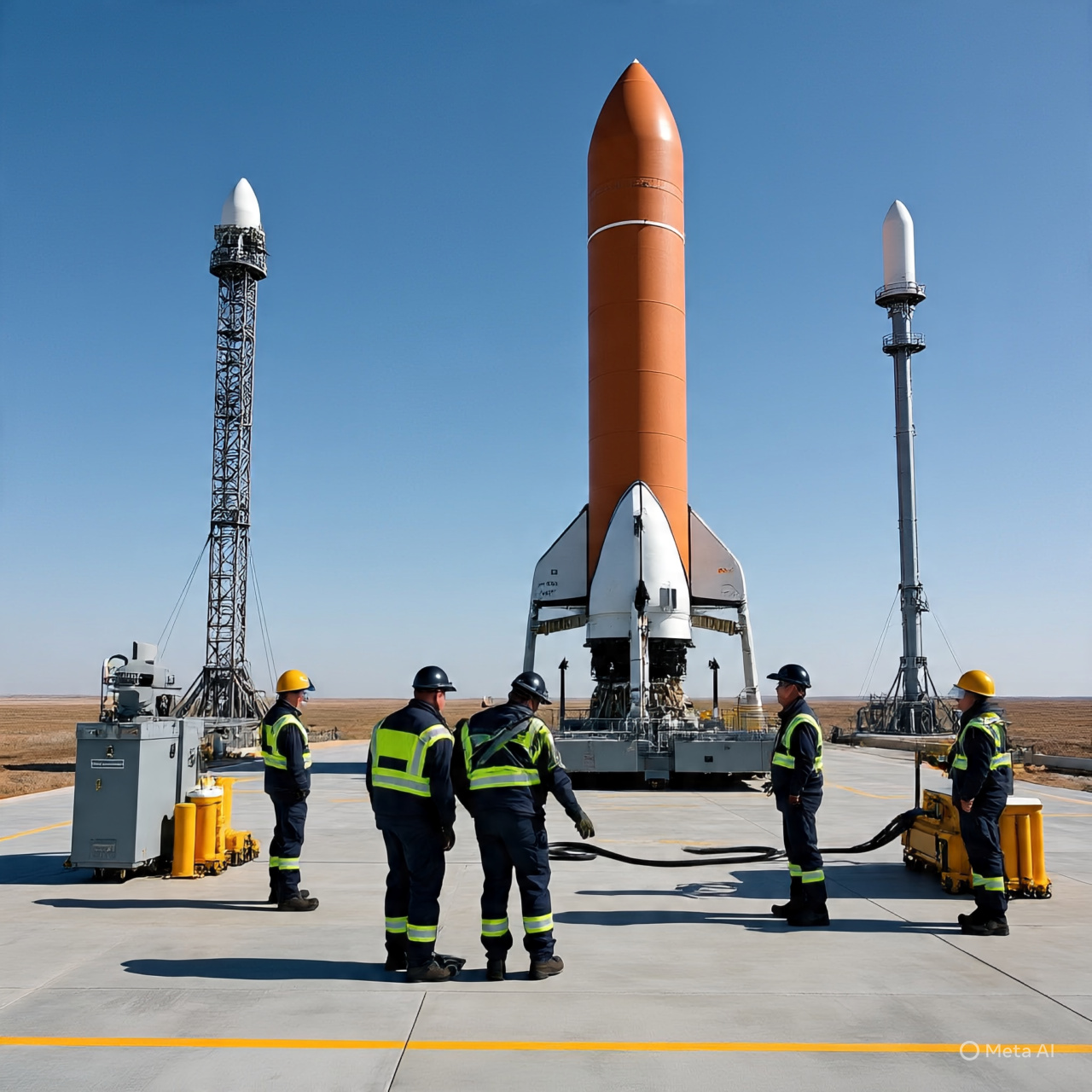
NASA's Artemis II mission encounters persistent fuel leak issues, delaying the crewed lunar launch as engineers work to resolve the challenges of cryogenic hydrogen.

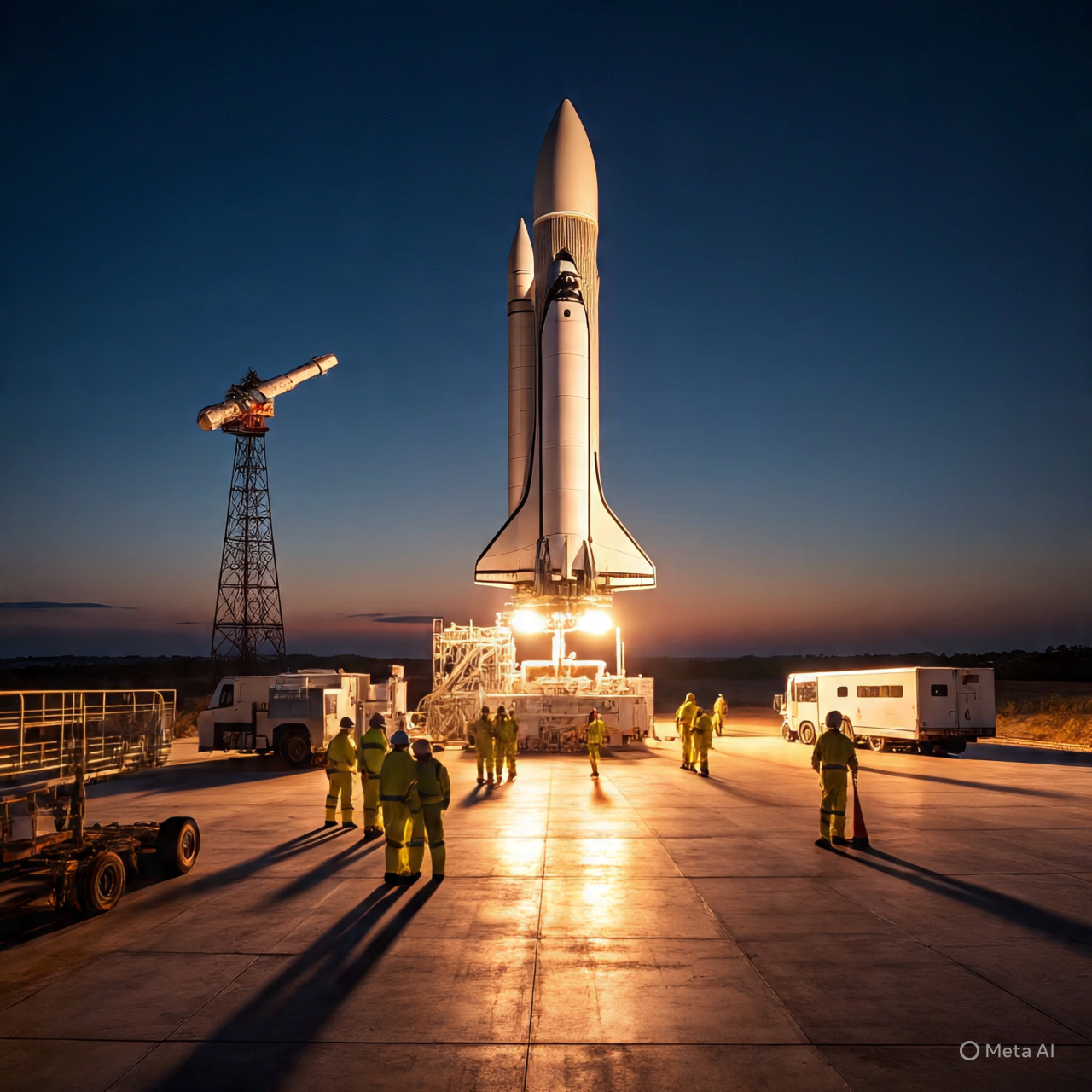
NASA's Artemis II mission prepares for its historic lunar journey in March 2026, marking humanity's return to the Moon after decades.

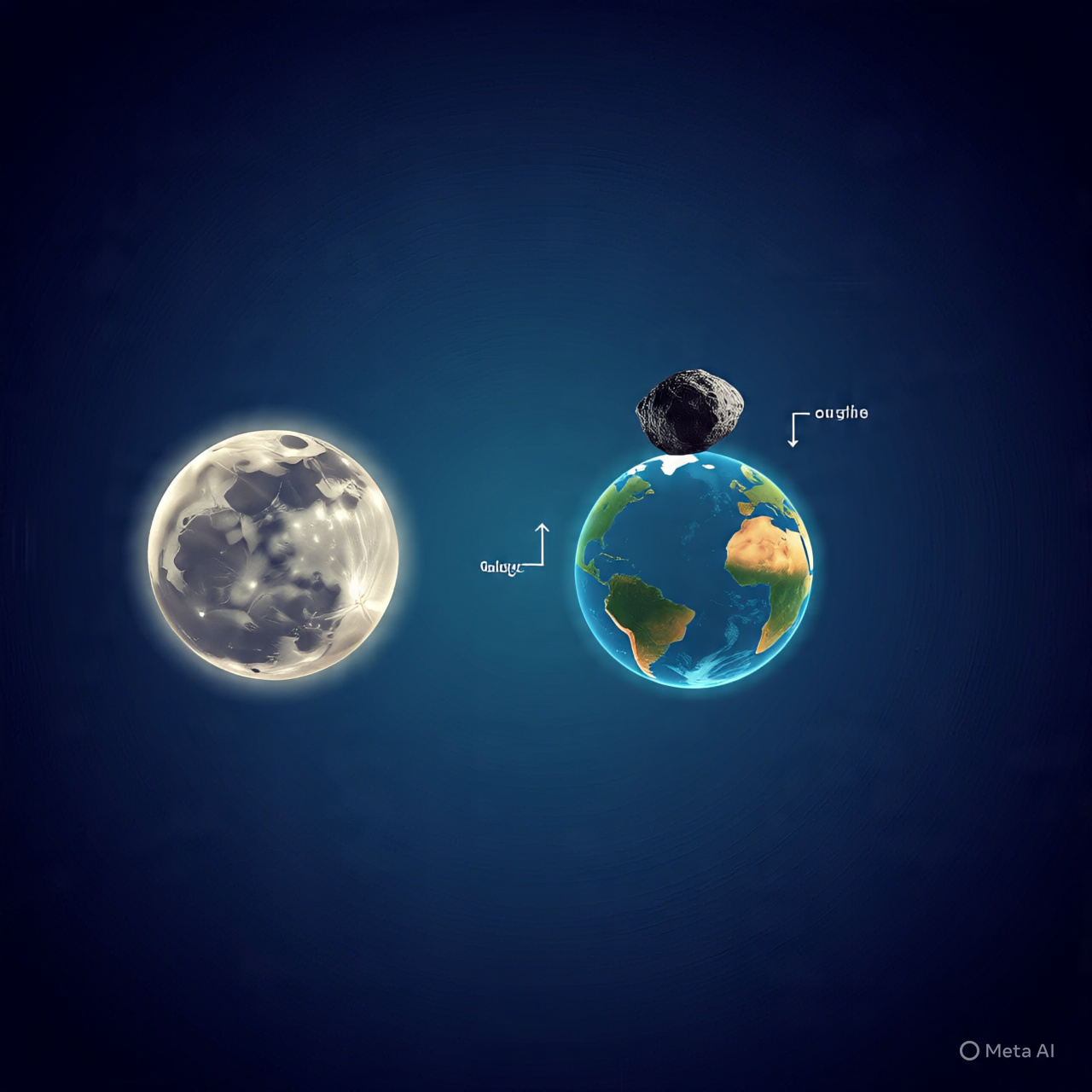
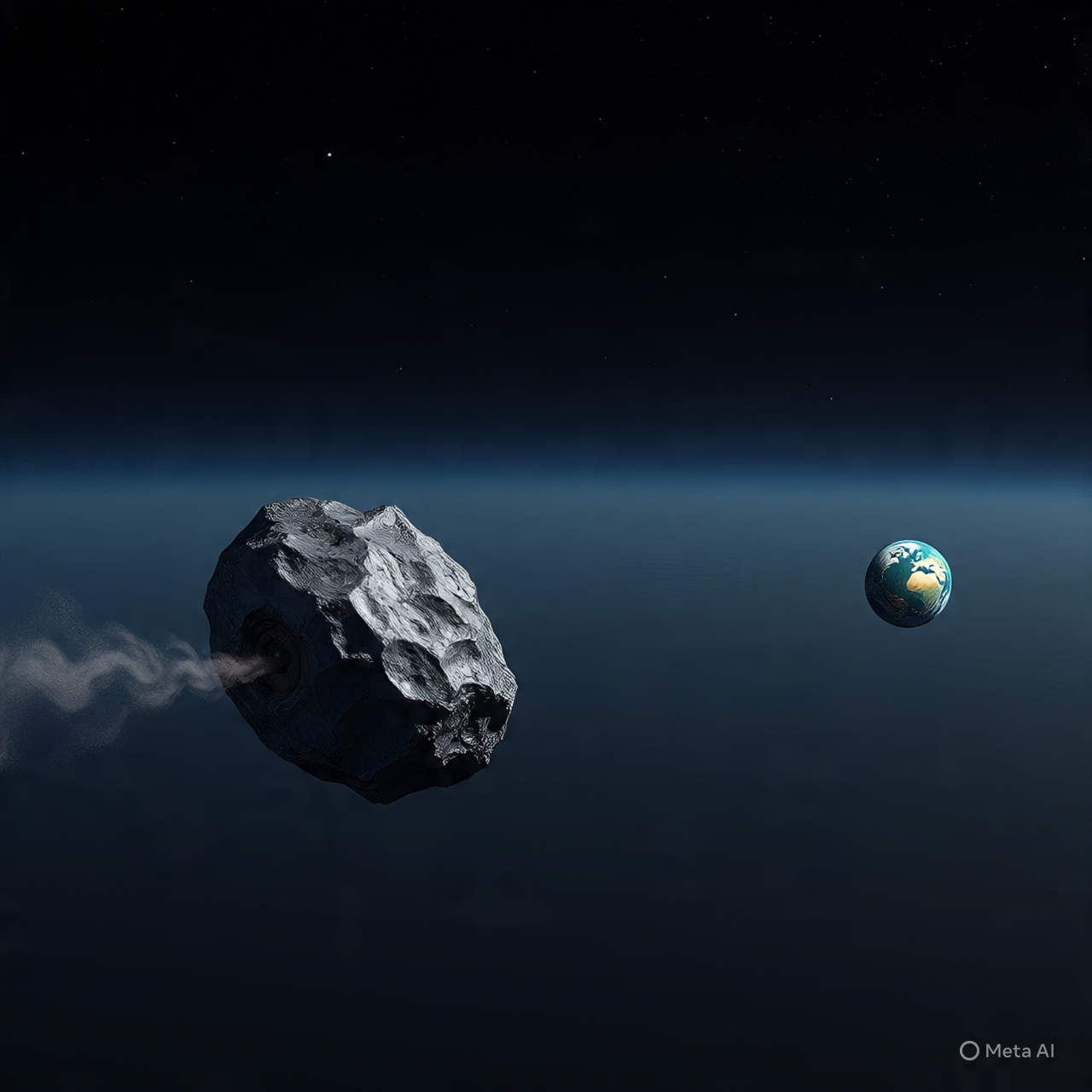
Asteroid 2024 YR4 poses a 4% chance of impacting the Moon in 2032, prompting scientific interest and reflections on cosmic events.

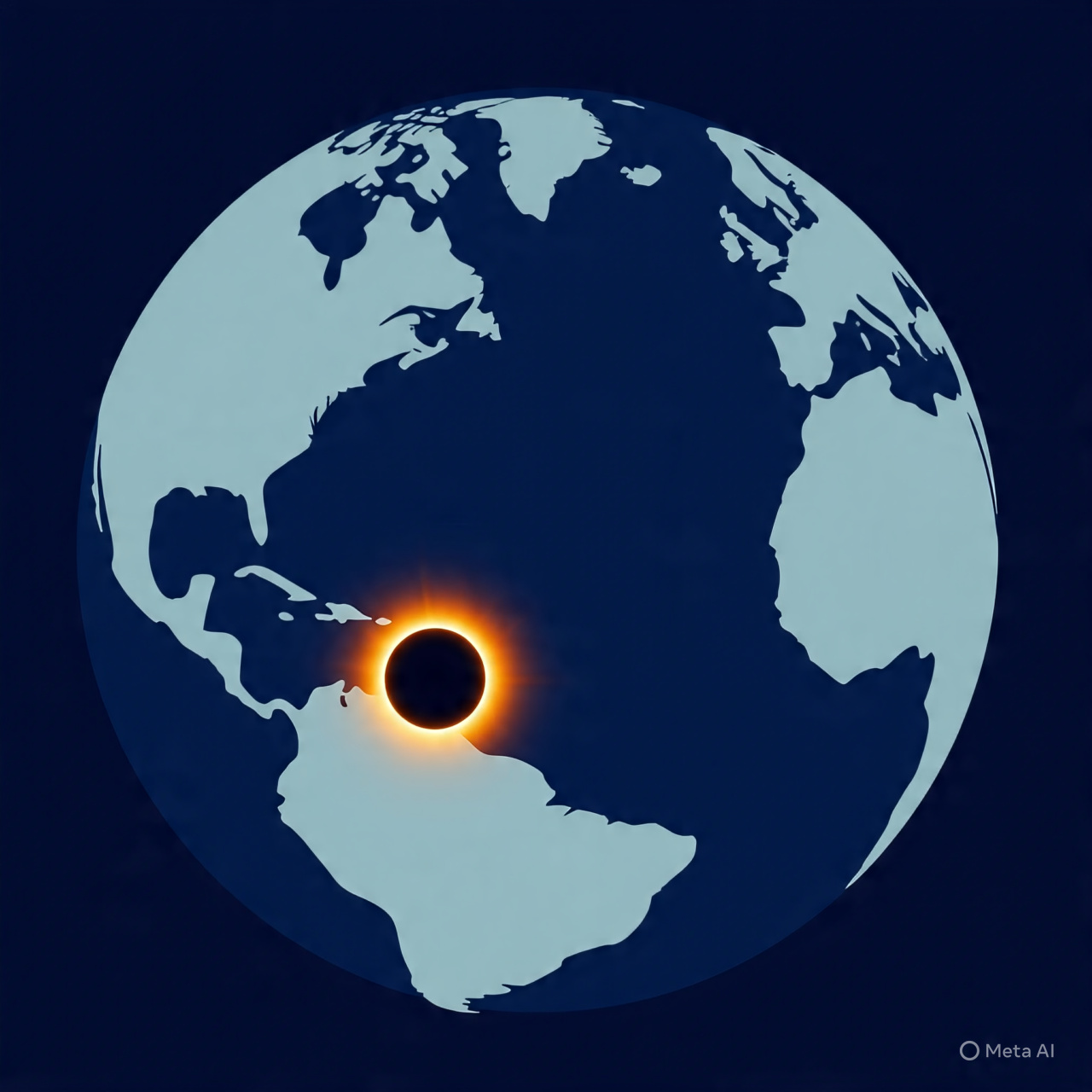
On February 17, 2026, witness the annular solar eclipse, a stunning celestial event visible from select regions. Learn more about its path and significance.

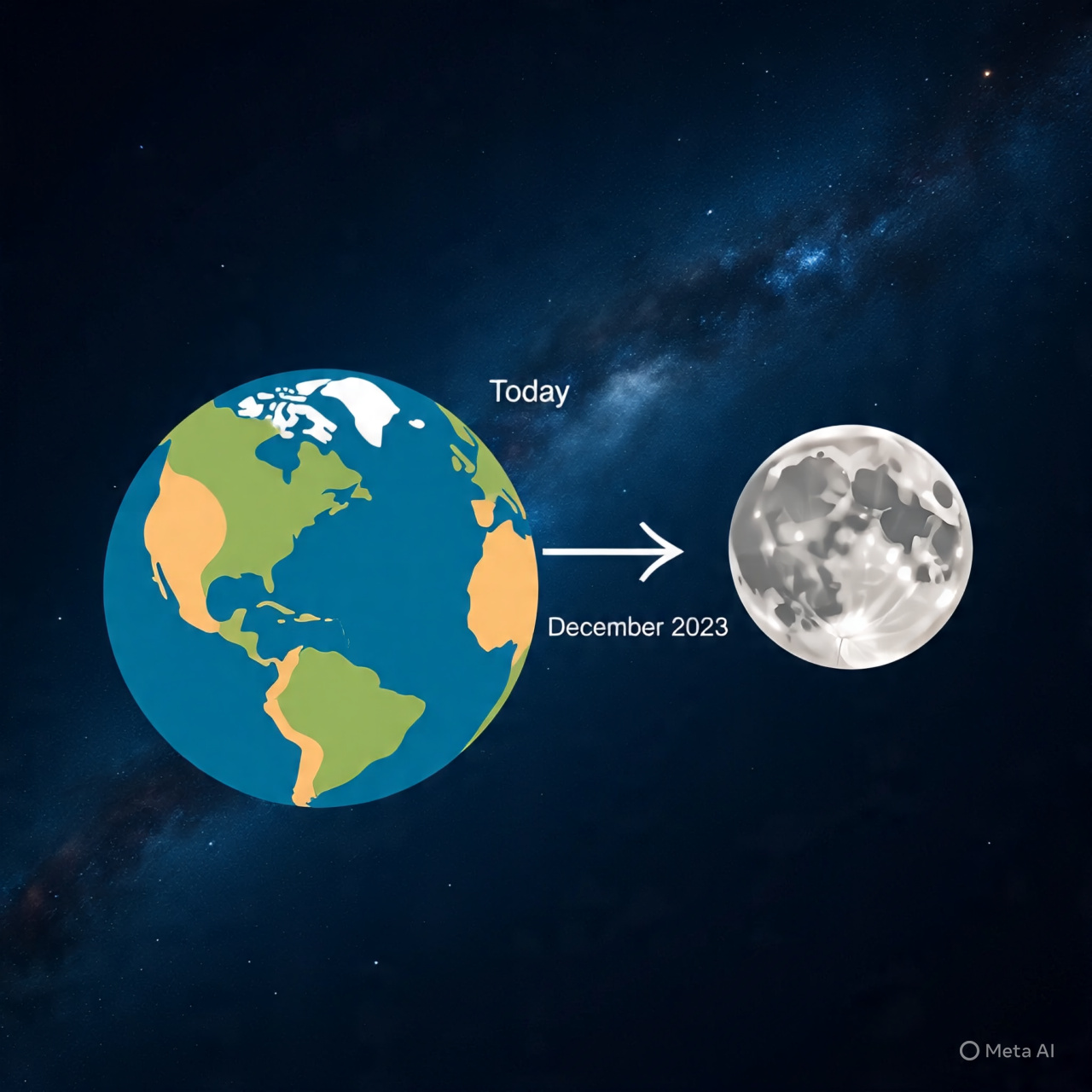
Explore the Moon's gradual retreat from Earth and its subtle effects on our planet's rotation and climate patterns over geological time.

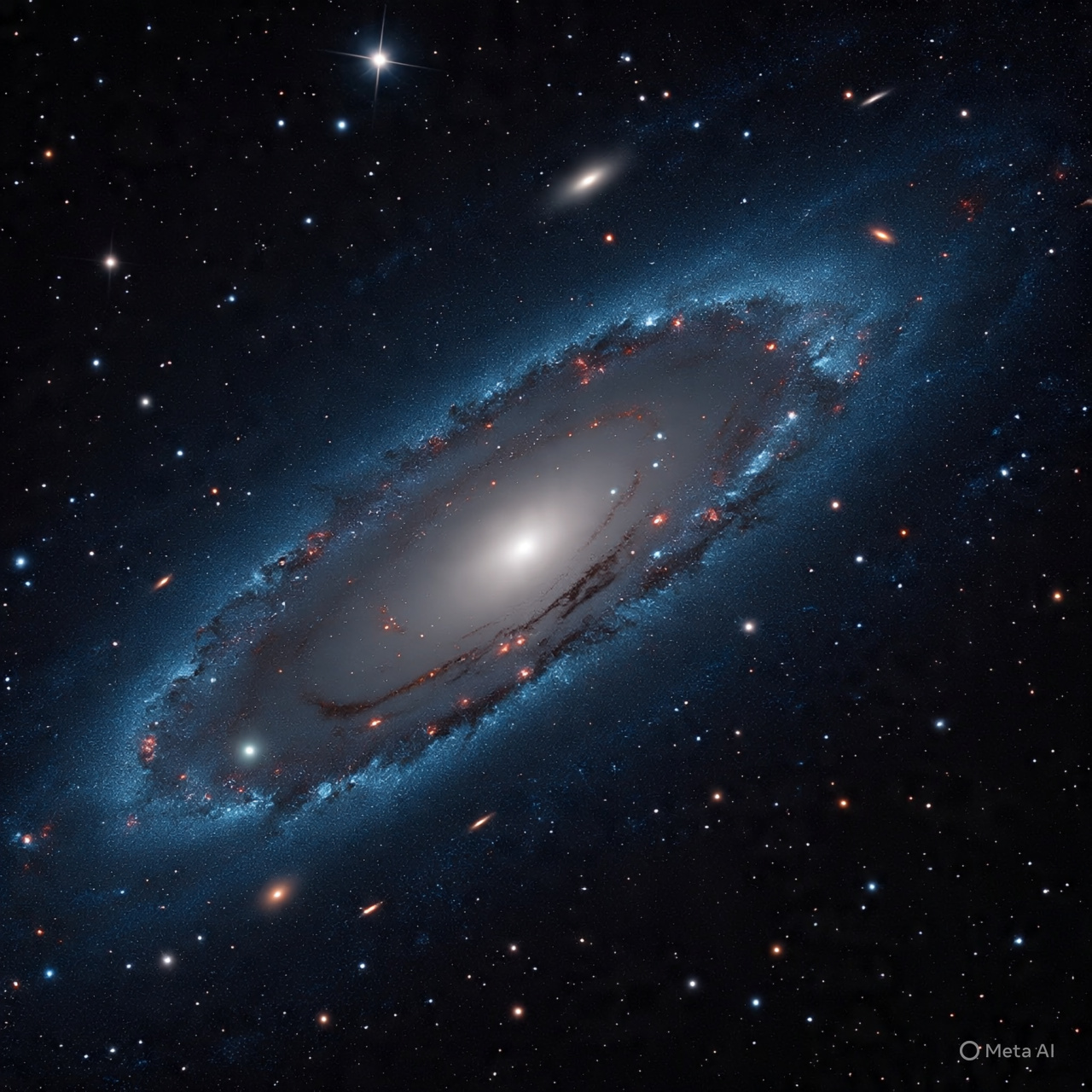
Astronomers unveil JADES-ID1, an ancient galaxy cluster forming just 1 billion years after the Big Bang, challenging existing cosmic formation theories.

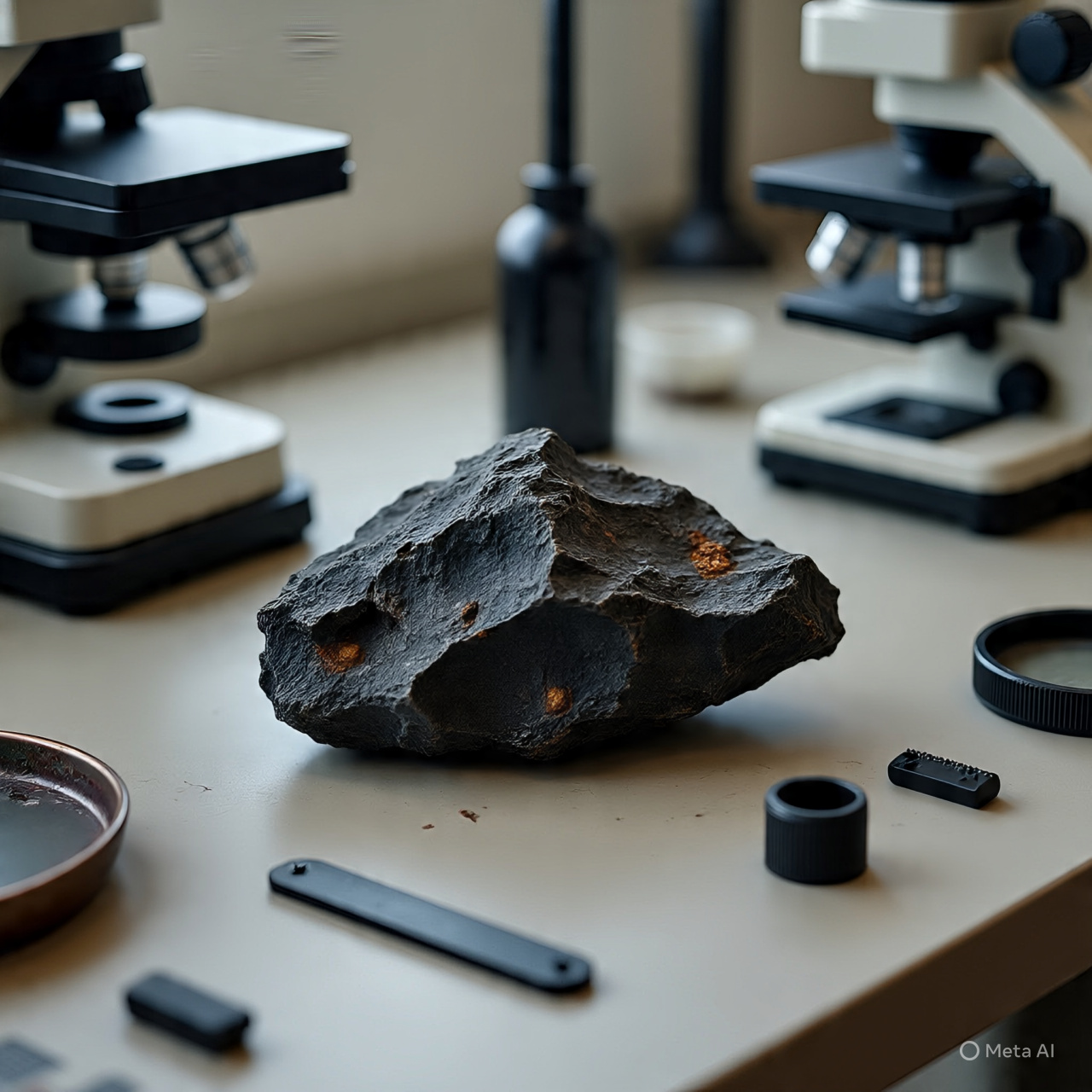
New findings from the Orgueil meteorite reveal abiotic sugars that may provide insights into life's origins, suggesting a cosmic chemical readiness for life.

NASA's Artemis II mission faces delays due to hydrogen leaks during a wet dress rehearsal, pushing the launch to March. Engineers work to resolve issues.

A groundbreaking study reveals the journeys of runaway stars in the Milky Way, shedding light on their origins and the galaxy's evolution.

Fossil evidence from Taiwan uncovers the existence of giant pythons, revealing insights into the island's prehistoric climate and ecosystems.

Recent simulations reveal that nuclear explosions could safely deflect asteroids, altering their paths without catastrophic fragmentation. Discover the implications.