In the tender hush before a dawn launch, rockets are more than metal and flame — they are the sum of countless quiet calculations and human hopes woven together across years. NASA’s Artemis moon program, envisioned as a new chapter in lunar exploration, carries this weight with both pride and caution. Yet even after years of preparation, a persistent challenge has surfaced again: fuel leaks that interrupt final countdown rehearsals and delay liftoff. Like water finding a path through gently worn stone, the issue has emerged where precision meets the physical limits of materials and cryogenic chemistry.
When engineers first encountered leaks of liquid hydrogen during an Artemis I pre-launch series, it was understood as part of the immense complexity of handling hydrogen at extremely low temperatures. Hydrogen atoms are among the smallest in nature, and when cooled to a cryogenic liquid, they behave in ways that defy simple containment. Over the past three years, NASA teams developed new seals, refined joint fittings, and updated procedures — each intended to tame the unpredictable behavior of this fuel during loading. Still, when the Artemis II Space Launch System rocket underwent a full “wet dress rehearsal,” the familiar pattern returned: hydrogen seeped through connections between ground systems and the vehicle, reminding engineers that theoretical fixes must always be tested against reality.
This recurrence has prompted a ripple of recalibration across NASA’s launch schedule. A planned departure was paused as specialists reviewed telemetry, adjusted equipment, and confirmed safety margins before attempting another full fueling test. Even with intense effort, these systems can behave differently under the specific pressures and chilling conditions of the launch pad compared to controlled test stands. In systems where temperatures plunge below –423 °F and where every valve and seal must operate flawlessly, minute imperfections can allow microscopic molecules to escape — not because of negligence, but because of physics.
For NASA, the priority remains the safety of the astronauts who will one day ride Artemis rockets to lunar orbit and back. That imperative has guided the decision to delay the crewed mission into March rather than proceed with unresolved uncertainties. In conversations with engineers and managers, there is an underlying acceptance that spaceflight seldom unfolds without surprises, and that patience in problem-solving ultimately supports mission success.
Viewed from this perspective, the persistence of hydrogen leaks is not a failure but a reminder of the frontier nature of rocket propulsion. In seeking to master technologies at the edge of current capability, engineers must often revisit challenges that seemed settled, learning from each cycle of testing and adjustment. As NASA prepares to resume fueling rehearsals and move closer to launch, the agency carries forward both lessons learned and the calm determination that has defined human space exploration for decades.
In the days ahead, flight teams will continue their methodical work, balancing confidence in hardware with humility before the demands of cryogenic propellants. For the world watching, the delays offer a glimpse into the intricate care required to send humans beyond Earth — a blend of innovation, persistence, and respect for nature’s subtle complexities.
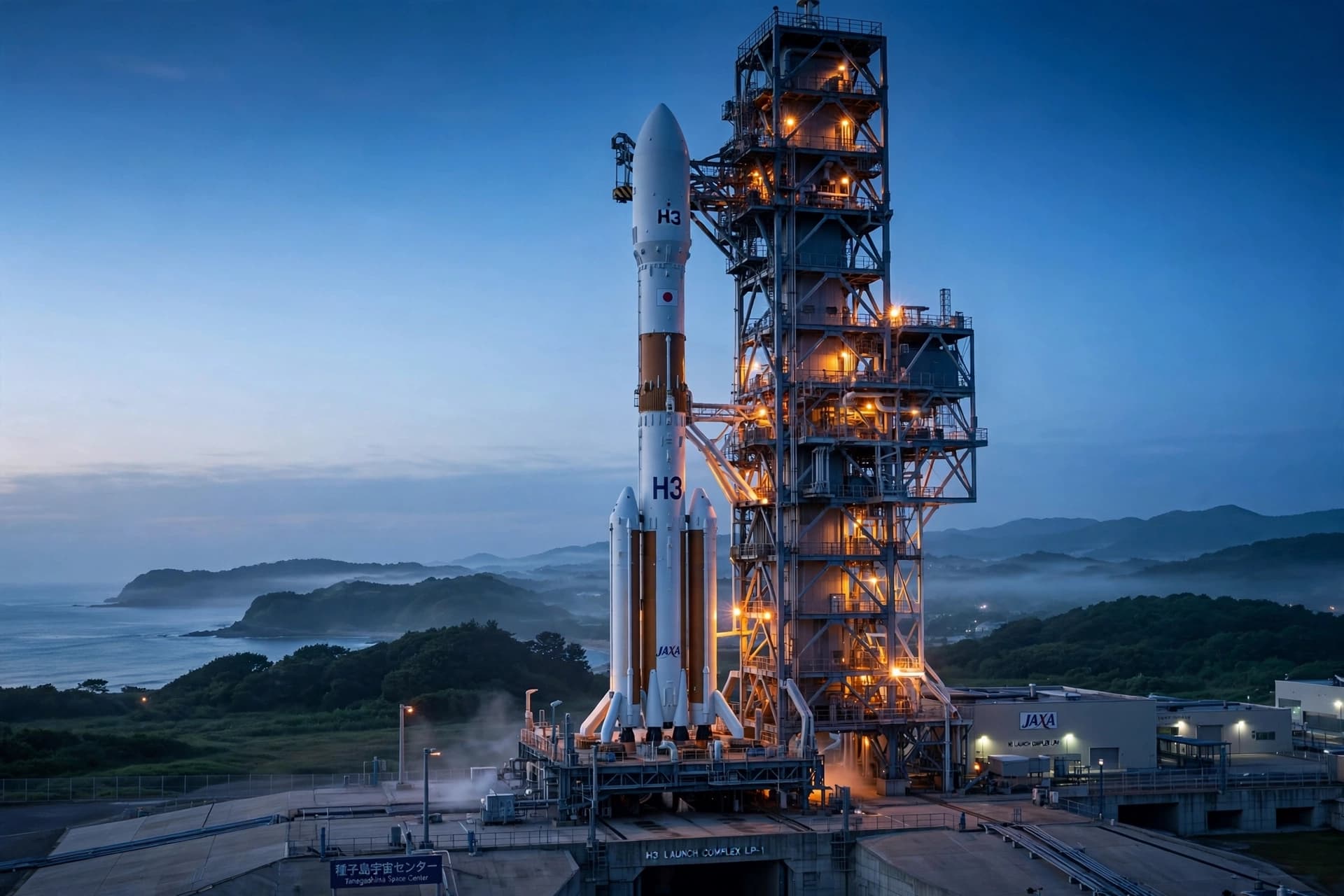
AI Image Disclaimer Visuals are created with AI tools and are not real photographs, intended for conceptual illustration.
Source Check (Credible) Reuters – mainstream international news The Guardian – established global news Associated Press (AP) – major news wire Associated Press – space/engineering reporting Reuters – updated reporting on launch delay
Published by Banx Network. This article is part of the Banx decentralized media programme, powered by the BXE token on the XRP Ledger.