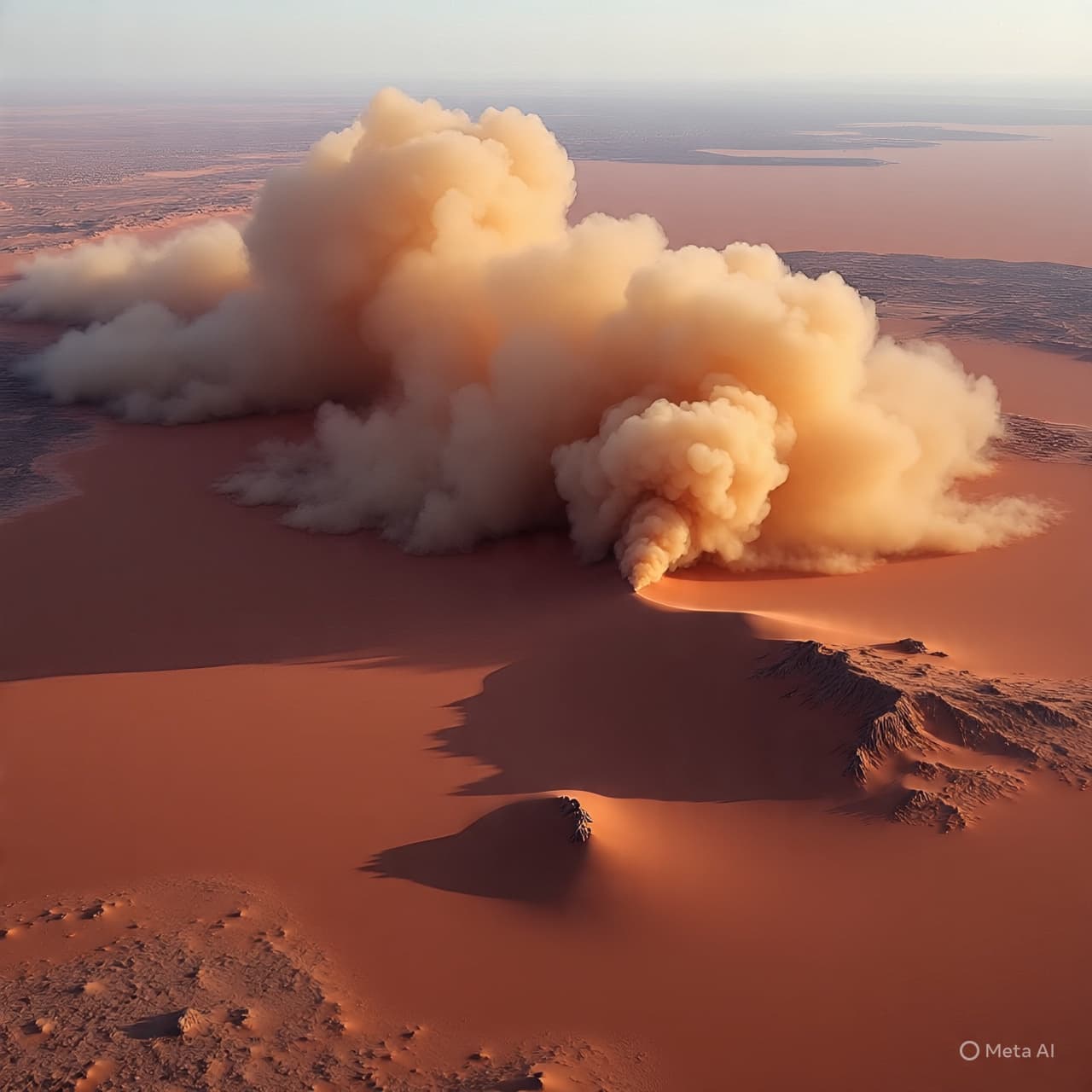
Across the rust-colored plains of Mars, a dust storm sweeps silently, lifting fine grains into the thin atmosphere and obscuring the horizon. Yet within this swirling haze lies a revelation: clues about the planet’s mysterious loss of water. Scientists studying the storm have observed changes in atmospheric composition that shed light on processes long hidden from human eyes.
For decades, Mars has intrigued researchers with evidence of ancient rivers, lakes, and perhaps even oceans. But why did the water vanish? The recent observations suggest that dust storms may play a subtle, persistent role, helping hydrogen and oxygen escape into space, slowly erasing the planet’s watery past. In this sense, the storms are both sculptors and chroniclers, shaping the landscape while revealing secrets about the planet’s transformation over billions of years.
There is poetry in this cosmic choreography. A storm, seemingly chaotic and destructive, acts as a messenger from deep time, tracing the narrative of water lost, climates changed, and a world evolving silently under the cold gaze of the sun. By tracking these ephemeral shifts, scientists glimpse the delicate balance that once allowed liquid water to persist—a reminder of the fragility of planetary environments and the forces that govern them.
Mars, in its dusty silence, invites reflection: abundance is not permanence, and even the mightiest rivers can vanish under slow, patient processes. The storm reminds us that discovery often arrives not in explosions or sudden revelations, but in the quiet shifts, the subtle patterns that, when observed carefully, tell the grand story of a world.
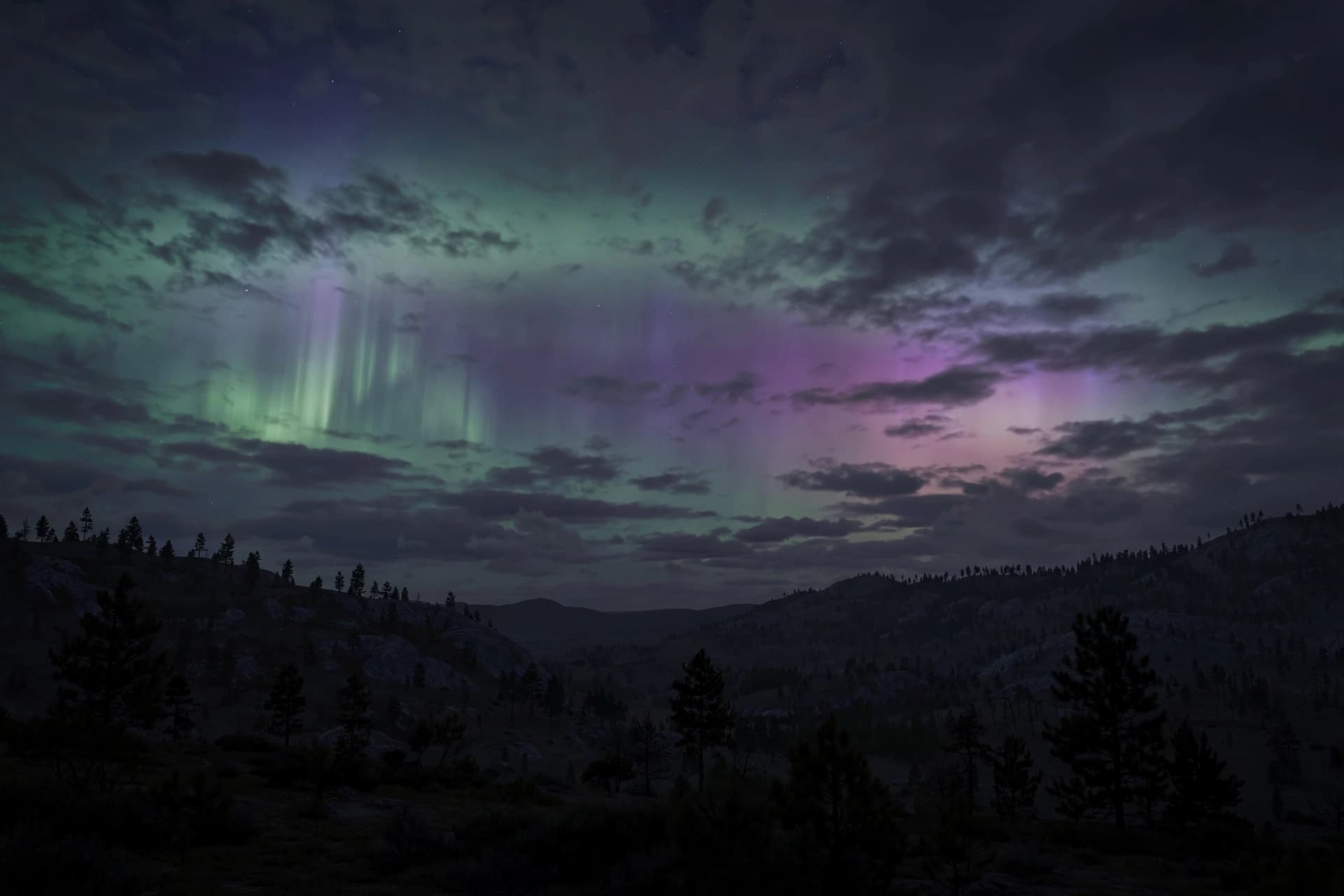
AI Image Disclaimer Visuals are AI-generated for illustrative purposes.
Sources NASA European Space Agency Nature Astronomy Science Planetary Society
Published by Banx Network. This article is part of the Banx decentralized media programme, powered by the BXE token on the XRP Ledger.