Long before Taiwan became an island of dense cities, forested mountains, and humming coastlines, it was shaped by a warmer breath of time. The land moved differently then. Forests grew thicker, rivers wandered wider, and the air carried a weight that allowed larger lives to move slowly through it. In that older world, size was not an exception but a response, and among the creatures that answered this call were snakes of remarkable scale.
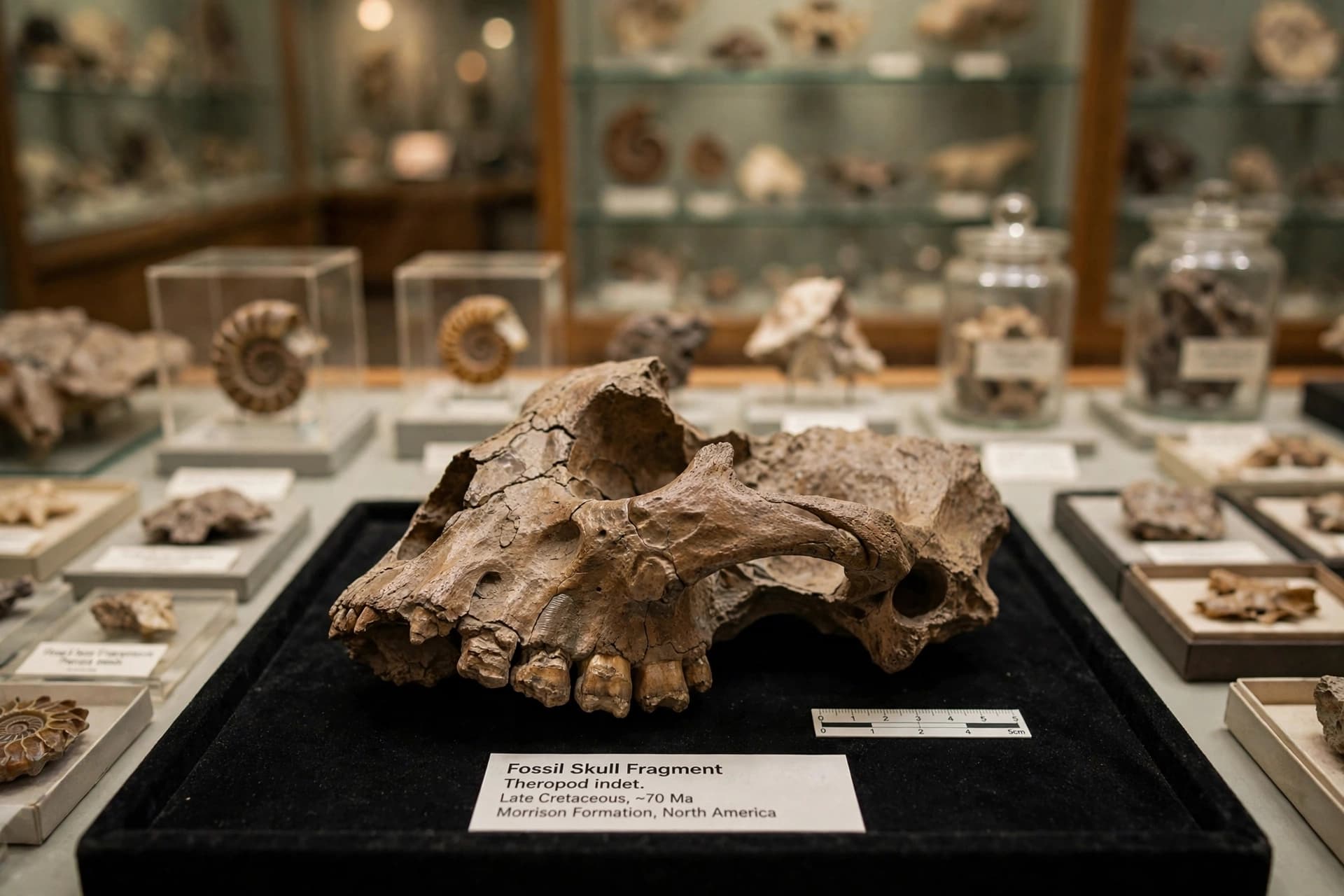
Fossil evidence gathered from sedimentary layers in Taiwan reveals that giant pythons once inhabited the region, sharing its ancient landscapes during periods when the climate was significantly warmer and more humid than today. These remains, identified through vertebrae and skeletal fragments, suggest snakes far larger than any species currently found on the island. Their presence aligns with a broader pattern seen across prehistoric Asia, where large-bodied reptiles thrived under favorable environmental conditions.
Scientists believe these pythons lived millions of years ago, during epochs when global temperatures supported expansive tropical and subtropical ecosystems. Warm climates allow reptiles, which rely on external heat to regulate their bodies, to grow larger and sustain greater mass. In Taiwan’s case, its position along shifting tectonic plates and its changing connection to mainland Asia created corridors through which animals could migrate and settle. The island was not always isolated, and its fauna reflects these earlier links.
The discovery does not stand alone. Similar fossils of giant snakes have been found across southern China and Southeast Asia, forming a regional picture of reptilian giants that once occupied forests and wetlands. Taiwan’s fossils add an important geographic detail, suggesting that these pythons were not rare visitors but established inhabitants. Their disappearance, researchers suggest, followed long-term cooling trends and ecological shifts that gradually favored smaller, more specialized species.
There is no suggestion that such creatures survived into human history on the island. Their world ended quietly, reshaped by climate and time rather than sudden catastrophe. What remains are traces — bones pressed into stone, measurements recorded in journals, and the realization that Taiwan’s natural past holds chapters far larger than its modern wildlife suggests.
These findings continue to refine scientists’ understanding of how climate influences animal size and distribution. They also remind us that today’s ecosystems are snapshots rather than conclusions. Taiwan, now known for its biodiversity on a compact scale, once supported creatures that embodied abundance and heat. The evidence rests calmly in museum drawers and academic papers, waiting not to alarm, but to inform.
Researchers say further fossil discoveries may clarify how widespread these giant pythons were and how long they persisted. For now, the record indicates that Taiwan’s ancient landscapes once moved under the slow, deliberate passage of snakes that would seem out of place today, yet were perfectly suited to their time.
AI Image Disclaimer Images in this article are AI-generated illustrations, meant for concept only.
Source Check (Credible Sources Exist) Nature Science Proceedings of the National Academy of Sciences Smithsonian Magazine National Geographic
Published by Banx Network. This article is part of the Banx decentralized media programme, powered by the BXE token on the XRP Ledger.