
Key Highlights
- Date of Activity:February 3, 2026, marked significant volcanic activity across multiple continents.
- Locations Affected:Guatemala, Mexico, and Indonesia experienced notable eruptions and emissions.
- Monitoring Efforts:Authorities continue to observe and manage volcanic risks in affected regions.
On February 3, 2026, the world witnessed a remarkable display of volcanic activity as several volcanoes across different continents engaged in their ongoing geological dialogue. This day served as a reminder of the earth's dynamic nature, with eruptions and emissions occurring in regions where volcanic activity is both familiar and unpredictable.
In Central America, Guatemala's Santiaguito complex and the nearby Fuego volcano were particularly active. Emissions and intermittent explosions sent ash plumes into the atmosphere, a phenomenon that local authorities monitored closely. These eruptions, while significant, were part of a long-established pattern of activity rather than a sudden escalation, reflecting the volcanoes' persistent presence in the region.
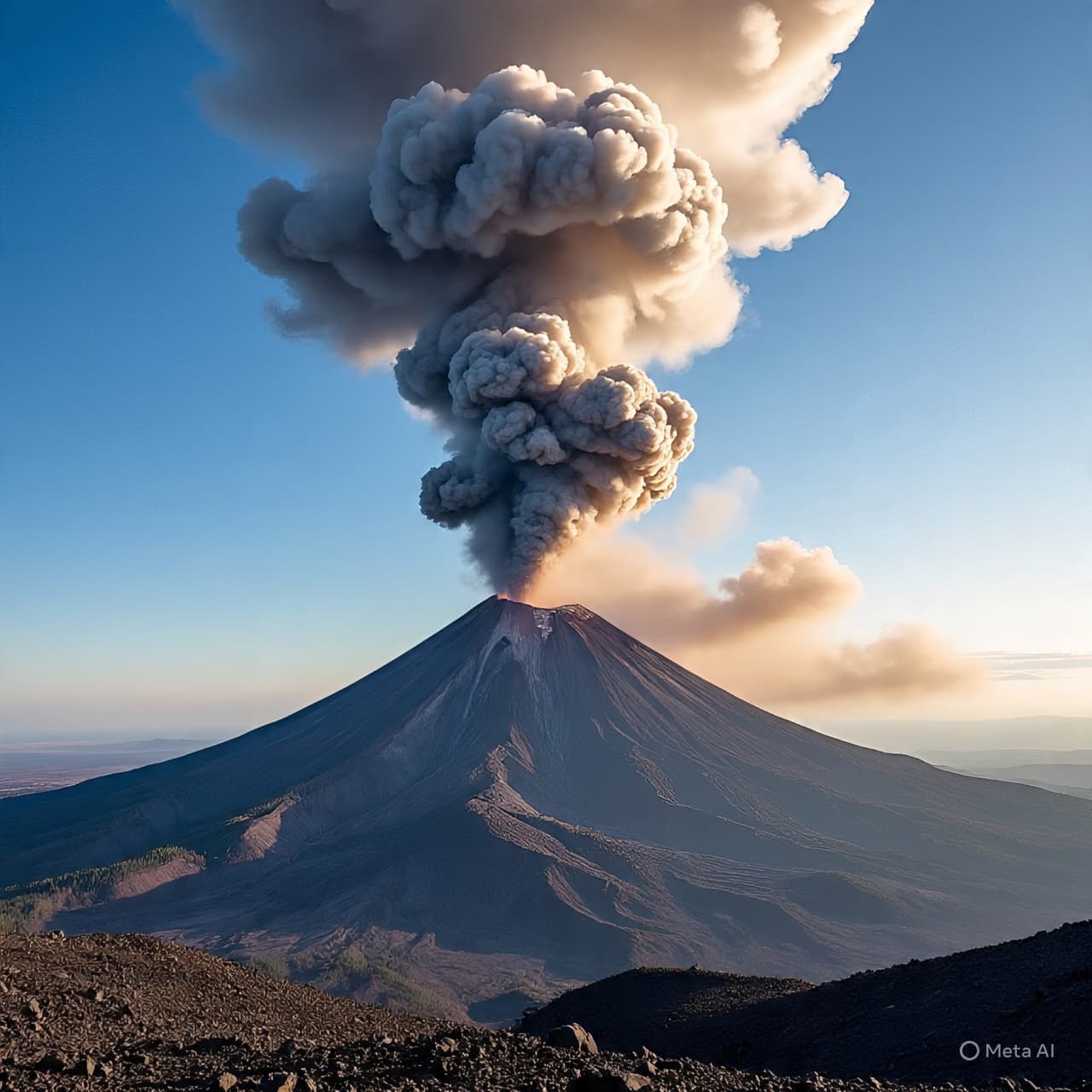
Meanwhile, in Mexico, Popocatépetl, affectionately known as “Don Goyo,” continued its steady output of gas and ash. The volcano's behavior remained within expected parameters, prompting ongoing advisories for surrounding communities. The visible plume served as a constant reminder of the need for vigilance in areas prone to volcanic activity, where daily life is often shaped by the rhythms of nature.
Across the Pacific, Indonesia's Merapi and Semeru volcanoes showcased different manifestations of volcanic activity. Merapi's lava dome activity and Semeru's repeated eruptions highlighted Indonesia's position along the Ring of Fire, a region characterized by frequent geological movement. Monitoring agencies maintained alert levels and reinforced exclusion zones, emphasizing the importance of preparedness in the face of natural hazards.
In addition to these well-known volcanoes, other sites around the globe exhibited signs of unrest, contributing to a broader understanding of sustained geological activity. Scientists noted that while these periods of activity are noteworthy, they do not necessarily indicate an increased global risk. Instead, they represent the normal release of energy along tectonic boundaries, a reminder of the earth's ever-changing landscape.
As of February 3, 2026, no extraordinary developments were reported beyond established alert frameworks. Authorities continued to monitor conditions closely, providing updates and guidance as necessary. For communities living near these volcanoes, the ongoing activity reflects a continuity of awareness shaped by experience, caution, and respect for the powerful forces of nature that surround them.
Published by Banx Network. This article is part of the Banx decentralized media programme, powered by the BXE token on the XRP Ledger.



