In the vast emptiness of the cosmos, a single particle can carry the weight of eons. Scientists have recently detected a record-breaking neutrino, traveling unfathomable distances, whose energy points to one of the universe’s most enigmatic phenomena: the explosion of a primordial black hole, a relic from the universe’s earliest moments.
These black holes, thought to have formed in the chaotic seconds after the Big Bang, are remnants of a cosmos far different from the one we inhabit. Unlike their massive descendants born from dying stars, primordial black holes are small, dense, and rare. Their explosive deaths release bursts of energy that ripple through space-time, invisible to the eye yet carried by neutrinos, those near-massless particles that traverse galaxies almost untouched.
The discovery is both scientific and poetic. A particle, invisible to human senses, has traveled billions of light-years, crossing the silent darkness, carrying a message from the universe’s infancy. It reminds us that even in emptiness, there is movement, history, and consequence—a quiet narrative of creation and destruction unfolding far beyond our planet.
Researchers now piece together this cosmic puzzle, using the neutrino’s energy and trajectory to illuminate events that occurred long before life or even light as we know it existed. In tracing this ephemeral traveler, humanity glimpses the subtle dance of matter and energy at the edges of time, where the smallest particle can testify to the largest mysteries.
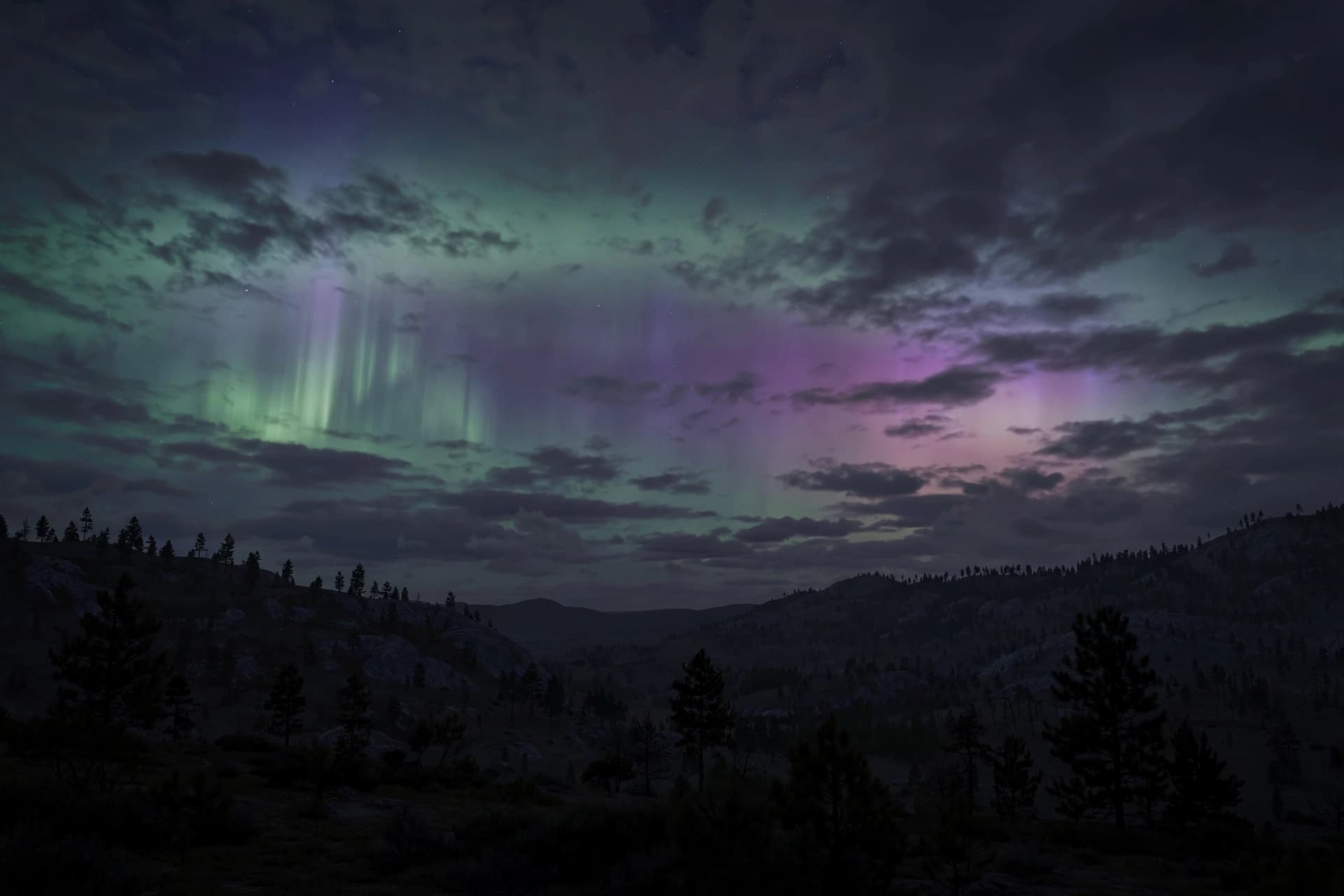
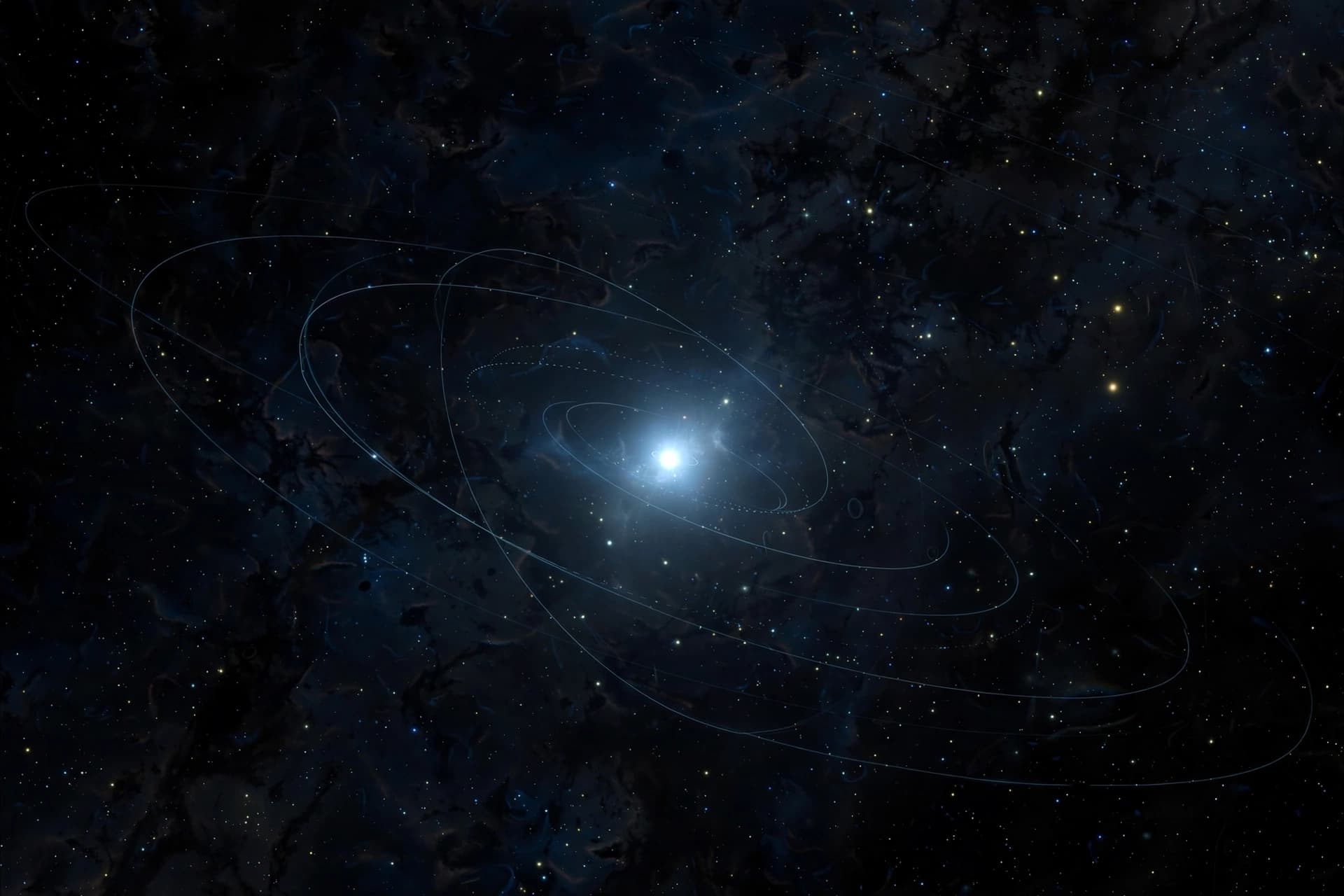
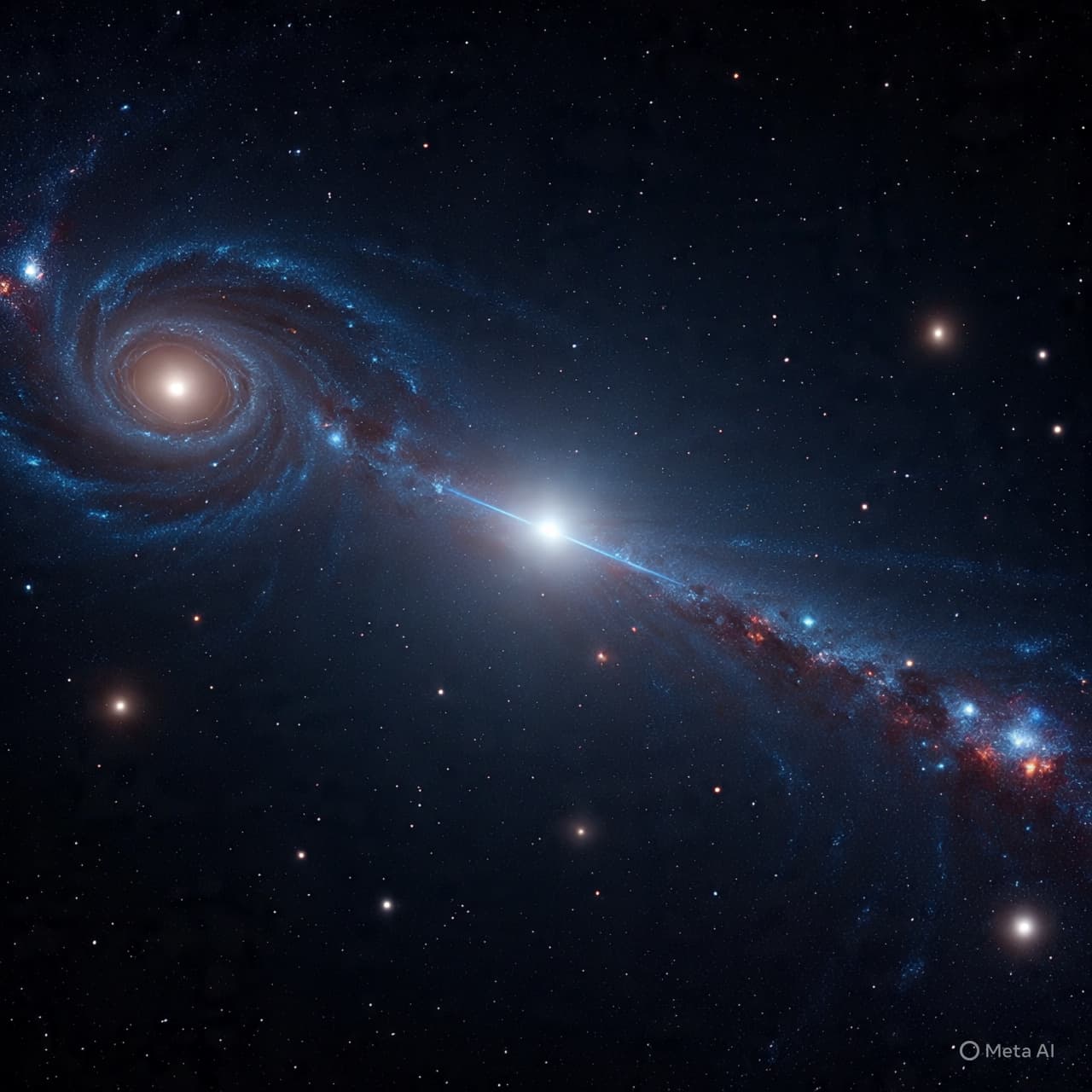
AI Image Disclaimer Illustrations were created using AI tools and are not real photographs.
Sources Nature Science NASA European Space Agency IceCube Neutrino Observatory
Published by Banx Network. This article is part of the Banx decentralized media programme, powered by the BXE token on the XRP Ledger.