SCIENCE89% credibility
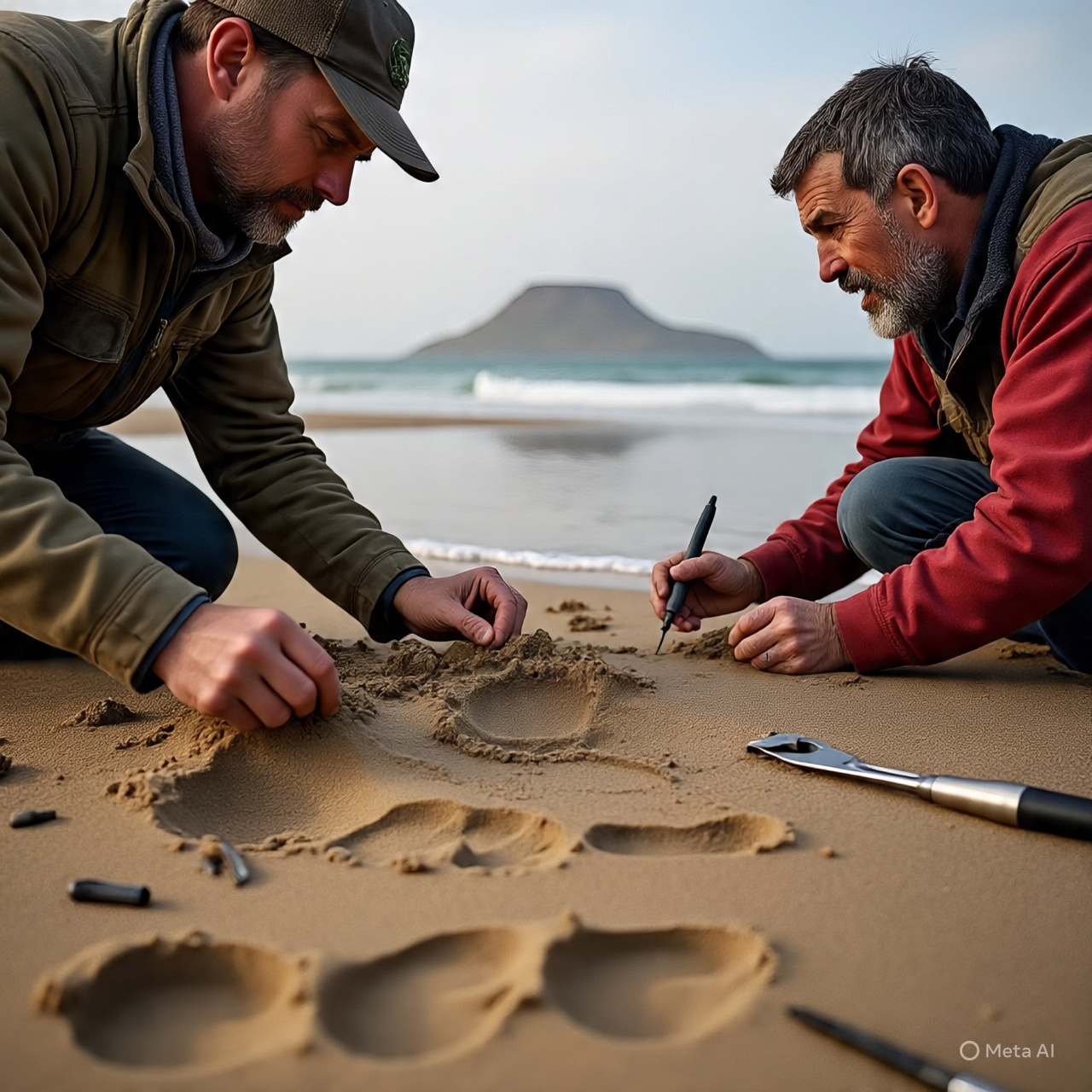
Discovering South Africa's Youngest Dinosaur Tracks Along the Coast
Fossil hunters uncover the youngest dinosaur tracks in South Africa, revealing insights into ancient life and behaviors along the coastal plain.
2 min read

Fossil hunters uncover the youngest dinosaur tracks in South Africa, revealing insights into ancient life and behaviors along the coastal plain.
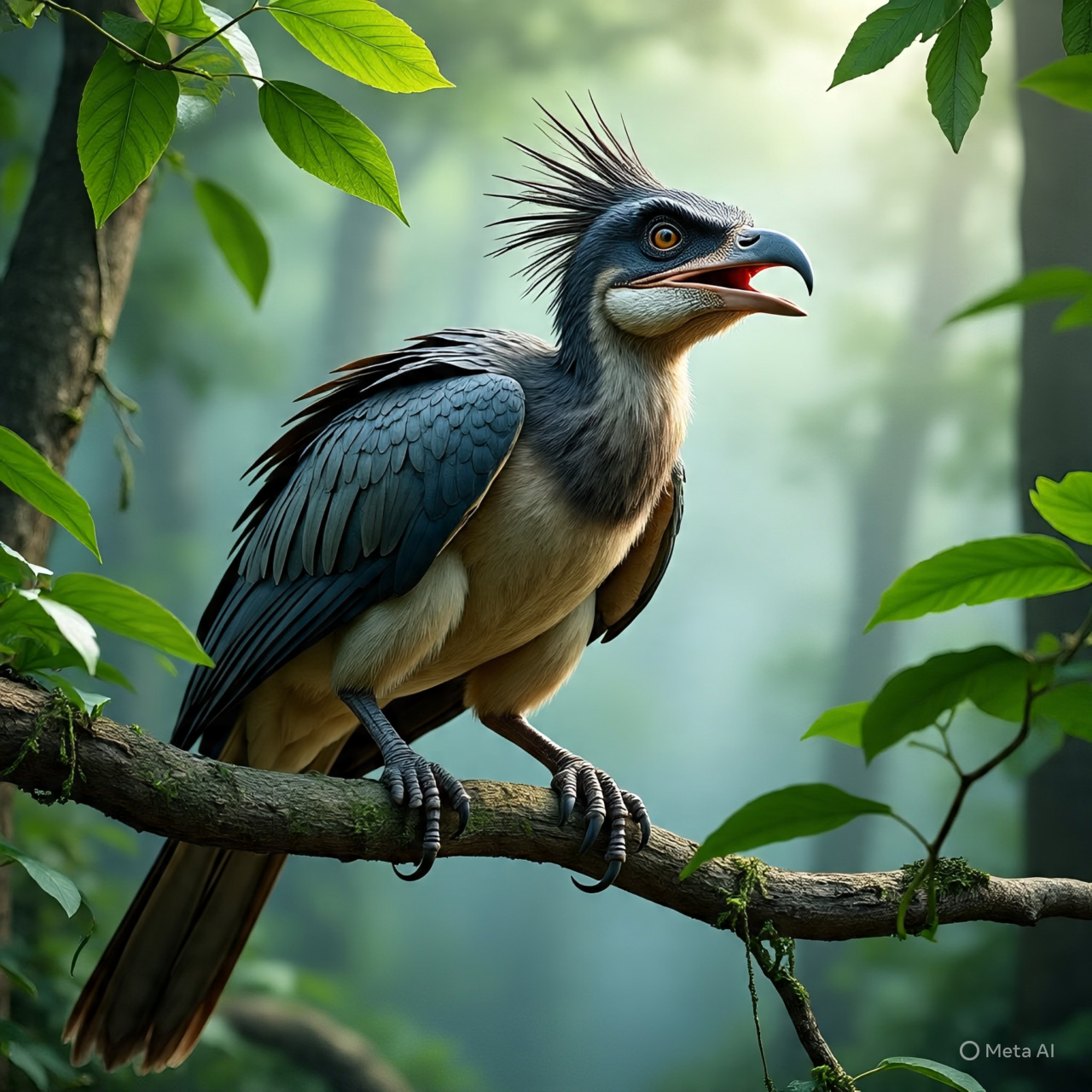
New studies on Archaeopteryx reveal its unique feeding habits and evolutionary significance, bridging the gap between dinosaurs and modern birds.
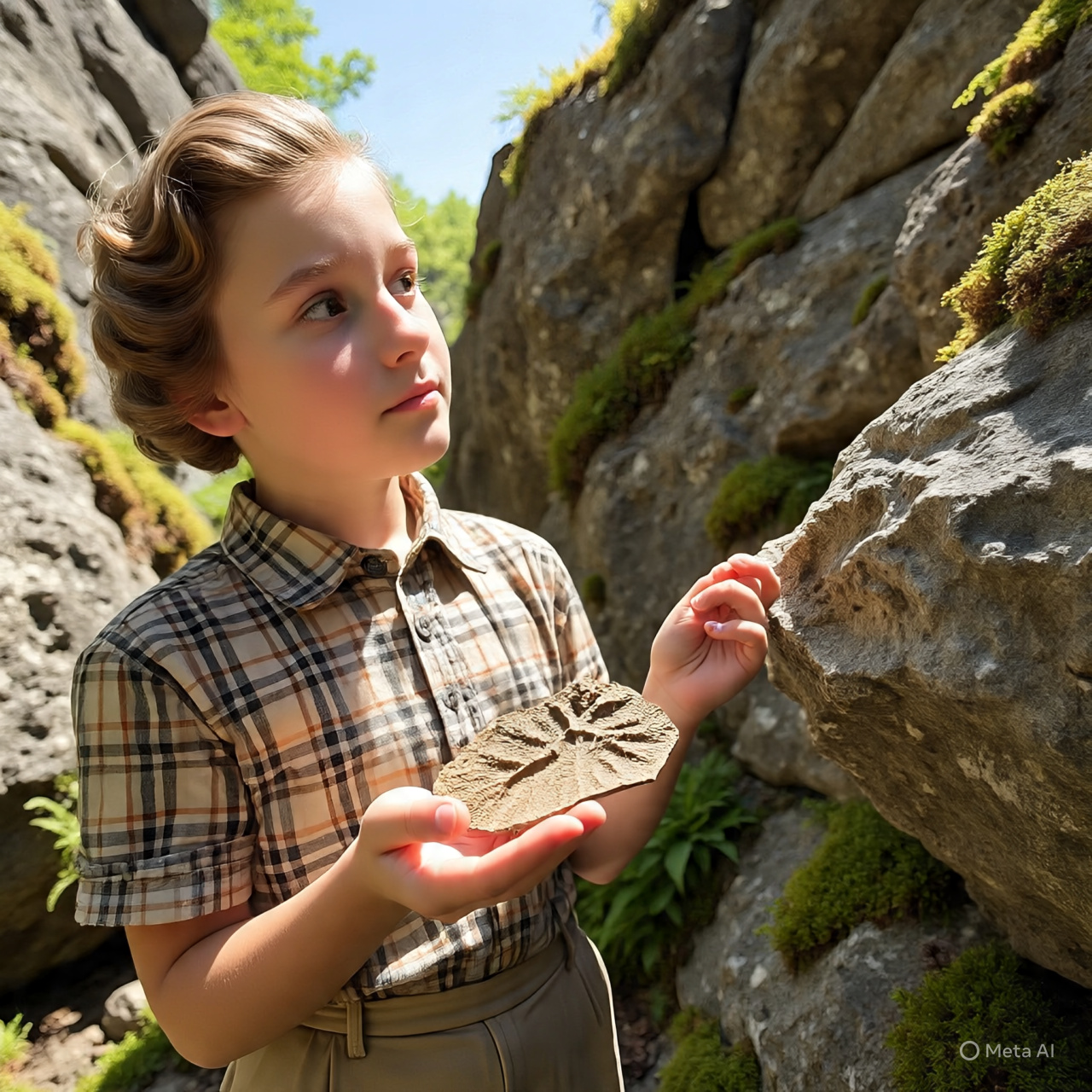
A teenager's 1958 discovery in Queensland is now recognized as Australia's oldest dinosaur fossil, shedding light on ancient ecosystems and evolution.
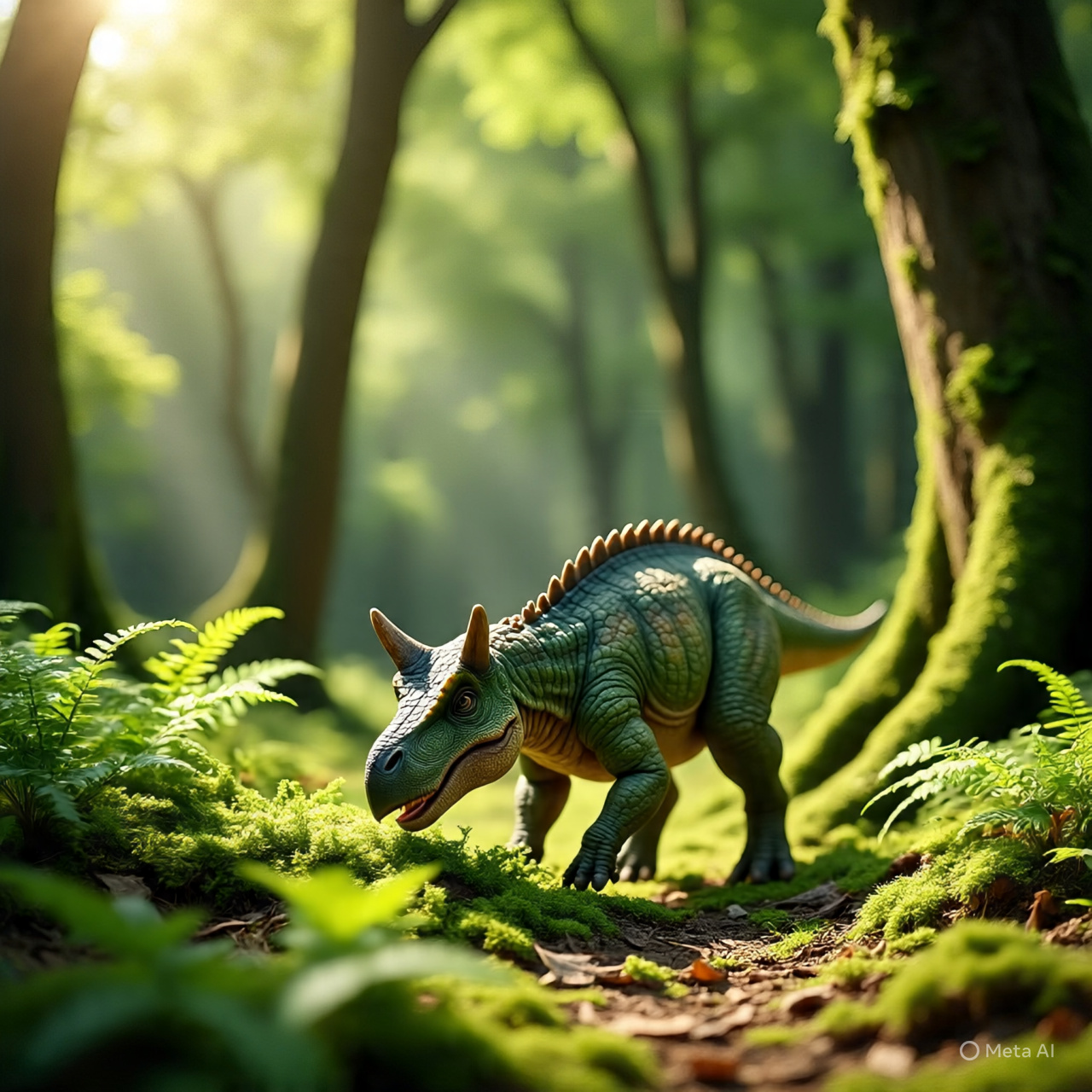
Paleontologists uncover a new herbivorous dinosaur in Spain, revealing insights into ancient ecosystems and the creature's unique adaptations.

UF Astraeus faculty are crafting the science strategy for Mars exploration, blending expertise in astrobiology, robotics, and human factors for future missions.

Discover how science reveals the architecture of a meaningful life, emphasizing purpose, connection, and personal growth for enhanced well-being.
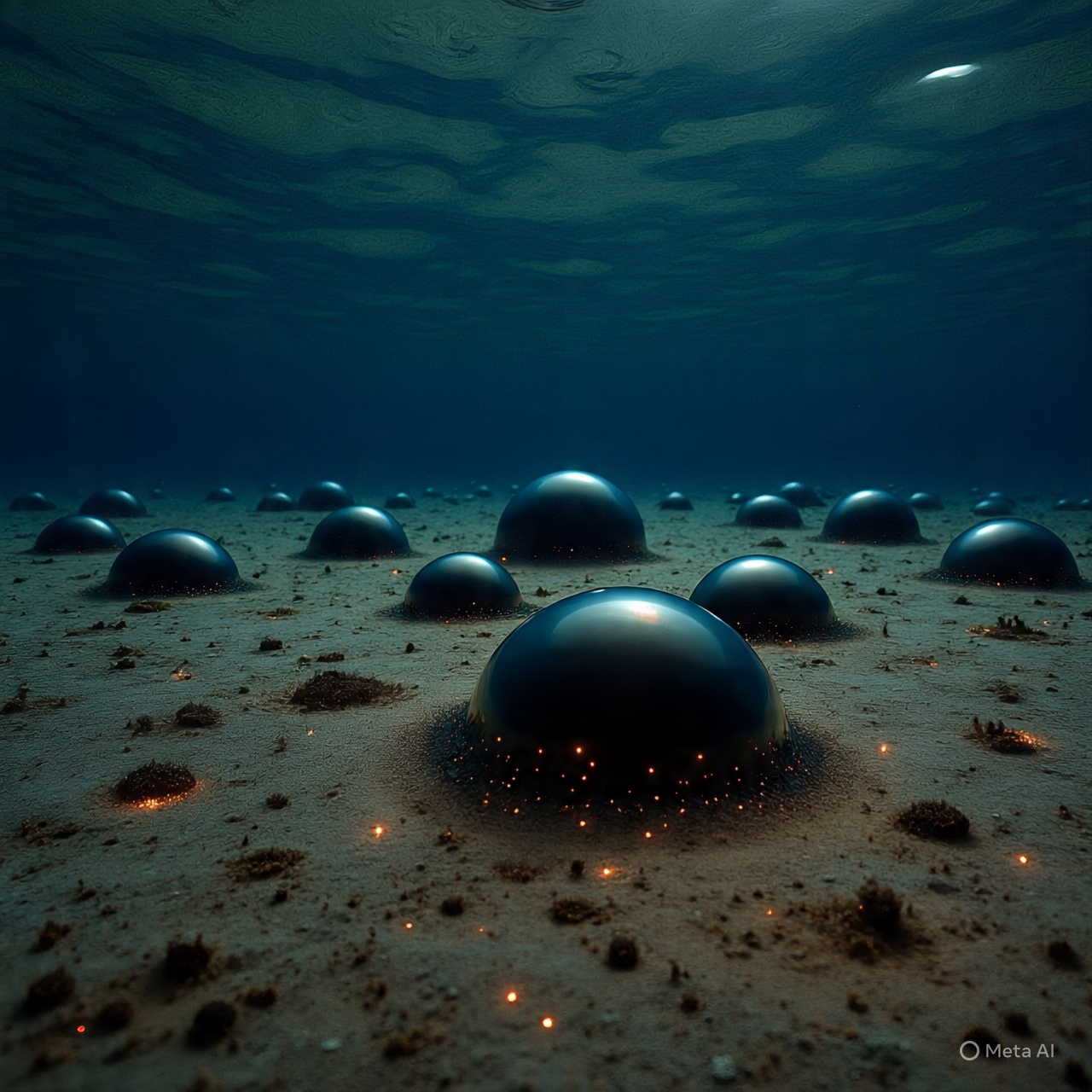
Discover the mysterious 'dark oxygen' produced in deep-sea ecosystems, its implications for marine life, and the impact of deep-sea mining on these hidden worlds.

New research suggests that administering cancer therapy in the morning may enhance treatment effectiveness and improve patient survival rates.
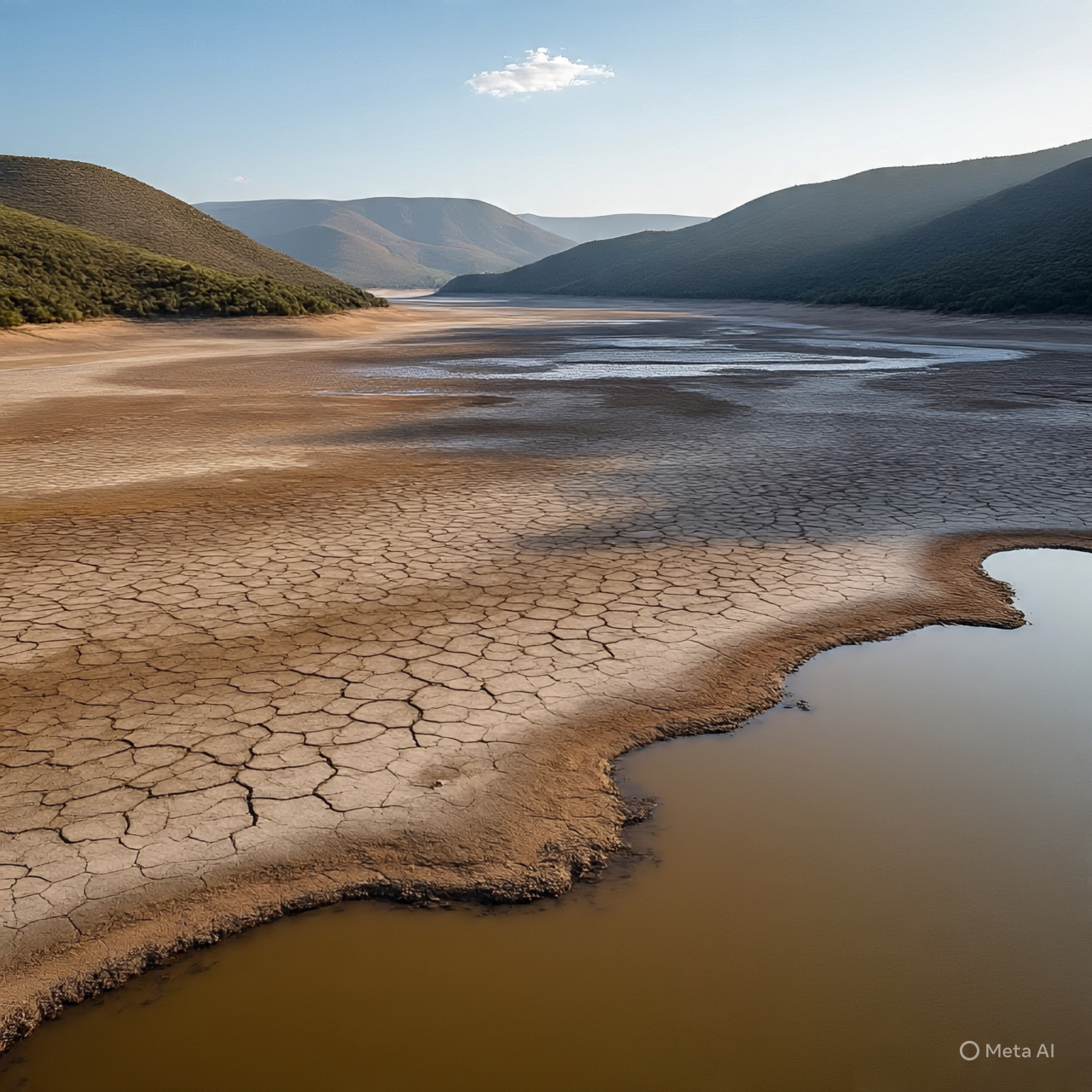
As lakes in the Rift Valley dry up, they trigger earthquakes and reveal the Earth's tectonic dynamics. Explore the profound impacts of this phenomenon.
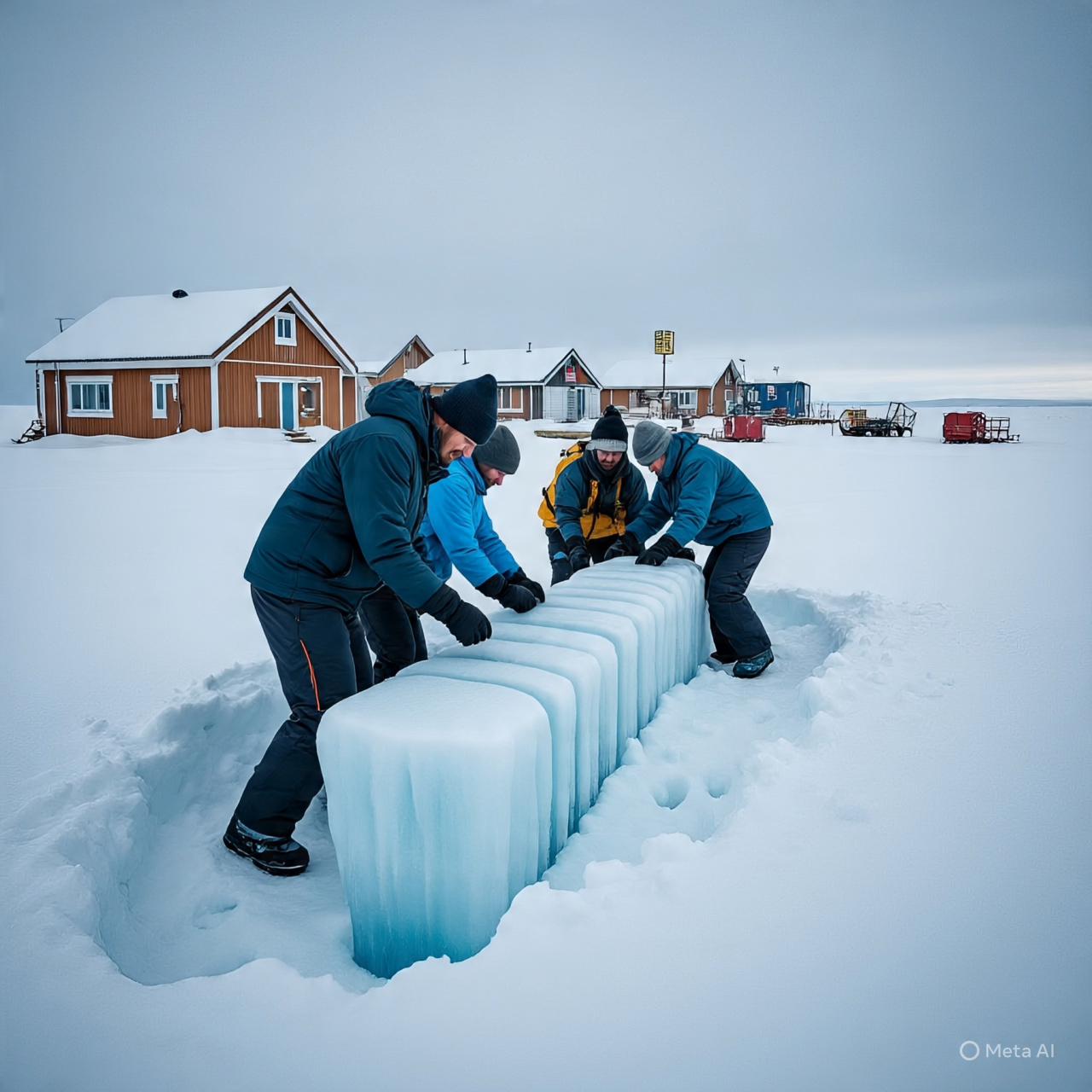
Discover how Antarctic ice cores reveal critical insights into climate change and help predict future ice fractures, impacting global sea levels.
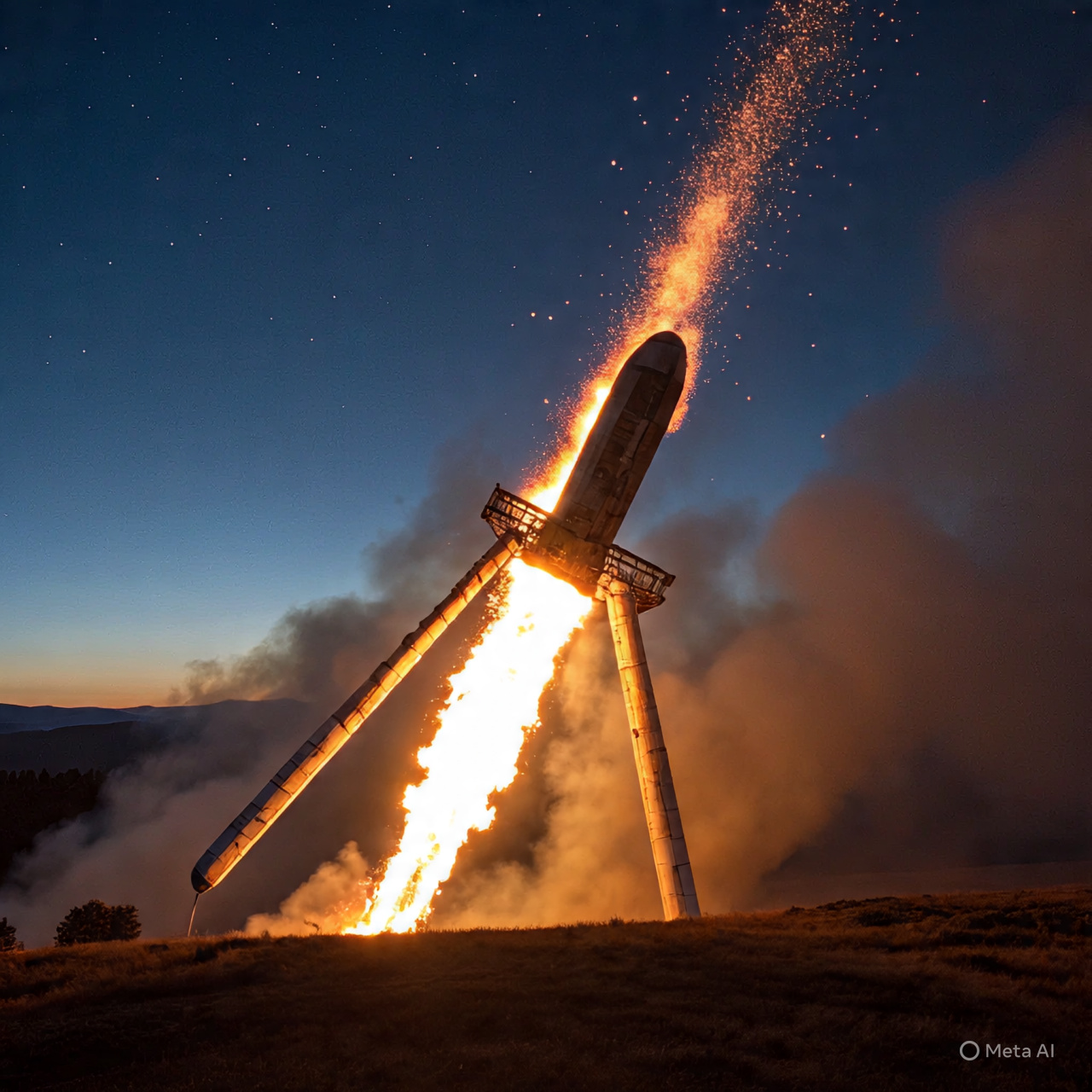
Explore the implications of space debris and its chemical residues on Earth's environment, highlighting the balance between technological advancement and ecological responsibility.
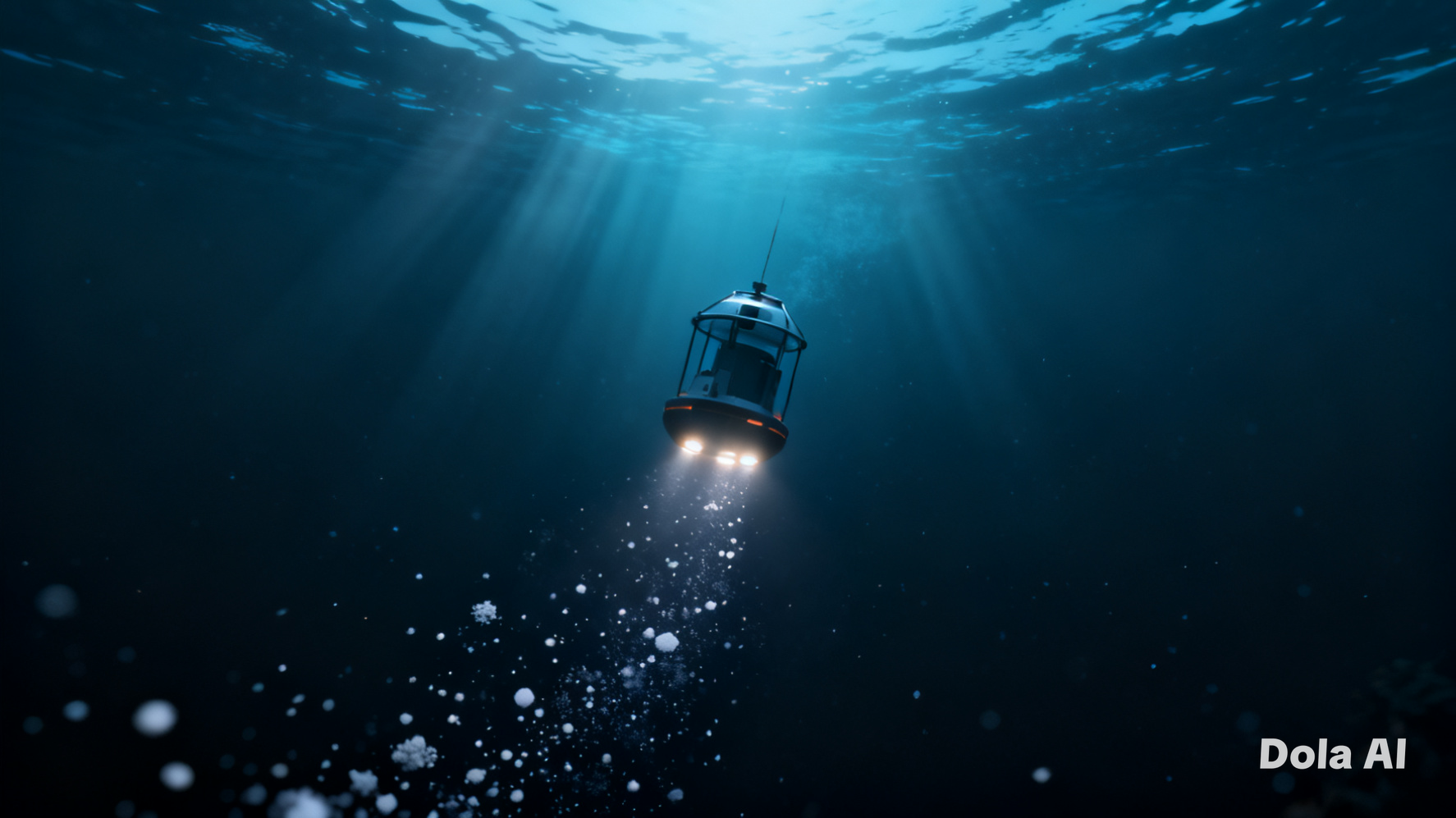
France deploys autonomous floats to explore ocean depths, gathering crucial data on climate change and ocean behavior for global environmental strategies.

NASA's Space Launch System encounters delays due to hydrogen leaks during rehearsal, pushing Artemis II's launch window to March 2026.

The Sun unleashed 27 solar flares recently, including a powerful X-class flare, reminding us of its cosmic influence and potential effects on Earth.

Witnesses across New Zealand reported a stunning bright green fireball streaking through the night sky, sparking curiosity about its origin.
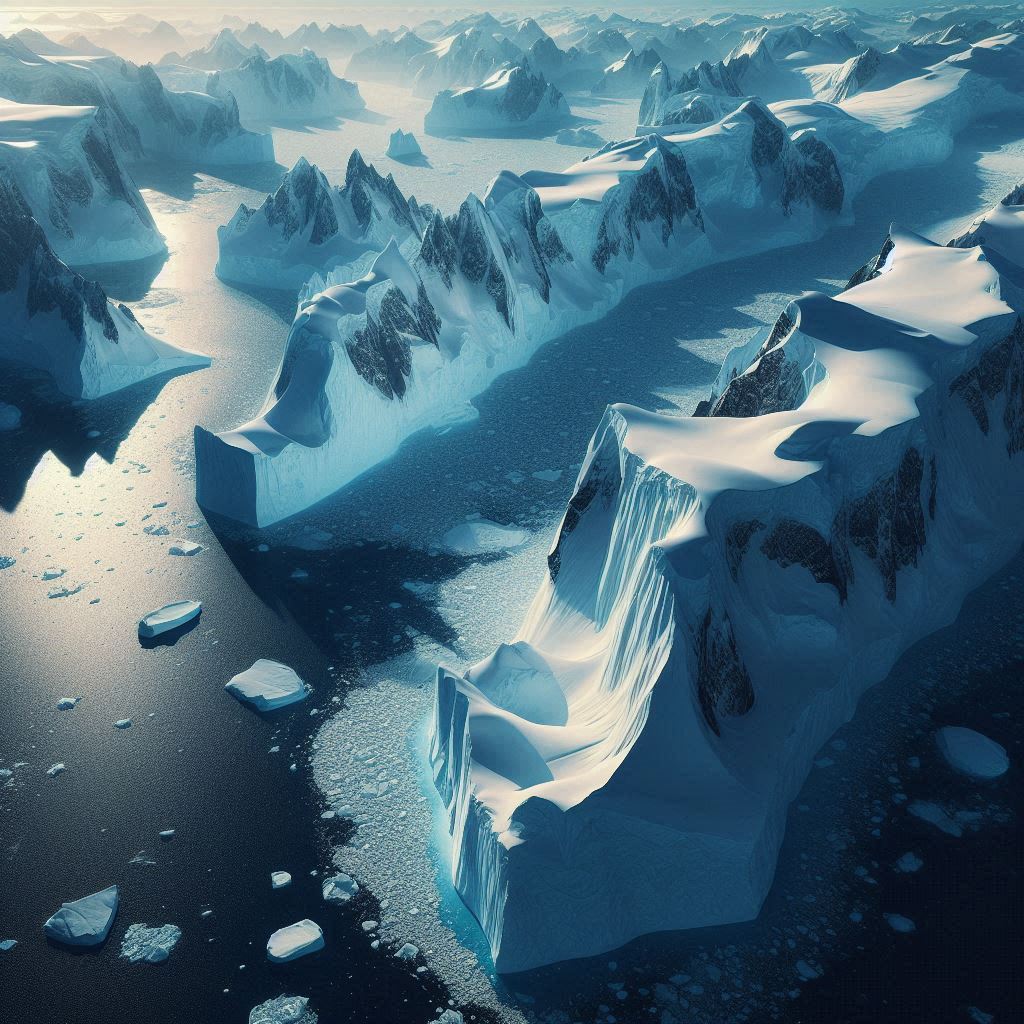
New research reveals how the retreat of Antarctic ice affects ocean carbon absorption, highlighting unexpected climate feedback mechanisms beneath the ice.
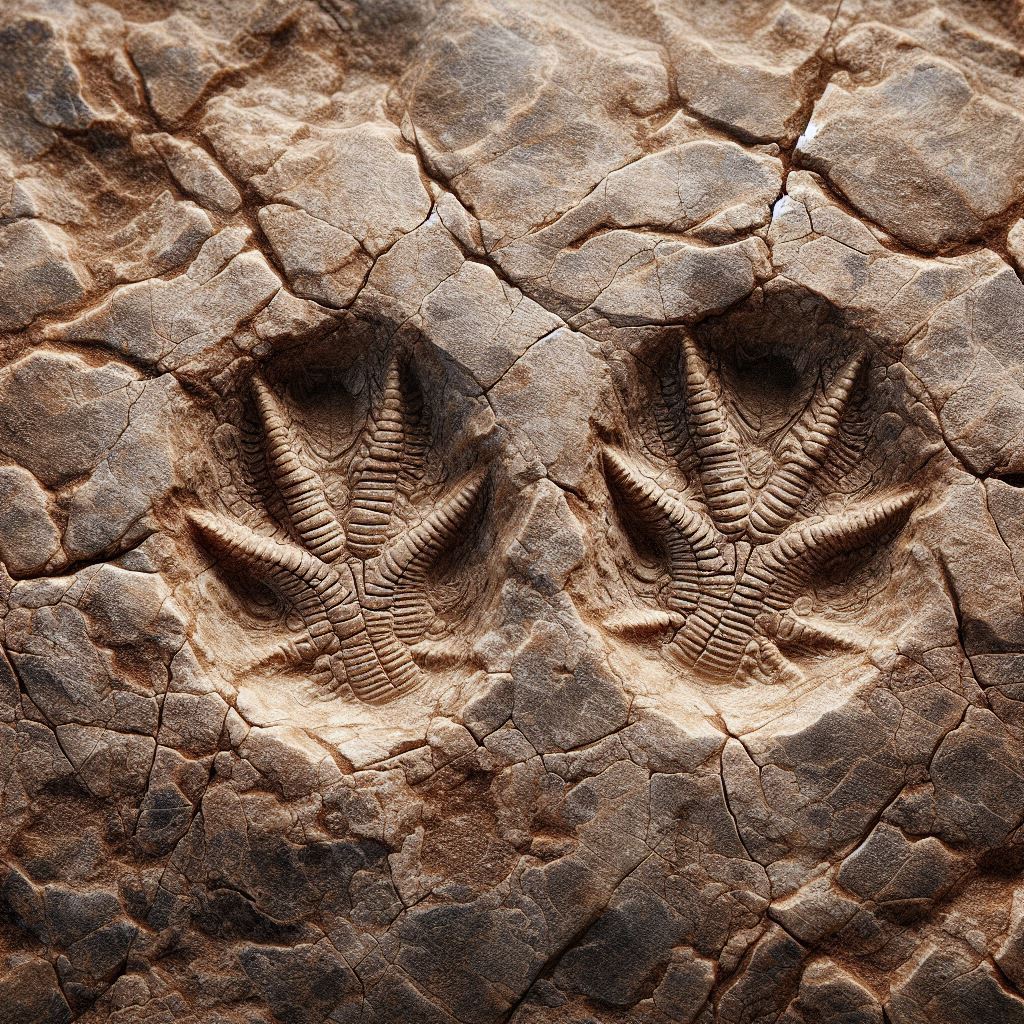
Scientists uncover Asia's earliest amphibian footprints in Beijing, revealing insights into Middle Jurassic ecosystems and ancient life forms.

On February 5, students in Pennsylvania will connect with NASA astronaut Chris Williams aboard the ISS for a live Q&A session about space exploration.
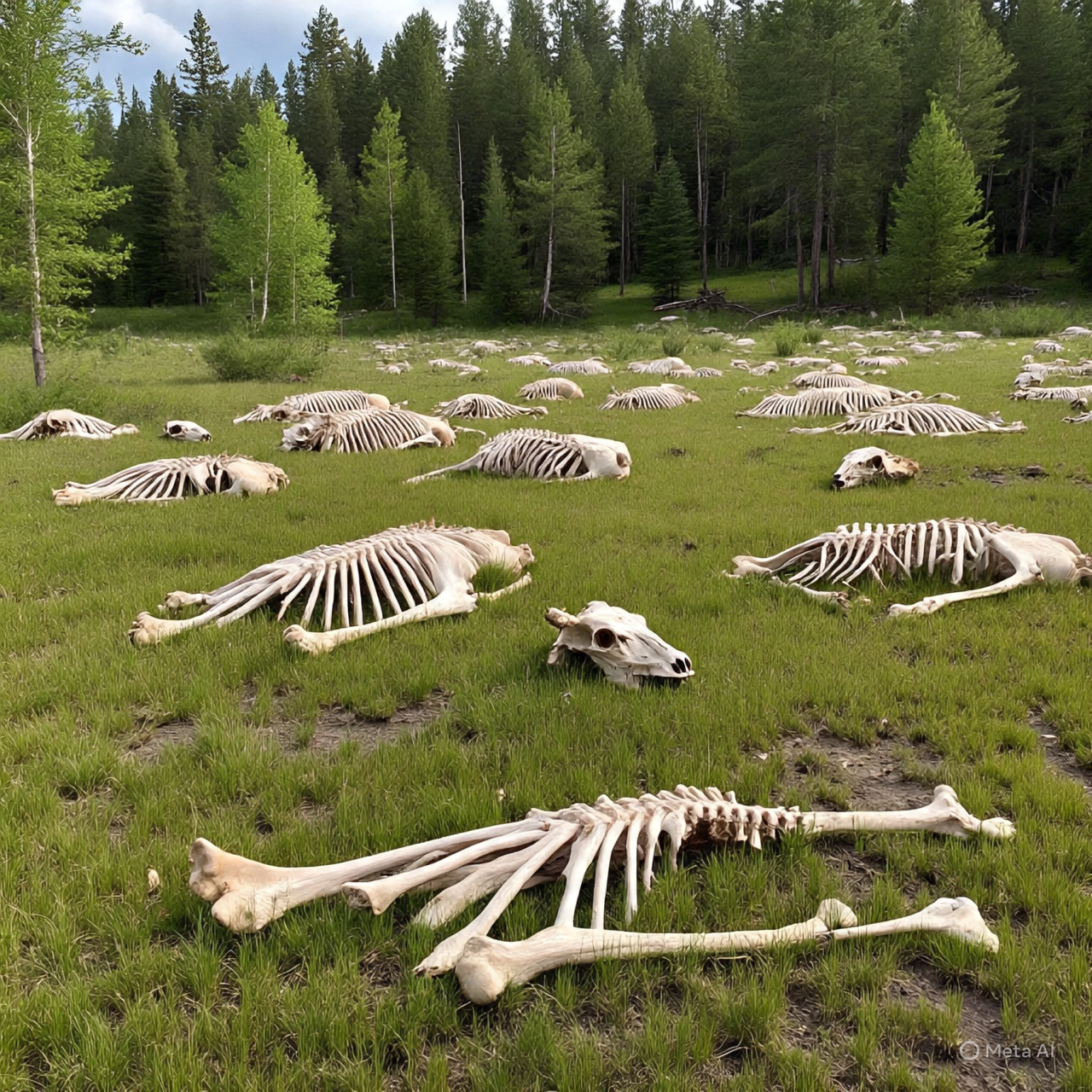
Discover Yellowstone's hidden animal boneyard, where elk and other wildlife accumulate bones, revealing the harsh realities of nature's cycle of life and death.
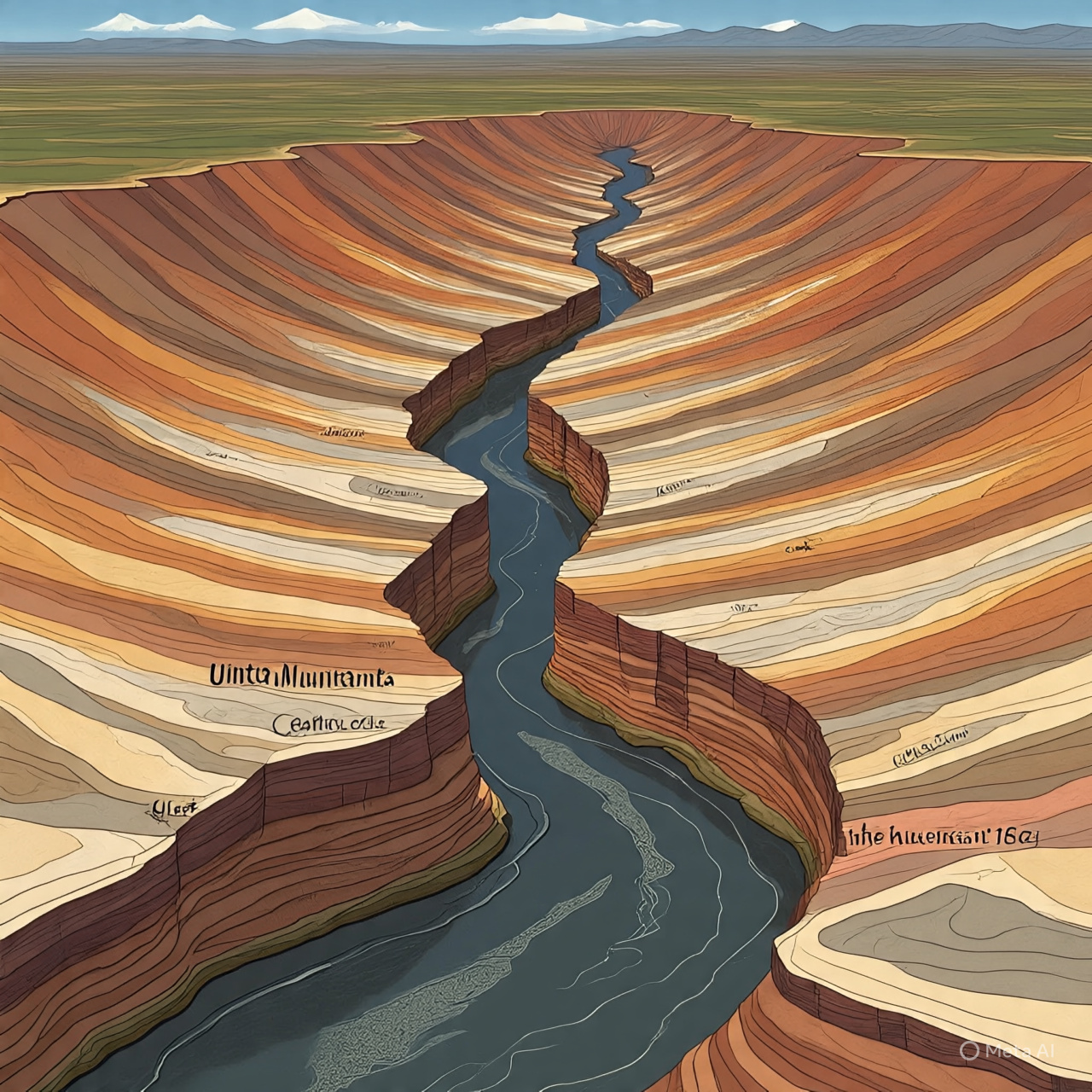
Discover how geologists explain the Green River's unusual 'uphill' flow through the Uinta Mountains, revealing insights into ancient geological processes.

NASA's Artemis II prepares for its lunar mission with a crucial wet dress rehearsal, testing systems and procedures ahead of the crewed launch.

A groundbreaking study analyzes genetic factors influencing depression risk across diverse populations, uncovering new insights for personalized treatment.

This article examines the ethical implications of genetic selection technologies for children, highlighting risks of inequality and societal pressure.

Columbia University researchers develop a metasurface technique that could scale quantum computers to over 100,000 qubits, enhancing computational capabilities.