Solar Fury and Silent Signals: Radio Blackouts Follow Sun’s Powerful Flare
The Sun unleashed the second-strongest flare of 2025, triggering radio blackouts across Africa and highlighting vulnerabilities in communication systems to space weather.

The Sun unleashed the second-strongest flare of 2025, triggering radio blackouts across Africa and highlighting vulnerabilities in communication systems to space weather.

Researchers recovered and sequenced 39,000-year-old RNA from a Siberian woolly mammoth named Yuka, revealing active genes linked to muscle function and stress — offering a rare, dynamic glimpse into the animal’s biology moments before death.

Chinese astronauts returned safely from the Tiangong space station after a precautionary delay caused by nearby space debris, highlighting the risks of orbital travel.

Germany detected wild poliovirus type 1 in wastewater in Hamburg, marking Europe’s first wild-polio environmental finding since 2010; no human cases reported and risk assessed as very low.

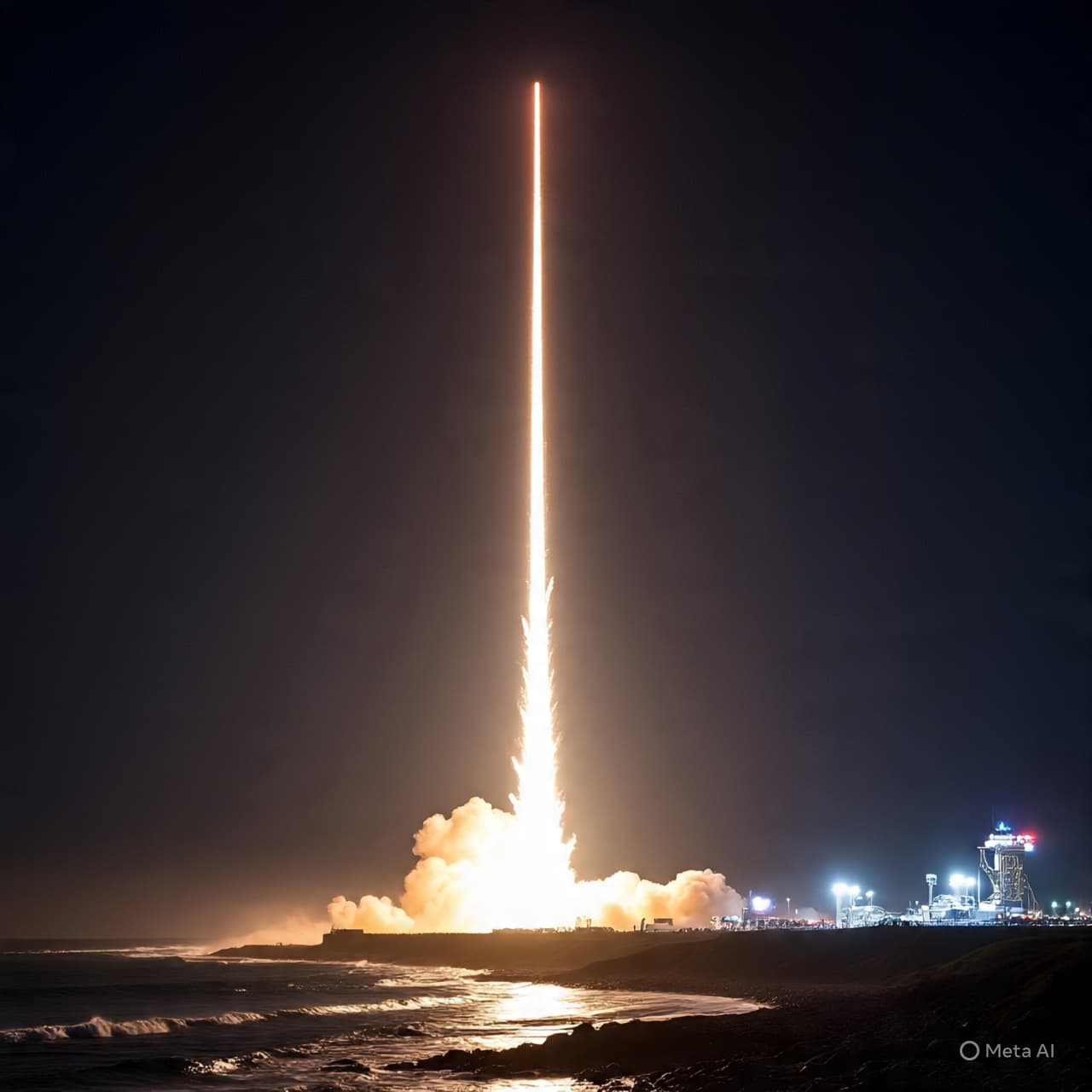
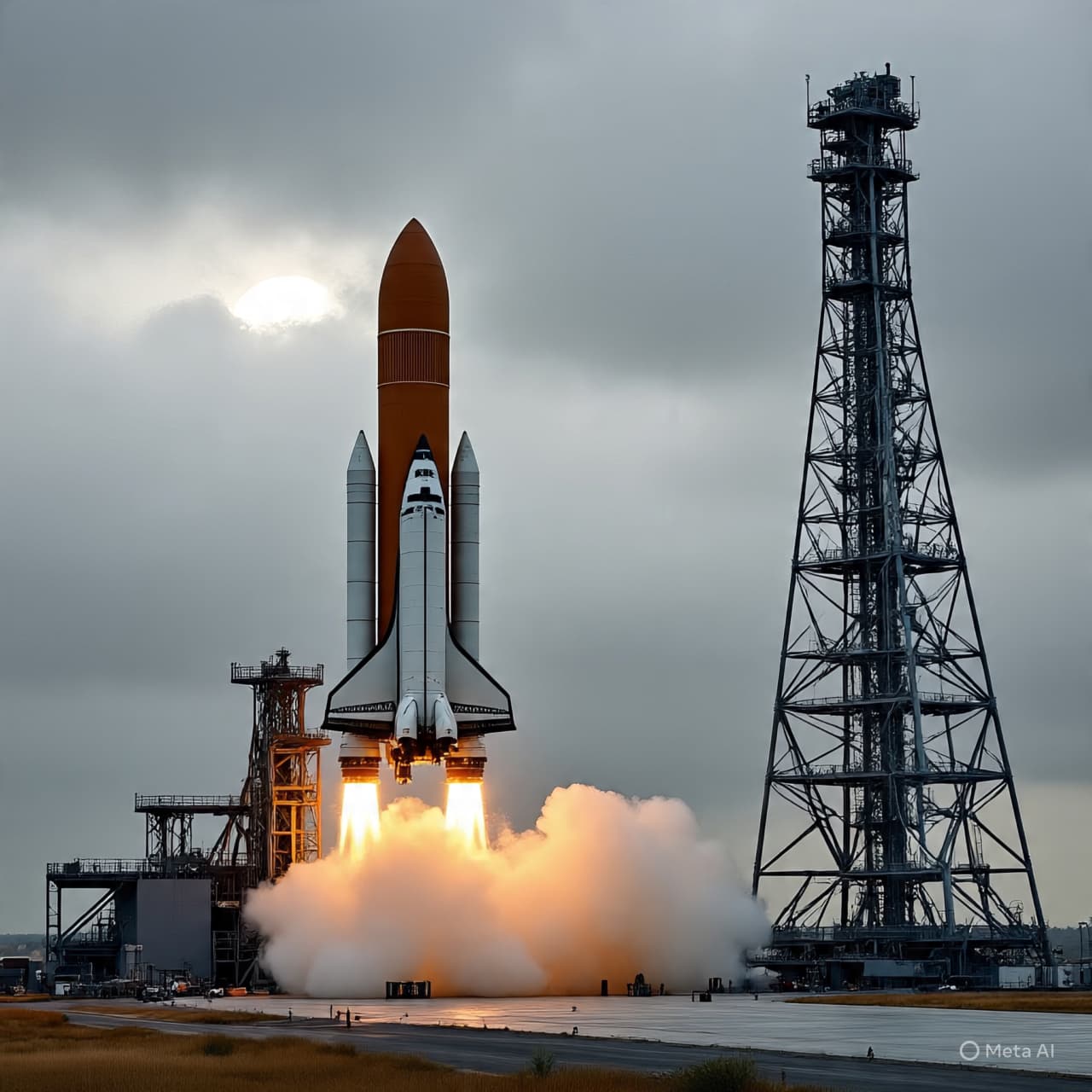
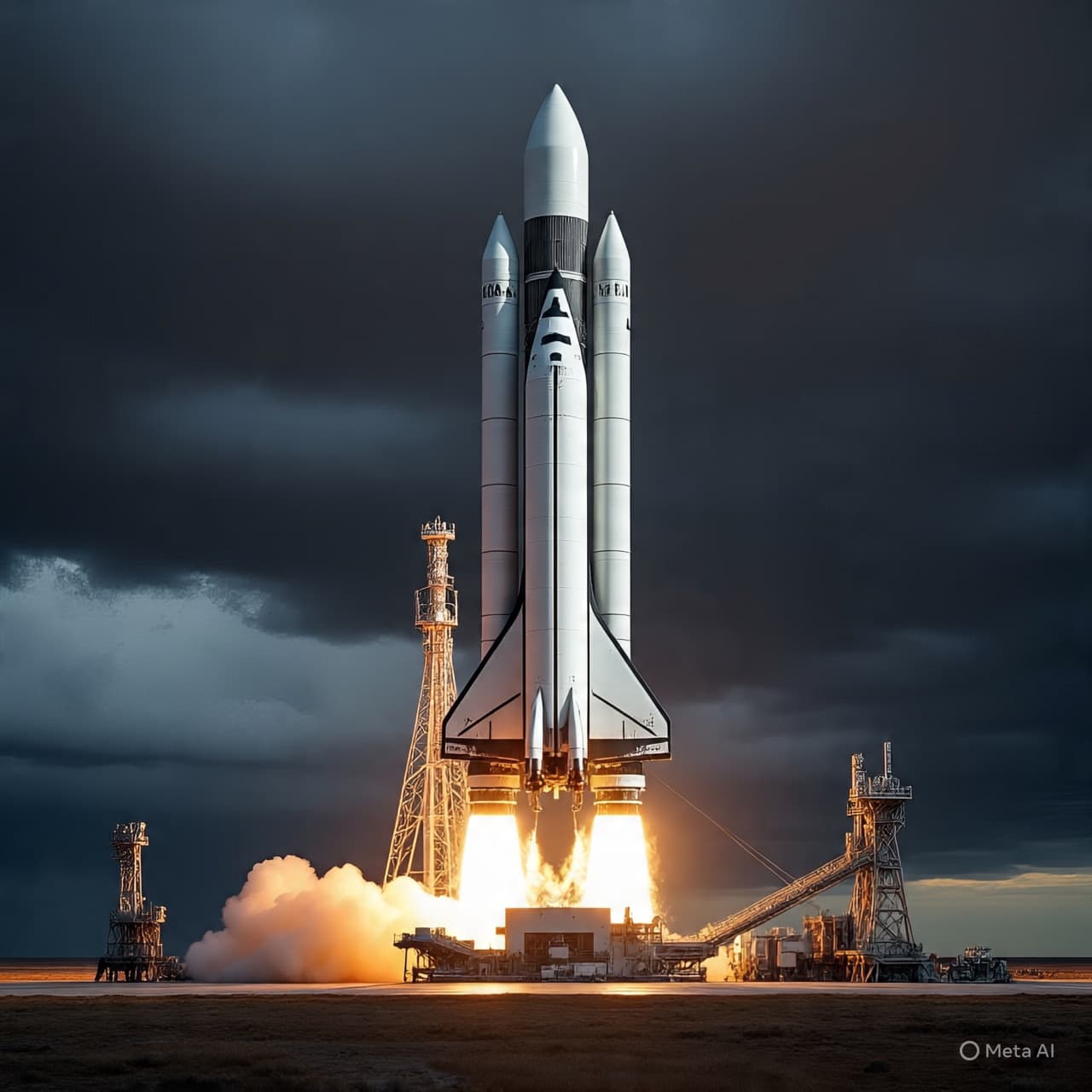
An intense solar storm forced Blue Origin to delay the New Glenn rocket’s launch carrying NASA’s Mars-bound ESCAPADE probes, reminding us that even in our spacefaring ambition the sun’s rhythms hold sway.

New research shows that humans can detect objects buried in granular materials without direct contact—achieving about 70 % accuracy by sensing tiny mechanical cues. This “remote-touch” ability challenges conventional boundaries of touch.

Astronomers using data from TESS and Gaia found that the Pleiades star cluster may be roughly 20 times larger than previously estimated, uncovering thousands of scattered sibling stars across the sky.

Astronomers have detected the first-ever coronal mass ejection from a star beyond our Sun. The colossal burst, ejected from a red dwarf 130 light-years away, could strip exoplanet atmospheres and challenge assumptions about where life can thrive in the cosmos.

A rescued otter melts hearts online after a video shows him being wrapped like a burrito post-bath—a comforting ritual that mirrors natural grooming and care.

Inside a cave, 111,000 spiders formed the largest known web — so vast scientists compare its scale to a whale — a reminder that nature still invents architectures beyond imagination.

Experts say Drax is burning wood from 250-year-old Canadian trees, raising questions about the real carbon cost of biomass marketed as renewable.

Blue Origin postponed the launch of its second New Glenn rocket carrying NASA’s twin Mars-bound ESCAPADE probes due to weather; the next attempt is now set for November 12.

Microbial lipids found in deep-sea blue volcanic mud at pH ~12 near the Mariana Trench suggest life survives in extreme alkaline volcanic environments — offering clues to early Earth and possibly beyond.

TRON cements its academic dominance with workshops at Columbia & Harvard, expanding its elite university network. This strategic move cultivates future Web3 talent & embeds its protocol at the core of top-tier innovation hubs, building a legacy beyond the market.

Canada commits to its own orbital launch capability while India deploys its heaviest communication satellite—two different trajectories converging toward the same sky.

A rare interstellar comet, 3I/ATLAS, is returning to the predawn sky. Here’s when and how sky‐watchers can try to catch it, and what makes it so unusual.

NASA finds heat signatures under Enceladus’ ice, suggesting its hidden ocean might host the chemistry that makes life possible.

MIT scientists observe unconventional superconductivity in magic-angle graphene, suggesting new ways to engineer quantum behavior by geometry, not brute force.

Sharper black hole imaging could soon test gravity itself, using extreme cosmic edges as the most precise laboratory in the universe.

Rare footage shows remoras literally surfing whales — using slipstreams as free propulsion, revealing a clever bioeconomy hidden in plain saltwater.

Blue Origin’s second New Glenn launch will carry NASA’s twin ESCAPADE spacecraft toward Mars — a mission visible from parts of the U.S. Southeast, weather permitting.

NASA’s upcoming Mars mission will use a winding gravity-assist route to save fuel and enable deeper science — proving modern exploration is about smart paths, not straight ones.

Central Florida residents saw a fireball flash across the night sky — likely a meteor or space debris — creating a brief shared moment of cosmic surprise.

Thermal leakage on Saturn’s moon Enceladus strengthens the case that its subsurface ocean could be chemically active — and potentially habitable.