A Giant Redefined in the Quiet of Space
NASA’s Juno finds Jupiter’s equatorial and polar diameters slightly smaller than earlier estimates, refining our view of the gas giant’s true dimensions.

NASA’s Juno finds Jupiter’s equatorial and polar diameters slightly smaller than earlier estimates, refining our view of the gas giant’s true dimensions.

NASA’s Artemis moon rocket still experiences liquid hydrogen leaks despite years of fixes because the fuel’s tiny molecules and cryogenic conditions make perfect seals difficult in real launch environments.

NASA’s Artemis II mission — the first crewed lunar flight in over 50 years — was poised for February 2026 but now targets March due to test challenges, underscoring a careful focus on crew safety.

Asteroid 2024 YR4 has a small (~4 %) chance of hitting the Moon in 2032; scientists monitor potential debris that could reach Earth orbit and offer rare research insights.

The February 17, 2026 annular solar eclipse forms a “ring of fire” visible mainly in Antarctica; partial views are possible in southern regions, but Indonesia cannot see it.

The Moon drifts away about 3.5–3.8 cm/year, subtly slowing Earth’s rotation and affecting tides over long timescales, but it doesn’t directly change current weather patterns.

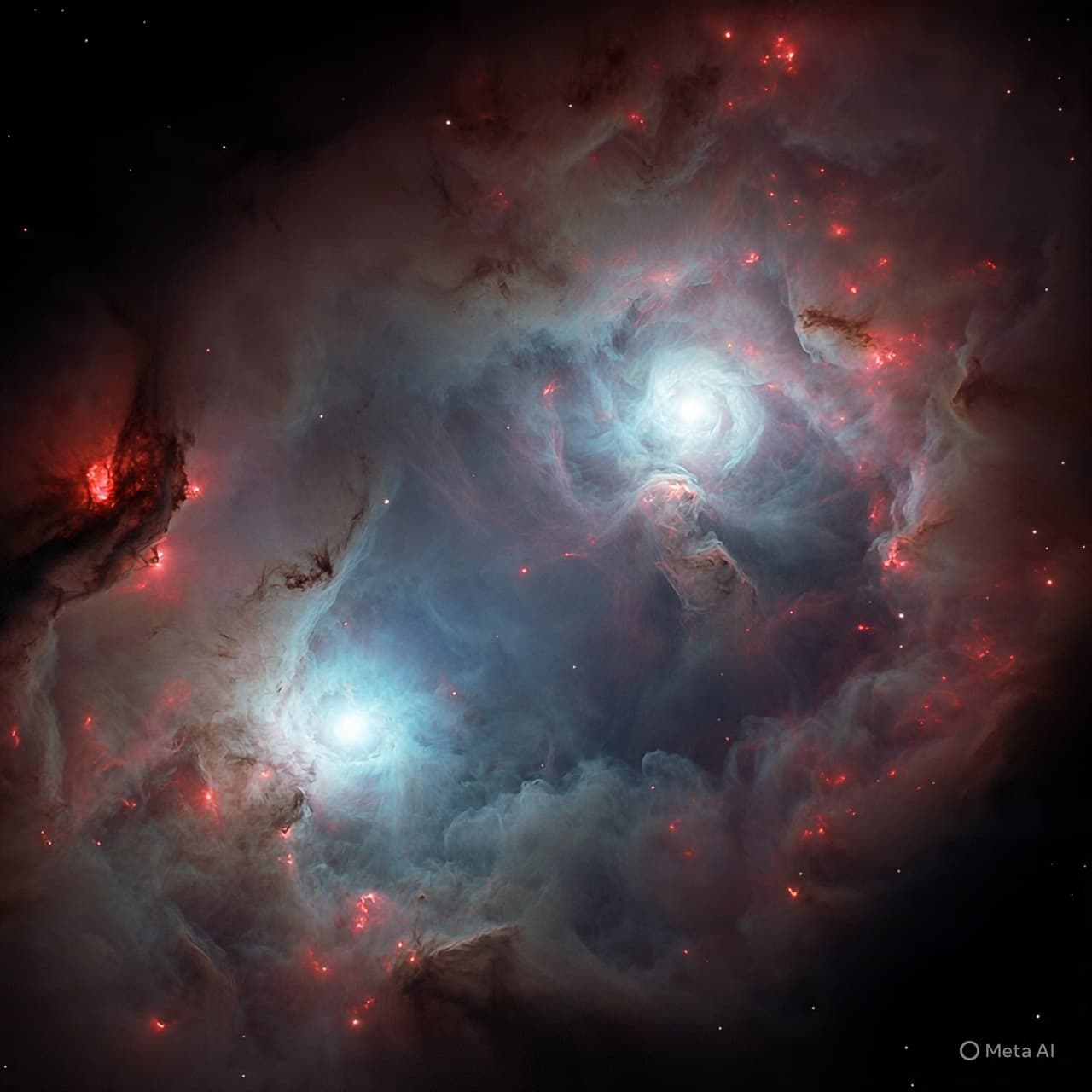
Astronomers have found an ancient galaxy cluster from about 1 billion years after the Big Bang, revealing early cosmic structure growth and prompting refinements in our understanding of universe evolution

Scientists found abiotic sugar enantiomers in the Orgueil meteorite, suggesting key life-related molecules formed in space before reaching early Earth.

NASA paused Artemis II’s fueling test due to persistent hydrogen leaks, delaying the anticipated February launch to at least March while teams investigate and plan another rehearsal.

Astronomers completed the largest study of runaway stars, using precise motion data to reveal how stars are ejected and what their paths tell us about the Milky Way.

Fossils show that giant pythons once lived in Taiwan during warmer prehistoric periods, reflecting how climate shaped ancient ecosystems on the island.

New simulations suggest a nuclear detonation near an asteroid could safely deflect it without fragmentation, offering a potential last-resort option for planetary defense.

A new dinosaur track site on South Africa’s coast, the youngest yet found, captures footprints of species in motion, offering rare insight into their behavior and ecosystems.

Archaeopteryx had a toothed, unusual mouth but fed like modern birds, showing how early birds blended ancestral traits with behaviors conserved across millions of years.

A 1958 fossil discovered by a teen is now recognized as Australia’s oldest dinosaur, revealing new insights into the continent’s deep prehistoric past.

A tiny new herbivorous dinosaur discovered in Spain offers insight into ancient ecosystems, evolution, and the delicate lives of plant-eating dinosaurs millions of years ago.

UF Astraeus faculty help shape the national science strategy for human Mars exploration, combining research, foresight, and planning to prepare for humanity’s next frontier.

Scientific research suggests a meaningful life emerges from purpose, connection, curiosity, and reflection—practices that nurture resilience, fulfillment, and long-term wellbeing.

Scientists discover “dark oxygen” produced by microbes and minerals in deep-sea mining zones, revealing hidden ecosystems thriving without sunlight.

Treating cancer before 3 p.m. may improve survival by aligning therapy with the body’s natural circadian rhythms, enhancing treatment effectiveness and patient resilience.

As rift lakes dry, the Earth adjusts to the loss of weight, triggering earthquakes and potentially awakening volcanic activity in tectonically sensitive regions.

Scientists test Antarctic ice cores to understand ice strength and predict where and when major cracks may form, improving knowledge of ice shelf stability.

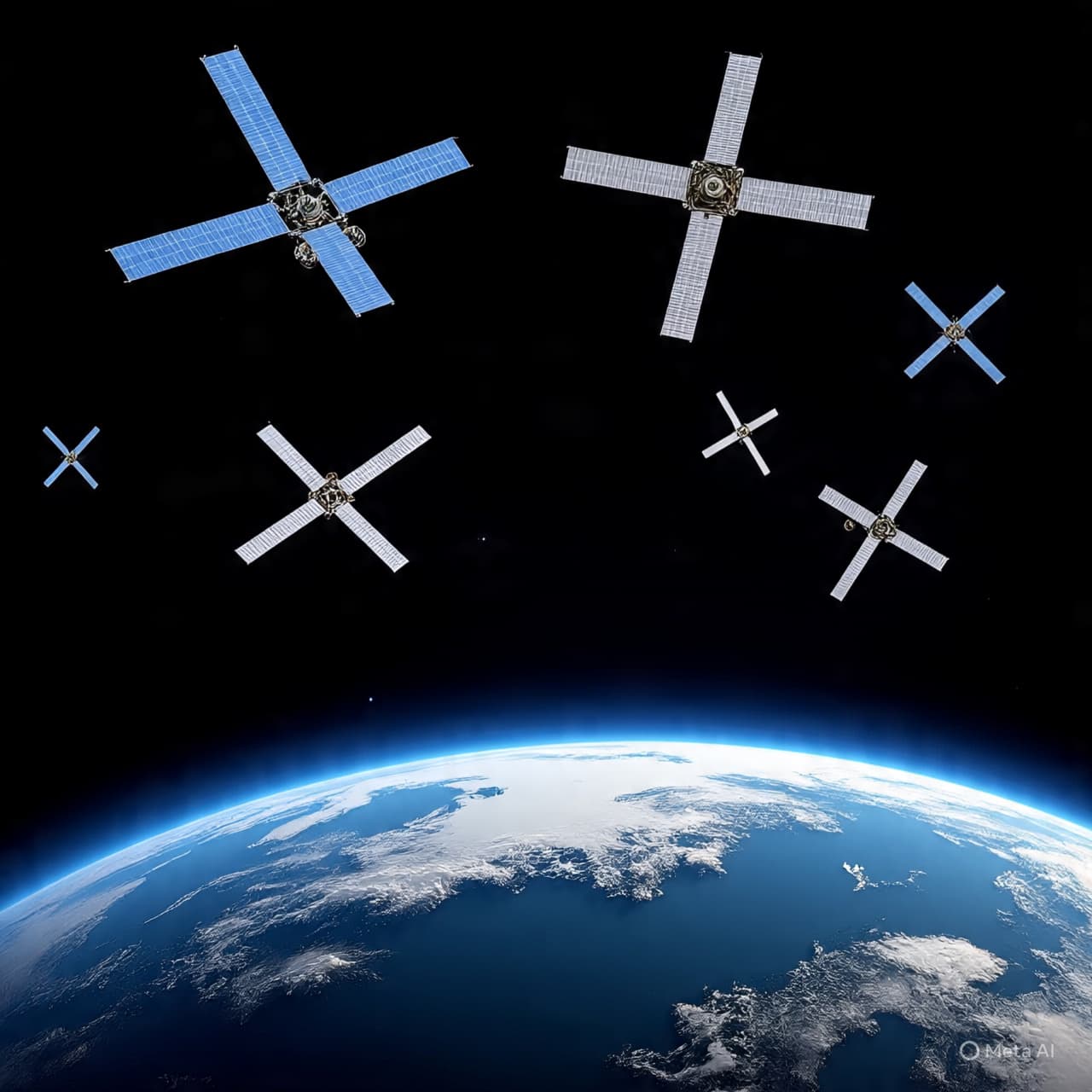
Dead satellites carry chemicals, but atmospheric burn-up and oceans minimize risks; the true concern lies in orbital debris, not surface contamination.

NASA’s Artemis II moon launch is delayed to March after hydrogen fuel leaks appeared again during a key prelaunch test, echoing challenges that first surfaced in Artemis I.