In the quiet hush that falls over the Southern Ocean as a long Antarctic day slips toward dusk, scientists once imagined a hidden silver lining to the soaring pace of ice melt: a microscopic feast of iron washing out with glacial waters, feeding the tiniest of sea creatures and gently tugging carbon out of the air. In that notion — of iron stirring the ocean to grow life and capture climate‑warming gas — there was a poetic symmetry to melting ice and healing waters, a tiny whisper of hope against the vast challenge of Earth’s warming.
For years, the idea of natural iron fertilization — that micronutrients bound in ice would pour into the surface ocean as Antarctica shed its frozen mass — captured the imagination of researchers studying the Southern Ocean’s cosmopolitan productivity. Phytoplankton, those microscopic plants at the base of the marine food web, thrive on iron; blooms of these organisms can sequester heat‑trapping carbon dioxide as they grow and sink. In that dance between wind, sea and sun, a climate benefit seemed to be emerging, one born of melt itself.
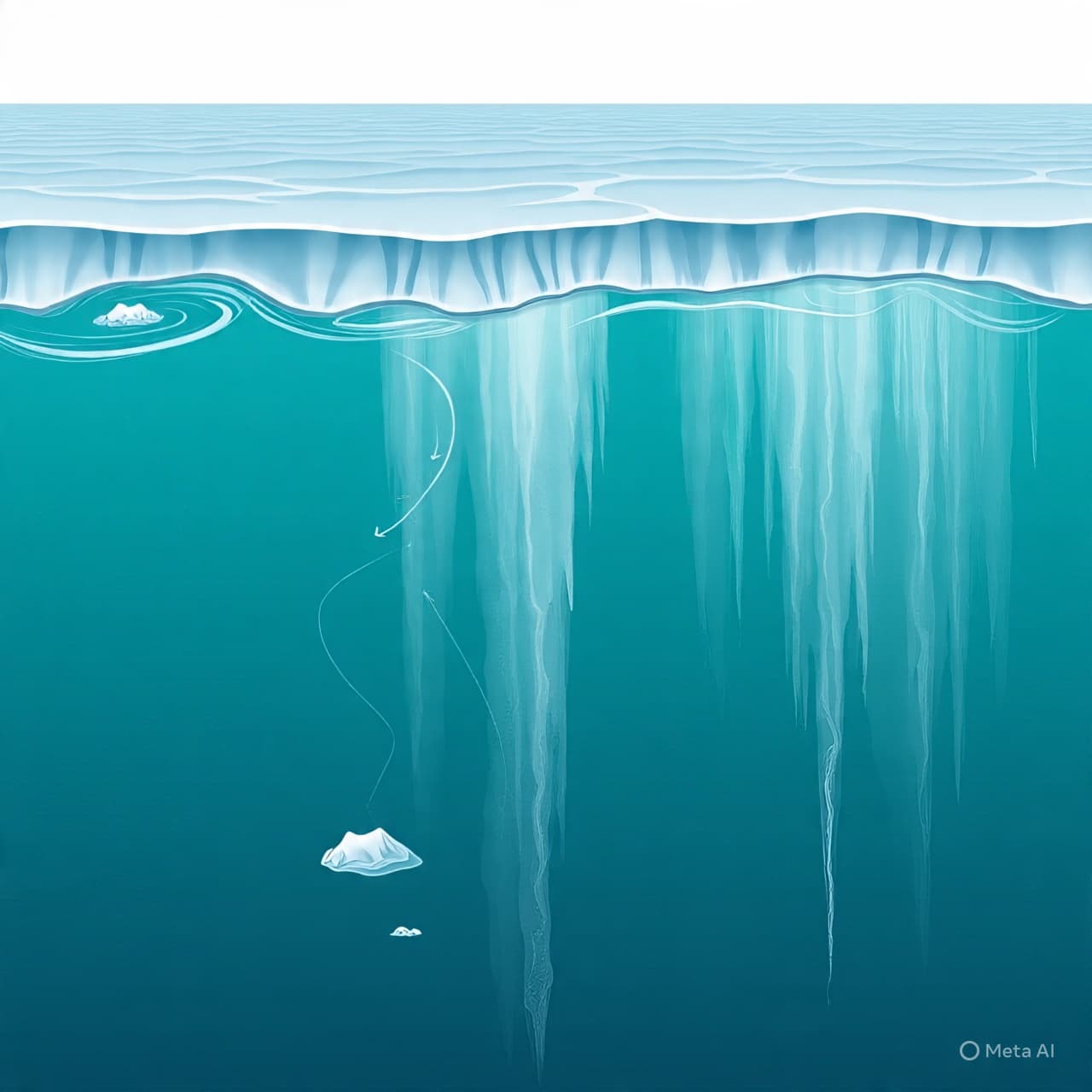
But the ocean, with its slow tides and deep undercurrents, whispers a more complex story. Recent field studies, drawing on detailed measurements of meltwater chemistry near the Dotson Ice Shelf in West Antarctica, have upended the cherished assumption that a warming continent delivers abundant bioavailable iron to surface waters. Instead, researchers have found that only a small fraction of the dissolved iron emerging from beneath the ice shelves actually comes from glacial meltwater itself — roughly one‑tenth of what flows from the ice. The vast majority originates from deeper ocean currents and sediments stirred up along the continental shelf, not from the melting ice masses that punctuate headlines about sea‑level rise and warming seas.
This revelation shifts the frame through which scientists view the Southern Ocean’s response to climate change. Meltwater does not ferry a bounty of iron as once hoped; rather, it acts more like a gentle current nudging deeper, iron‑rich waters upward, mixing nutrients that already exist below into surface waters. In that quiet mixing, iron fosters life — but not in anything like the climate‑buffering abundance once suggested. The elegant notion that ice melt might seed thriving algal blooms and measurably draw down atmospheric carbon now feels like a hypothesis bending to observation, not the other way around.
The complexity reflects the broader paradox of the Southern Ocean and its iron story. Phytoplankton productivity remains one of the largest natural sinks for atmospheric carbon — a testament to life’s resilience in sun‑flecked waters heaving beneath frigid winds. But pinpointing exactly what controls that productivity — from dust blown by winds to upwelling of deep currents and the subtle glacial underflows that mingle at the ice’s edge — remains a challenge. Meltwater, it seems, is better at stirring existing nutrient stocks than at creating them outright.
This evolving understanding does not diminish the importance of Antarctic research; rather, it sharpens its focus. Models of future climate change and ocean productivity must now account for a more nuanced interplay of iron sources — deep ocean currents, glacial cavities, shelf sediments and the physical circulation that binds them together. The Southern Ocean’s role as a climate actor remains vital, but the idea of meltwater as a natural iron fertiliser strong enough to slow warming faces serious scientific reevaluation.
In scientific terms, researchers from Rutgers University and partner institutions report that measurements of iron concentrations beneath the Dotson Ice Shelf show meltwater contributes only about 10 percent of dissolved iron entering surrounding Southern Ocean waters, with most supplied by deep water currents and sediments on the continental shelf. These findings challenge the notion that ice melt itself provides a major source of bioavailable iron in the region, and suggest revisions are needed in climate models to better understand nutrient supply and carbon‑sequestration pathways in Antarctic waters.
AI Image Disclaimer
Visuals are AI‑generated and serve as conceptual representations.
Sources (Media Names Only)
Rutgers University Phys.org Euronews
Published by Banx Network. This article is part of the Banx decentralized media programme, powered by the BXE token on the XRP Ledger.