In the vastness where great planets circle and the Sun’s warmth begins to fade into the silent reaches beyond, a small, fleeting visitor traced its course — born not of our own star but of distant light, drifting through a solar system it would not long call home. This traveler, known as 3I/ATLAS, has been observed by telescopes and spacecraft alike, a delicate whisper of ice and dust moving through the emptiness with a quiet dignity that belies its extraordinary origin. In the deep, unspoken expanse between worlds, it reminds us of the immense scale of time and motion that governs the cosmos.
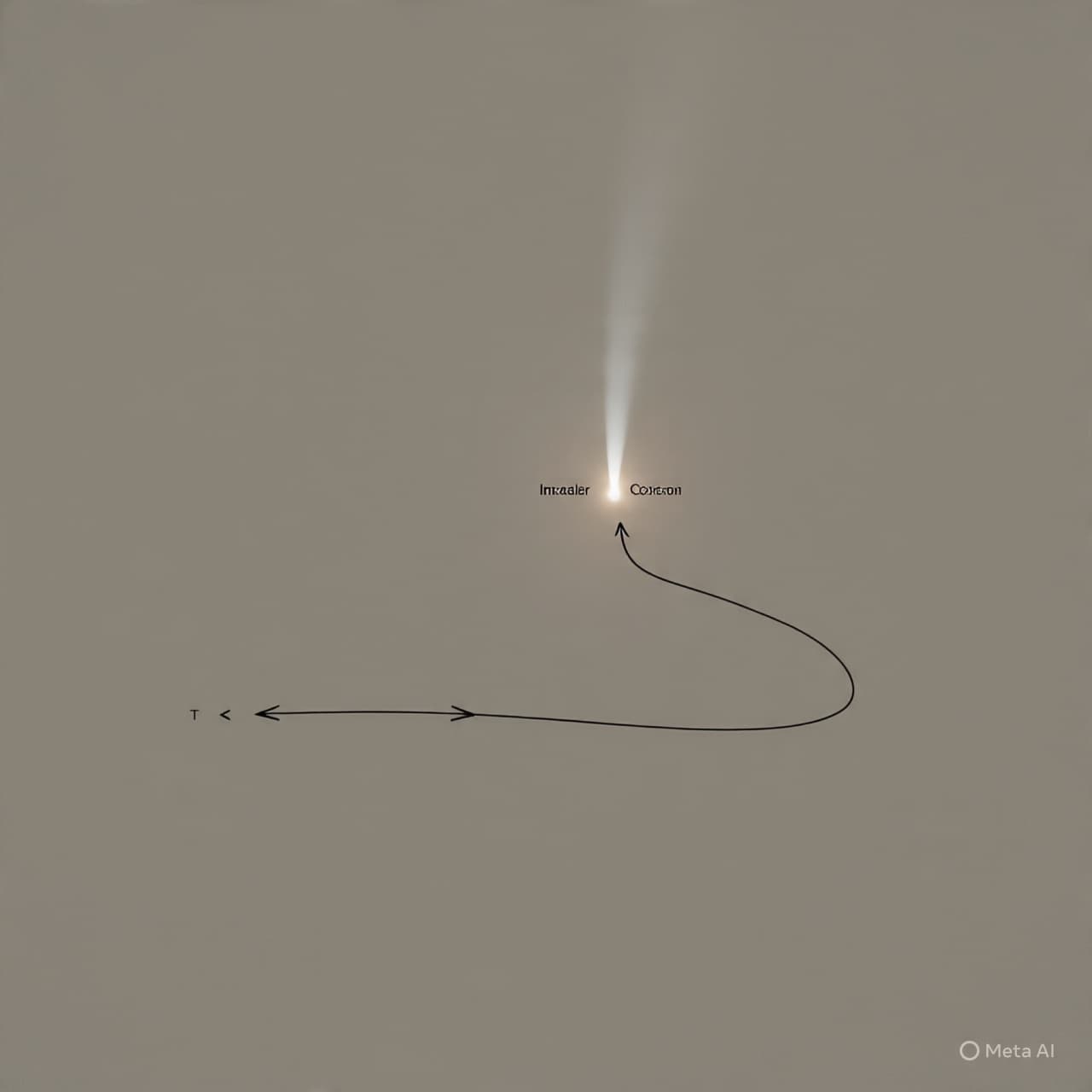
The European Space Agency’s JUpiter ICy moons Explorer (JUICE), on its long journey toward the giant planet’s embrace, turned its gaze toward this interstellar comet as it receded from the Sun. In early November 2025, just days after the comet’s closest approach to our star, JUICE’s scientific instruments captured a series of images that now reach Earth after months of travel, carrying with them new impressions of this cosmic wayfarer. The comet’s tiny nucleus, too small to be resolved on its own, is surrounded by a luminous halo of gas and dust — a glowing coma that hints at ancient ices sublimating into space under the Sun’s fading heat. From that luminous shroud stretches a long tail, a spectral trace that speaks of particles carried away by solar winds and the geometry of light and motion itself.
Those images are not simply pictures; they are the intersection of craft and curiosity, a meeting of human ingenuity and cosmic chance. Though JUICE was built for a different purpose — to explore the icy moons that circle Jupiter — its glance upon 3I/ATLAS captures a moment in a tale much larger than any single mission. Across the years, other spacecraft and observatories have watched this interstellar visitor from different angles, recording its passage as it bridged the gap between stars. The comet itself will continue outward, receding into the darkness from whence it came, yet its path through our neighborhood leaves a record that scientists and dreamers alike can trace. Scholars now sift through the data from JUICE’s instruments, pondering jets and streams, filaments of matter and the nature of the materials that compose this ancient traveler.
In watching 3I/ATLAS, the world glimpses not just a comet but a fragment of a distant past. Interstellar objects are rare by their very nature — visitors from beyond our solar system that offer tangible clues to environments shaped by other suns and other histories. Each observation, each careful measurement, enriches our understanding of how stars and planets form across the galaxy, and how small bodies like comets preserve the memory of those distant origins. The comet’s curved tail and the glow of its gas remind us that even in motion’s slow retreat from warmth, there is beauty, complexity, and a quiet eloquence that speaks across the void.
In straight scientific terms, the European Space Agency’s JUICE mission captured 120 images of the interstellar comet 3I/ATLAS on November 6, 2025, from a distance of about 66 million km, shortly after the object’s closest approach to the Sun. These images — showing a bright coma of gas and dust and an extended tail — were transmitted to Earth after a period when the spacecraft’s antenna configuration delayed data reception. Scientists are now analyzing both the imagery and additional data from JUICE’s suite of instruments to learn more about the comet’s composition and behavior as it travels back toward interstellar space.
AI Image Disclaimer
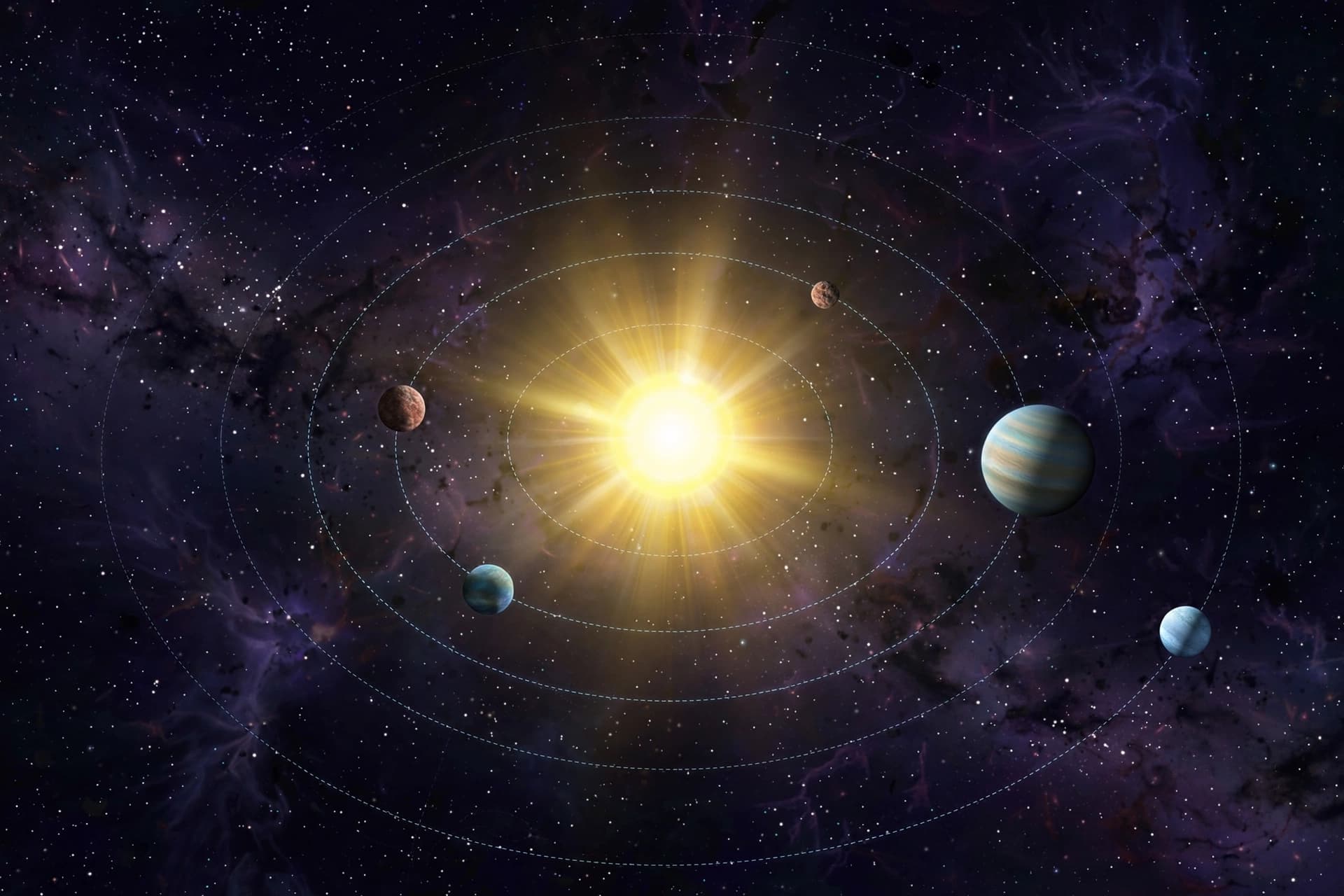
Visuals are AI-generated and serve as conceptual representations.
Sources (Media Names Only)
European Space Agency Gizmodo BBC Sky at Night Magazine
Published by Banx Network. This article is part of the Banx decentralized media programme, powered by the BXE token on the XRP Ledger.