The Intact Marvel That Defies Impact Expectations
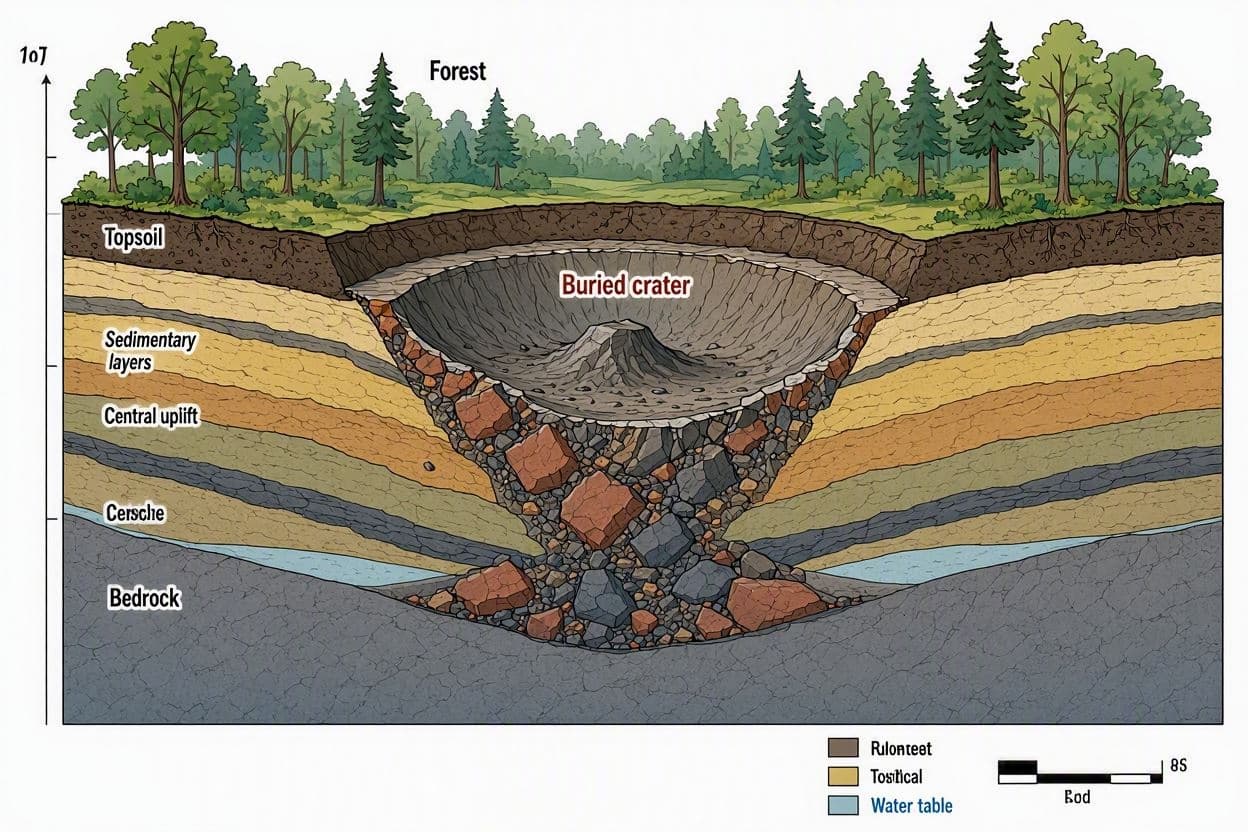
The Hoba meteorite, the largest intact meteorite on Earth, landed in Namibia without creating a crater, likely due to a shallow entry angle and atmospheric slowing.

The Hoba meteorite, the largest intact meteorite on Earth, landed in Namibia without creating a crater, likely due to a shallow entry angle and atmospheric slowing.

Scientists tracking crop pests discovered the invasive spotted lanternfly, an "alien"-looking insect that threatens agriculture by feeding on a wide range of plants and trees.

NASA’s Skylab was saved by an improvised sunshade after a launch mishap, and its 1979 re-entry led to a humorous 400 littering fine from an Australian town.

NASA astronaut Chris Williams and two Russian cosmonauts returned safely to Kazakhstan after 241 days aboard the ISS.

India unveiled its first indigenously built hydrogen train, aiming to expand clean energy use on rail routes in Haryana.

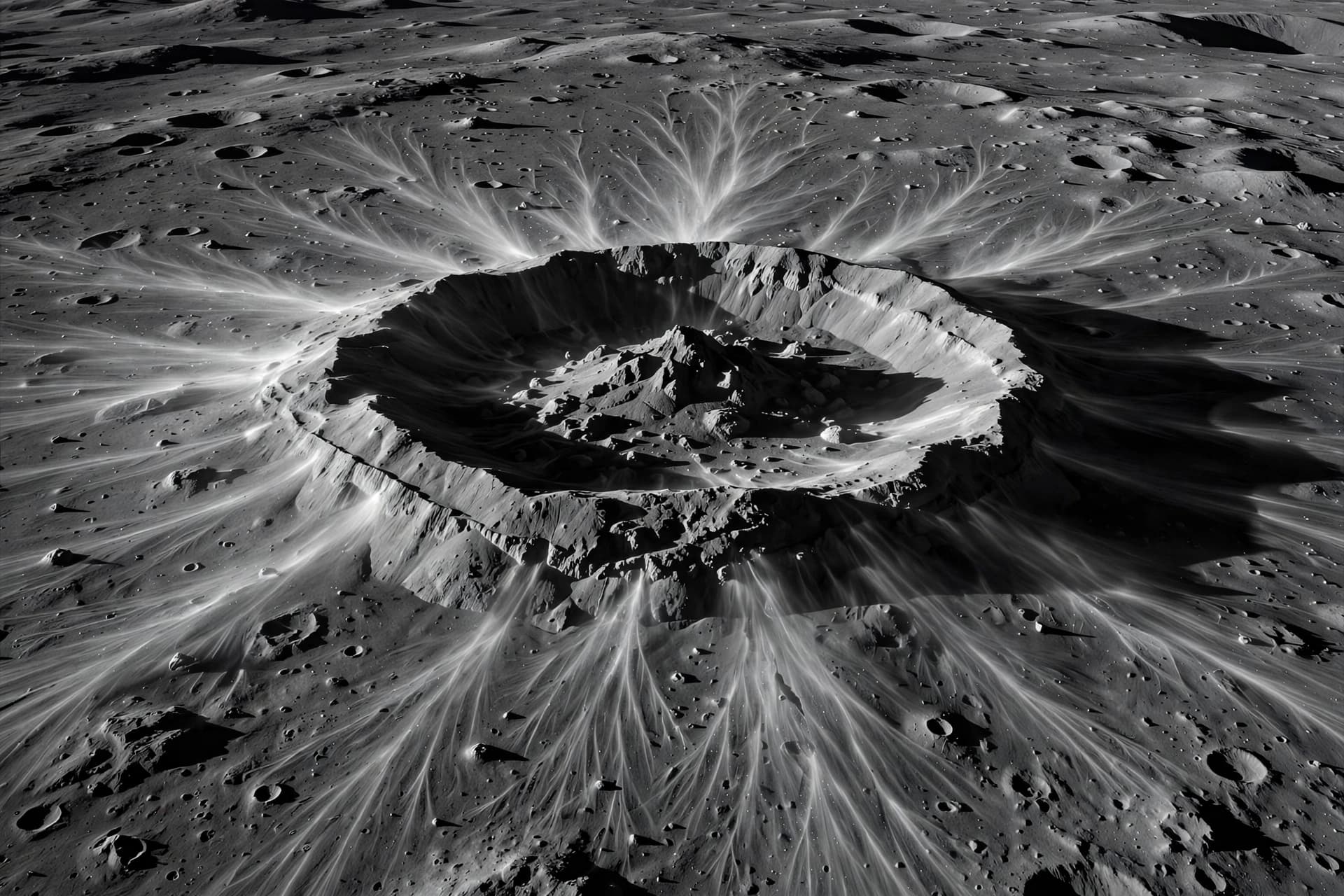
Smithsonian scientists discovered over 1,000 new tectonic ridges on the Moon, proving it is still shrinking and seismically active. This finding impacts future lunar mission planning.

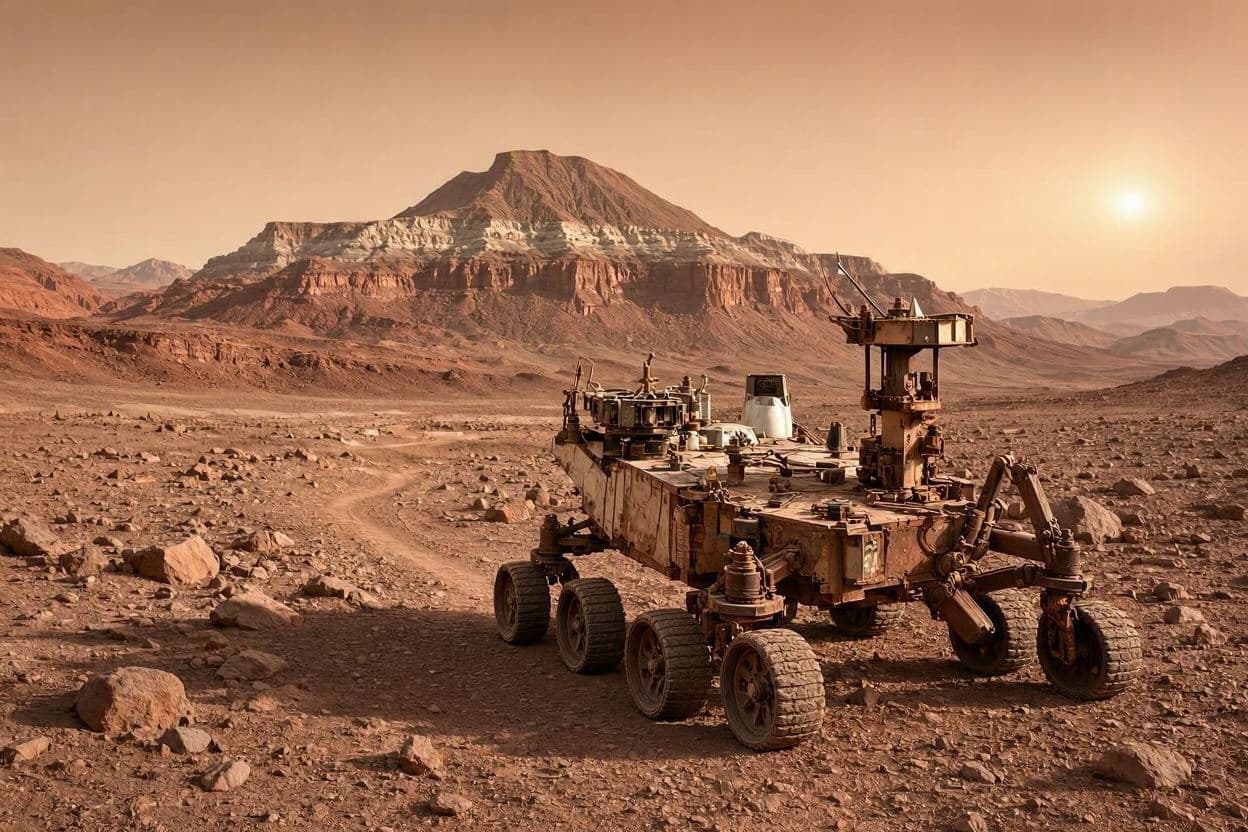
Scientists use Raman spectroscopy and X-ray fluorescence to analyze Martian rocks, revealing details about the planet’s ancient water history and potential habitability.

Scientists discovered massive landslides on Pluto, some large enough to cover a small city. These features suggest ongoing geological activity driven by sublimation and ice dynamics.

Health authorities urge Australians to get vaccinated against RSV as cases surge. Vaccines are funded for pregnant women, older adults, and Indigenous communities to prevent severe illness.

ONERA has selected AMOS to build a new space surveillance telescope for France. The project aims to enhance national autonomy in tracking satellites and debris, supporting space security.

Research shows that dust storms on Mars amplify the impact of solar storms, increasing atmospheric loss. This finding is critical for planning safe human missions to the Red Planet.

Researchers mapped the Great Barrier Reef’s microbiome, discovering 500 previously unknown bacterial species. These microbes play key roles in reef health and resilience against climate change.

NASA’s Juno spacecraft has mapped the thermal emissions of Jupiter’s moon Io, revealing new details about its volcanic activity and internal heat distribution. This data aids future exploration plans.

NASA reclassified near-Earth object 1996 PW as a comet after 30 years. The discovery highlights the need for better detection methods to protect Earth from potential impacts.

NASA’s Roman Space Telescope, launching August 30, will use its wide field of view to detect tidal disruption events where black holes destroy stars. This will enhance our understanding of black hole populations.

Astronomers detected hydrocarbons near a merging quasar pair using the JWST. The finding suggests organic molecules can survive in high-radiation environments, expanding the potential for prebiotic chemistry.

Research suggests ancient ferns in Triassic Europe were highly flammable, leading to frequent wildfires. This vegetation-driven fire cycle shaped the ecosystem and influenced early animal evolution.

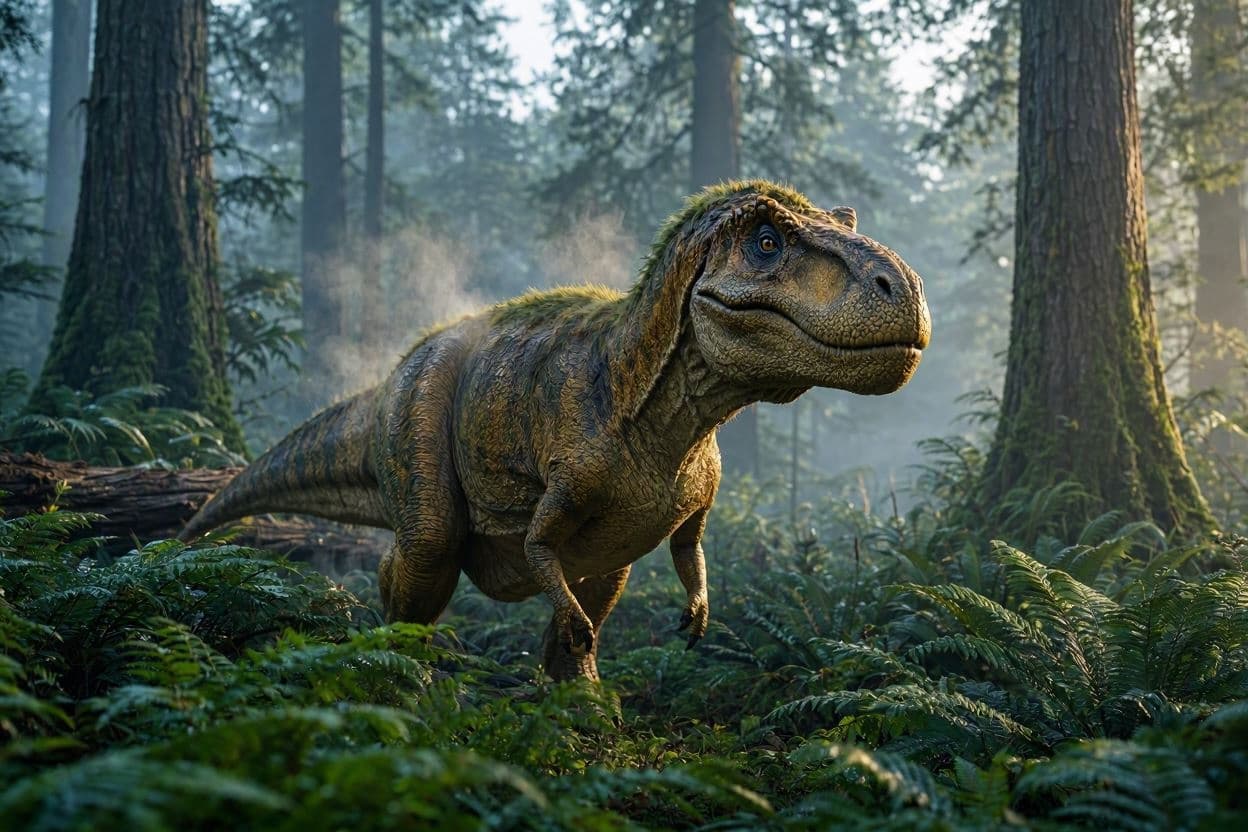
Researchers identified the first-known foot bone of a baby T. rex from a previously misidentified fossil collection. The find offers new insights into the early development of these iconic predators.

Stone tools found in Armenia’s Ararat-1 Cave reveal a dual strategy for survival 50,000 years ago. The findings highlight the adaptability and planning of ancient hunter-gatherers.

NASA’s Psyche spacecraft captured new images of Mars during a gravity-assist flyby. The photos show the planet’s crescent phase and help verify the probe’s trajectory toward asteroid 16 Psyche.

NASA has announced coverage details for the return of astronaut Chris Williams and his crewmates from the International Space Station. The event highlights the logistics and human aspect of space travel.

Wildfires threaten NASA’s Deep Space Communications activities near Robledo de Chavela, where mission communications depend on the Deep Space Network antenna site.

China successfully launched the heavy-lift Gravity-1 Y4 rocket from a maritime platform, precisely deploying nine commercial satellites into orbit to boost its commercial space capabilities.

SpaceX’s Starship is ready for Flight 13, aiming to test reusability and orbital capabilities. The launch marks another step toward affordable space travel and Mars missions.