Little Giant: The Significance of the La Brea Toad
Researchers have identified a new Ice Age toad species from fossils in the La Brea Tar Pits collection, highlighting the site’s rich biodiversity and preservation quality.

Researchers have identified a new Ice Age toad species from fossils in the La Brea Tar Pits collection, highlighting the site’s rich biodiversity and preservation quality.

Stargazers can expect three major celestial events this month: the Perseid meteor shower, a Mars-Jupiter conjunction, and a partial lunar eclipse.

NASA has extended the science mission of Voyager 2, ensuring the historic probe will continue to transmit data from interstellar space after overcoming recent technical challenges.

El Niño-linked drought has sharply lifted salt production in Cirebon, while prolonged dryness creates difficulties for Indonesian crop farmers.

Record low water levels in the Danube River in Bulgaria have exposed a well-preserved Roman-era bridge, offering archaeologists a rare opportunity to study ancient engineering.

Japan has significantly reduced earthquake fatalities through strict building codes, early warning systems, and a strong culture of public preparedness and community solidarity.

Astrobase Space Technologies unveiled an 800 kN full-flow staged combustion LOX-methane engine, targeting reusable medium-lift launches.

A major fire broke out at Roscosmos’ TsNIIMash research institute in Korolyov near Moscow on Wednesday. Emergency crews battled the blaze at the key space facility; the cause is under investigation.

Corals create tiny vortices to enhance oxygen uptake, but rising ocean temperatures disrupt this mechanism, contributing to stress and bleaching in reef ecosystems.

Research shows that wolf packs intimidate both grizzly bears and mountain lions, altering their behavior and hunting patterns through numerical superiority and coordinated strategy.

New research suggests Neptune’s largest moon, Triton, was captured from the Kuiper Belt, causing a catastrophic collision that destroyed original moons and created the current inner satellites.

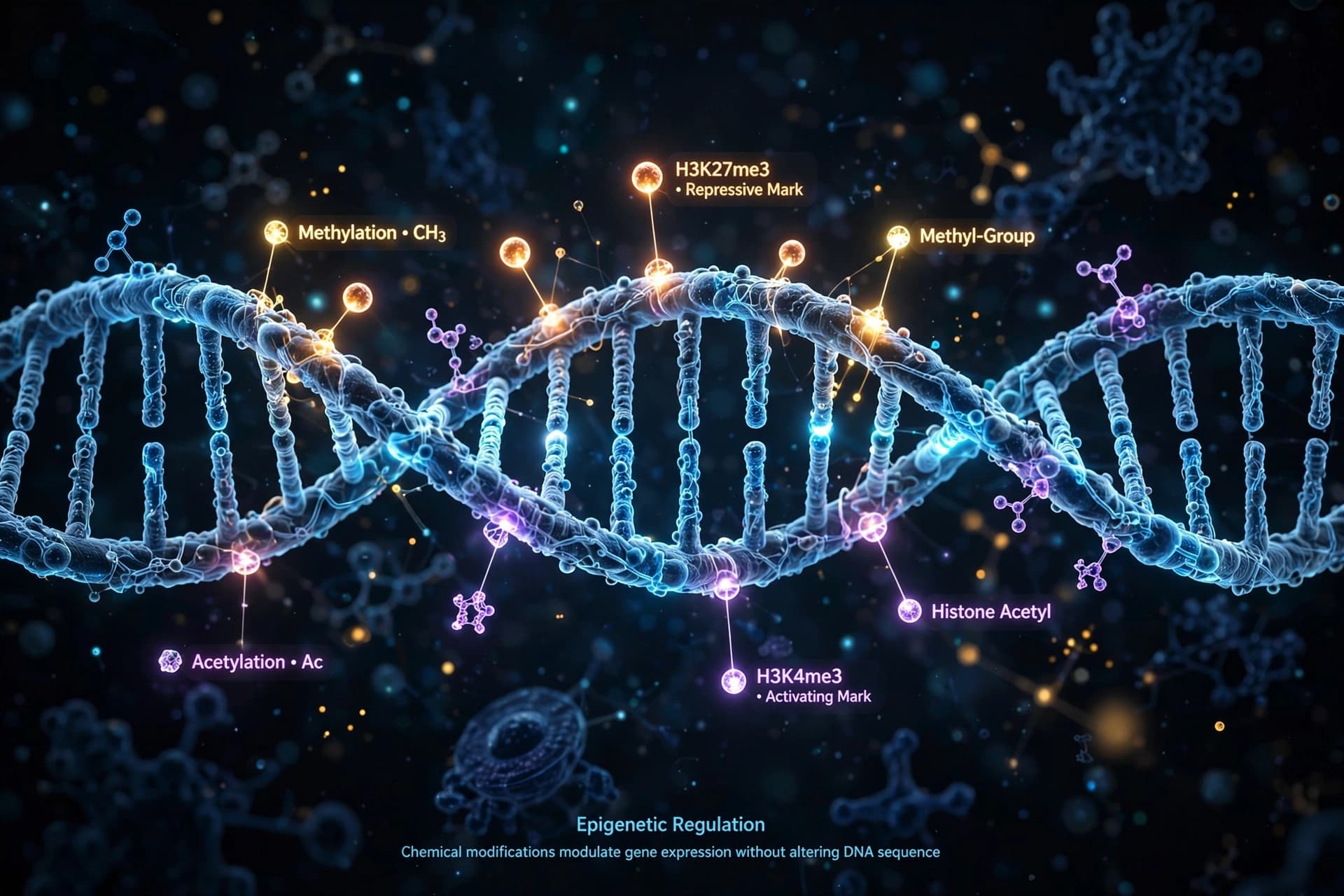
Scientists have used CRISPR to create gene-edited beagles that do not produce the Can f 1 allergen, offering a potential future solution for people with dog allergies.

Martian dust contains toxic perchlorates that pose significant health risks to astronauts, requiring advanced decontamination systems, protective suits, and medical monitoring for future missions.

A new study argues humanity should gradually reduce the global population to about four billion by 2200 to protect ecosystems.

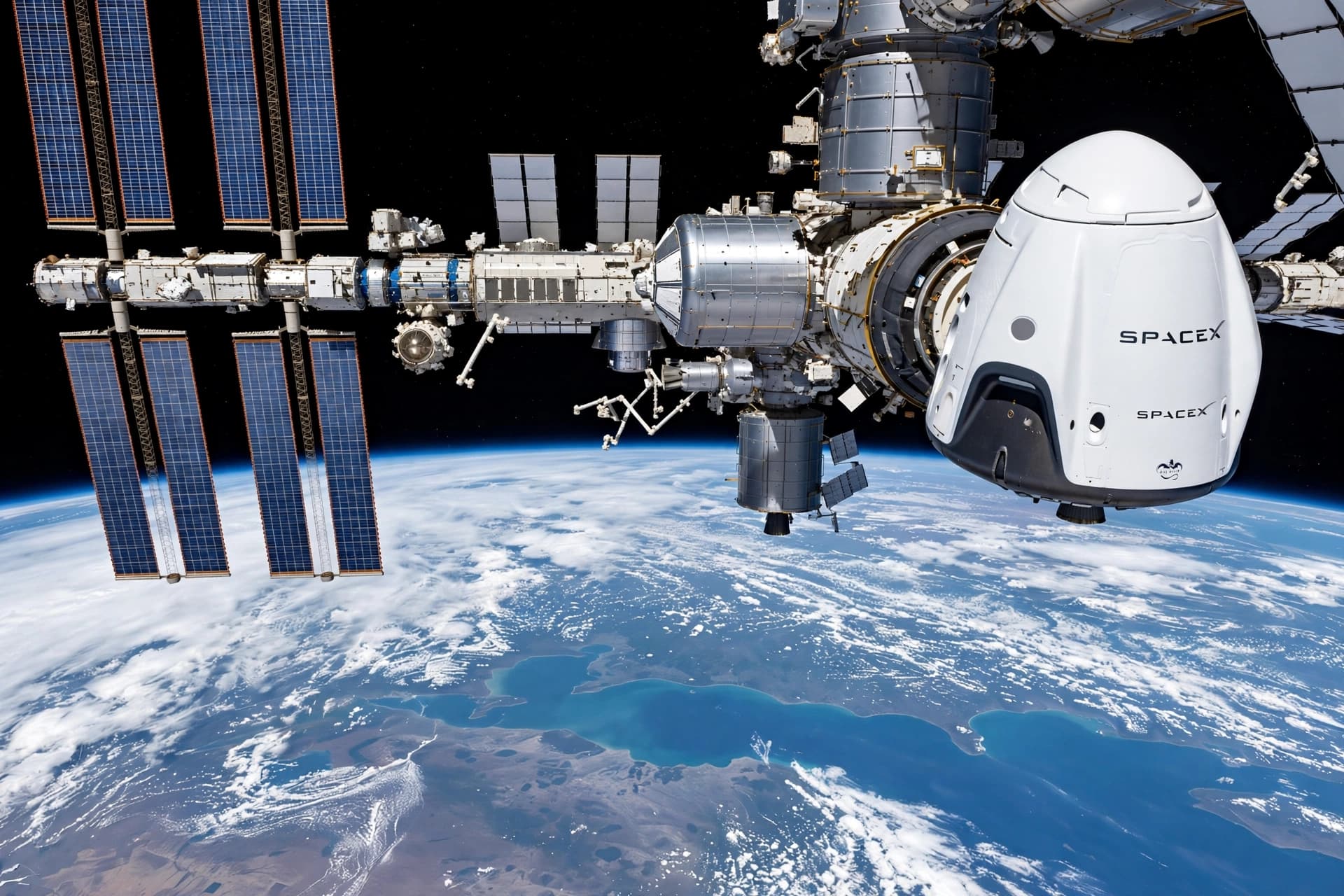
Scientists have confirmed that a discarded SpaceX Falcon 9 rocket stage impacted the Moon at high speed as predicted, providing data on lunar surface dynamics and space debris.

Researchers at La Brea Tar Pits have discovered the remains of an extinct Ice Age toad, adding new details to the understanding of prehistoric ecosystems in Southern California.

One week before the total solar eclipse on August 12, 2026, preparations are underway in Iceland, Spain, and the Arctic, with scientists and the public ready to witness the event.

Recent observations confirm that Kelvin–Helmholtz instabilities are widespread on the Sun, driving plasma mixing and potentially contributing to the heating of the solar corona.

A new study suggests life on Earth may have originated twice, with bacteria and archaea evolving independently, challenging the theory of a single common ancestor.

NASA engineers have optimized Voyager 2’s power usage, extending its operational life by another year despite declining energy from its radioactive power source.

Astronomers observed a supernova with unusual brightness fluctuations, suggesting complex interactions with previously ejected material or a binary companion, challenging standard stellar death models.

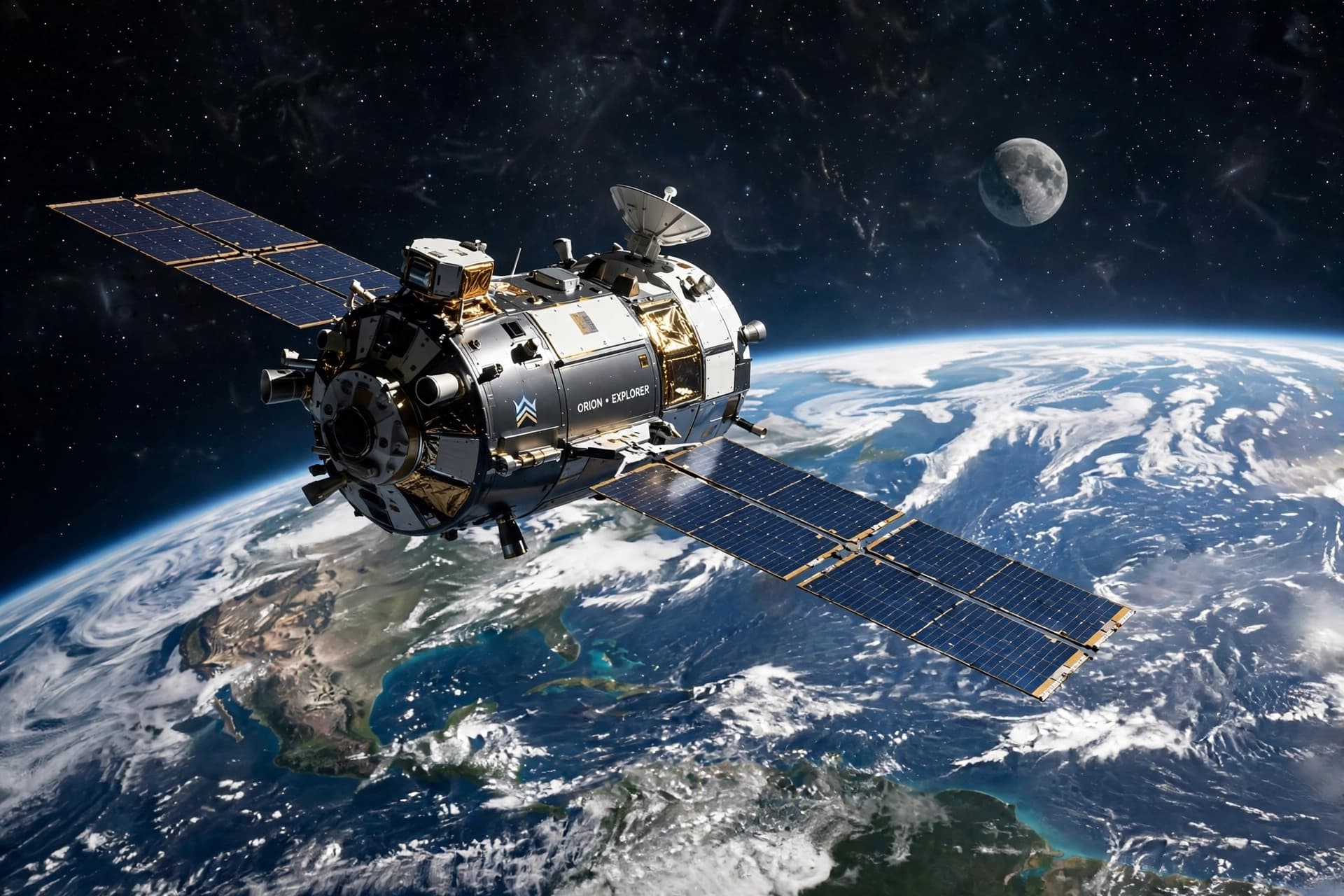
The United States continues advancing aerospace research and commercial space technology through innovation and scientific collaboration.

Satellite imagery shows Europe’s major rivers, including the Danube and Rhine, at record-low levels due to extreme heat and drought, impacting shipping, energy, and ecosystems.

Hungary’s Paks plant came within millimetres of shutdown as Danube water levels dipped, but the level rose.