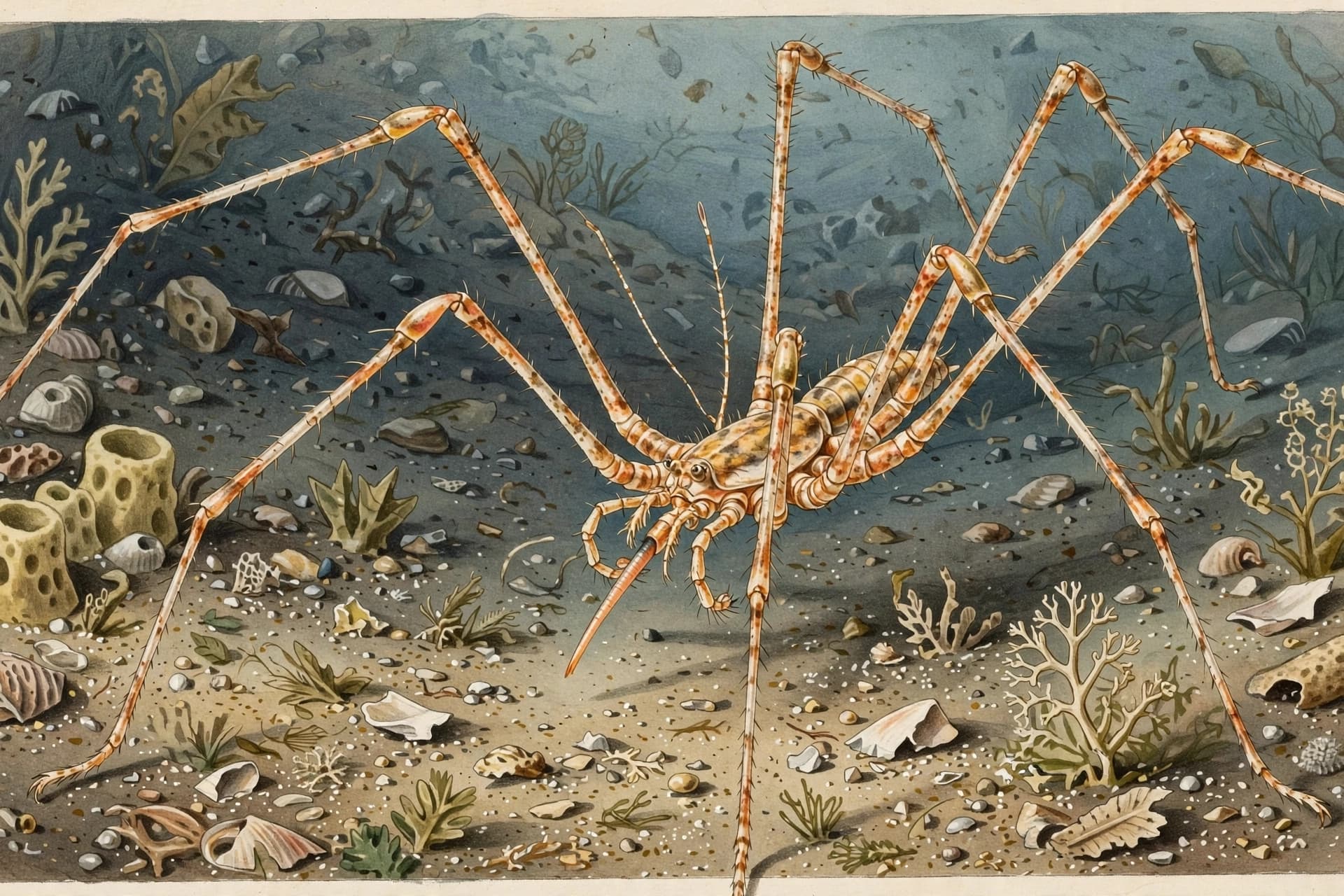
In the cold, dark depths off the coast of British Columbia, secrets have long been hidden from human view. Recently, marine biologists unveiled two new species of sea spiders, including one with distinctive hairy legs and striking red eyes. These discoveries, made during deep-sea expeditions, highlight the rich biodiversity that remains unexplored in our oceans. It is a reminder that even in the modern age, the natural world still holds surprises for those willing to look deeper. Wonder awaits in the deep.
Sea spiders, or pycnogonids, are marine arthropods related to crabs and scorpions, though they look quite different. They are known for their long, slender legs and small bodies, which allow them to navigate the complex terrain of the seafloor. The newly discovered species add to the growing list of these fascinating creatures, each with unique adaptations to their environment. Diversity is nature’s signature.
The "hairy-legged" species was found in the waters near Vancouver Island, its bristly appendages likely serving sensory functions in the murky depths. The red eyes, unusual for deep-sea dwellers, may help detect bioluminescence or faint light filtering from above. Adaptation drives evolution. Form follows function.
These discoveries were made possible by advanced remotely operated vehicles (ROVs) that can withstand extreme pressure and darkness. Technology extends human reach, allowing scientists to explore habitats previously inaccessible. Innovation opens doors. Tools expand knowledge.
For researchers, each new species provides clues about the evolutionary history of marine life in the Pacific Northwest. Understanding these relationships helps build a clearer picture of ecosystem health and resilience. Science connects the dots. Context reveals meaning.
The findings also underscore the importance of protecting marine habitats from threats like climate change and deep-sea mining. Biodiversity is fragile, and unknown species may hold keys to ecological balance. Conservation is urgent. Protection preserves potential.
Public interest in deep-sea exploration is growing, driven by documentaries and scientific outreach. These stories inspire curiosity and support for ocean research. Engagement fuels funding. Interest drives discovery.
In the end, the discovery of these sea spiders is a celebration of the unknown. It invites us to appreciate the complexity of life beneath the waves and the ongoing quest for knowledge. The ocean is vast, and its stories are just beginning to be told. Mystery inspires awe.
AI Image Disclaimer: The visual aids included here are AI-generated illustrations depicting deep-sea creatures and underwater environments, not actual photographs of the specific newly discovered sea spider species.
Sources: Royal BC Museum CBC News Science Daily
Published by Banx Network. This article is part of the Banx decentralized media programme, powered by the BXE token on the XRP Ledger.