SCIENCE94% credibility
Super El Niño breaks all-time temperature records
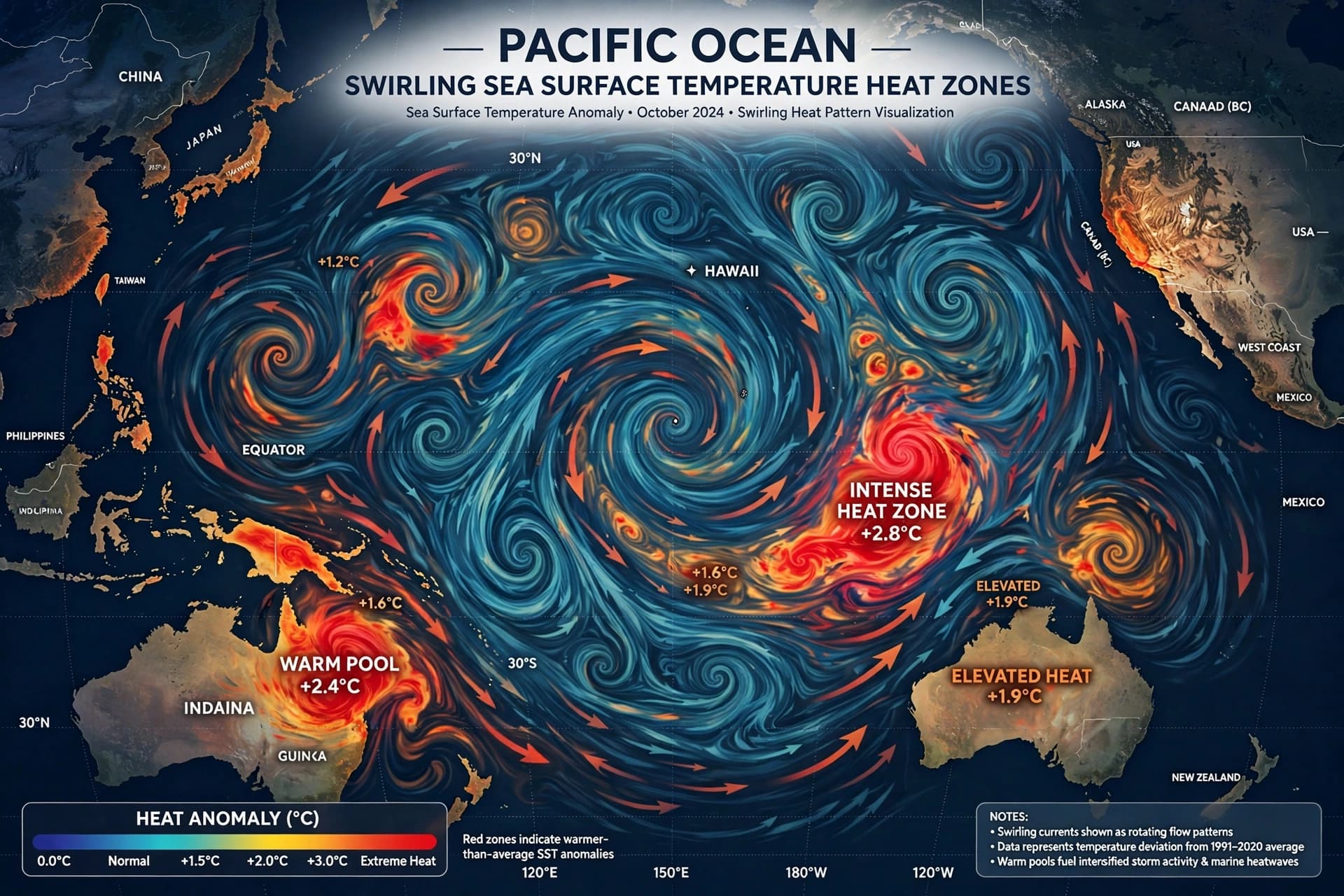
The 2026 El Niño has entered record-breaking territory, with Pacific sea surface temperatures surpassing historical highs and impacting global weather patterns.
2 min read

The 2026 El Niño has entered record-breaking territory, with Pacific sea surface temperatures surpassing historical highs and impacting global weather patterns.

Zhangjiajie in China, once a geological mystery, is now a UNESCO World Heritage site known for its towering sandstone pillars and rich biodiversity.
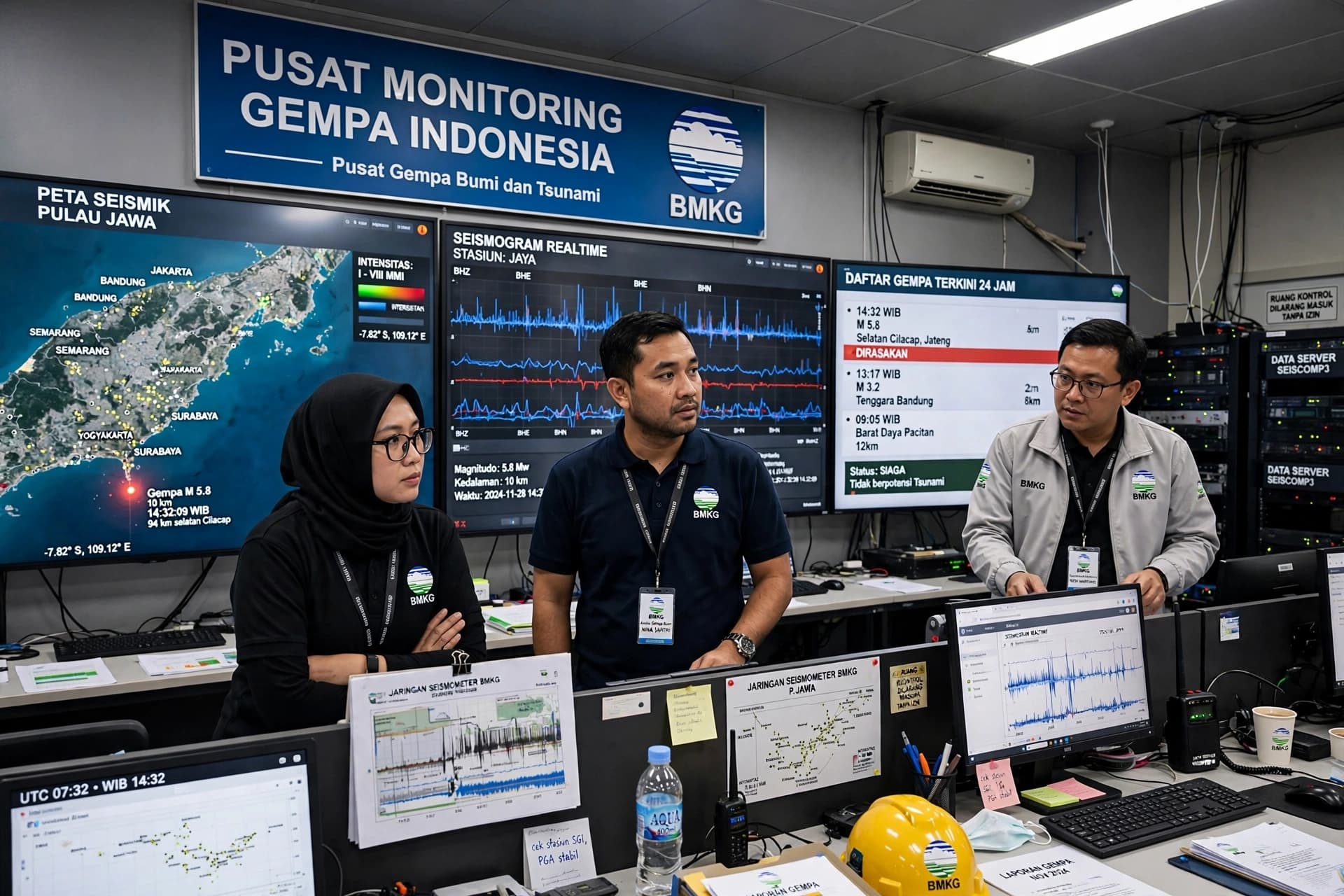
Indonesia and Japan are developing an earthquake early warning system, with trials planned in Jakarta and other regions by 2030.
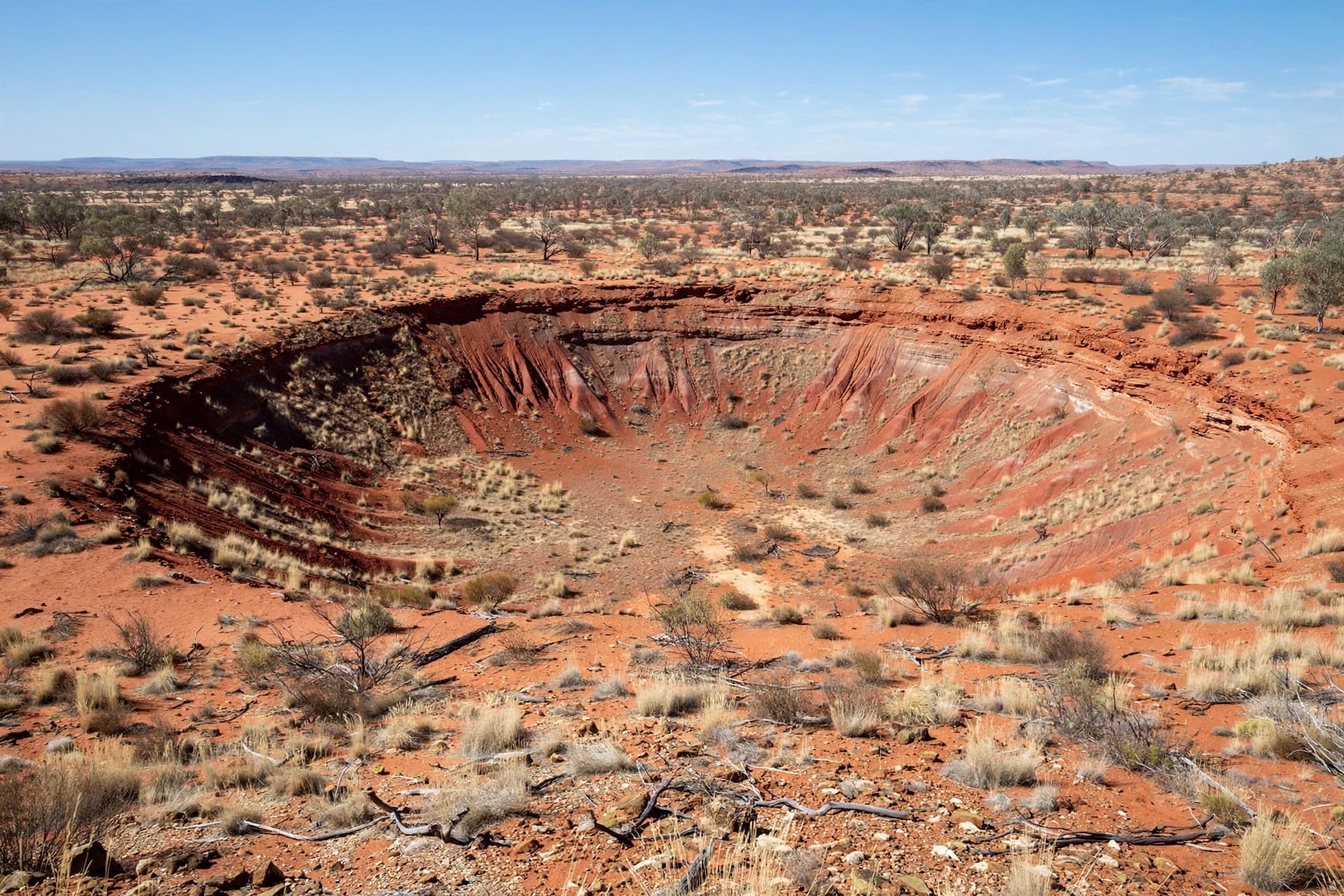
A man looking for a campsite in Australia discovered a massive impact crater. The find highlights the role of citizen science and the preserved geological history of the region.

Scientists propose that extremely massive early stars could explain the unexpectedly bright and large galaxies seen by the James Webb Space Telescope. This theory aligns observations with cosmological models.
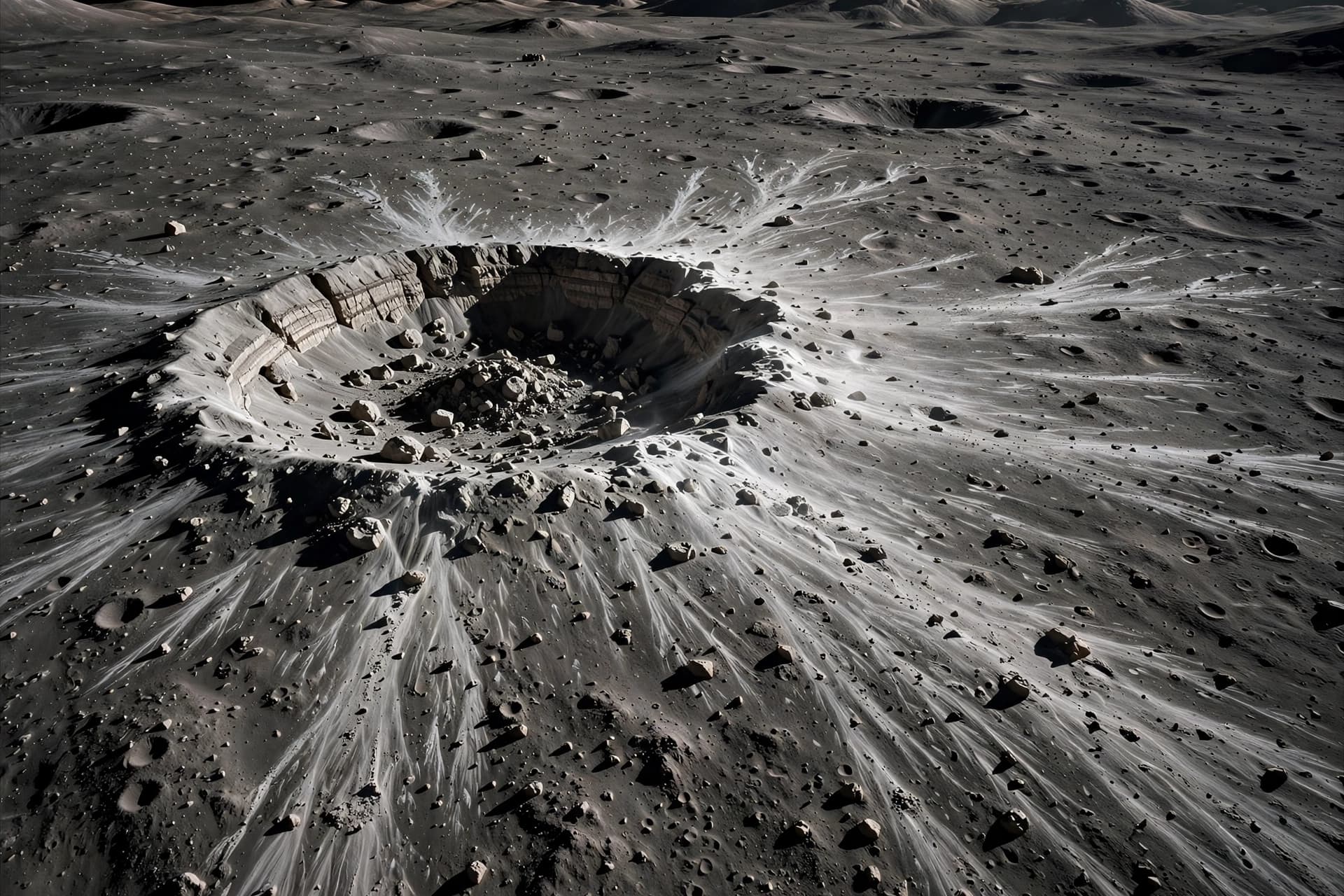
Scientists used the Lunar Reconnaissance Orbiter to identify a fresh crater on the Moon. The finding helps assess impact risks and understand lunar surface dynamics for future missions.

A Scientific American article on the origin of life begins with factual chemistry but shifts to speculation. This highlights the challenge of balancing scientific rigor with engaging narrative in public communication.
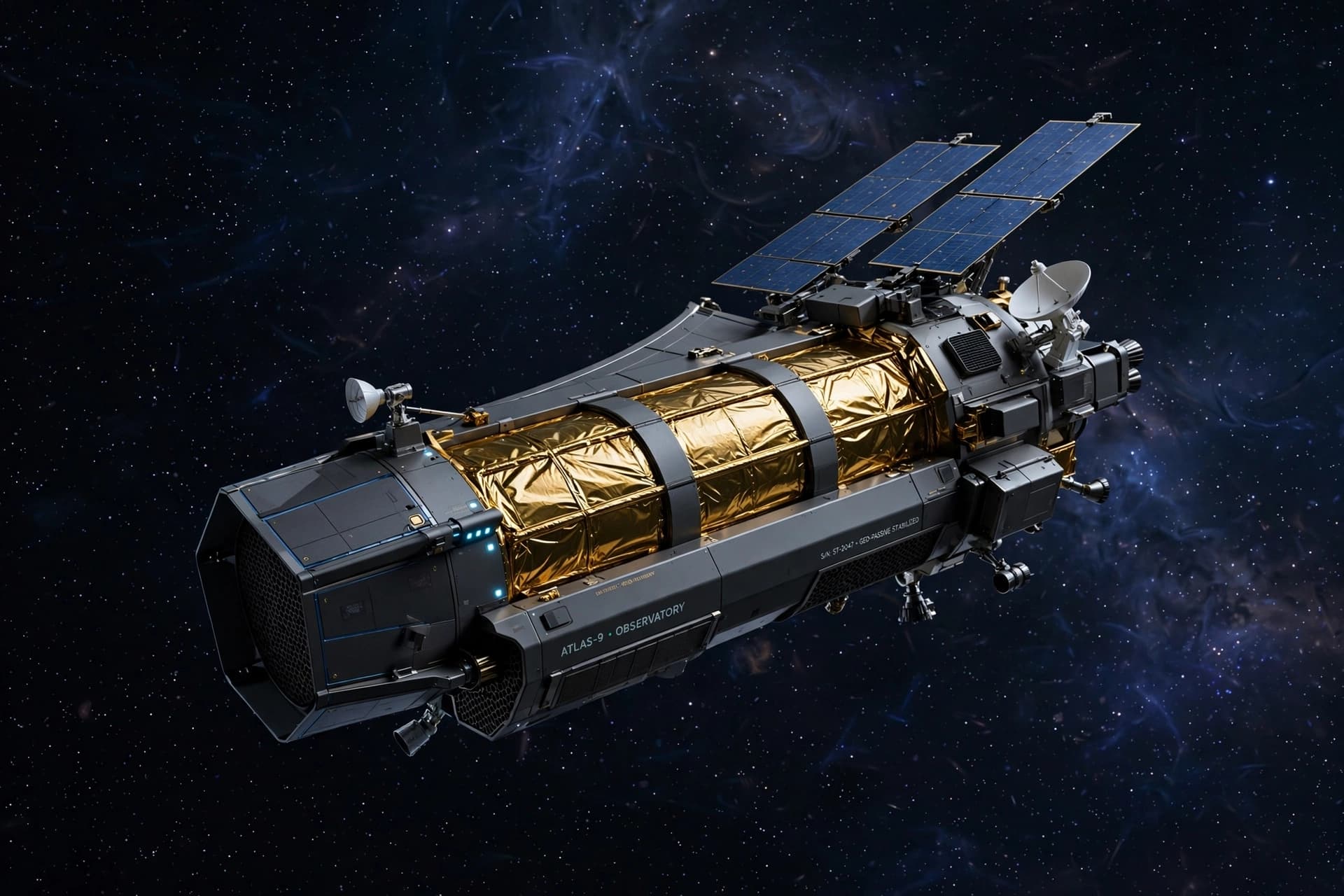
A UMass Amherst astronomer has been named science team lead for a new NASA space telescope. This role highlights the university’s contribution to astrophysics and future space exploration.
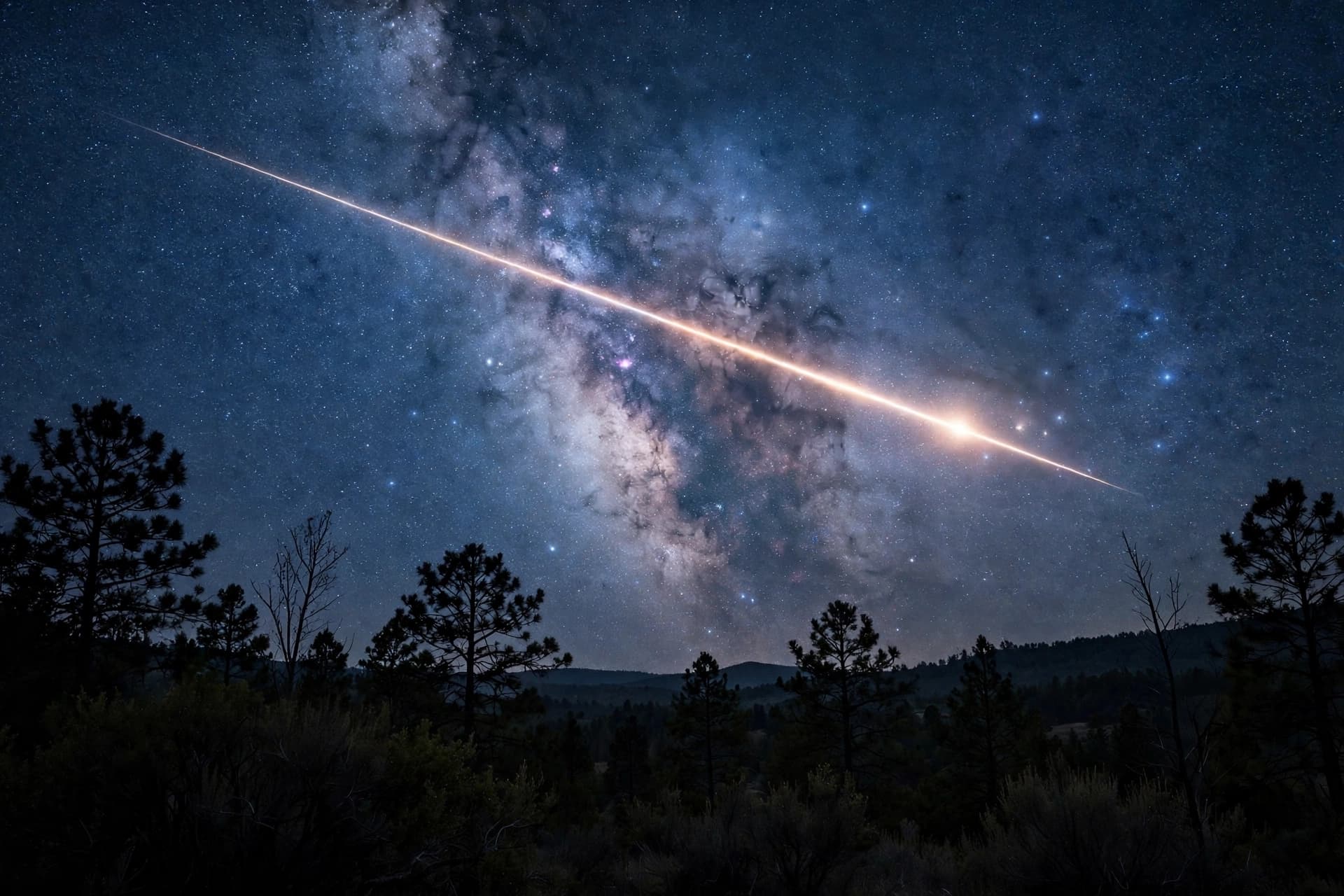
October features eight key night sky events, including the Orionid meteor shower, Mars visibility, and the Pleiades cluster. These phenomena offer excellent opportunities for stargazing and appreciation of the cosmos.
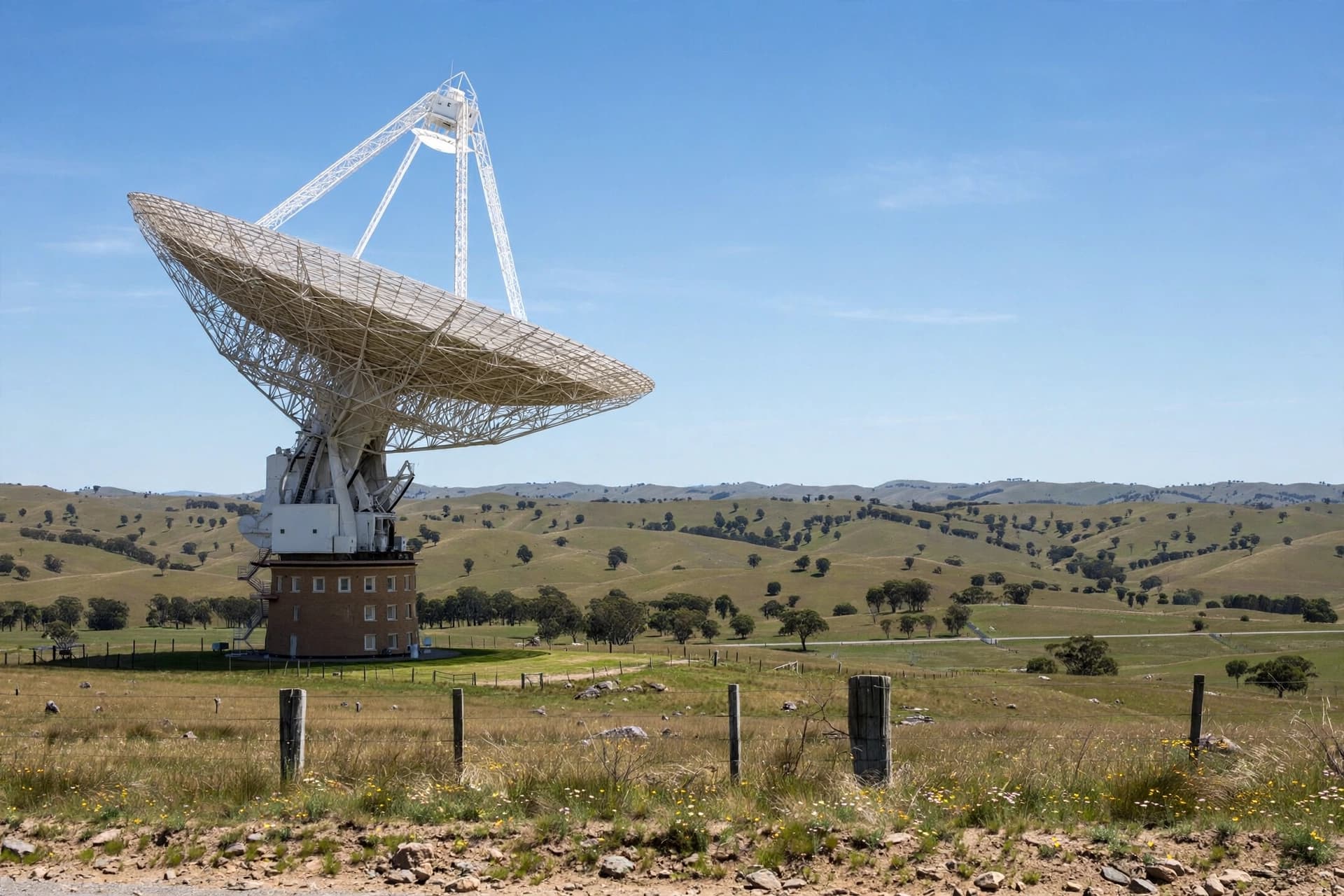
The South Okanagan radio observatory is hosting an open house to engage the public with radio astronomy. The event features tours, educational activities, and insights into cosmic research.
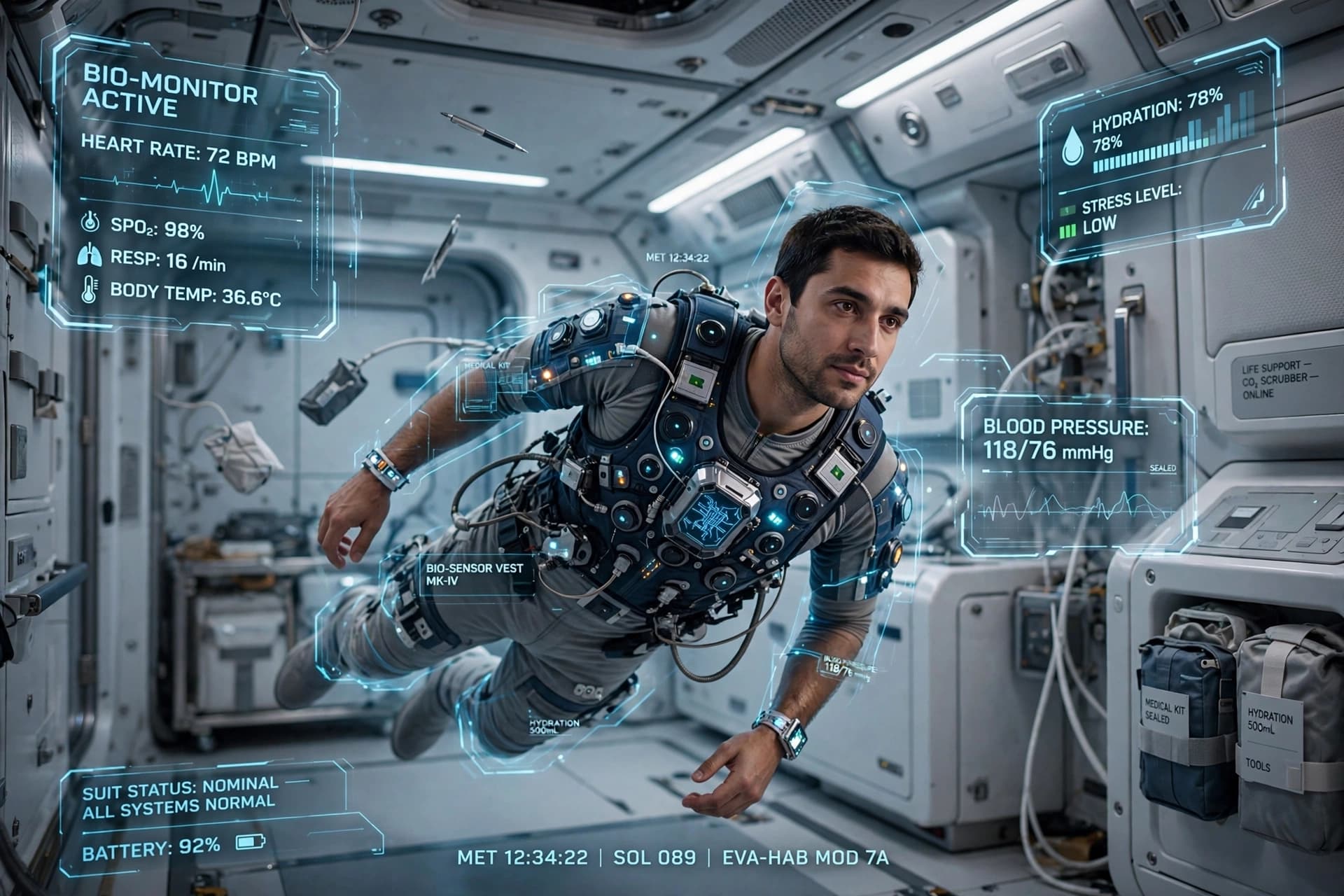
NASA will conduct extensive health and performance studies during the Crew-13 mission. The research focuses on physiological and psychological effects of spaceflight to support future long-duration missions.
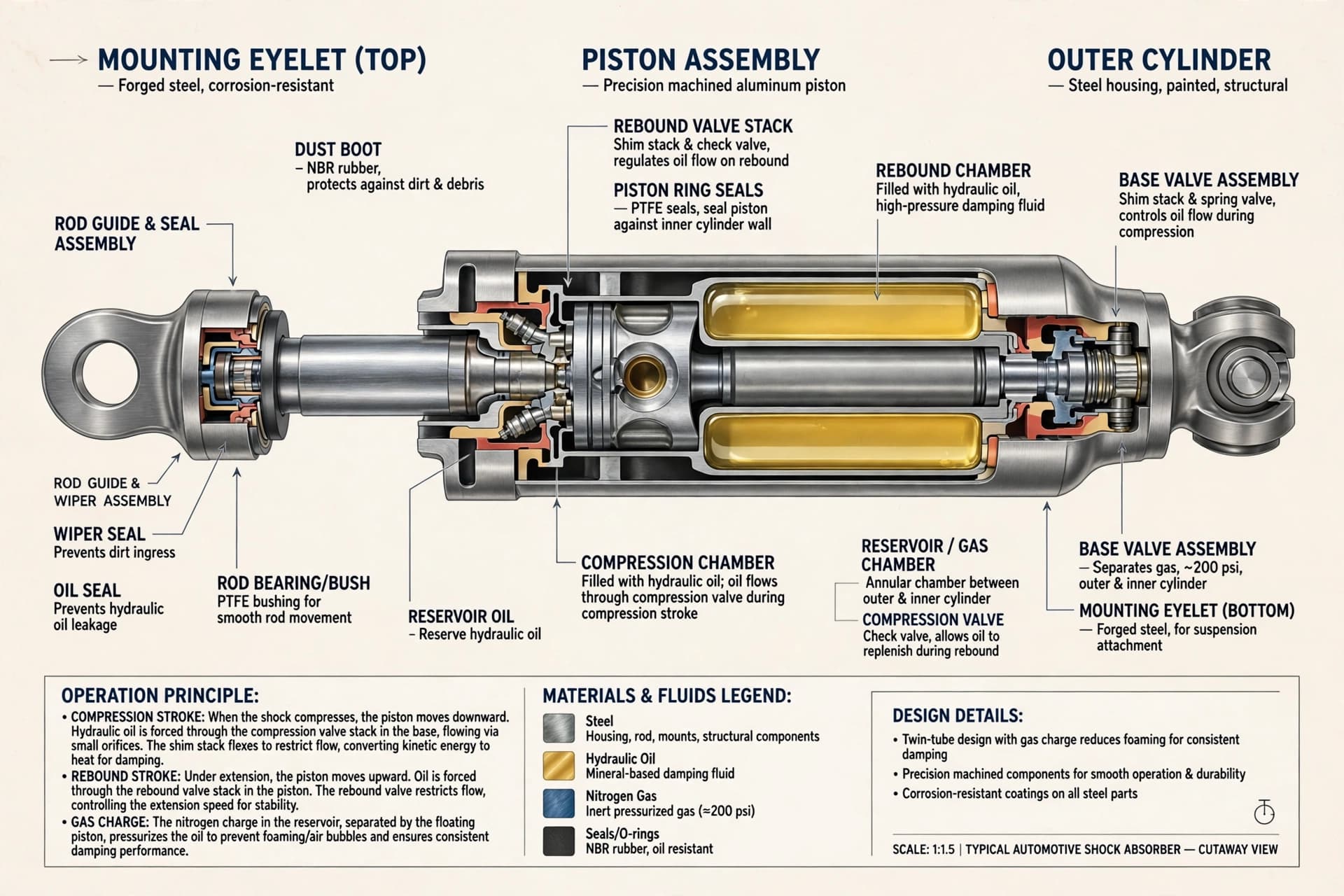
Swiss engineers have designed a lightweight, reusable shock absorber for spacecraft. The innovation improves landing safety and protects sensitive payloads, offering benefits for future lunar and Martian missions.
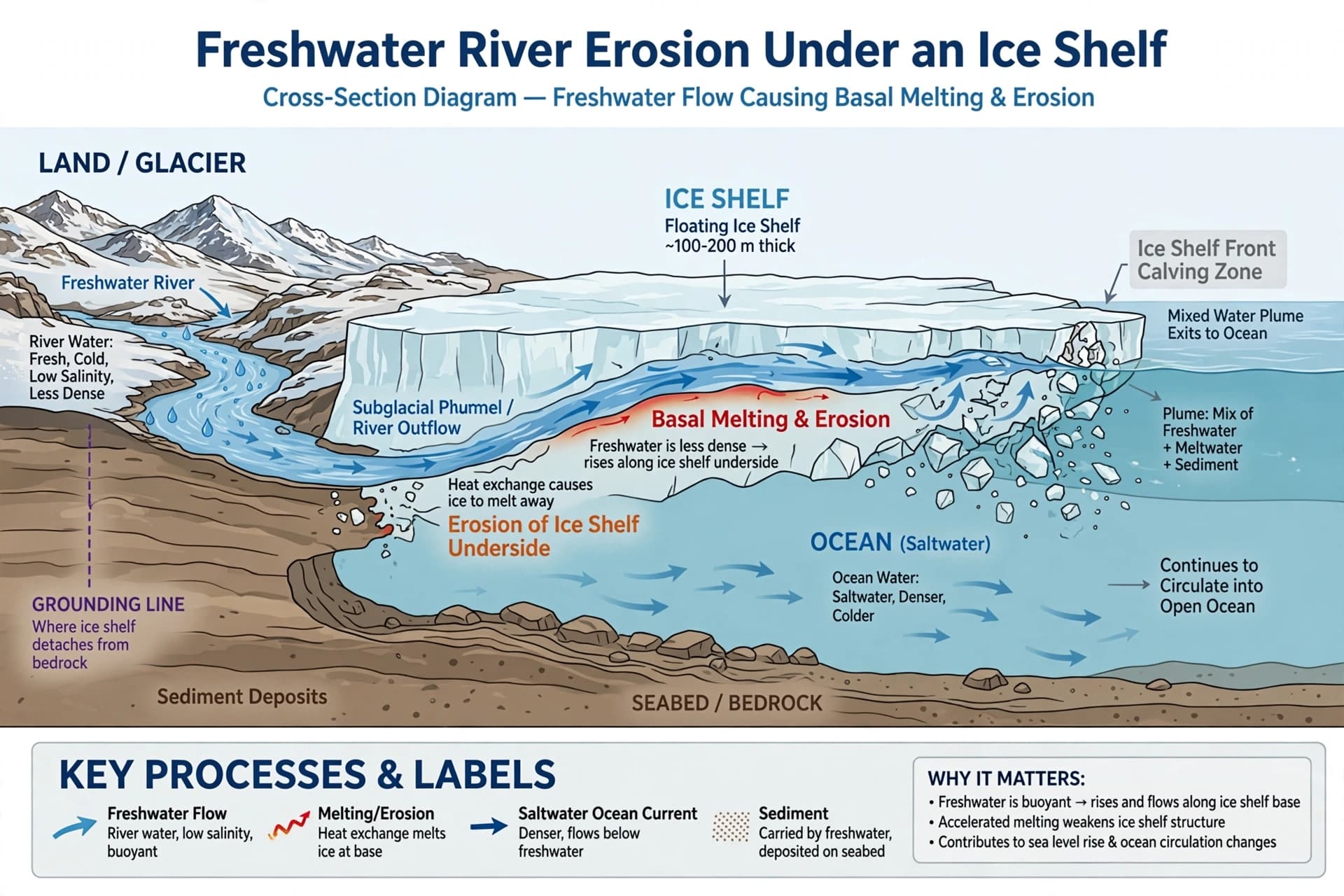
Research shows that an estuary weakened a Greenland ice shelf through underwater erosion before a major calving event. This highlights the role of freshwater plumes in glacial stability and sea-level rise.
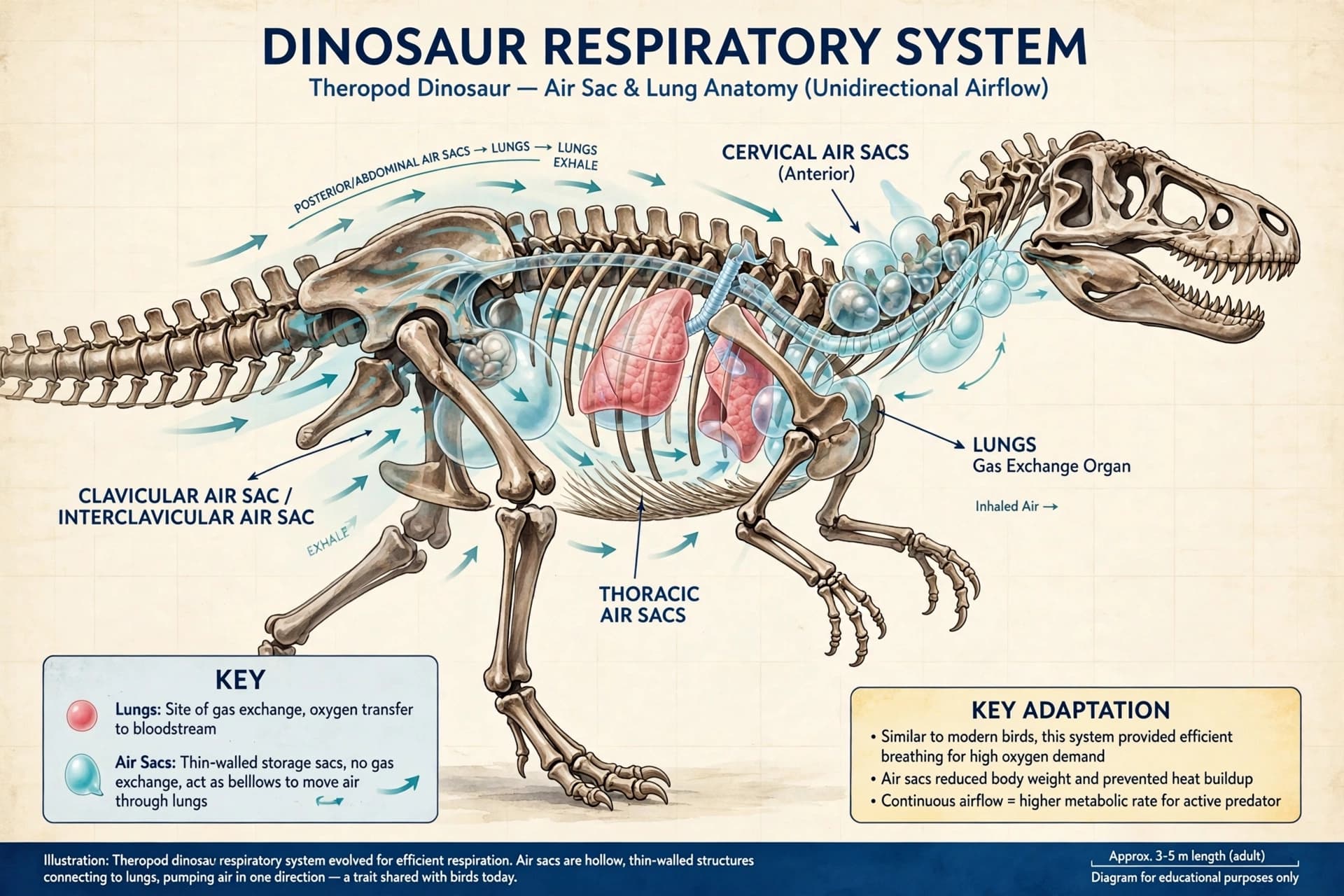
Scientists discovered a rare preserved soft-tissue structure in a dinosaur fossil, providing evidence of efficient respiratory systems. This finding helps resolve debates about dinosaur metabolism and their relationship to birds.
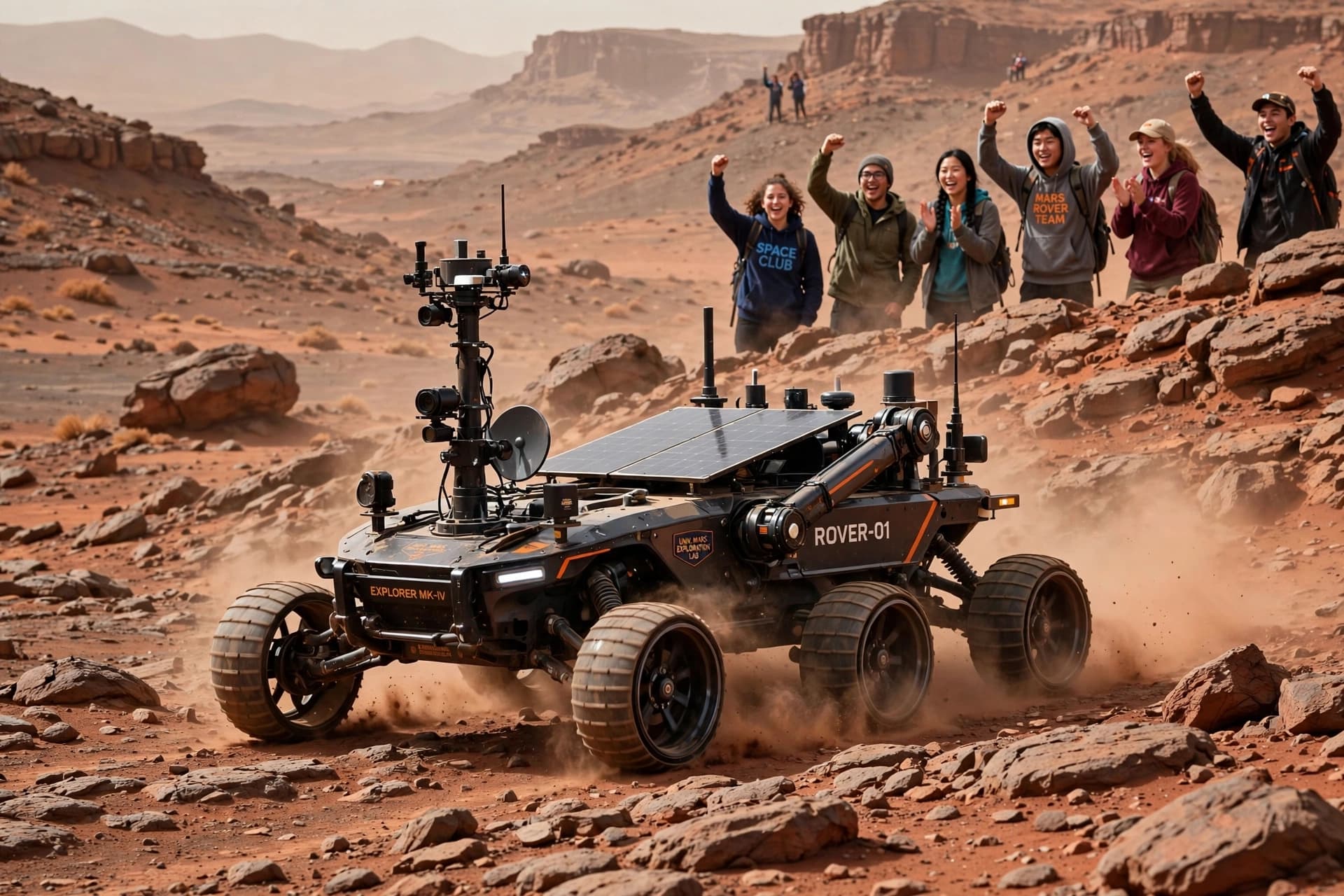
Carleton University students won the Canadian International Rover Challenge in Alberta. Their rover’s performance in simulated Martian tasks highlights the value of hands-on engineering education and teamwork.
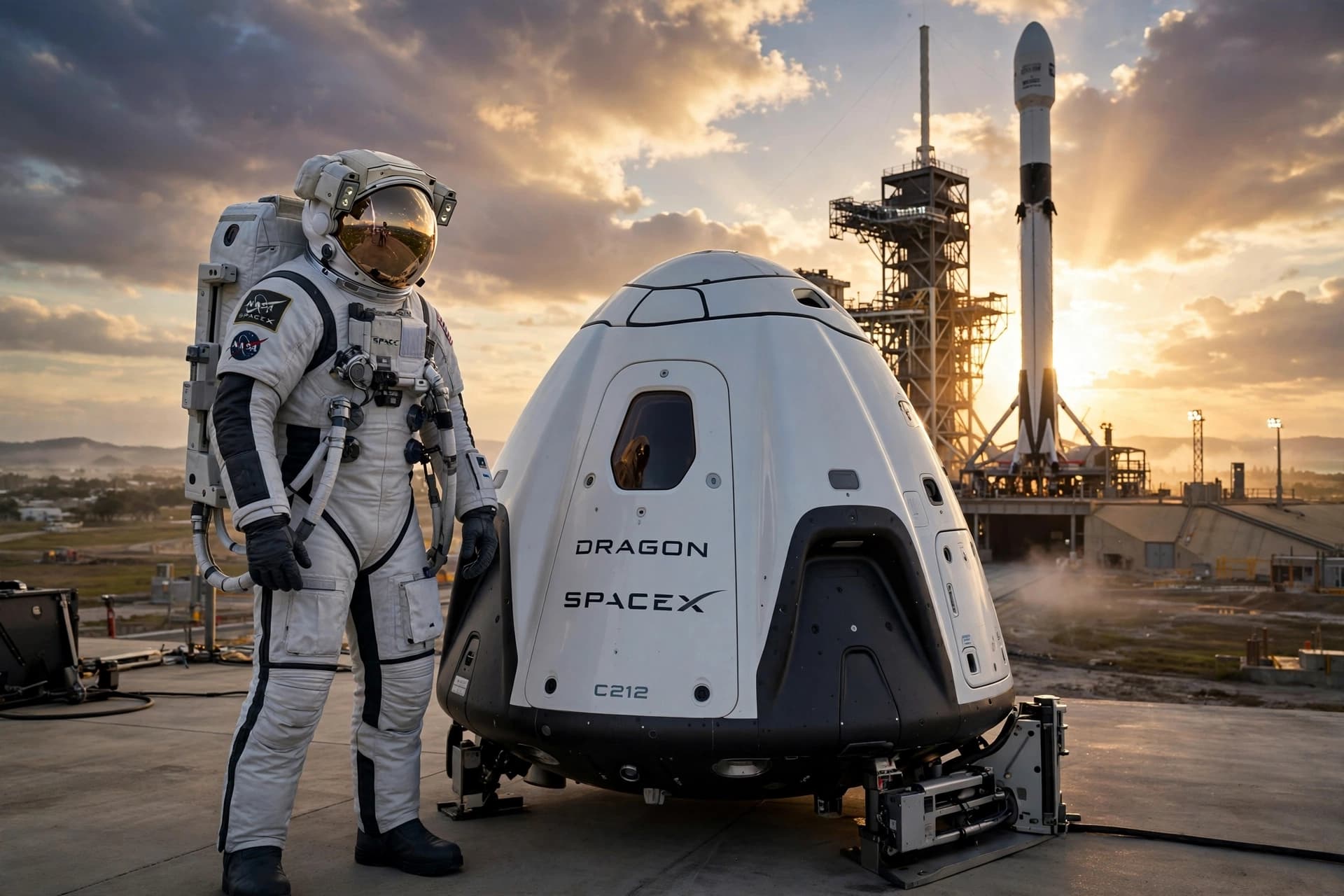
Canadian astronaut Josh Kutryk is preparing for his ISS mission after significant delays. His adaptability and retraining for the SpaceX Crew-13 mission highlight the resilience required in space exploration.
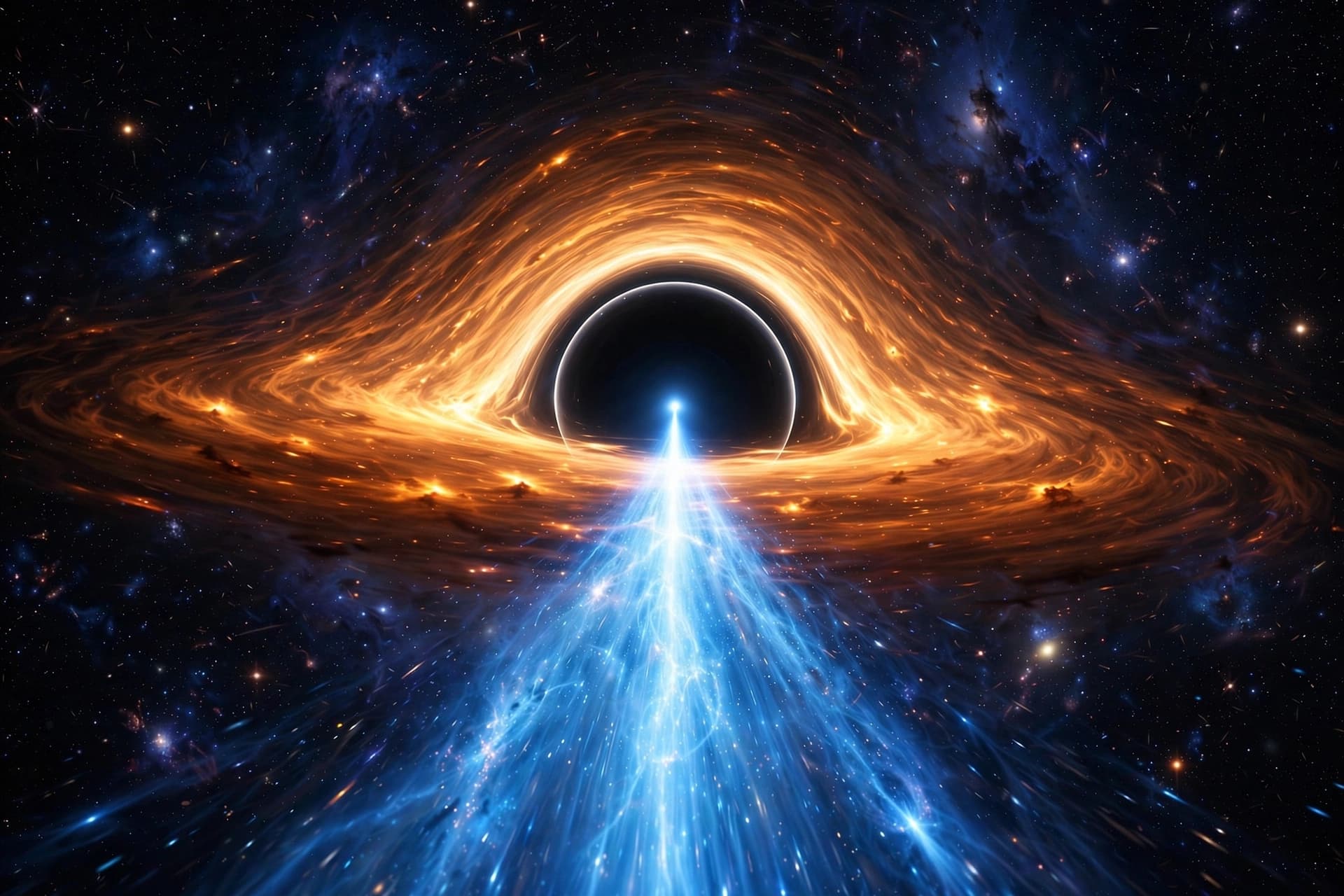
Astronomers discovered a black hole jet pointing at Earth, potentially solving the mystery of high-energy neutrino origins. This alignment allows for detailed study of cosmic particle acceleration.
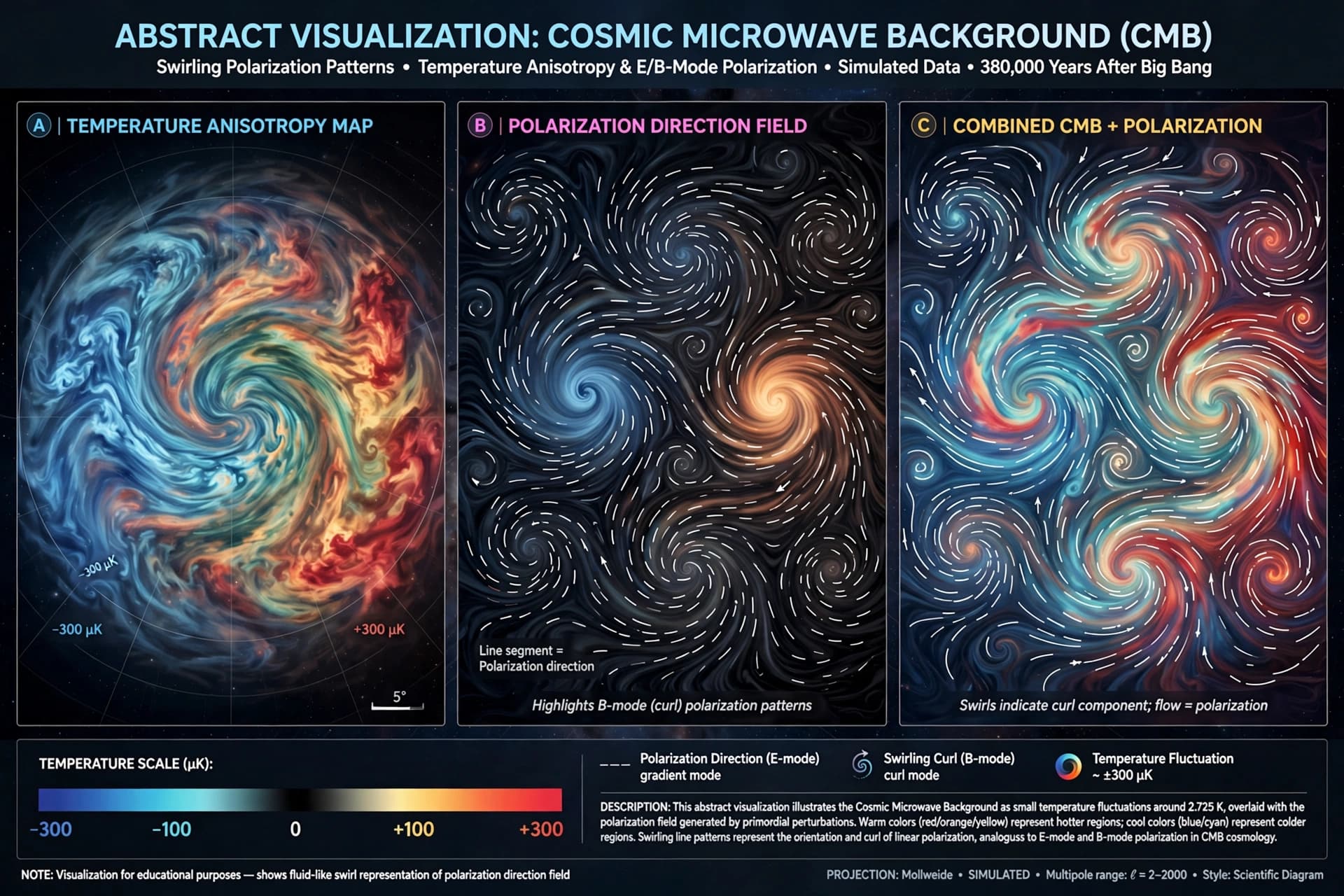
Scientists analyzed the cosmic microwave background for signs of a universal twist. While no definitive rotation was found, the study refines our understanding of cosmic symmetry and fundamental physics.

The Harvest Moon arrives this weekend, offering extended evening light and a cultural connection to autumn traditions. Its unique rising pattern and warm color make it a special celestial event.
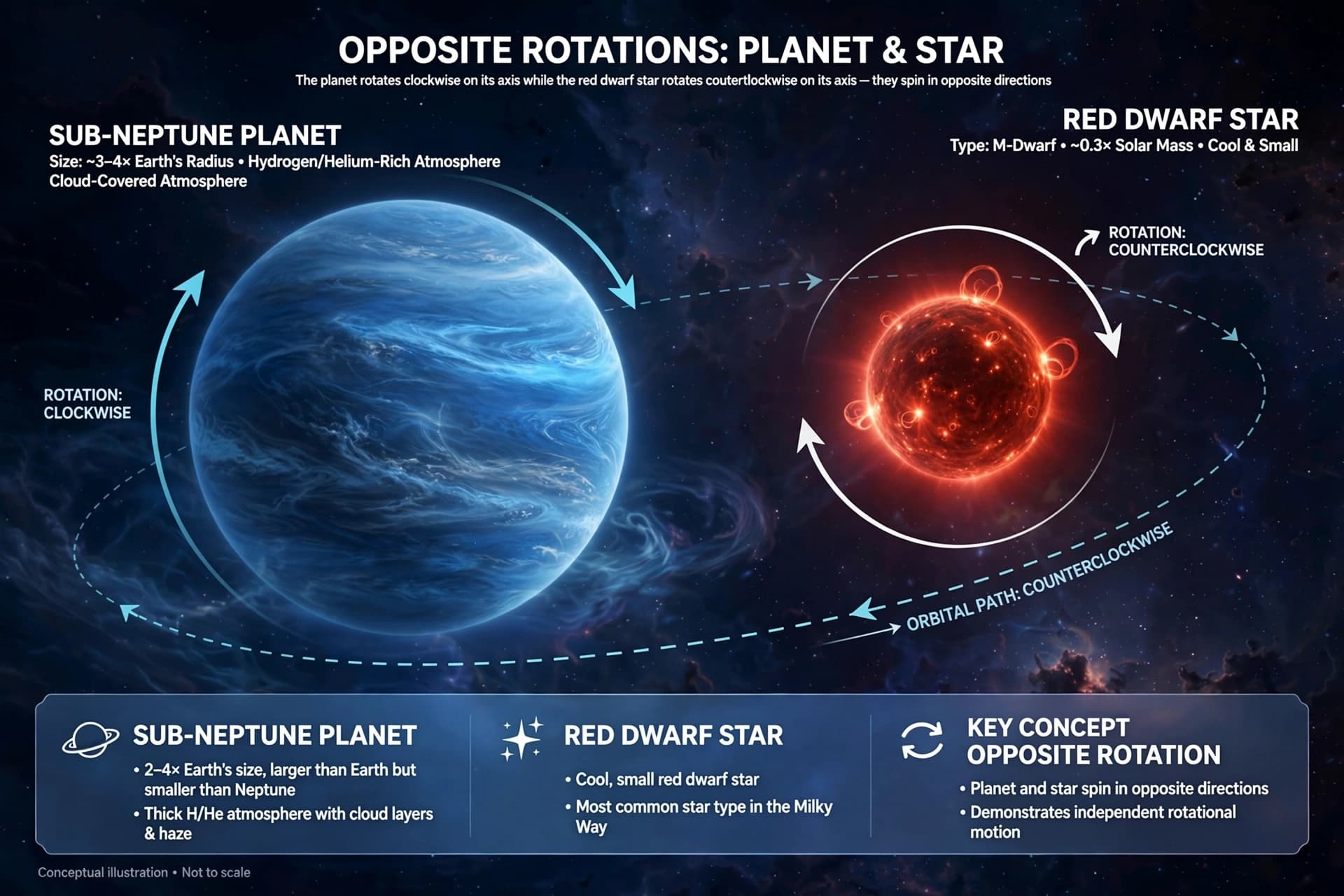
Astronomers discovered GJ 3090 b, a sub-Neptune exoplanet with a retrograde orbit around a red dwarf star. This rare finding suggests a violent past involving gravitational instability.
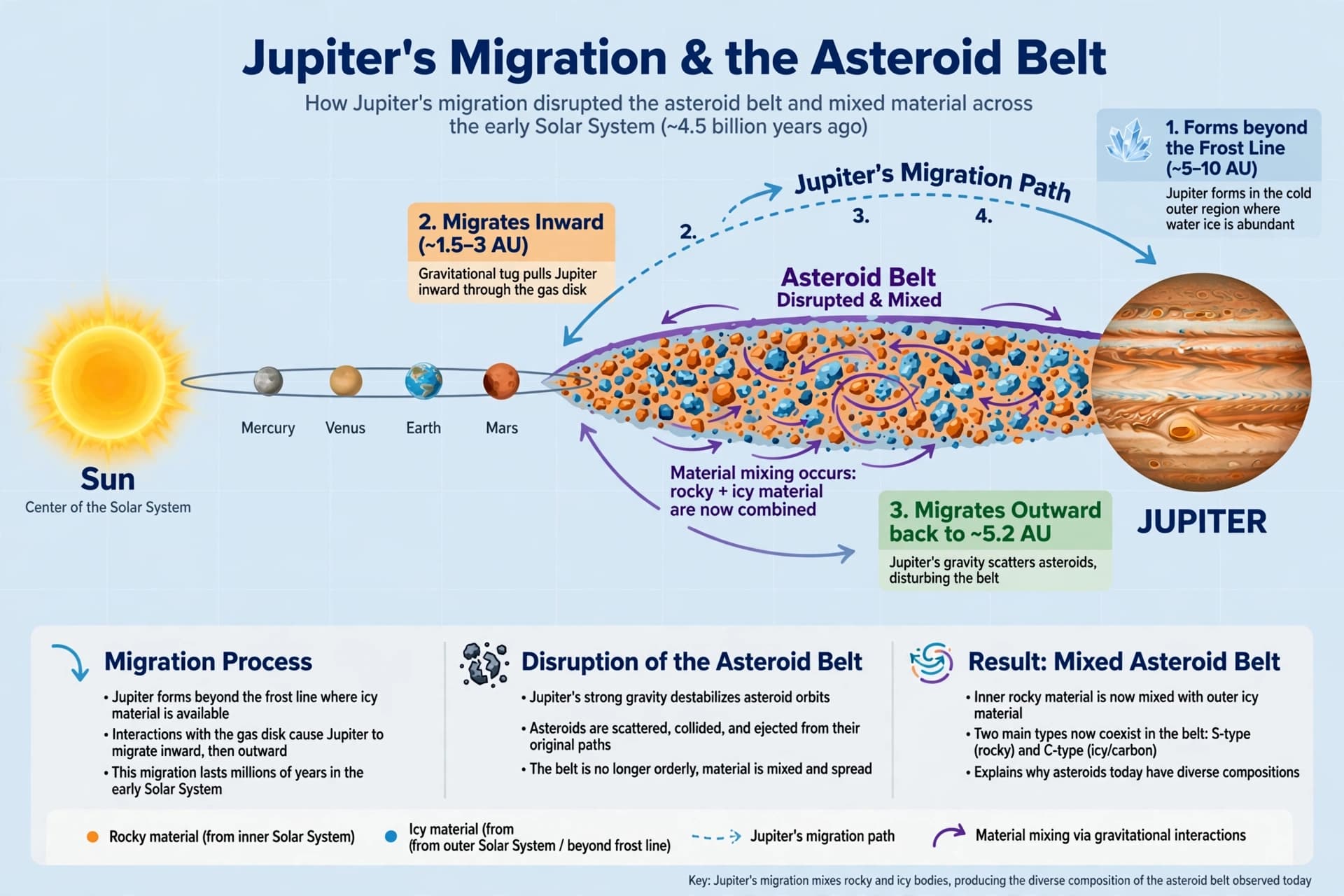
Analysis of Asteroid Bennu samples reveals a mix of inner and outer solar system materials, likely stirred by Jupiter’s migration. This finding supports theories of dynamic early solar system evolution.
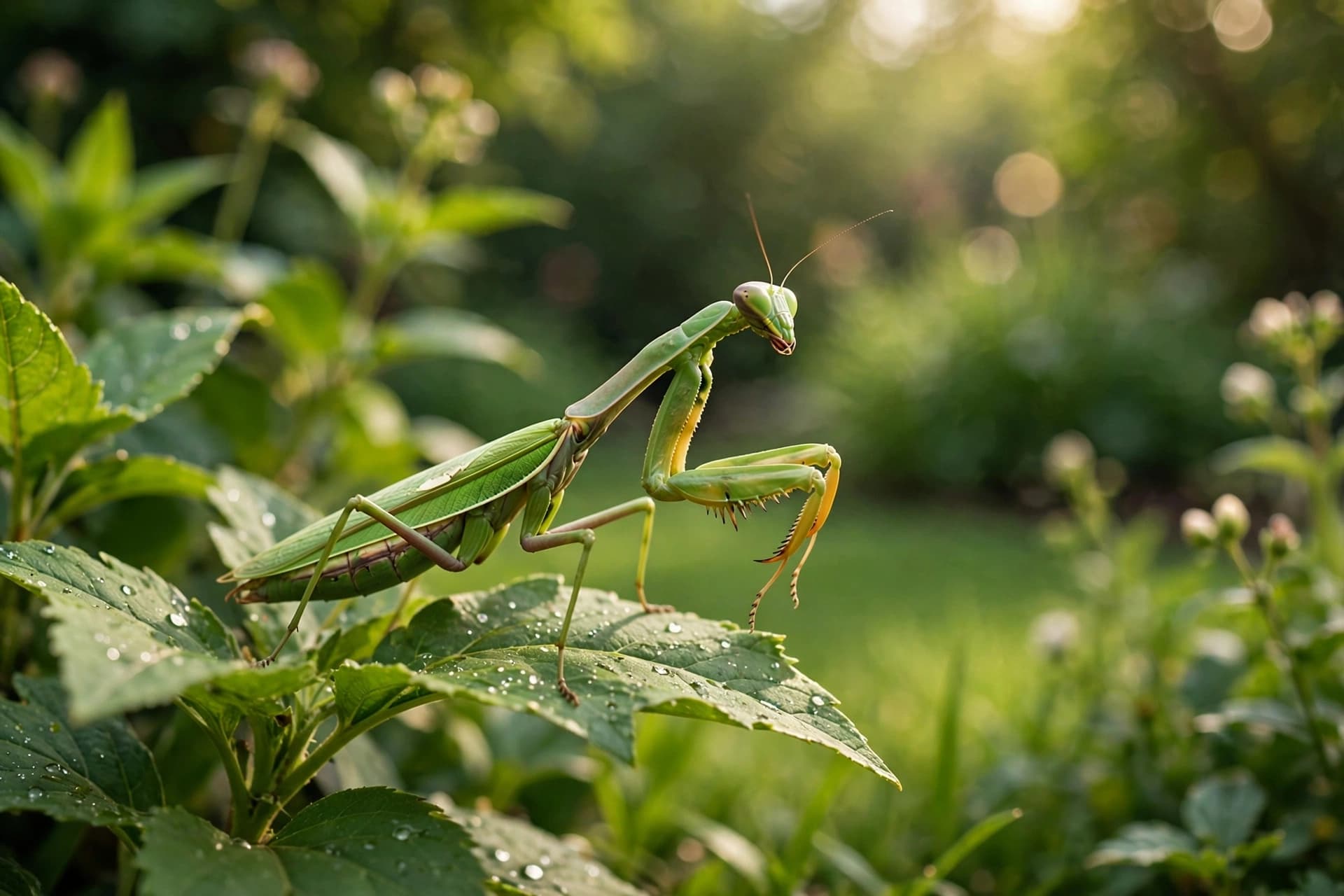
Climate change is driving big-eyed bugs and praying mantises to migrate to the UK. These new arrivals indicate shifting ecological boundaries and highlight the impact of global warming on local biodiversity.

An elderly woman in Romania used a 3.5kg amber nugget as a doorstop for decades. Now valued at $1 million, the rare stone is a significant geological find.

Studies suggest that at low densities, crown-of-thorns starfish enhance coral reef diversity by preventing dominant species from taking over. This highlights the need for balanced conservation.