When Oceans Close: The Future of Earth’s Geography
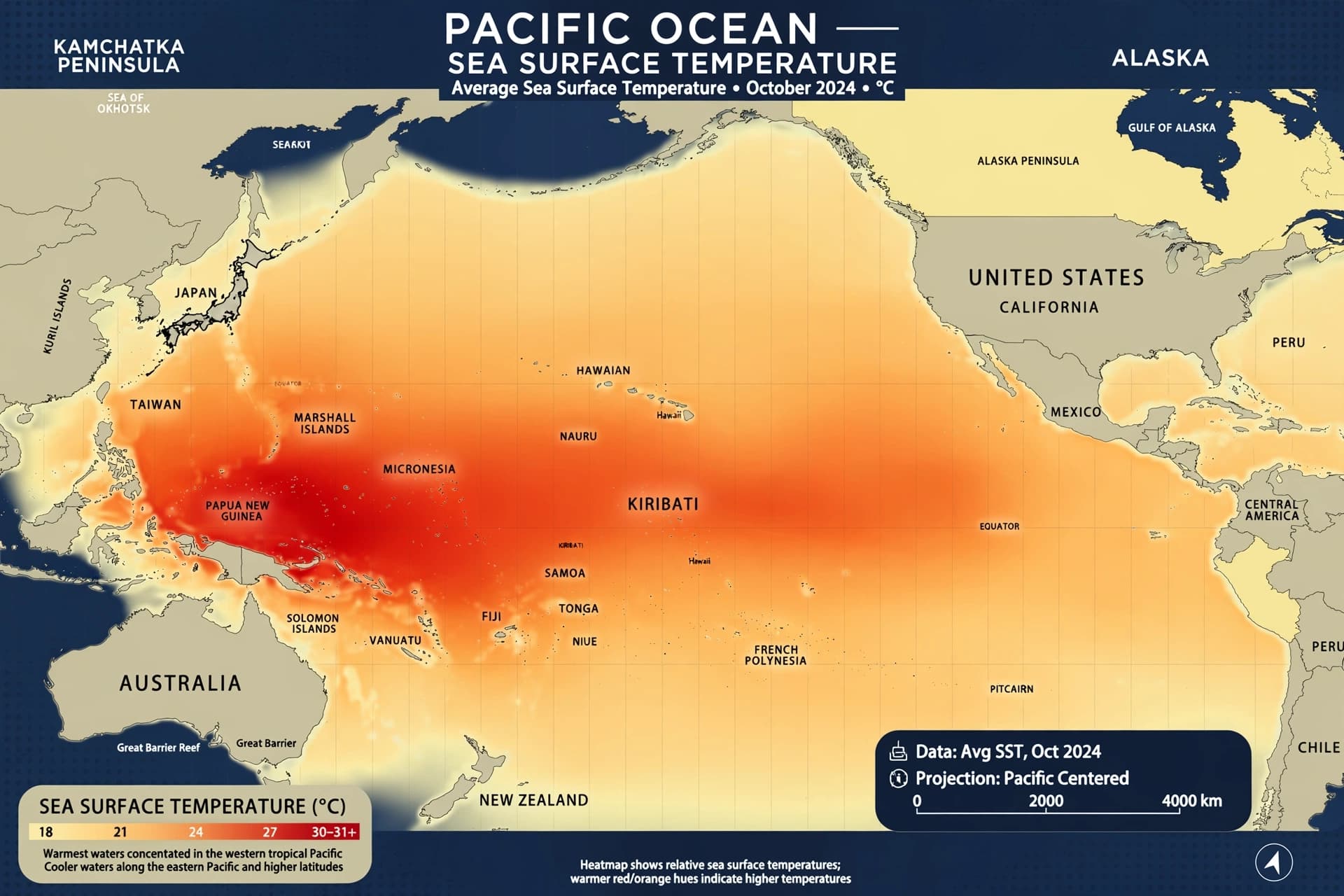
Scientists predict that the Pacific Ocean is shrinking due to tectonic activity, which will eventually lead to the formation of a new supercontinent named Amasia in 200 to 300 million years.

Scientists predict that the Pacific Ocean is shrinking due to tectonic activity, which will eventually lead to the formation of a new supercontinent named Amasia in 200 to 300 million years.

A new theory proposes that dark matter may reside in a hidden fifth dimension, offering a potential explanation for its elusive nature and interaction with the visible universe.

Scientists report that global warming has accelerated significantly in the past decade, with temperatures rising faster than predicted, signaling a dangerous new phase for the Earth’s climate.

The New Horizons mission revealed that Pluto is not a frozen relic but a geologically active world with nitrogen glaciers, water ice mountains, and potential subsurface oceans.

Chinese scientists have modeled a method to deflect asteroids by drilling a hole and burying a nuclear device thirty meters deep, which simulations show triples the deflection efficiency compared to surface blasts.

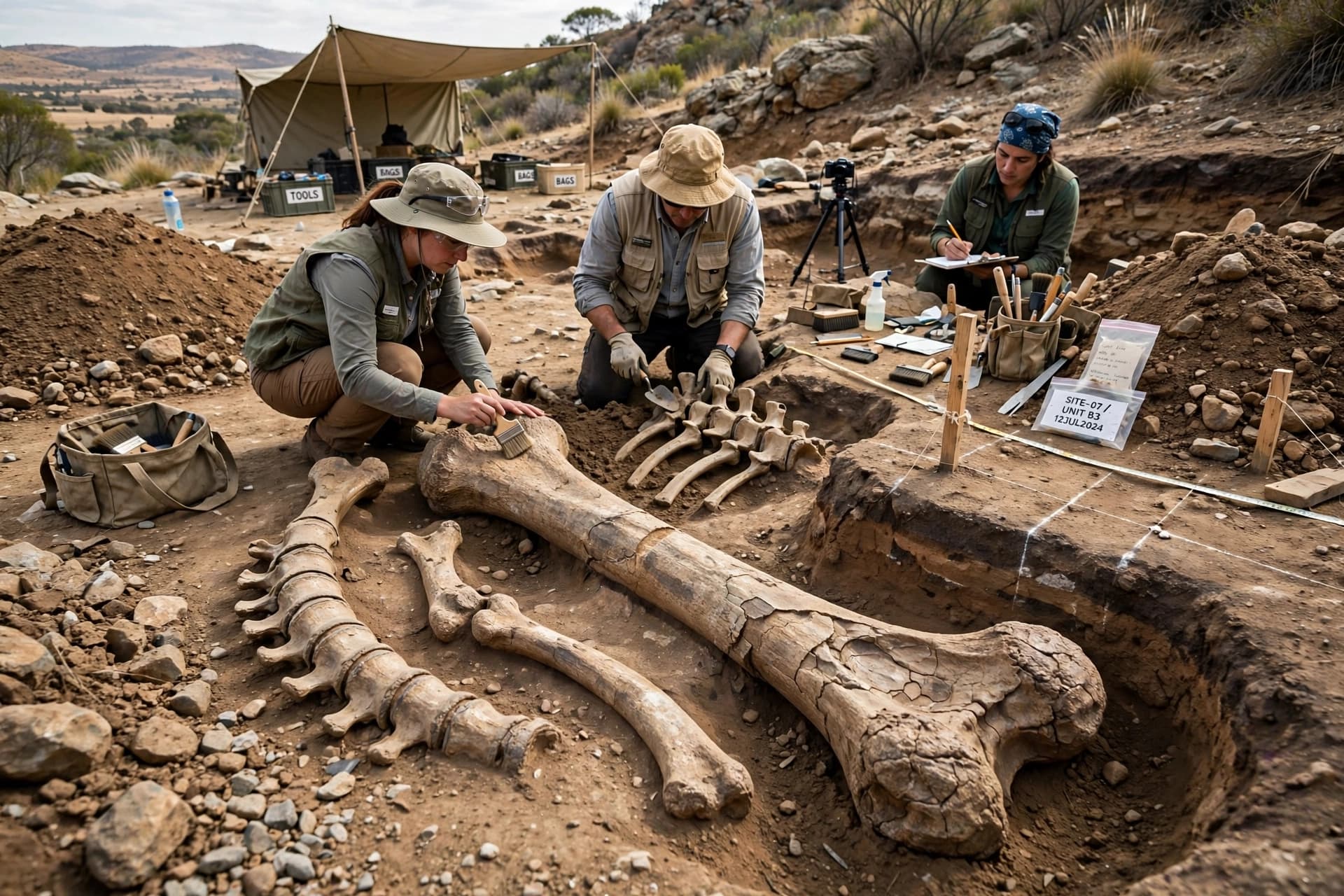
A 45,000-year-old rock crystal scraper found in France suggests Neanderthals valued aesthetics, challenging views of them as purely utilitarian and revealing an appreciation for beauty and form.

New studies show that aspen trees act as natural firebreaks, reducing wildfire severity and spread due to their high moisture content and deciduous nature, offering a sustainable strategy for fire management.

The Boötes Void is a massive region of space, 300 million light-years wide, that contains far fewer galaxies than expected, offering scientists a unique opportunity to study cosmic structure and dark energy.

Skywatchers planning for August 12 can use an eclipse map to locate where totality—and partial viewing—will occur.

A small Spanish village in the path of totality will experience darkness twice in one night due to a total solar eclipse followed by sunset, attracting tourists and scientists alike.

A Seattle teenager who was attempting to leave gang life was killed in a gunfight at a food festival, highlighting the challenges of escaping violence and the need for community support.

South Korea recorded its highest-ever temperature of 41.4°C in Yangsan as an intensifying heatwave strains infrastructure, health systems, and agriculture across the country.

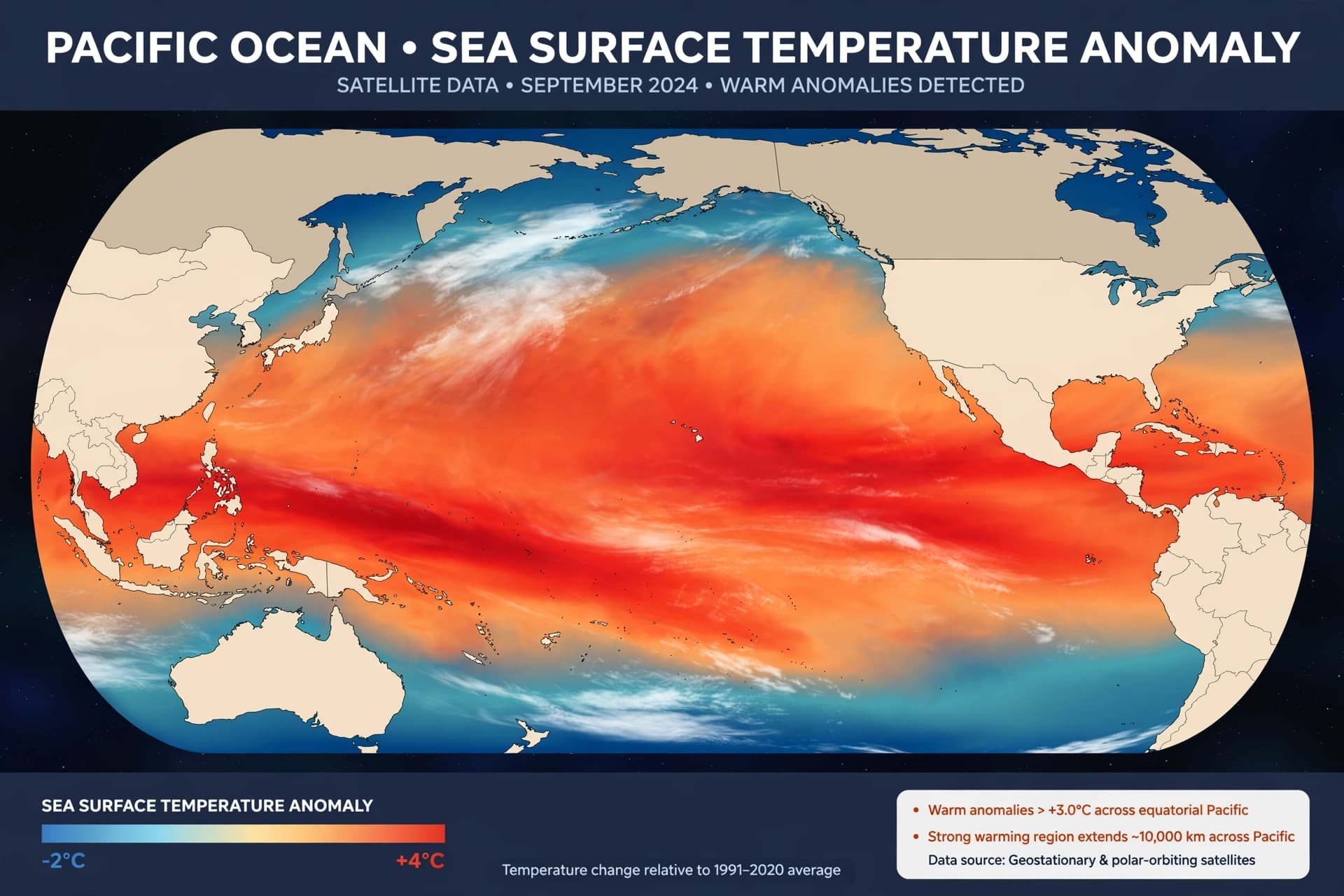
The UN warns that a powerful El Niño is intensifying heat on a "planet already on fire," exacerbating climate change impacts like wildfires, droughts, and record temperatures globally.

Earth is on track to break the all-time record for Category 5 hurricanes in 2026, driven by warming ocean temperatures and climate change, posing significant risks to coastal communities.

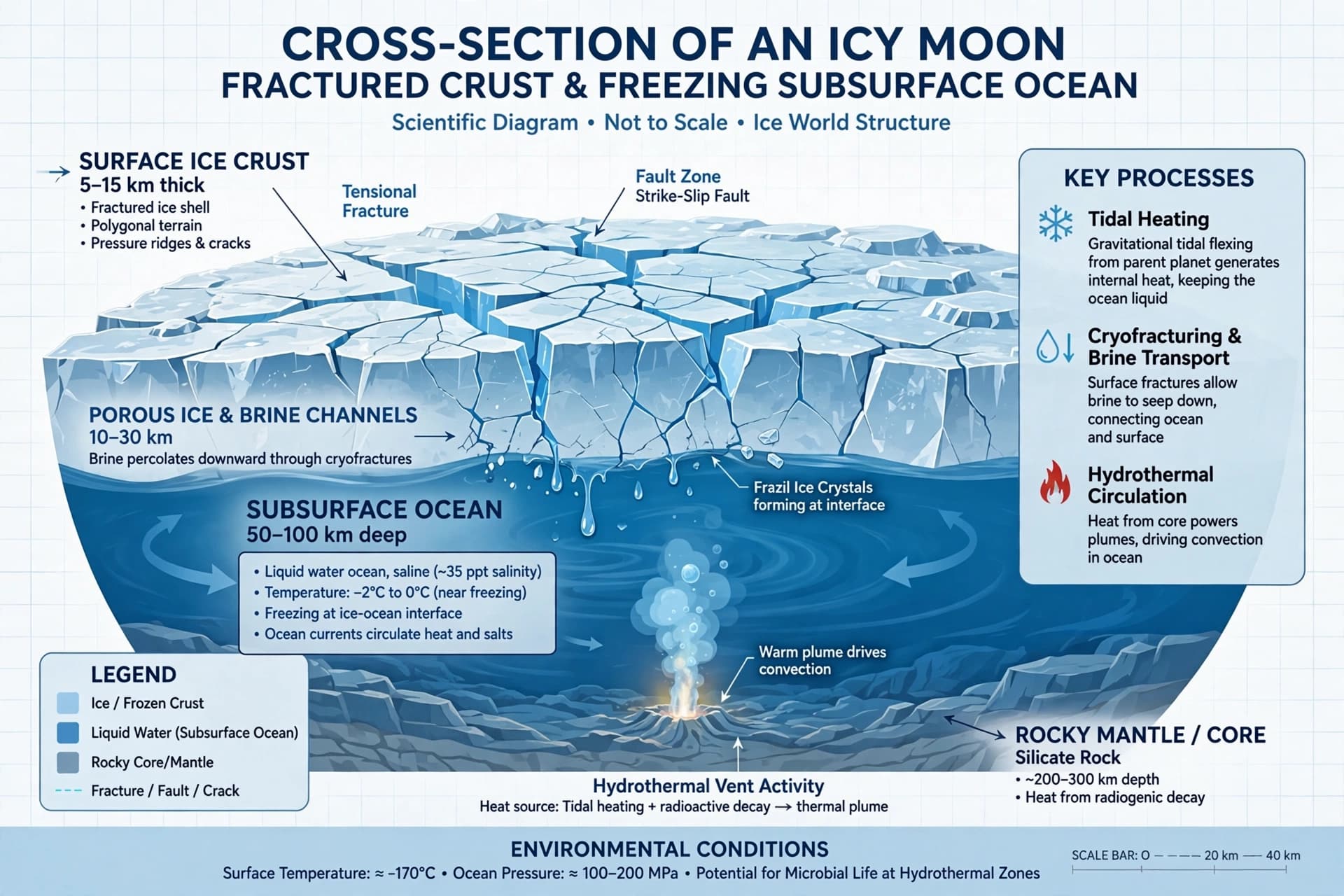
Europa, a moon of Jupiter, holds a subsurface ocean with more water than Earth’s oceans, kept liquid by tidal heating from Jupiter’s gravity, making it a prime target in the search for extraterrestrial life.

Boeing asserts that its Starliner spacecraft is ready for its next mission after addressing previous technical issues, aiming to restore confidence in the beleaguered program.

A new study using ancient DNA analysis reveals that prehistoric hunters strategically targeted female woolly mammoths, likely due to their predictable herd behavior and lower risk compared to males

Scientists have discovered that solar storms and dust storms on Mars interact to create unexpected heating, posing new risks for future robotic and human exploration missions.

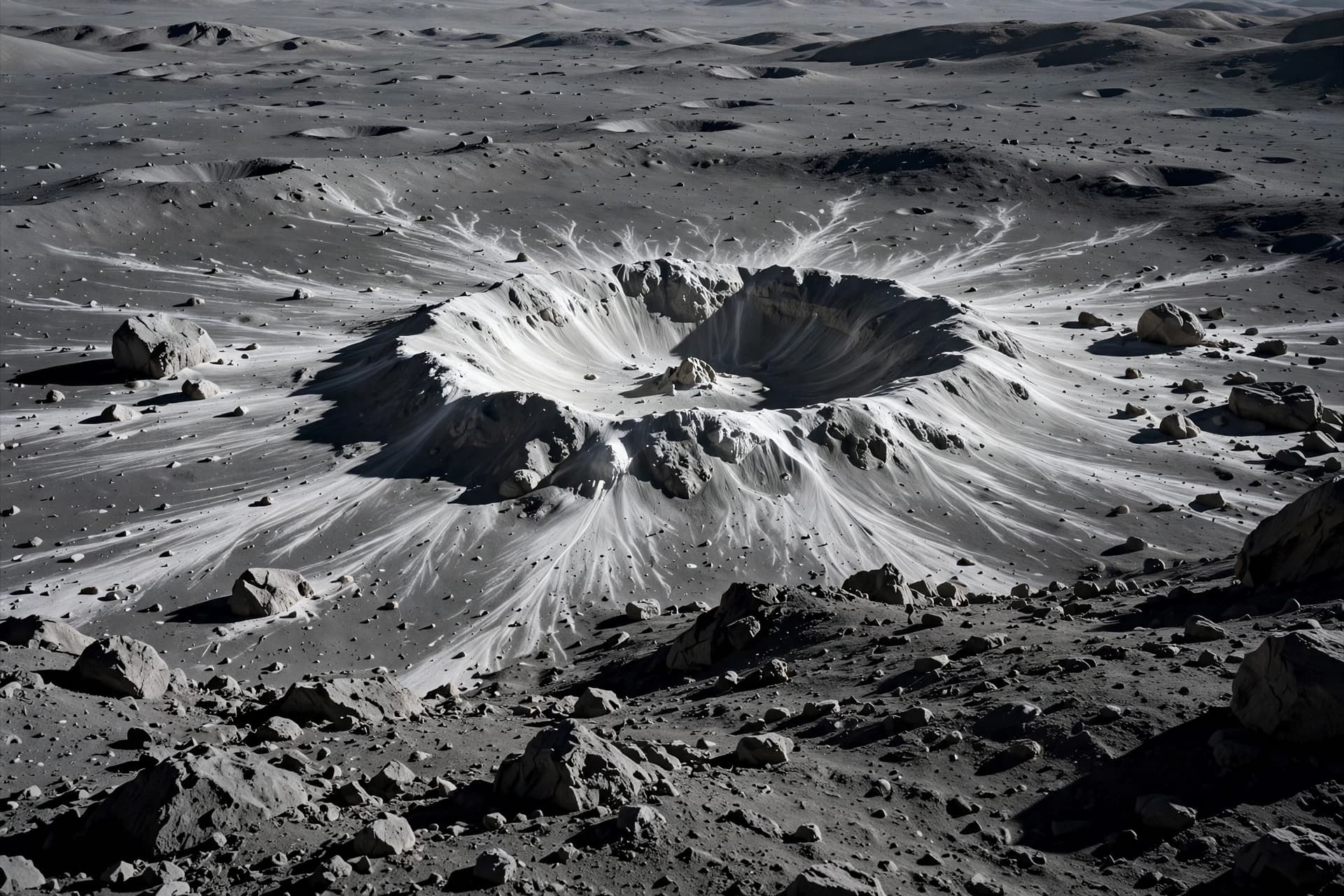
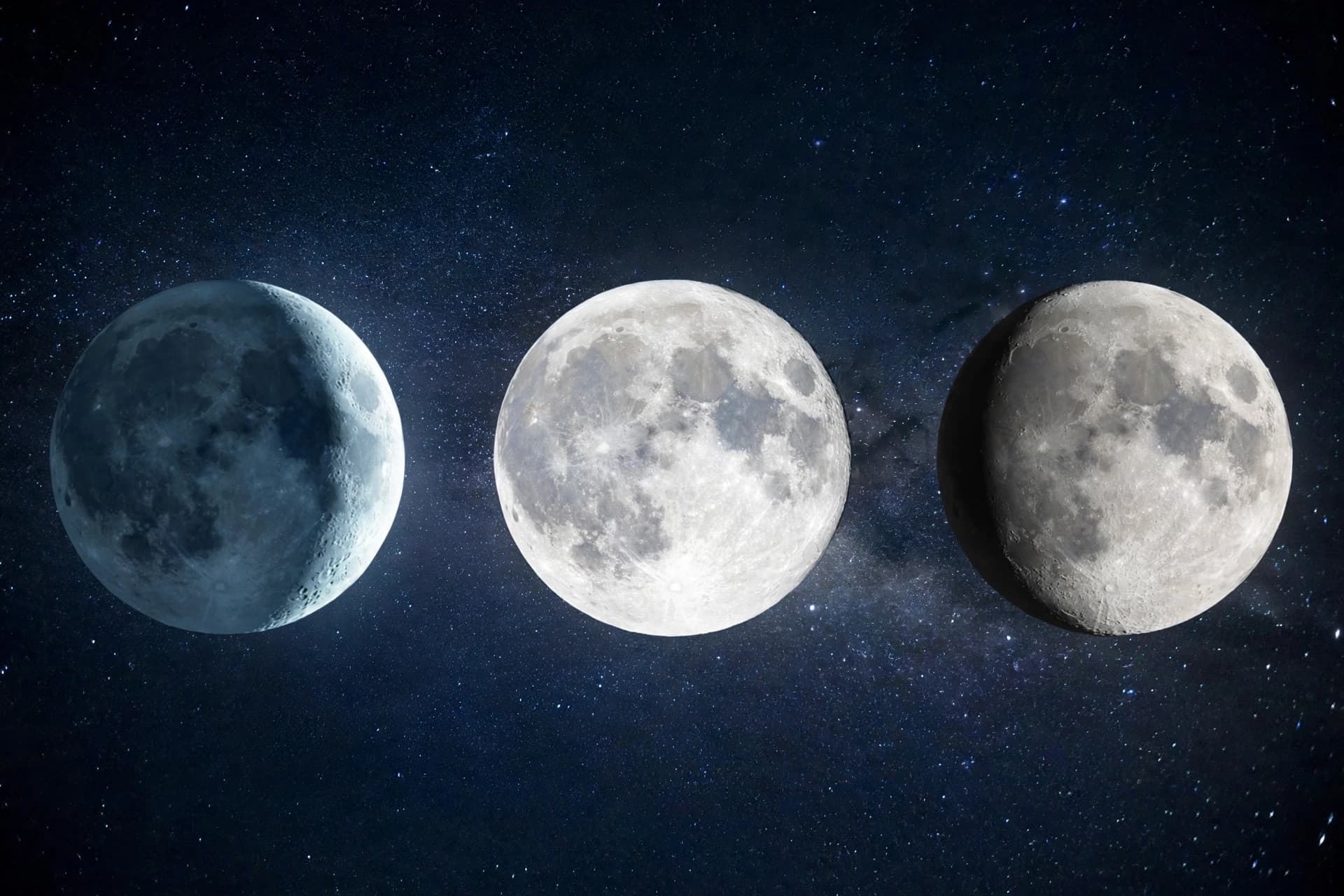
An errant SpaceX Falcon 9 rocket stage is predicted to collide with the Moon at 5,400 mph, creating a new crater and highlighting the growing issue of space debris and sustainability.

Scientists have discovered a new type of magnetism in quantum materials, potentially revolutionizing quantum computing and data storage by utilizing dynamic quantum spin states.

Travelers are advised to visit Iceland, Greenland, or northern Spain to witness the 2026 total solar eclipse, with each location offering unique scenic and logistical advantages.

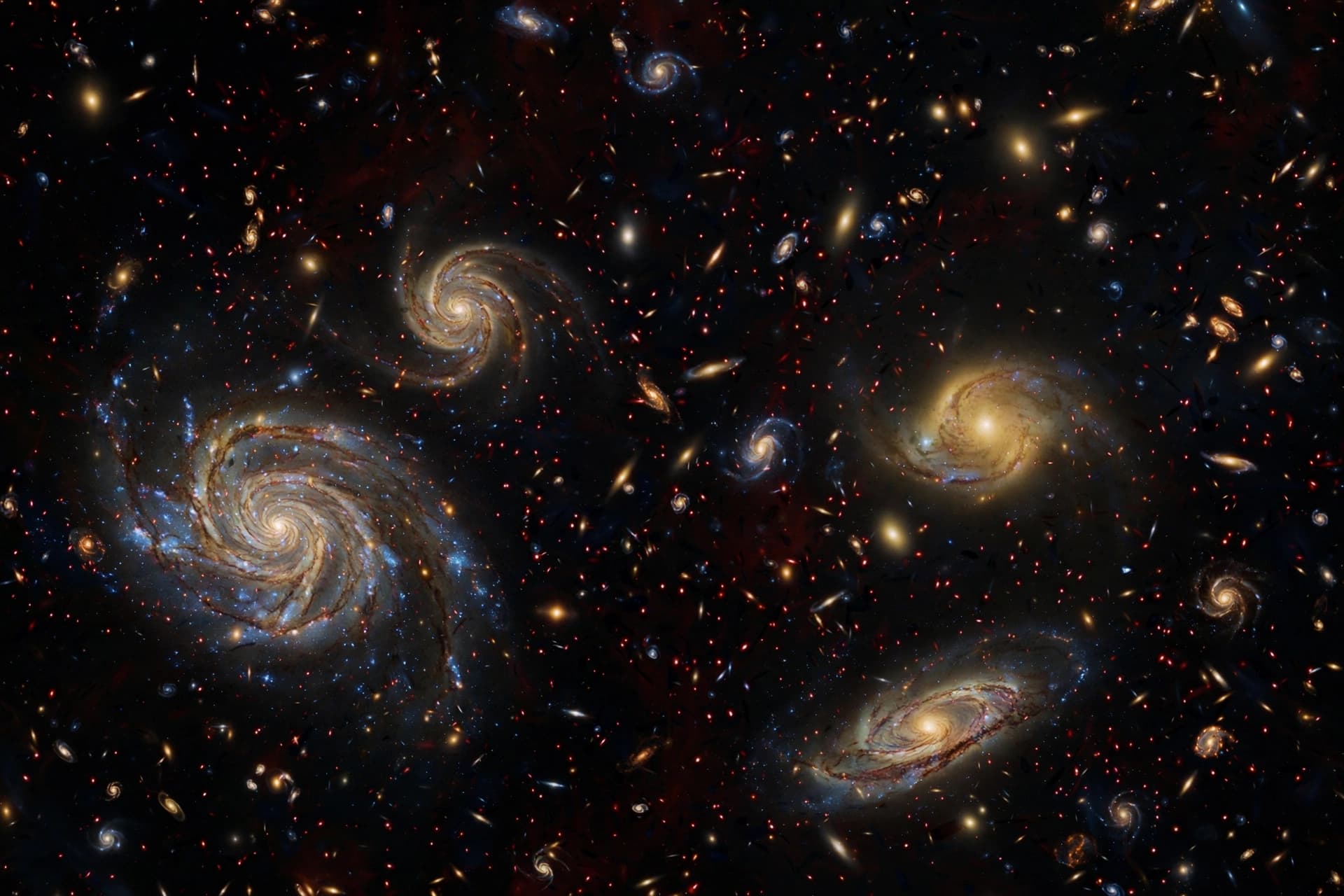
The 3.2-gigapixel LSST camera has captured an image containing over 500,000 galaxies, marking a major milestone in astronomy and enabling detailed studies of dark energy and cosmic evolution.

The Hubble Space Telescope has released one of the most detailed images ever taken of the Andromeda galaxy, revealing individual stars and structural features with unprecedented clarity.

The James Webb Space Telescope is transforming astronomy by revealing unexpectedly mature early galaxies and detailed star formation, challenging existing models of cosmic evolution.