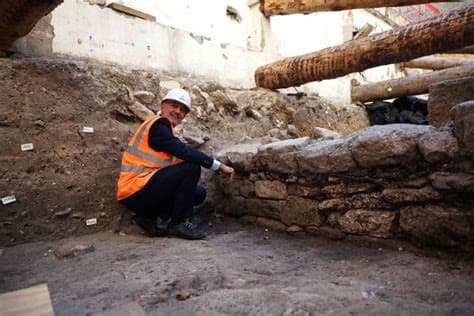
Beneath the bustling streets of modern Paris, where fashion and history intertwine, lies a hidden layer of the past waiting to be uncovered. Recent archaeological discoveries have revealed an ancient wall on the Île de la Cité, potentially confirming the location of the city’s earliest settlement. This Gallo-Roman structure, dating back to the 4th century, offers a tangible link to Lutetia, the precursor to the City of Light. It is a moment of quiet revelation, reminding us that even in the most developed metropolises, history sleeps just below our feet. The past is never truly gone.
The wall was discovered during renovations beneath a hotel near Notre Dame Cathedral, a site long suspected to hold Roman remnants. Constructed from reused stones, including fragments from earlier public buildings, the fortification reflects a period of uncertainty and defense. As the Roman Empire faced external pressures, the inhabitants of Lutetia retreated to the island, building walls to protect their community. Protection is a fundamental human instinct.
Archaeologists note that the discovery helps clarify the transition from the sprawling left-bank settlement to the fortified island center. While Julius Caesar mentioned Lutetia in his commentaries, physical evidence of its earliest days has been scarce. This find fills a crucial gap in the historical record, providing context for the city’s evolution. Evidence anchors memory.
For historians, the wall is more than stone and mortar; it is a narrative of survival. It speaks to the resilience of the Parisii people and their adaptation to changing political landscapes. The reuse of materials suggests resourcefulness and a connection to their built environment. Ingenuity sustains civilization.
Public interest in the discovery has been significant, with locals and tourists alike eager to glimpse the ancient foundations. Museums and cultural institutions are working to integrate the find into existing exhibits, making history accessible to all. Education fosters appreciation. Access creates connection.
The preservation of such sites in a dense urban environment presents challenges. Balancing development with conservation requires careful planning and cooperation between developers, archaeologists, and city officials. Paris has a long tradition of integrating its past into its present. Harmony is possible.
As research continues, experts hope to uncover more details about the daily lives of those who built and lived behind these walls. Each artifact adds depth to our understanding of Roman Gaul. Curiosity drives discovery. Knowledge enriches life.
In the end, the ancient wall beneath Paris is a testament to the enduring legacy of Lutetia. It invites us to look deeper and appreciate the layers of time that shape our world. As the city moves forward, it carries its history with pride. Roots support growth.
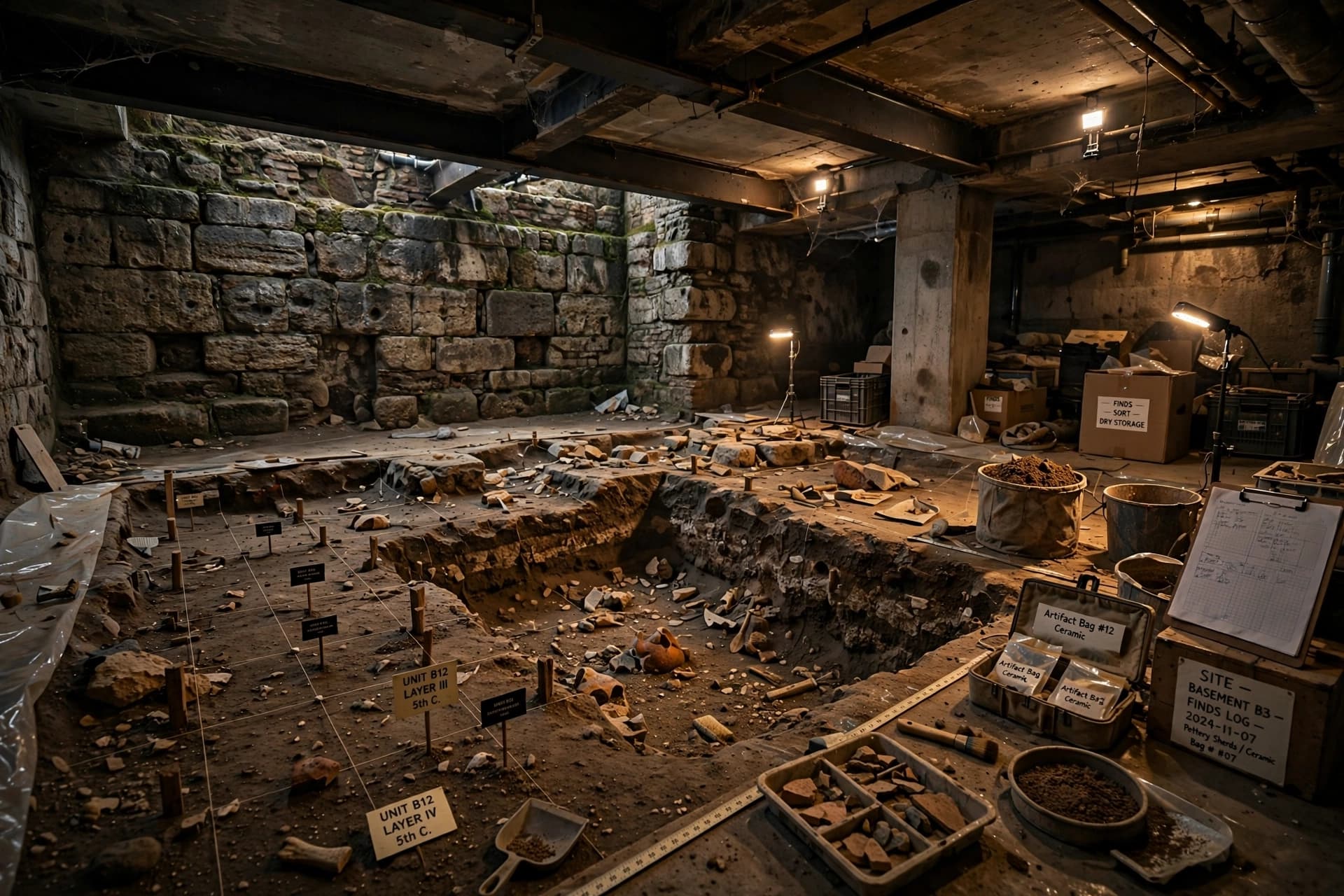
AI Image Disclaimer: The visual representations included here are AI-generated illustrations designed to depict archaeological sites and ancient Roman structures, not actual photographs of the specific wall discovered beneath the hotel on the Île de la Cité.
Sources: CBS News France Today Paris Unlocked
Published by Banx Network. This article is part of the Banx decentralized media programme, powered by the BXE token on the XRP Ledger.